
1. What is Mari State University Medical Faculty?
+It is a public university in Yoshkar‑Ola, Russia, offering a six‑year General Medicine programme.
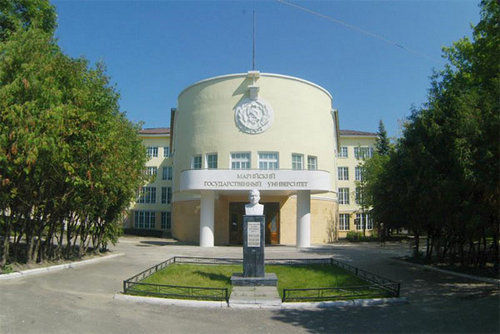
 Russia | Est. 1972
Russia | Ministry of Science and Higher Education of the Russian Federation | English & Russian medium
Expert will call you within 2 hours
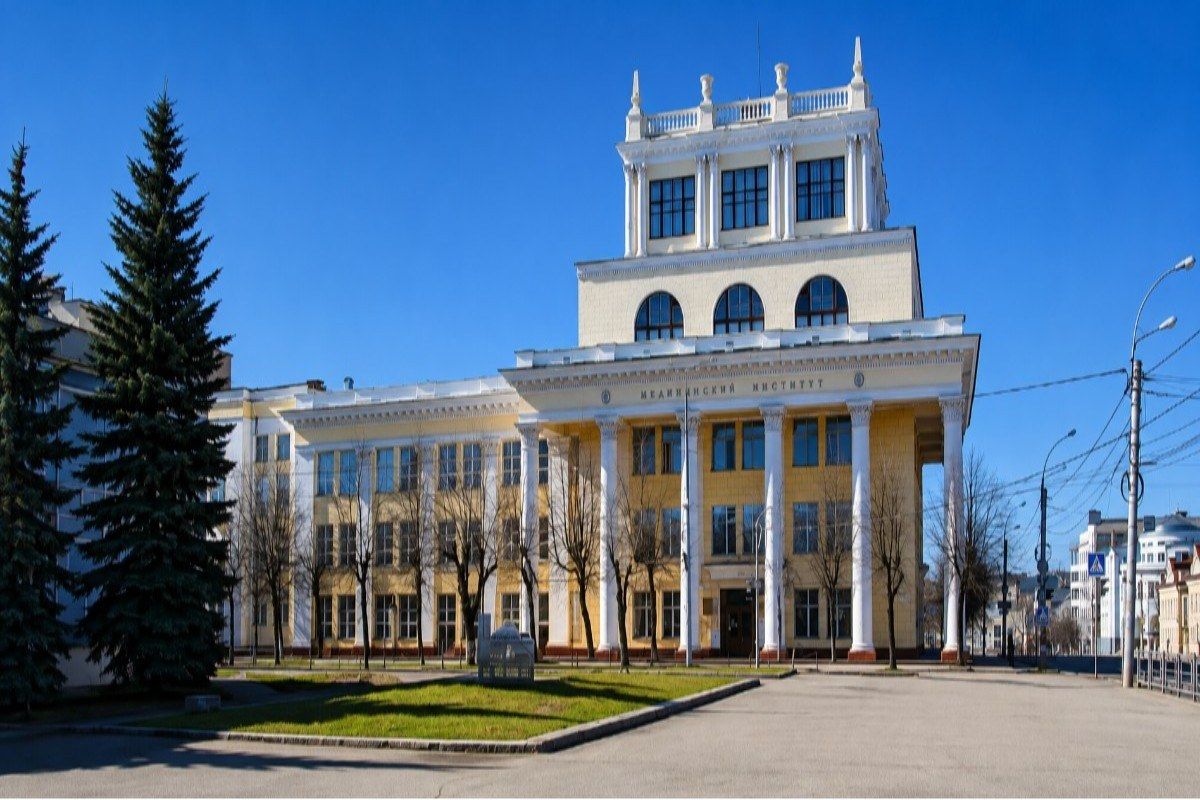
Choosing a medical university is more than just getting a degree. It is about finding a place where you can also grow as an individual. Mari state University in Russia was established in 1972 and began its medical education programme in 2014.The journey to become a doctor takes dedication,patience and a lot of hard work.
Finding the right medical university is a life‑changing decision. At Mari State Medical University, you’ll find a structured General Medicine programme taught in both English and Russian language, with strong emphasis on clinical training. Experienced faculty guide students through theory, practicals, and hospital rotations, ensuring that what you learn in the classroom connects seamlessly with patient care. It is one of the best places to pursue MBBS abroad.
For Indian students, the Mari State Medical University admission process is straightforward but requires preparation. You’ll need your Class 12 marks in Physics, Chemistry, and Biology, along with a qualifying NEET score. Admission also requires compliance with the NMC Foreign Medical Graduate Licentiate Regulations, which guarantee that your degree abroad aligns with India’s standards. After graduation, you have to clear licensing exams such as FMGE/NExT in India, or USMLE, PLAB, AMC, MCCQE, and DHA if you plan to practise internationally.
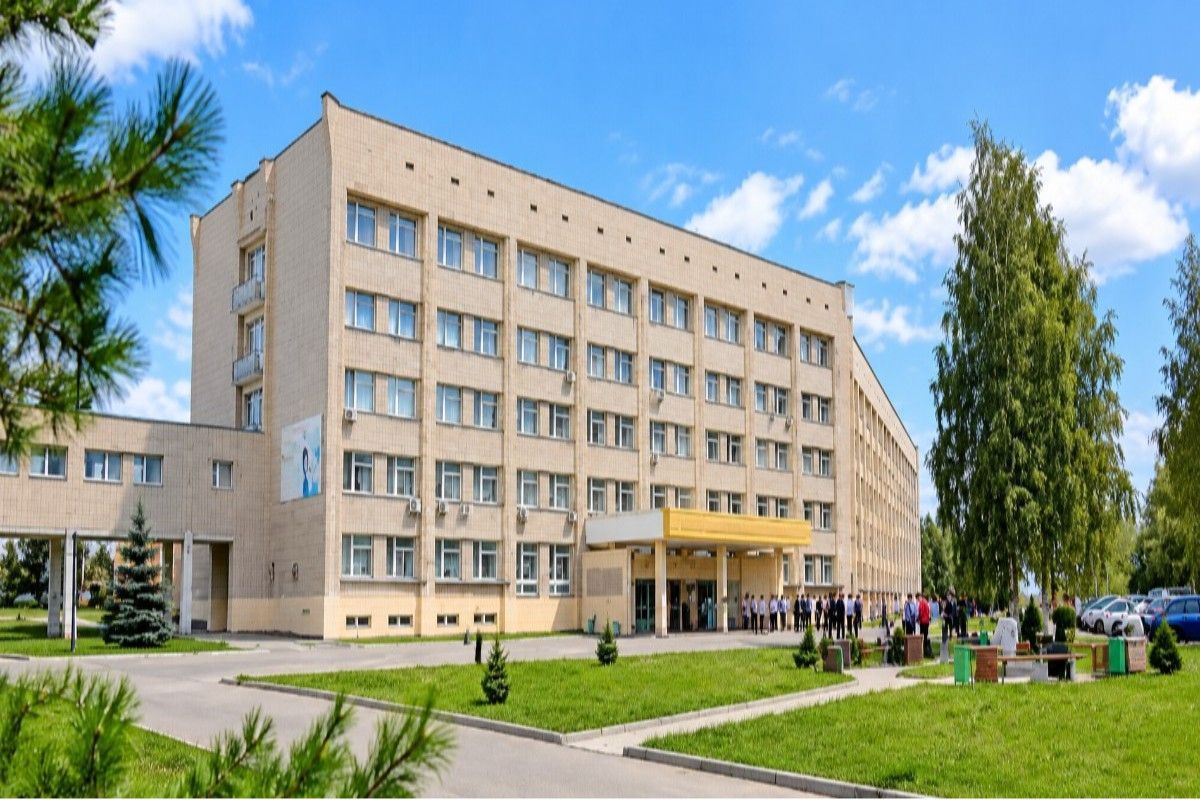
Life at Mari State University is not just about academics, it's about building a home away from home. The university provides hostel facilities with furnished rooms, mess services, Wi‑Fi, laundry, and cooking areas. Parents often worry about safety and comfort, but the hostel environment is designed to make students feel secure and supported.
Life in the university is more than just attending lectures.It is more than just spending hours in the lab.It is about the moments that make college life special.From taking part in cultural fests and sports events to enjoying a meal with a friend these experiences shape you individually and help you in development of your personality.The alumni network also helps you stay connected. This makes it one of the best place to study abroad.
Graduating from Mari State Medical University is a proud moment, but the journey doesn't end when you receive your degree. The friendships you build, the lessons you learn, and the people you meet along the way can remain a valuable part of your life for years to come.
No hidden charges, no donation. The full picture of costs at Mari State University Medical Faculty (MarSU).
Tuition Fee
USD 5,167
USD 5,167 per year
Hostel Fee
USD 600
USD 600 per year
Food & Meals
USD 1,200
per year
Insurance
USD 300
per year
Donation
No Donation
No Hidden Fees
Total Estimated Cost
USD 31,002
6 Year Cost Total
25–35%
Average FMGE first-attempt pass rates for students from many overseas medical universities. Students from structured programs consistently score higher.
Students returning to India need to clear the FMGE/NExT exam. Mari State University Medical Faculty (MarSU) integrates exam-oriented coaching into the regular curriculum so students are prepared from day one.
A structured program that takes you from foundational sciences to clinical mastery.
The foundation of medicine begins here.Explains how students deepen their understanding of the body's systems and the processes that keep the body functioning.
Anatomy, Biology, Chemistry
Deepening knowledge of body systems.Describes the transition from foundational medical sciences towards understanding diseases, their causes and their diagnosis.
Biochemistry, Physiology, Anatomy
Transitioning from theory to diseases and diagnosis.Describes the transition from foundational medical sciences towards understanding diseases, their causes and their diagnosis.
Pathology, Pharmacology, Microbiology
Learning patient care and common medical conditions.Explains how students develop their understanding of common medical conditions and clinical approaches to patient care.
Internal Medicine & other clinical disciplines
Applying theoretical knowledge in supervised environments.Outlines how students build their clinical knowledge and apply theoretical concepts in supervised learning environments.
Advanced clinical disciplines, practical training
Preparing for licensing exams and professional practice.Explains how the final stage consolidates students' medical knowledge and prepares them for the next steps in their professional journey.
Final‑year medical subjects, clinical training
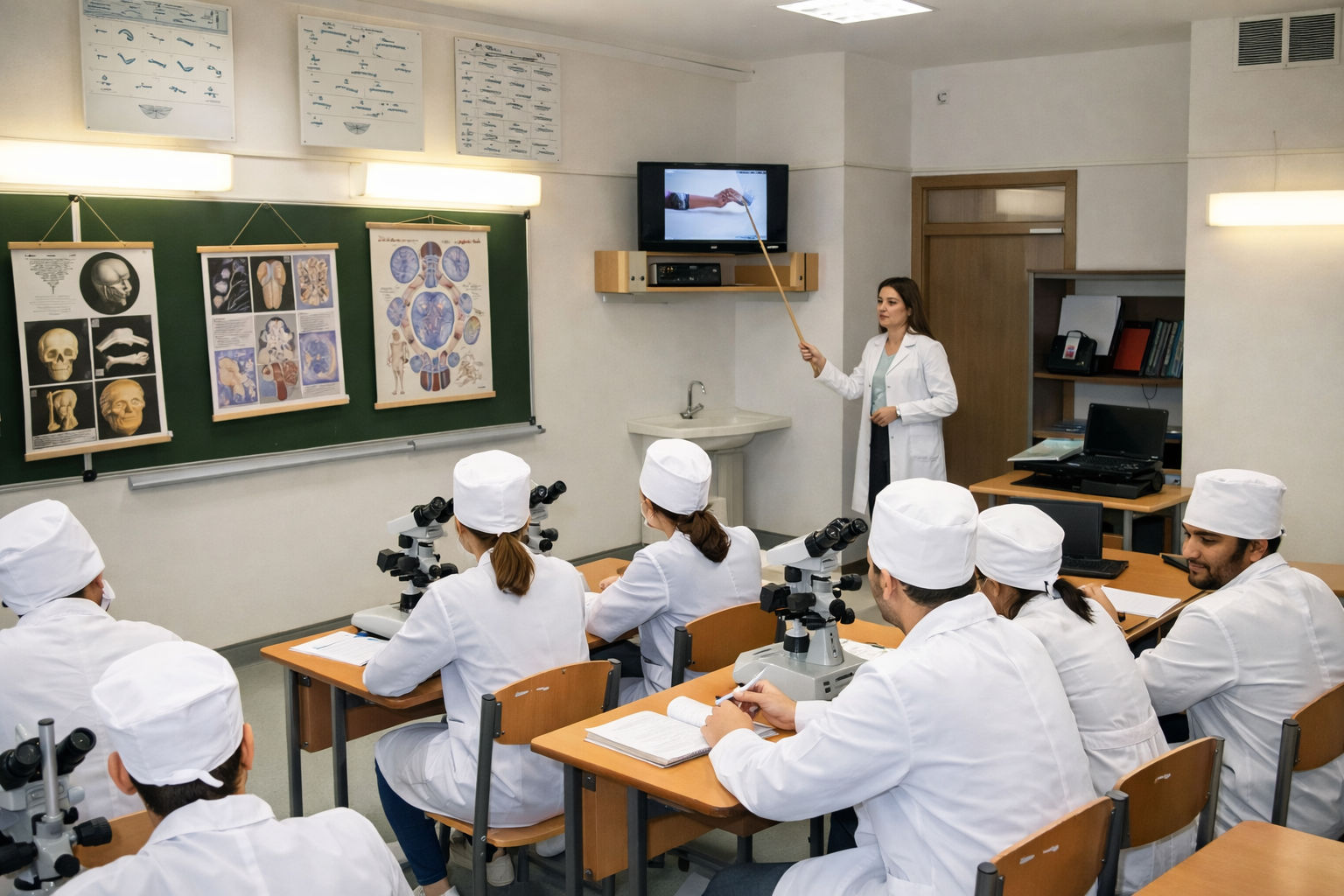
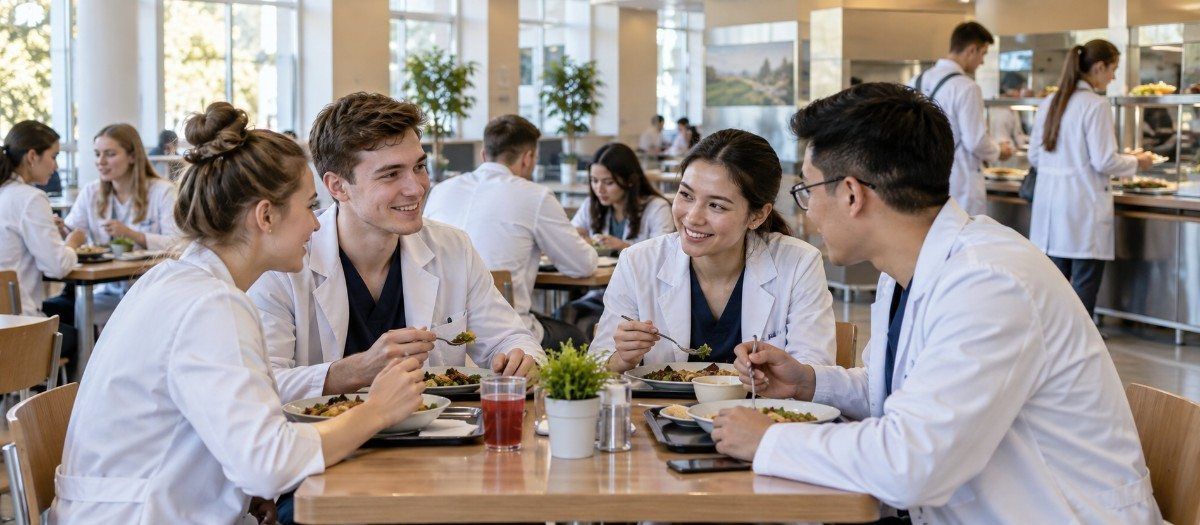
Furnished hostel rooms with Wi-Fi, laundry, 24/7 security, and Indian mess on or near campus.
Indian restaurants and mess facilities serving vegetarian and non-vegetarian home-style food daily.
Strong Indian community with cultural events, festival celebrations, and peer support groups.
Students get hands-on clinical training in government and private hospitals affiliated with the university.
Practical information for students planning to study at Mari State University Medical Faculty (MarSU).
Prepare for all seasons. Thermal wear for winters, light clothing for summers. University provides heating in hostels.
Student visa processed with university invitation letter. Direct and connecting flights from major Indian cities.
Health insurance included in fees. Medical facility on campus plus city hospitals easily accessible.
Local SIM cards available. WhatsApp and video calls keep you connected with family back home.
Average monthly expenses of $150–$250 covering food, transport, and personal needs.
University library, online databases, and study groups. Seniors mentor juniors through academic challenges.
Our team guides you through every step — from application to arriving on campus.
Shortlist 3–5 NMC-approved universities on fees, city, FMGE reputation, and hostel quality.
Submit the application with academic documents and NEET scorecard.
Receive the Admission/Offer Letter from the university.
Pay the initial tuition instalment via the official channel.
Receive the Invitation Letter, issued by Russia's Ministry of Foreign Affairs — your visa depends on this.
Apply for the Student Visa via Embassy/VFS; realistic processing time is 2–4 weeks.
Arrange winter clothing, travel/health insurance, and a 5–8% currency buffer for ruble fluctuation in the final weeks before travel.
Travel, typically late August to early September.
Complete enrollment, a medical check-up, and hostel allotment on arrival.
Attend orientation; classes begin in the first/second week of September.
Admission Helpline — Contact our counsellors for step-by-step assistance.
“The faculty here is incredibly supportive. The clinical training during hospital rotations has given me real confidence in patient care.”
“Affordable fees without compromising on quality. The campus facilities and hostel life made my transition abroad very smooth.”
“English medium instruction and WHO-recognized curriculum were the deciding factors for me. No regrets so far — excellent experience overall.”
“The university helped with everything from visa to accommodation. Hospital exposure from year three has been invaluable for my FMGE prep.”
“Just cleared my licensing exam on the first attempt. The structured coaching and mock exams during final year were a game-changer.”
“Safe campus, good food options, and a strong Indian student community. The teaching methodology is very practical and hands-on.”
It is a public university in Yoshkar‑Ola, Russia, offering a six‑year General Medicine programme.
Tuition, hostel, food, insurance, visa, and other expenses—official figures must be verified for 2026–2027.
Annual tuition and hostel costs converted into INR, based on the exchange rate at admission time.
Class 12 PCB requirements, NEET qualification, minimum age, and compliance with NMC rules.
Yes, Indian students must qualify NEET‑UG to apply.
Prepare documents, submit application, receive admission confirmation, invitation, and complete visa formalities.
Yes, but remember that WDOMS listing alone is not proof of NMC recognition.
Indian students must verify compliance with NMC regulations before admission.
Yes, the General Medicine programme lists English as a medium of instruction (confirm intake language).
Students may need Russian for daily communication and clinical practice. Preparatory courses are available.
The General Medicine programme lasts 6 years full‑time.
Our expert counsellors will guide you through the complete admission process — from documents to airport pickup.