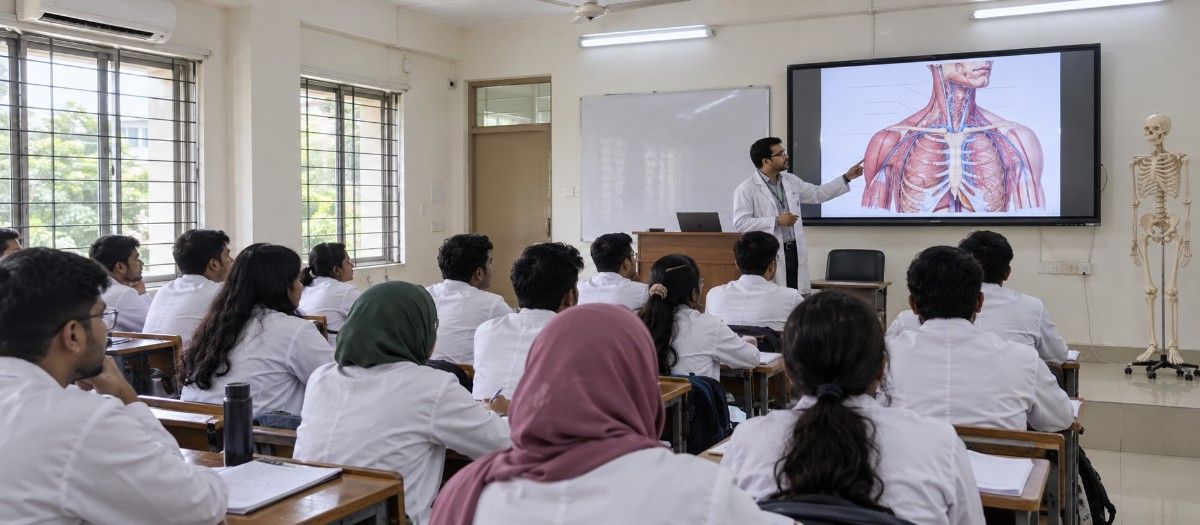
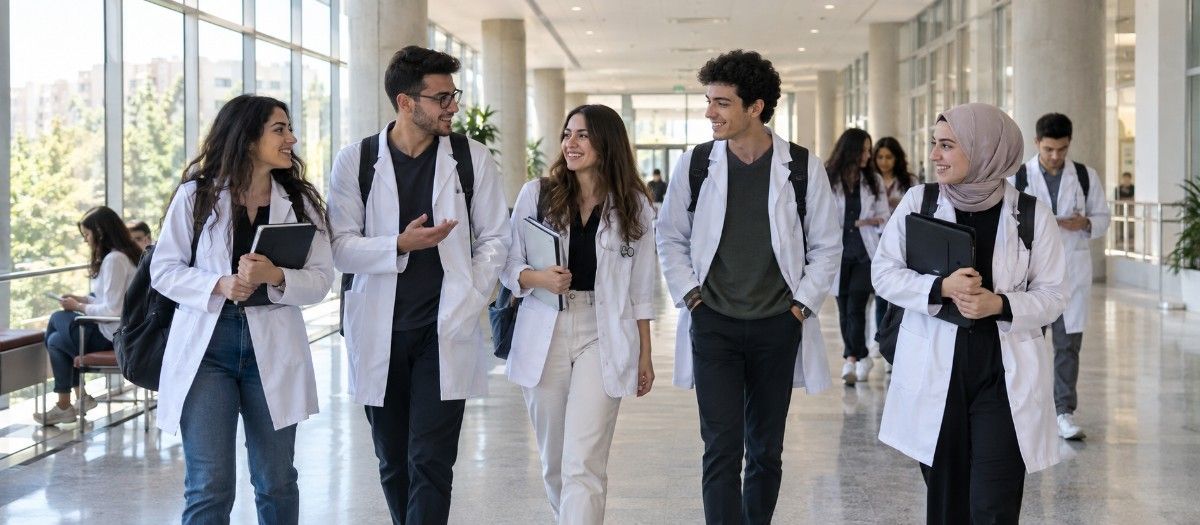
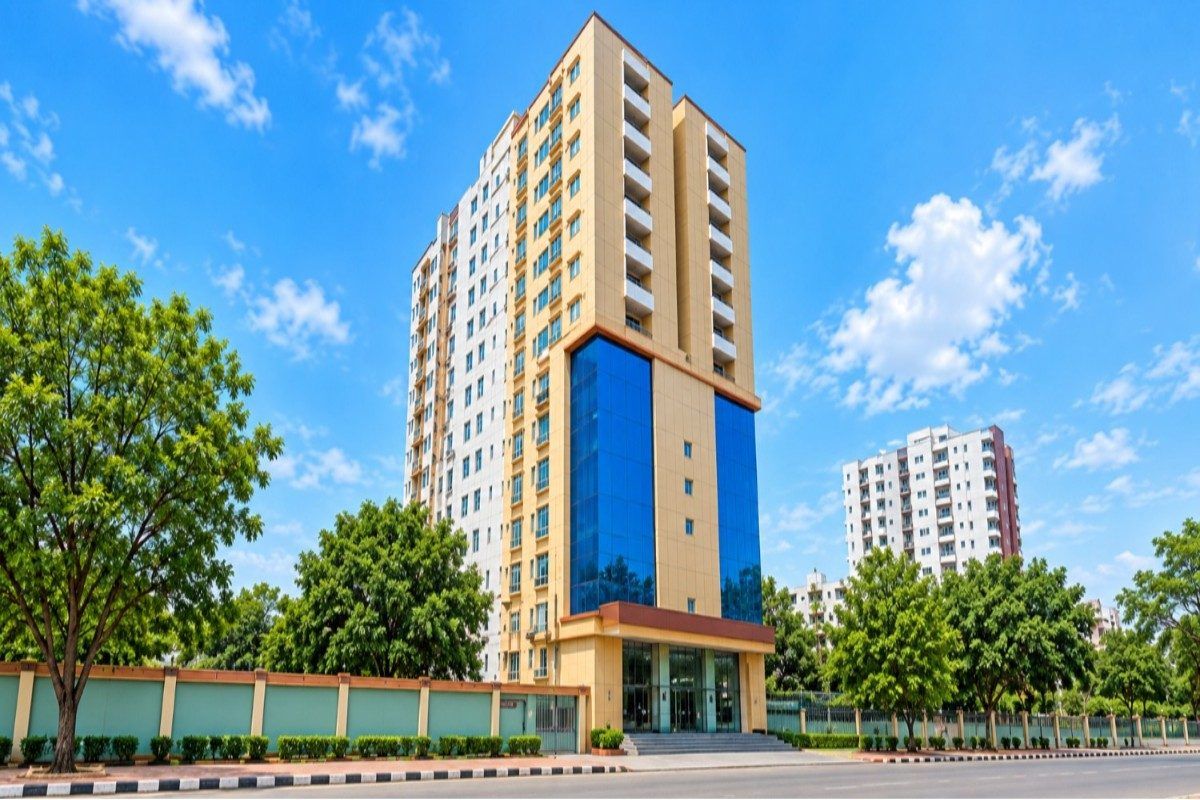
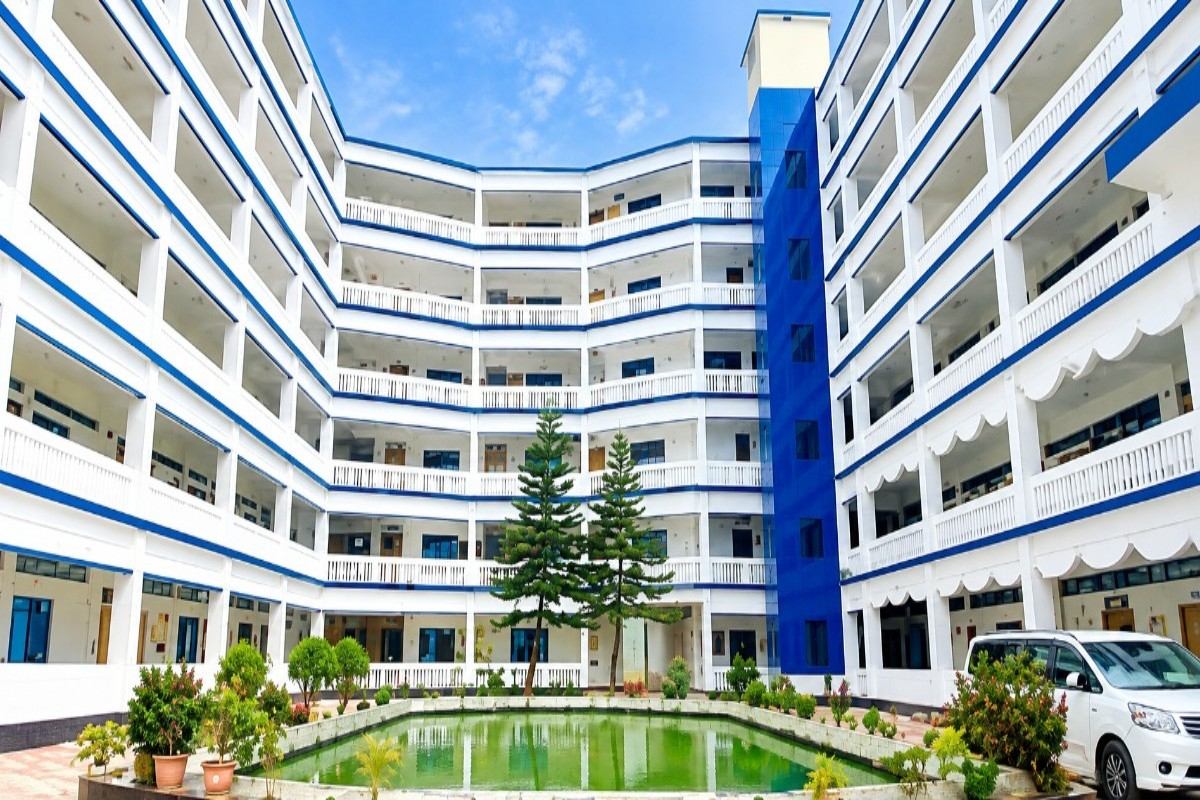
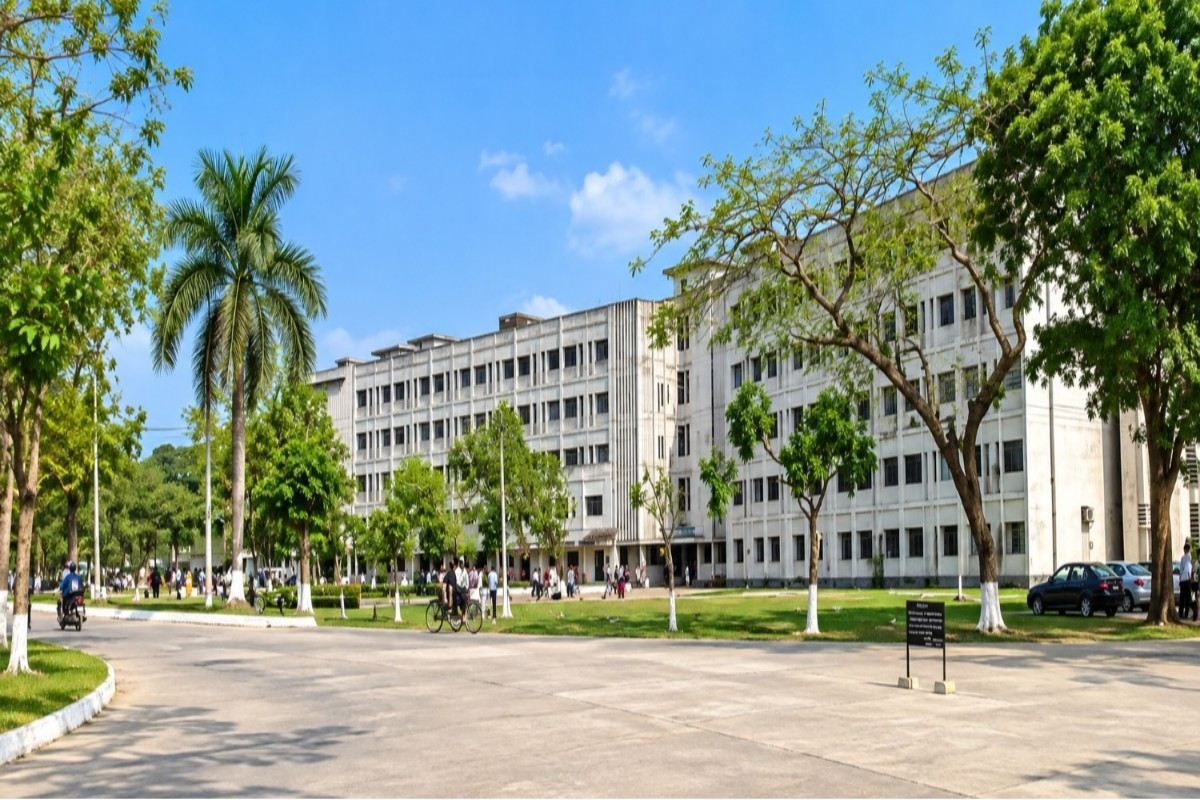
People mostly just call it NTMC for short. It is a government medical college, established in 2018, affiliated with Dhaka University. Here is a genuinely notable detail worth knowing directly. NTMC's own first batch of 50 students began classes on 10 January 2019, taught at a temporary campus specifically within Netrokona Sadar Hospital, the exact same launch date documented for Naogaon Medical College, a separate but comparably young government medical college covered elsewhere in comparable guides. This genuinely suggests a real, coordinated national rollout of several new Bangladeshi government medical colleges launched together on this same specific date, rather than a coincidence.
This pattern of beginning teaching from a temporary, borrowed district hospital campus is genuinely consistent with several other young Bangladeshi government medical colleges covered in comparable guides, including Chandpur Medical College, Cox's Bazar Medical College, and Naogaon Medical College, all of which similarly launched from within existing Sadar Hospital facilities before their own dedicated campuses were completed.
NTMC is led by Principal Shyamal Kumar Paul, supported by 44 academic staff. The college currently teaches 232 students. Teaching runs in English, following Bangladesh's standard national medical curriculum. The college offers a comprehensive MBBS programme spanning pre-clinical, para-clinical, and clinical disciplines, specifically including Anatomy, Physiology, and Biochemistry in the earlier stages, Pathology, Microbiology, Pharmacology, and Forensic Medicine in the middle stages, and Medicine, Surgery, Obstetrics and Gynaecology, Paediatrics, and Community Medicine in the later, clinical stages.
Netrokona itself sits within Bangladesh's own Mymensingh Division, a genuinely significant region in the country's northern belt. NEET remains a genuine requirement for Indian applicants pursuing MBBS study at Bangladeshi medical colleges generally, and Indian graduates would still need to clear the FMGE or NExT exam to practise medicine back in India, though applicants should confirm NTMC's own specific current international admission process directly, given how limited detailed, NTMC-specific admission information currently is.
A genuinely important, broader caution worth knowing directly is that a college's own listing on a consultancy website's "top" list does not automatically confirm compliance for any specific applicant's own admission. Recognition genuinely depends on the college's own current listing in the World Directory of Medical Schools, WDOMS, compliance with India's own Foreign Medical Graduate Licentiate Regulations, 2021, and obtaining the NMC Eligibility Certificate based on a valid, qualifying NEET score before enrolling.
Netrokona's own wider district carries a genuinely deep local history separate from the medical college itself. Netrakona Government College, a considerably older, non-medical institution dating to 1949, was founded with land donated by Birendra Dutt Chowdhury, then the local Zamindar, with local farmers, businessmen, and successive administrators all contributing to its own early development. So, the district's own educational heritage genuinely predates NTMC by nearly seven decades, reflecting a real, layered local commitment to education well before the medical college's own founding.
Given how genuinely young NTMC still is, and given the real naming overlap risk within its own district, prospective applicants should treat direct, careful verification of the specific institution, alongside independent confirmation of its own current recognition status, as genuinely essential first steps. This is not necessarily a reason to avoid NTMC outright, particularly given how consistent its own founding pattern is with several other, now more established Bangladeshi government medical colleges, but it is a real, practical precaution worth taking seriously given how limited NTMC-specific public information currently is.
Fee figures here represent a genuine information gap worth being upfront about, since a specific, confirmed NTMC-only tuition rate was not found across the sources reviewed; reasonable, clearly labelled estimates are provided below, drawn from the well-established pattern seen at comparably young Bangladeshi government medical colleges.
Cost Item | Amount | Notes |
Tuition Fee (estimated, based on comparable young Bangladeshi government medical colleges) | Approx. USD 4,000-5,000/year | Not separately confirmed for NTMC specifically; estimated from the reported rates at Naogaon Medical College, a comparably young government college launched the same date |
Hostel/Accommodation Fee (estimated) | Approx. USD 500-1,000/year | Not separately confirmed for NTMC specifically; estimated from the same comparable pattern |
Additional Fees (estimated) | Exam fees, lab charges, library fees | Standard, separate itemised charges reported at comparable Bangladeshi government medical colleges |
Health Insurance (estimated) | Approx. USD 100-200/year | Not separately itemised for NTMC specifically; a general estimate for international student health coverage in Bangladesh |
Food/Meal Expenses (estimated) | Approx. USD 80-150/month | A general estimate for food costs in a smaller Bangladeshi district town |
Total 6-Year Estimate (tuition + hostel, low end) | Approx. USD 27,000-36,000 | A combined estimate based on the ranges above; genuinely approximate, and should be confirmed directly with NTMC |
Note: as a government medical college, request NTMC's own current, official, itemised fee schedule directly before making any financial commitment; the figures above are genuinely estimated from a comparable institution's own reported rates, not confirmed directly for NTMC.
Why NTMC Deserves a Harder Look, and a More Careful One
Most lists mention Netrokona Medical College only briefly among Bangladesh's newer government medical colleges. However, they do not explain its own genuinely coordinated national launch date, or the real naming overlap risk with a separate, similarly named university. The reason is simple. It is about a real, specific coordinated rollout pattern most guides skip entirely, and a genuine naming overlap worth understanding directly.
NTMC is not like most other Bangladeshi medical colleges when it comes to how precisely its own launch date can be cross-referenced. In fact, NTMC's own first cohort began classes on 10 January 2019, the exact same date documented for Naogaon Medical College, a separate, comparably young government college. Furthermore, this genuine, specific date match strongly suggests a real, coordinated national government initiative launching several new medical colleges together, rather than a simple coincidence.
The wider district's own naming complexity also matters more than most guides let on. For example, most guides describing a Bangladeshi medical college assume the district hosts only one relevant institution. Netrokona specifically hosts a considerably different general university, itself formerly named Sheikh Hasina University until a 2025 rename, and a considerably older general college dating to 1949. Moreover, applicants researching "Netrokona" education online risk conflating information belonging to these genuinely different institutions.
One thing most other blogs miss is how genuinely consistent NTMC's own founding pattern is with several other young Bangladeshi government medical colleges. In addition to standard due diligence, NTMC specifically began teaching from within Netrokona Sadar Hospital itself, exactly mirroring the pattern documented at Chandpur, Cox's Bazar, and Naogaon Medical Colleges. Since this represents a real, recognisable national approach rather than a unique shortcoming, applicants get a genuinely more complete, honest picture of NTMC's own founding context.