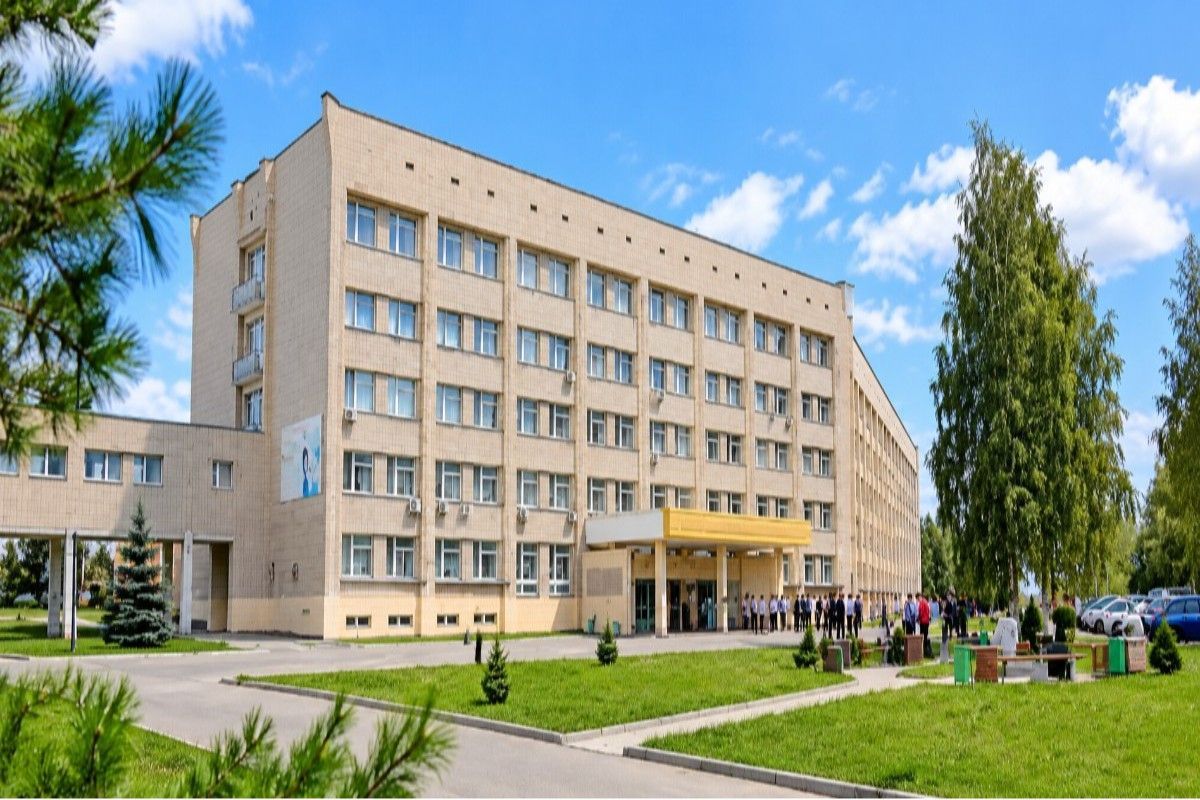
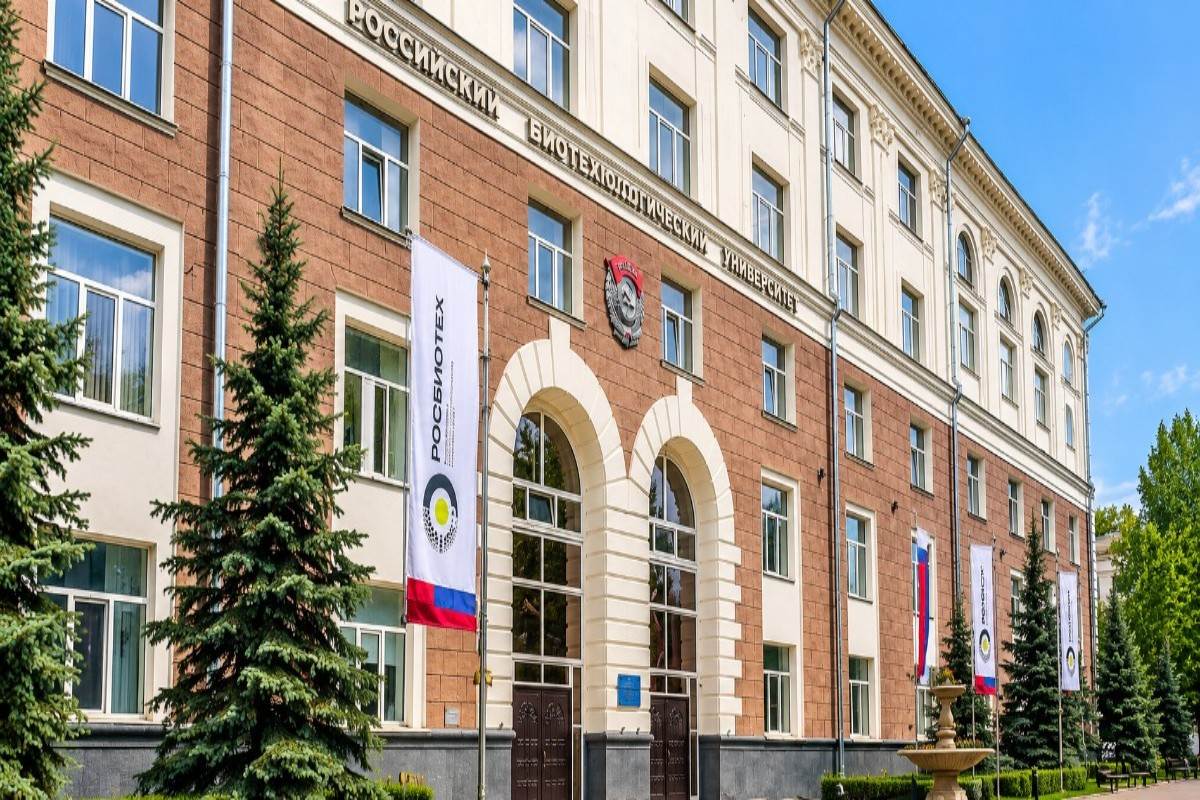
Penza State University is one of the largest and most comprehensive universities in the Volga region of Russia, with a history that starts in unusual circumstances. The university was established in November 1943, during World War II, based on the Odessa Industrial Institute, which had been evacuated from Odessa to Penza by order of the All-Union Committee for Higher Education of the Council of People's Commissars of the USSR on 3rd July 1943. This wartime origin gave the university its founding character: built under pressure, to serve a purpose, in a city that took on a scientific and educational identity it has maintained ever since.
Today Penza State University is a substantial public institution. It has over 20,000 students, 3,000 teachers, 11 faculties, 7 institutes, and 3 branch campuses, and offers more than 150 academic specialisations. It is the largest institution in the Penza region by student numbers, teacher count, and overall educational capacity. The university holds recognition from the Ministry of Science and Higher Education of the Russian Federation, and more than 2,700 international students from diverse countries are enrolled, creating an inclusive and multicultural campus environment.
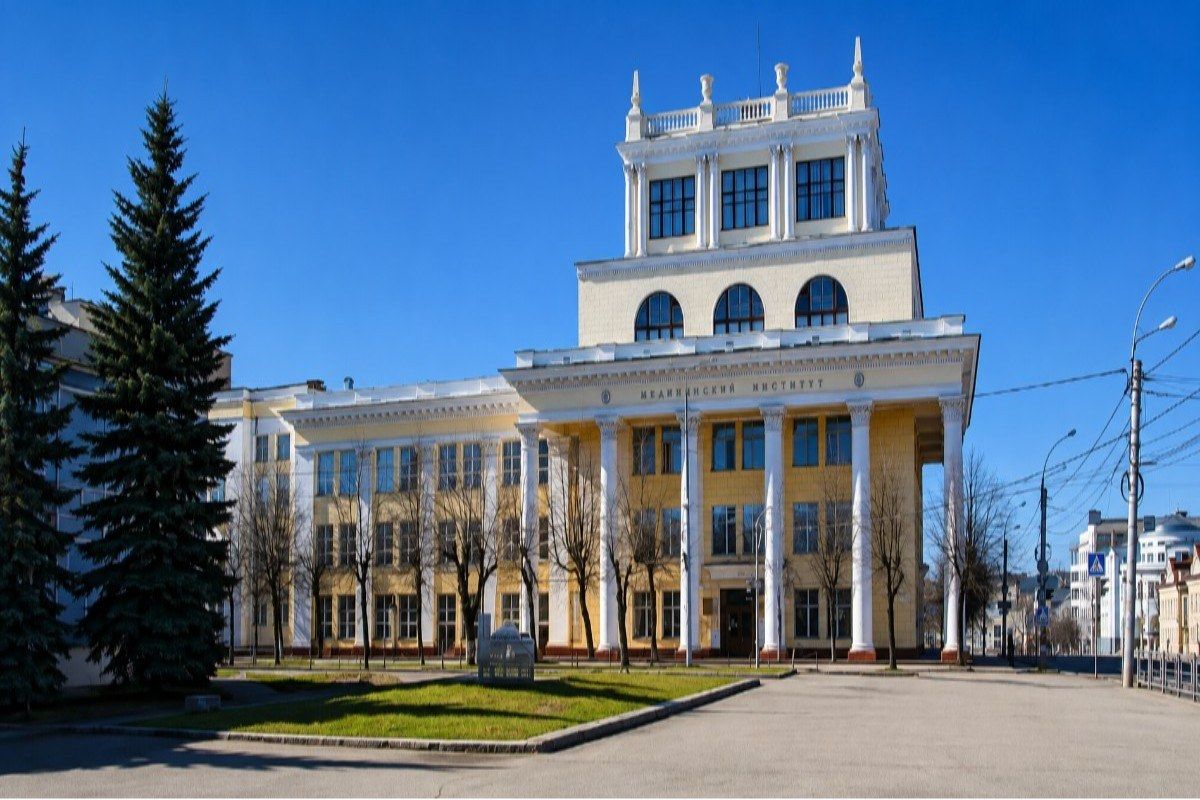
The Medical Institute at Penza State University is the medical faculty through which the MBBS programme is delivered. The programme is fully recognised by NMC India, WHO, ECFMG, and MCC (Medical Council of Canada), giving graduates an exceptionally wide range of licensing pathways including FMGE/NExT in India, USMLE in the USA, PLAB in the UK, and the MCC pathway in Canada. This breadth of licensing recognition at a tuition of approximately USD 3,400 to 4,000 per year makes Penza State University one of the most affordably priced institutions in Russia with global licensing eligibility.
Penza is the 38th largest city in Russia, located in the south-east of Moscow on the banks of the Sura River. It is a city with a culturally rich atmosphere, home to the Penza Zoo, Drama Theatre, Military Memorial Museums, the Angel of Peace monument, and a number of art galleries and parks. It is compact and student-friendly by nature, and the cost of living is low. The university campus has all standard facilities, and hostel accommodation with 24/7 security is available for international students at a subsidised cost of approximately USD 300 to 600 per year.
The university's approach to medical education reflects its broader identity as a multidisciplinary institution. Faculty members in the Medical Institute include leading researchers and experienced clinicians, and the curriculum is designed to deliver both theoretical depth and hands-on practical experience through affiliated hospitals in Penza. Students benefit from modern laboratories, lecture halls with advanced technology, and a library with comprehensive medical resources. Scholarships are available for deserving students, and the admissions process is straightforward and transparent.
Penza has a continental climate with long cold winters and warm summers. It is an inland city, so winters are drier and calmer than coastal Russian cities. The city is well-connected by rail and road, with trains to Moscow running regularly and taking approximately 9 to 11 hours. The Indian student community in Penza is present and active, providing the peer support that helps new arrivals settle into Russian life quickly.