
1. What is Ulyanovsk State University?
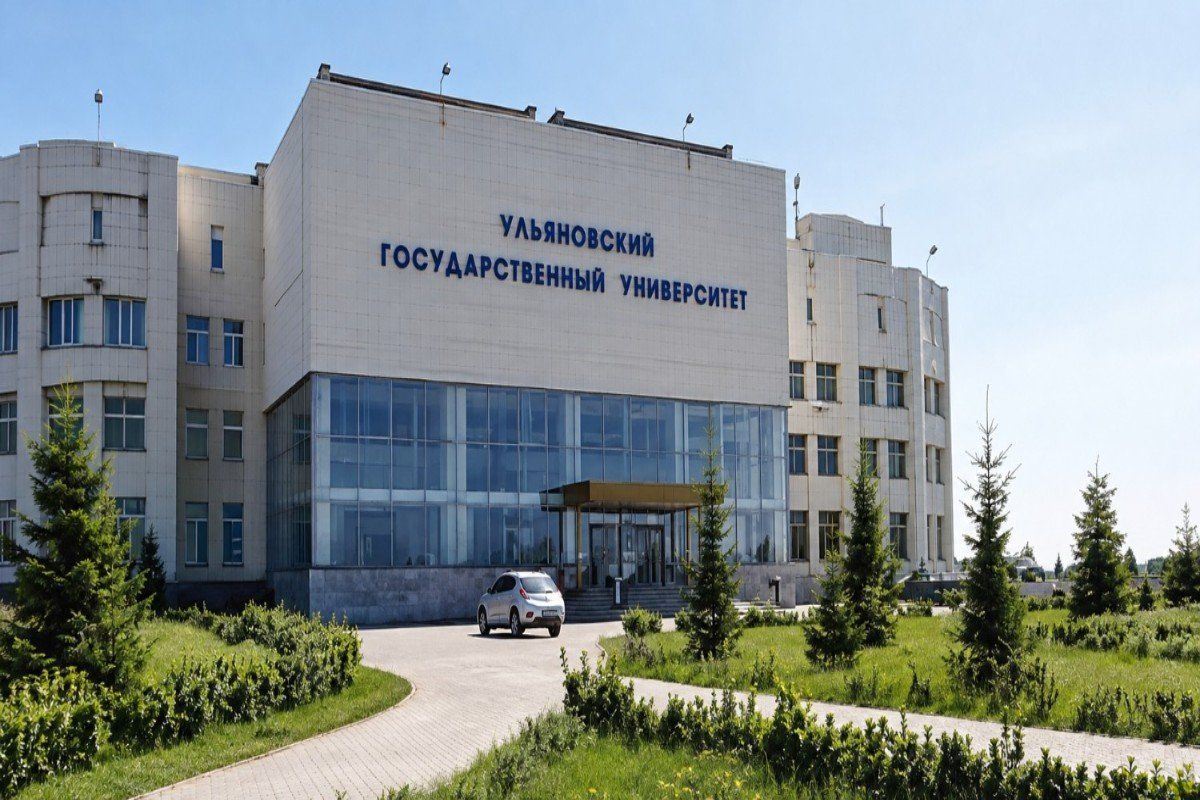
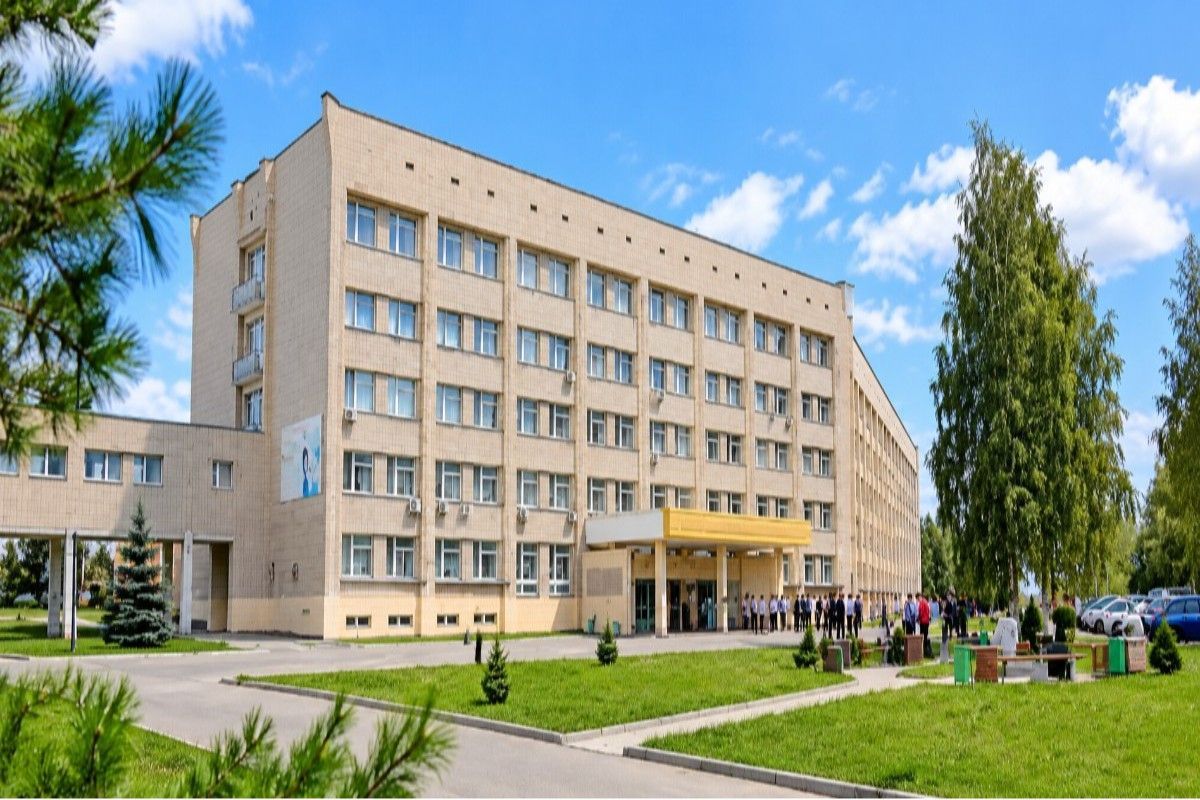
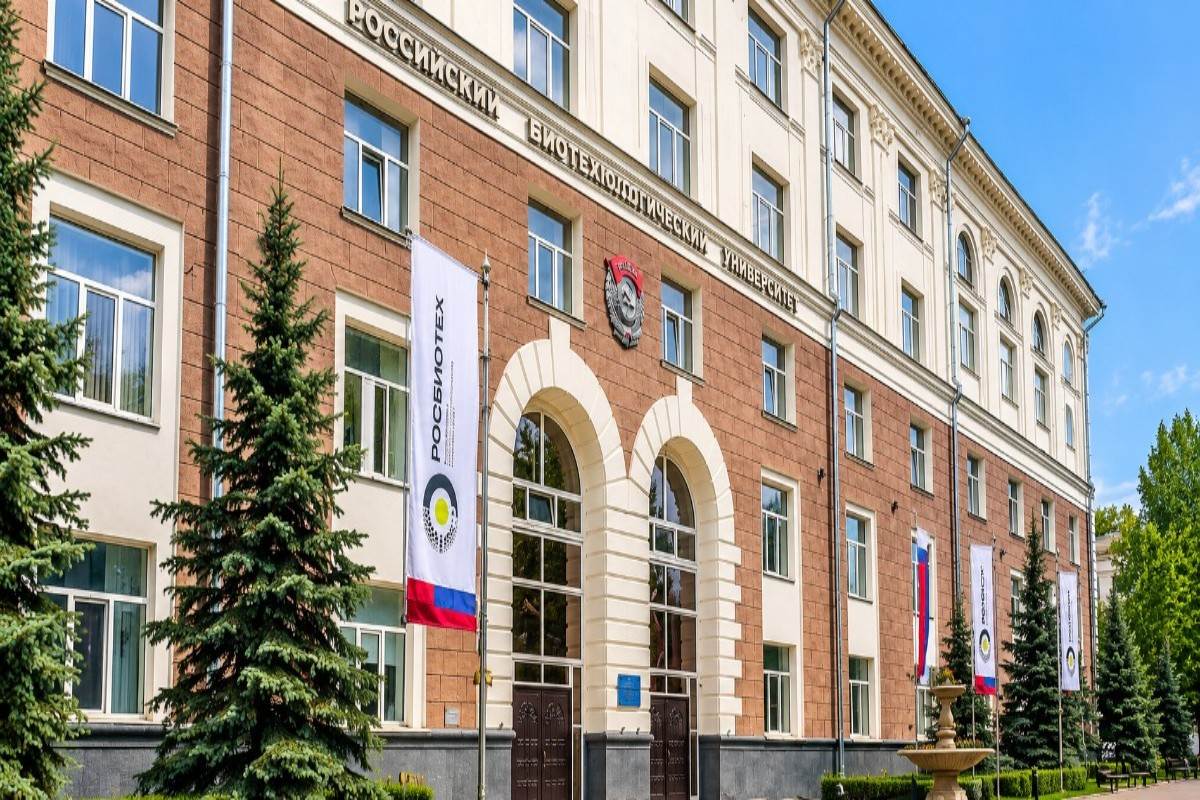
+Ulyanovsk State University is a public university located in Ulyanovsk, Russia, offering programmes in medicine and several other academic disciplines.
 Russia | Est. 1988
Russia | Recognized by the Ministry of Science and Higher Education of the Russian Federation and listed in WDOMS | Russian medium
Expert will call you within 2 hours
Students' dreams of becoming a doctor start with years of preparation and determination. Every year, so many dream of clearing NEET and securing a government medical seat, but not every student gets their dream college. But studying MBBS abroad is an option that will provide you with an opportunity to pursue medical education abroad and fulfill the dream of wearing that white coat.
Ulyanovsk State University, Russia, located in the historic city of Ulyanovsk, is one of the institutions that students often consider while researching MBBS in Russia for Indian Students. Established in 1988 as a branch of the prestigious Moscow State University and becoming an independent university in 1996, the university has developed into a major public educational institution offering programmes across medicine, engineering, science, humanities, and management.
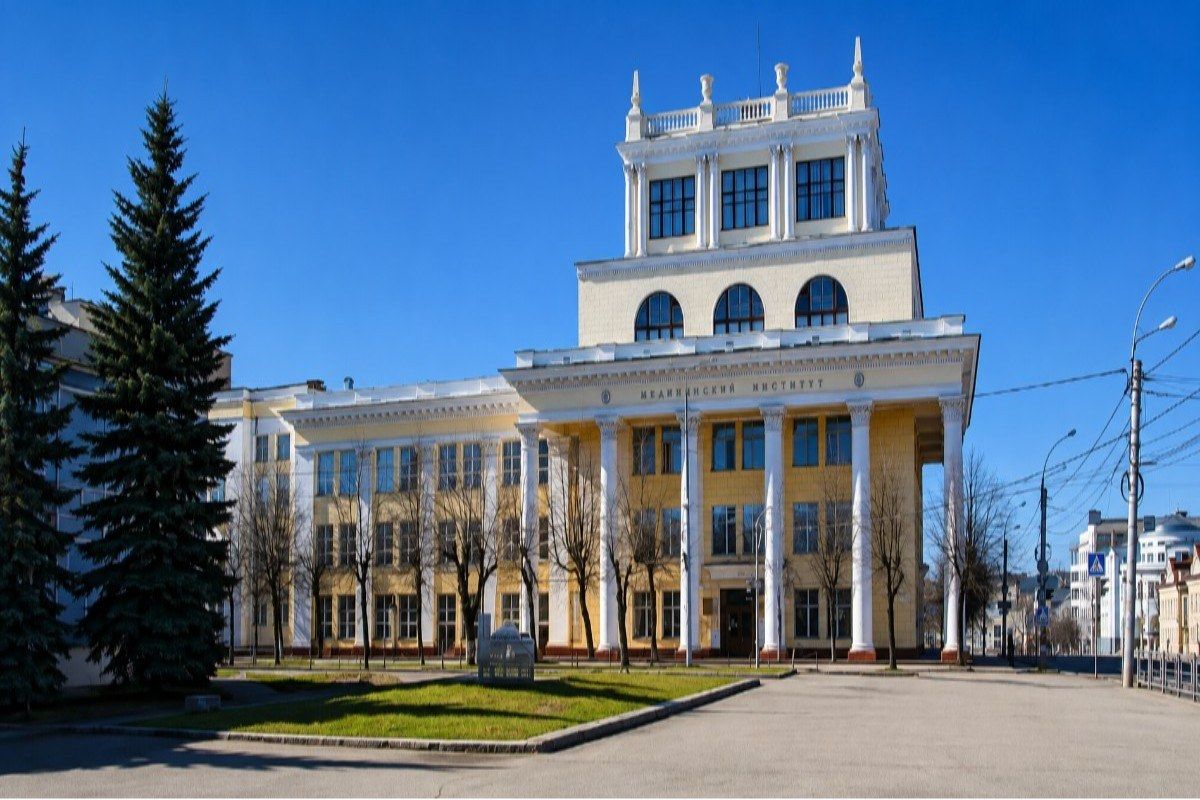
Students searching for MBBS at Ulyanovsk State University will find that medical education is provided through the renowned Medical Faculty Biktimirov, officially known as the Medical Faculty named after T. Z. Biktimirov. The faculty is listed in WDOMS and offers medical programmes designed to prepare students for professional healthcare careers through theoretical learning and clinical exposure.
The university has attracted students from different countries over the years, creating a multicultural academic environment. Modern classrooms, research facilities, laboratories, libraries, simulation training opportunities, and clinical training support the learning process.
Students interested in medical education abroad should thoroughly evaluate programme details, practical training opportunities, teaching language, accommodation arrangements, and future licensing pathways before taking admission.
Before applying for Ulyanovsk State University Admission 2026, students should understand important factors such as course structure, Ulyanovsk State University MBBS Fees, hostel facilities, living expenses, internship opportunities, and licensing requirements. Comparing these aspects with other Medical Universities in Russia helps students make informed decisions regarding their medical education journey.
For students who want to study MBBS in Russia, it is necessary to know about NMC, FMGE, and NEET eligibility.
Students exploring MBBS in Russia 2026 often compare universities based on academics, clinical exposure, affordability, student support services, and future career prospects. While evaluating options, families should consider the complete cost of education, including tuition, accommodation, food, insurance, travel, visa expenses, and Medical University Hostel Fees rather than focusing solely on tuition fees.
Students considering MBBS at Ulyanovsk State University should also understand the applicable Russian language requirements, as communication skills can play an important role during clinical training and patient interaction.
Developing Russian language proficiency can help students gain a more meaningful learning experience while pursuing medical education and planning to study MBBS in Russia.
The Ulyanovsk State University Russia Medical Faculty is listed in WDOMS, allowing students to verify official programme information. Students comparing Medical Universities in Russia often review WHO listings, accreditation status, and university recognition. Many applicants research FMGE Passing Rate trends, licensing pathways, and current NMC regulations before choosing a university.
Students planning MBBS abroad should independently verify admission requirements, curriculum details, and eligibility criteria. While comparing MBBS Fees in Russia, students should also evaluate clinical exposure, hostel facilities, and overall learning opportunities. For those looking to study MBBS abroad, Ulyanovsk State University is one of the universities worth considering for international medical education.
The university remains a popular choice among students exploring MBBS in Russia for Indian Students and planning to study MBBS in Russia. Whether you are exploring MBBS abroad, comparing MBBS Fees in Russia, seeking quality medical education, or planning to study MBBS abroad, Ulyanovsk State University Russia is one of the institutions that students frequently evaluate while researching Medical Universities in Russia.
Before applying, students should review the latest information regarding WDOMS listing, WHO references, FMGE Passing Rate trends, NMC regulations, admission requirements, and future licensing pathways.
No hidden charges, no donation. The full picture of costs at MBBS in Ulyanovsk State University Medical Faculty.
Tuition Fee
Approximately USD 4,400 per year (₹3.75 Lakh per year)
Approximately USD 4,400 per year (₹3.75 Lakh per year)
Hostel Fee
Approximately USD 875 per year (₹75,000 per year)
Approximately USD 875 per year (₹75,000 per year)
Food & Meals
Approximately USD 800-1,500 (₹70,000-1.3 Lakh)
per year
Insurance
Approximately USD 100-150 (₹8,000-13,000)
per year
Donation
No donation
No hidden fee
Total Estimated Cost
Approximately USD 40,000-45,000 (₹34-38 Lakh) for the complete course
6 year
25–35%
Average FMGE first-attempt pass rates for students from many overseas medical universities. Students from structured programs consistently score higher.
Students returning to India need to clear the FMGE/NExT exam. MBBS in Ulyanovsk State University Medical Faculty integrates exam-oriented coaching into the regular curriculum so students are prepared from day one.
A structured program that takes you from foundational sciences to clinical mastery.
In the first year the focus is on understanding the functioning and structuring of the human body along with giving strong education in medical sciences.
Anatomy, Histology, Biology, Medical Terminology, Medical Physics, Introduction to Medical Sciences.
Students begin exploring disease mechanisms and physiological processes in greater depth.
Physiology, Biochemistry, Microbiology, Immunology, Pathology, Pharmacology.
Students gradually transition into clinical subjects and begin connecting theory with medical practice.
Pathology, Pharmacology, Internal Medicine, Clinical Skills, Preventive Medicine.
Training emphasizes diagnosis, patient assessment, and treatment planning.
Internal Medicine, Surgery, Paediatrics, Obstetrics and Gynaecology, Clinical Diagnostics.
Students study various specialist branches of medicine.
Neurology, Psychiatry, Ophthalmology, ENT, Internal Medicine, Surgery, Emergency Medicine.
The final year focuses heavily on practical clinical experience and professional readiness.
Internal Medicine, General Surgery, Paediatrics, Obstetrics and Gynaecology, Emergency Medicine, Clinical Practice and Hospital Training.

Furnished hostel rooms with Wi-Fi, laundry, 24/7 security, and Indian mess on or near campus.
Indian restaurants and mess facilities serving vegetarian and non-vegetarian home-style food daily.
Strong Indian community with cultural events, festival celebrations, and peer support groups.
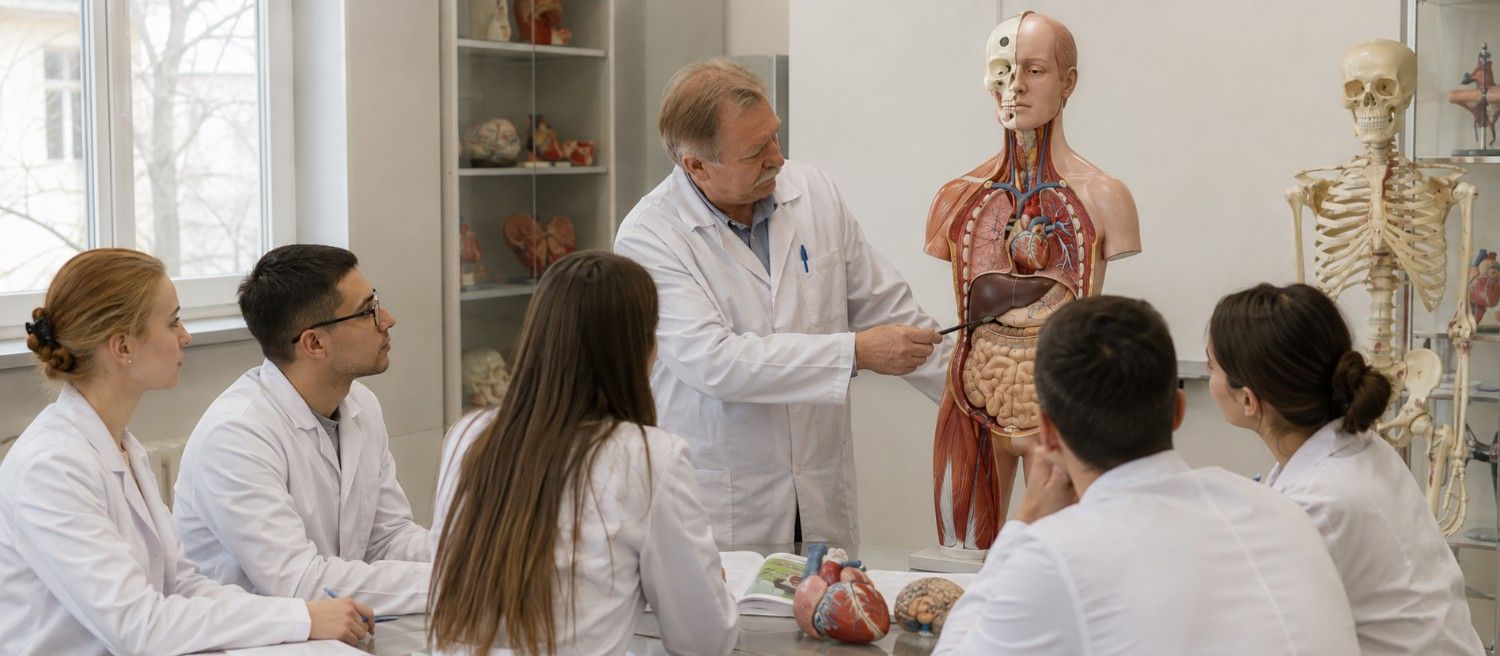
Students get hands-on clinical training in government and private hospitals affiliated with the university.
Practical information for students planning to study at MBBS in Ulyanovsk State University Medical Faculty.
Prepare for all seasons. Thermal wear for winters, light clothing for summers. University provides heating in hostels.
Student visa processed with university invitation letter. Direct and connecting flights from major Indian cities.
Health insurance included in fees. Medical facility on campus plus city hospitals easily accessible.
Local SIM cards available. WhatsApp and video calls keep you connected with family back home.
Average monthly expenses of $150–$250 covering food, transport, and personal needs.
University library, online databases, and study groups. Seniors mentor juniors through academic challenges.
Our team guides you through every step — from application to arriving on campus.
Shortlist 3–5 NMC-approved universities on fees, city, FMGE reputation, and hostel quality.
Submit the application with academic documents and NEET scorecard.
Receive the Admission/Offer Letter from the university.
Pay the initial tuition instalment via the official channel.
Receive the Invitation Letter, issued by Russia's Ministry of Foreign Affairs — your visa depends on this.
Apply for the Student Visa via Embassy/VFS; realistic processing time is 2–4 weeks.
Arrange winter clothing, travel/health insurance, and a 5–8% currency buffer for ruble fluctuation in the final weeks before travel.
Travel, typically late August to early September.
Complete enrollment, a medical check-up, and hostel allotment on arrival.
Attend orientation; classes begin in the first/second week of September.
Admission Helpline — Contact our counsellors for step-by-step assistance.
“The faculty here is incredibly supportive. The clinical training during hospital rotations has given me real confidence in patient care.”
“Affordable fees without compromising on quality. The campus facilities and hostel life made my transition abroad very smooth.”
“English medium instruction and WHO-recognized curriculum were the deciding factors for me. No regrets so far — excellent experience overall.”
“The university helped with everything from visa to accommodation. Hospital exposure from year three has been invaluable for my FMGE prep.”
“Just cleared my licensing exam on the first attempt. The structured coaching and mock exams during final year were a game-changer.”
“Safe campus, good food options, and a strong Indian student community. The teaching methodology is very practical and hands-on.”
Ulyanovsk State University is a public university located in Ulyanovsk, Russia, offering programmes in medicine and several other academic disciplines.
The General Medicine programme has a duration of six years.
Students should obtain the latest official fee structure directly from the university before applying.
Applicants generally require a Class 12 qualification with Physics, Chemistry, and Biology, along with the prescribed documentation.
Yes. The Medical Faculty named after T. Z. Biktimirov is listed in WDOMS.
Students should independently verify compliance with current NMC regulations and licensing requirements.
Graduates must fulfil all applicable licensing, internship, screening, and registration requirements in force at the time of qualification.
The General Medicine programme is listed in WDOMS as being taught in Russian.
Yes. Hostel accommodation is available for international students subject to availability and university policies.
Students are expected to acquire Russian language skills, particularly for communication during clinical training and patient interaction.
Our expert counsellors will guide you through the complete admission process — from documents to airport pickup.