
Q1. When was Tyumen State Medical University established?
+It was founded in 1963 as the Tyumen State Medical Institute, with its first rector, Dr. E.A. Zhukov, serving from 1963 to 1970; it gained full university status in 2015.
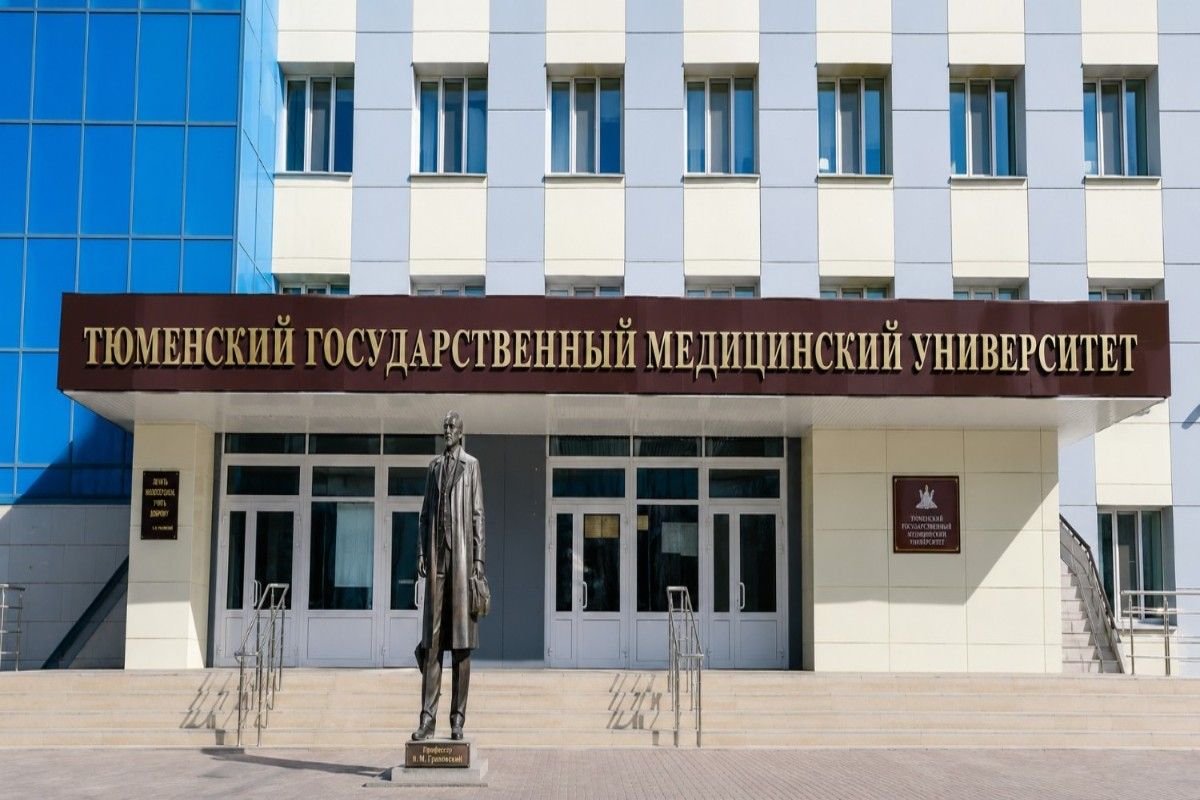
 Russia | Est. 2015
Russia | Russia's Ministry of Health and Ministry of Science and Higher Education; listed in WDOMS | English academic programme medium
Expert will call you within 2 hours
People mostly just call it TSMU for short. It was founded in 1963 as the Tyumen State Medical Institute, with its first rector, Dr. E.A. Zhukov, leading the institution from its founding until 1970, a specific, named, and dated early leadership tenure worth knowing rather than an anonymous founding story. The institute only gained full university status considerably later, in 2015, and it is now recognised as a key participant in Russia's own Academic Excellence Project 5-100, a genuinely notable national initiative specifically designed to boost the global competitiveness of Russia's leading universities.
Here is a fact most guides skip entirely. TSMU is directly connected with Russia's Ministry of Health, rather than solely the Ministry of Education, a distinctive administrative arrangement reflecting the university's genuinely direct integration into the country's national healthcare system. The university today comprises six institutes and two clinics, teaching more than 6,700 students drawn from across Russia and roughly 40 other countries, with approximately 2,000 of those students coming from abroad, including a substantial community from India, Nigeria, and Kazakhstan.
TSMU offers General Medicine, Pediatrics, Dentistry, Pharmacy, and Higher Nursing Education programmes, alongside a range of residency, postgraduate, and vocational education options. Since its founding, more than 16,000 students have graduated from the university in total. TSMU holds a QS World University Ranking in the 801 to 1000 band as of the 2025 cycle, and is consistently described among the top ten medical universities in Russia by independent consultancy sources.
Tyumen City serves as the administrative centre of Tyumen Oblast, and it holds a genuinely distinctive geographic significance. The city sits at the point that divides Russia into its European and Asian parts, giving Tyumen a real, specific claim to this dividing-line status rather than a vague regional description. The city itself hosts Orthodox and Catholic churches, mosques, and a synagogue, reflecting a genuinely diverse religious and cultural landscape.
Clinical training runs through a network of 23 affiliated medical facilities across Tyumen, with clinical rotations specifically beginning from the fourth year of study, giving students hands-on experience across specialties including surgery and paediatrics. Student life includes access to sports facilities like stadiums and gyms, cultural events including International Student Day, and specifically, celebrations of Diwali on campus, a genuinely welcoming, specific detail for the university's Indian student community.
TSMU's Doctor of Medicine programme runs six years, including a compulsory one-year clinical internship, taught in English, with Russian language also taught throughout the programme so that international students can communicate directly with local patients during diagnosis and treatment. Here is a genuinely important, more precise point worth understanding clearly. NEET itself is not, strictly speaking, a Tyumen State Medical University admission requirement. However, a public notification issued by India's National Medical Commission in 2020 requires every Indian student planning to study MBBS abroad, at any university, to hold a valid NEET-UG qualification, remaining valid for up to three years. So, in practice, Indian applicants to TSMU still need a valid NEET score, not because the university itself demands it, but because India's own national regulator requires it.
TSMU is listed in the World Directory of Medical Schools, WDOMS, which is specifically what makes the university recognisable to India's National Medical Commission and allows graduates to sit India's own medical licensing exams. Hostel accommodation spans five buildings within walking distance of the university, with separate facilities for male and female students, single and multiple-sharing room options, kitchens on each floor, and dedicated parks and stadiums for recreation.
Tyumen itself has genuinely transformed in recent decades, from a smaller regional centre into a modern, economically significant city closely tied to Russia's own oil and gas industry, giving it a considerably more developed infrastructure than many other cities of comparable size across the country. This economic strength translates directly into real investment in the city's own hospitals, research facilities, and general quality of life, benefiting TSMU's own students both academically and in their day-to-day experience living here. Students genuinely benefit from studying in a city that combines Siberian regional character with a real, modern economic base, rather than a purely remote, underdeveloped setting.
NEET remains a genuine consideration for Indian applicants here, in the specific way described above, and Indian graduates would still need to clear the FMGE or NExT exam to practise medicine back in India, regardless of TSMU's own reported FMGE outcomes.
Fee figures here are reported with genuine consistency across multiple dedicated, Tyumen-specific sources, a real point of reassurance given how much variation appears at some comparable Russian universities.
Cost Item | Amount | Notes |
Tuition Fee (most consistently reported) | USD 4,000-5,000/year | Reported consistently across multiple independent, Tyumen-specific sources |
Tuition Fee (specific figure, one source) | USD 4,300/year | Reported by a dedicated Tyumen-focused admissions source |
Total Tuition (6 years, based on the consistent range) | Approx. USD 24,000-30,000 | Estimate based on the reported annual range held stable across the programme |
Hostel Fees (Annual) | USD 600-1,000/year | Reported by a detailed source specific to Tyumen |
Medical Insurance and Miscellaneous | USD 200-300/year | Reported by the same detailed source |
Total 6-Year Cost (Combined) | Approx. USD 28,800-37,800 | Tuition, hostel, and insurance combined; confirm current, exact figures directly |
Note: no capitation fee is confirmed at any stage. Confirm the university's own current, official fee schedule directly before finalising a budget.
Most lists mention TSMU as just another Russian medical university. However, they do not explain its real national quality distinction, or exactly whose requirement NEET actually is. The reason is simple. It is about a genuine, named national initiative, and a real, more precise regulatory picture.
TSMU is not like most other Russian medical universities when it comes to national quality recognition. In fact, it is specifically recognised as a participant in Project 5-100, Russia's own government-backed programme designed to raise its leading universities' global competitiveness. Furthermore, this represents a real, named, verifiable national distinction, not a generic quality claim. As a result, applicants get a genuinely more specific quality marker here than most comparable Russian universities can offer.
The NEET clarification also matters more than most guides let on. For example, most guides for Russian universities simply state NEET is required without explaining exactly whose requirement it actually is. TSMU's own admission process does not itself demand NEET. It is India's own National Medical Commission, through a specific 2020 notification, that requires it of Indian students studying anywhere abroad. Moreover, applicants get a genuinely more precise, accurate picture of where this requirement actually comes from.
One thing most other blogs miss is how specifically welcoming this university genuinely is toward its Indian student community. In addition to standard clinical training, TSMU specifically celebrates Diwali on campus, and offers FMGE coaching support alongside an Indian mess available in student hostels. Since these details go beyond generic "international student support" language, applicants get real, specific reassurance about life here.
No hidden charges, no donation. The full picture of costs at MBBS in Tyumen State Medical University.
Tuition Fee
USD 4,000-5,000/year (specific figure of USD 4,300 also reported); no capitation fee
USD 4,000-5,000/year (specific reported figure: USD 4,300)
Hostel Fee
USD 600-1,000/year
USD 600-1,000/year
Food & Meals
$100 to $150 per month
per month
Insurance
USD 200-300/year
per year
Donation
No Donation
No hidden fee
Total Estimated Cost
Approx. USD 28,800-37,800, tuition, hostel, and insurance combined
6 year
25–35%
Average FMGE first-attempt pass rates for students from many overseas medical universities. Students from structured programs consistently score higher.
Students returning to India need to clear the FMGE/NExT exam. MBBS in Tyumen State Medical University integrates exam-oriented coaching into the regular curriculum so students are prepared from day one.
A structured program that takes you from foundational sciences to clinical mastery.
● In addition, this stage builds the scientific foundation for everything that follows
● First, Anatomy, Physiology, and Biochemistry run alongside Russian language instruction, preparing students for later clinical communication
● Furthermore, this stage prepares students for the transition into full clinical rotations
● Next, Pathology, Microbiology, and Pharmacology build the diagnostic and population-health foundation needed for clinical training
● Moreover, clinical rotations begin specifically from the fourth year of the programme
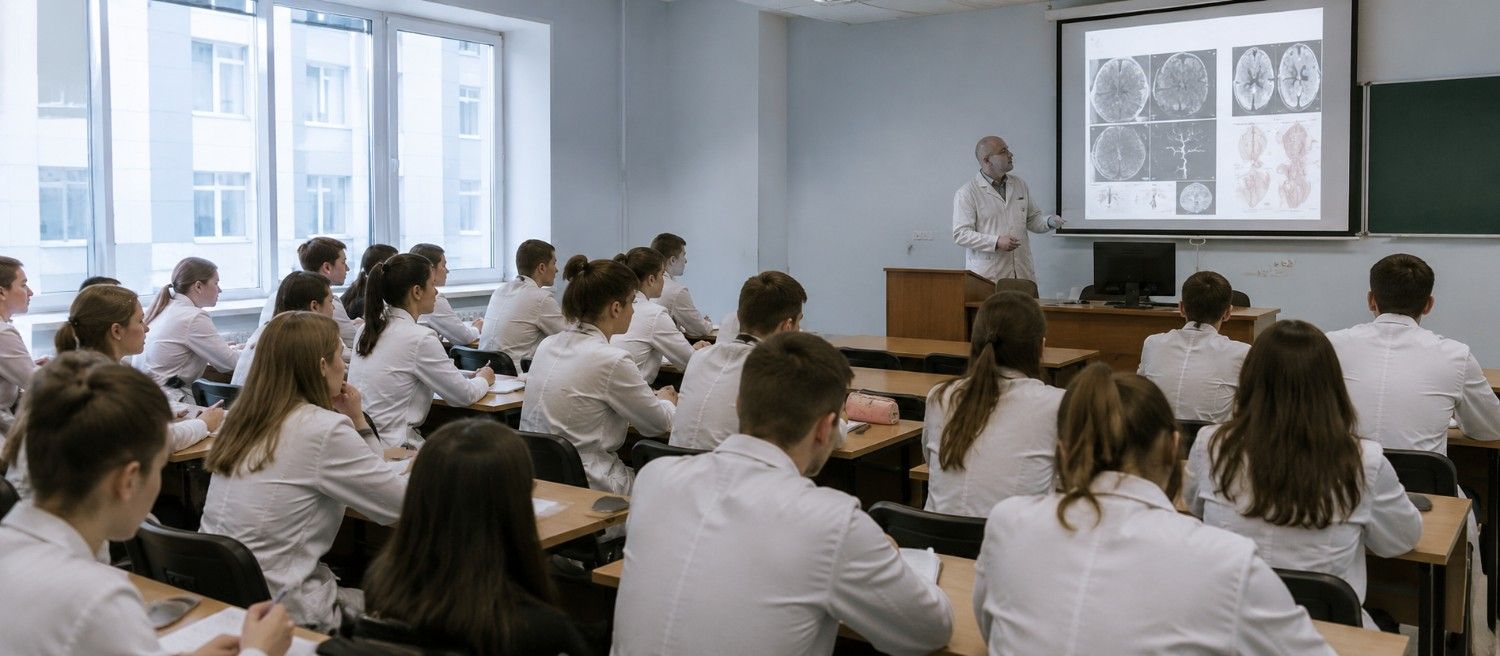
● Then, Medicine, Surgery, Paediatrics, and allied clinical subjects run through hands-on training across 23 affiliated medical facilities
● Also, interns rotate through major hospital departments before receiving the final degree and practising licence
● Finally, a one-year internship follows the five years of academic study, matching the standard Russian medical education pattern
Furnished hostel rooms with Wi-Fi, laundry, 24/7 security, and Indian mess on or near campus.
Indian restaurants and mess facilities serving vegetarian and non-vegetarian home-style food daily.
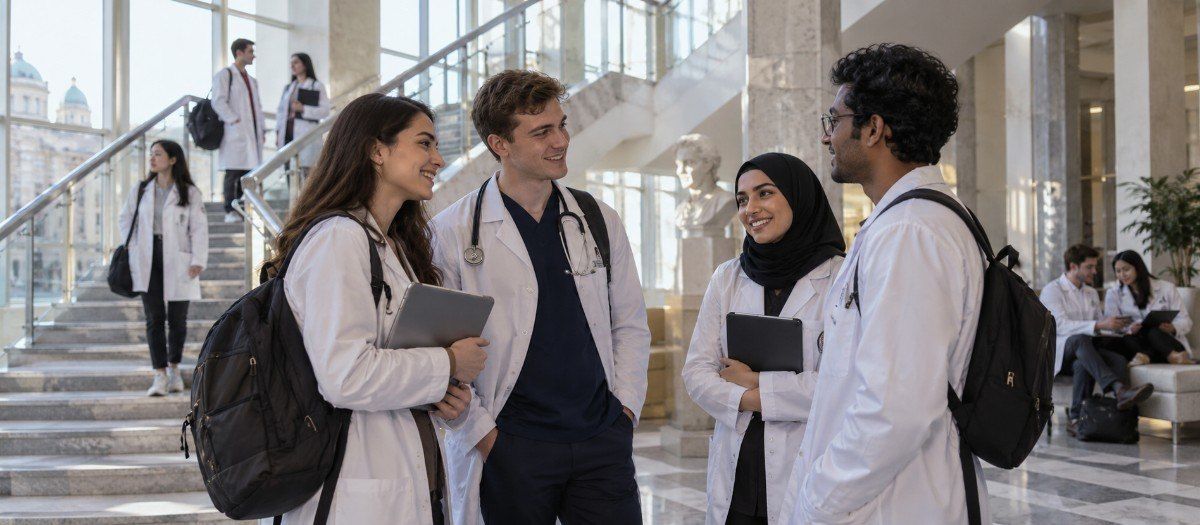
Strong Indian community with cultural events, festival celebrations, and peer support groups.
Students get hands-on clinical training in government and private hospitals affiliated with the university.
Practical information for students planning to study at MBBS in Tyumen State Medical University.
Prepare for all seasons. Thermal wear for winters, light clothing for summers. University provides heating in hostels.
Student visa processed with university invitation letter. Direct and connecting flights from major Indian cities.
Health insurance included in fees. Medical facility on campus plus city hospitals easily accessible.
Local SIM cards available. WhatsApp and video calls keep you connected with family back home.
Average monthly expenses of $150–$250 covering food, transport, and personal needs.
University library, online databases, and study groups. Seniors mentor juniors through academic challenges.
Our team guides you through every step — from application to arriving on campus.
Shortlist 3–5 NMC-approved universities on fees, city, FMGE reputation, and hostel quality.
Submit the application with academic documents and NEET scorecard.
Receive the Admission/Offer Letter from the university.
Pay the initial tuition instalment via the official channel.
Receive the Invitation Letter, issued by Russia's Ministry of Foreign Affairs — your visa depends on this.
Apply for the Student Visa via Embassy/VFS; realistic processing time is 2–4 weeks.
Arrange winter clothing, travel/health insurance, and a 5–8% currency buffer for ruble fluctuation in the final weeks before travel.
Travel, typically late August to early September.
Complete enrollment, a medical check-up, and hostel allotment on arrival.
Attend orientation; classes begin in the first/second week of September.
Admission Helpline — Contact our counsellors for step-by-step assistance.
“The faculty here is incredibly supportive. The clinical training during hospital rotations has given me real confidence in patient care.”
“Affordable fees without compromising on quality. The campus facilities and hostel life made my transition abroad very smooth.”
“English medium instruction and WHO-recognized curriculum were the deciding factors for me. No regrets so far — excellent experience overall.”
“The university helped with everything from visa to accommodation. Hospital exposure from year three has been invaluable for my FMGE prep.”
“Just cleared my licensing exam on the first attempt. The structured coaching and mock exams during final year were a game-changer.”
“Safe campus, good food options, and a strong Indian student community. The teaching methodology is very practical and hands-on.”
It was founded in 1963 as the Tyumen State Medical Institute, with its first rector, Dr. E.A. Zhukov, serving from 1963 to 1970; it gained full university status in 2015.
It runs six years: five years of academic study plus a compulsory one-year clinical internship, with clinical rotations beginning from Year 4.
Yes, the academic programme is taught in English, with Russian language also taught for clinical patient communication.
TSMU itself does not require NEET, but India's own National Medical Commission requires a valid NEET-UG score for any Indian student studying MBBS abroad, per a 2020 notification.
Reported consistently at approximately USD 4,000 to 5,000 a year, with one source citing USD 4,300 specifically, totalling roughly USD 24,000 to 30,000 over six years, plus separate hostel and insurance fees.
A network of 23 affiliated medical facilities across Tyumen, with rotations beginning from the fourth year of study.
A Russian government initiative TSMU participates in, specifically designed to boost the global competitiveness of the country's leading universities.
The city sits at the point that divides Russia into its European and Asian parts, a specific, genuine geographic claim.
Yes, including FMGE coaching support, an Indian mess available in hostels, and Diwali celebrations held on campus.
Approximately 2,000 international students, out of more than 6,700 total students, drawn from roughly 40 countries including India, Nigeria, and Kazakhstan.
Our expert counsellors will guide you through the complete admission process — from documents to airport pickup.