
Q1. When was Tula State University's Medical Institute established?
+The wider university was founded in 1930; its Medical Faculty was established in 1994, and formally transformed into the Medical Institute in 2008.
 Russia | Est. 2008
Russia | Russia's Ministry of Science and Higher Education; specifically accredited by the Russian Federation, EU, and ERASMUS | English academic programme medium
Expert will call you within 2 hours
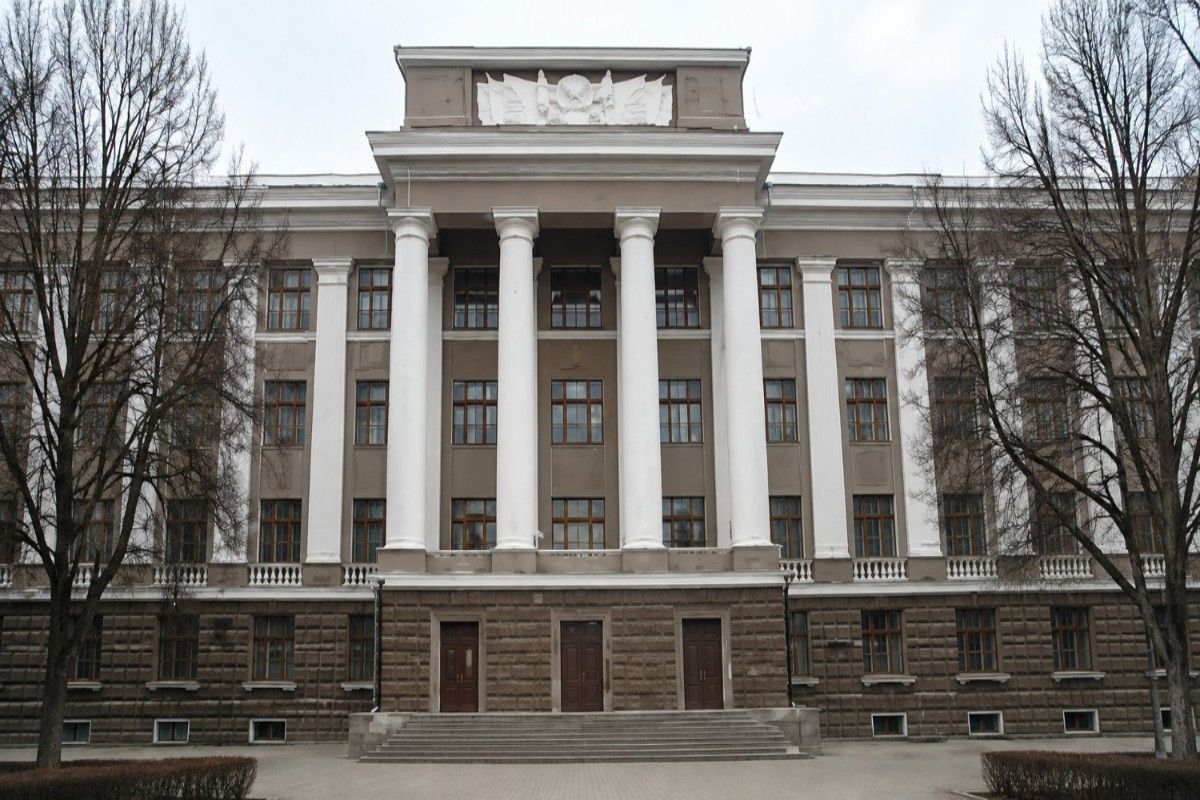
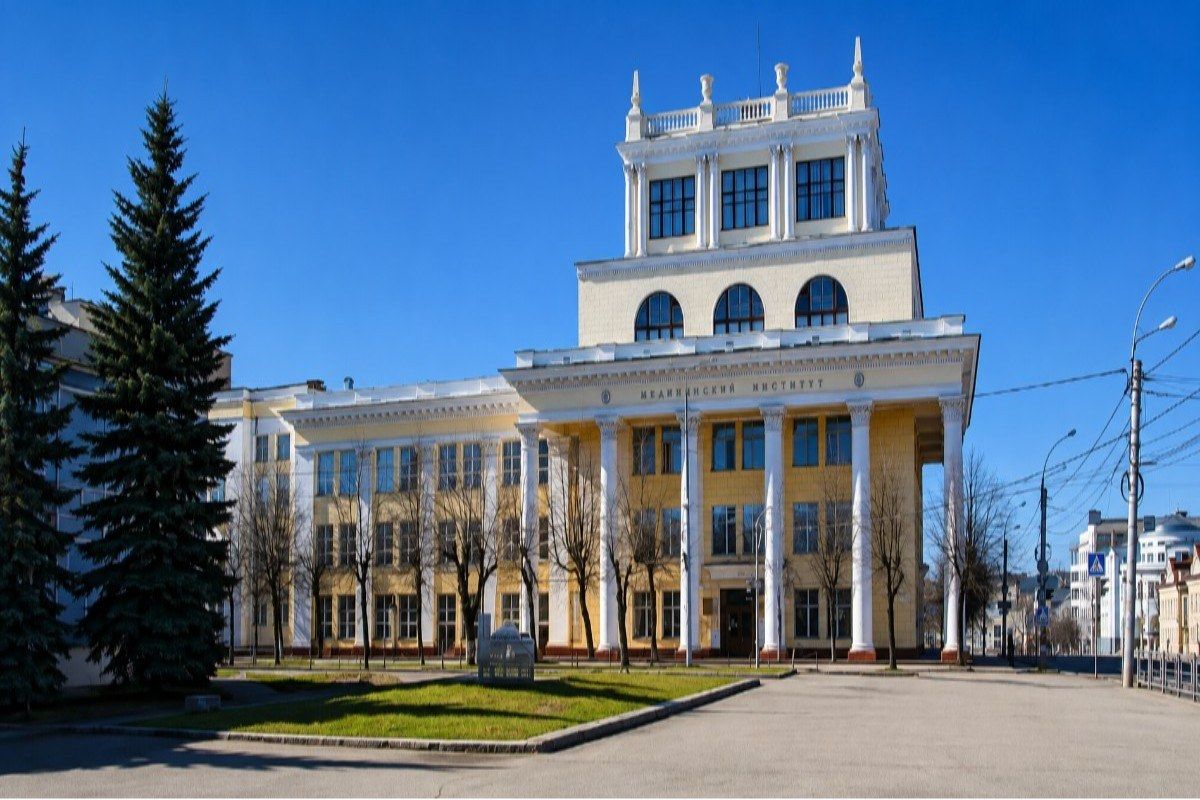
People mostly just call it TSU MI for short. Its own history genuinely spans three separate, dated stages worth understanding clearly rather than as a single origin story. Tula State University itself was founded in 1930, but medicine was not part of its original design. The Medical Faculty only came into being 64 years later, in 1994. That faculty was then formally transformed into today's Medical Institute in 2008. So, unlike medical schools built with medicine at their historical core, TSU's medical education offering is a considerably later addition to a much older, broader institution.
Here is a fact most guides skip entirely. The wider university maintains genuine international research affiliations with institutions across Great Britain, Germany, the USA, Poland, China, Taiwan, and the Czech Republic, and is specifically accredited by the Russian Federation, the European Union, and the ERASMUS programme. So, TSU's institutional connections reach considerably further than its own domestic Russian accreditation alone, giving it a genuinely broader international academic footprint than some comparably sized Russian universities.
TSU's Medical Institute has become a genuinely popular choice among Indian applicants specifically, drawing students from India, Nepal, the UAE, and across Africa each year. The main intake begins in September, and given the limited number of available seats, early application is genuinely recommended rather than a mere formality. The institution's global standing is reported at approximately 1,251st in the world by one independent source, a figure worth knowing honestly rather than an inflated claim.
Tula sits in central Russia, roughly 200 kilometres south of Moscow, giving students genuine, relatively convenient access to the Russian capital despite studying in a smaller regional city. The city itself is genuinely known for its distinctive culinary traditions, and the university's own materials specifically highlight local dishes like Borscht, Pelmeni, and Blini as part of the cultural experience international students can expect.
Clinical training draws on a genuinely large, integrated network. Students rotate across major Regional and City Hospitals in Tula, with the collective clinical network offering more than 1,000 teaching beds across its various affiliated bases. Tula's own role as a major regional referral centre for the wider Tula Oblast means students are guaranteed exposure to a genuinely high volume and diverse range of clinical pathology, rather than a narrow, limited caseload.
TSU's Doctor of Medicine programme runs six years, including a compulsory one-year clinical internship, taught in English, with clinical practice classes specifically conducted in Russian, a genuinely practical structural choice that ensures graduates can communicate directly with Russian-speaking patients during their hands-on training. Admission requires completion of 12th-grade education with a minimum of 50 percent marks in Physics, Chemistry, and Biology from a recognised board, and a valid, qualifying NEET score, with one detailed source specifically citing minimum NEET cutoffs of 137 for general-category applicants and 108 for reserved categories.
Hostel facilities specifically include a temple, library, gymnasium, and swimming pool, alongside round-the-clock security with wardens, security guards, CCTV cameras, and nearby local police booths. Applicants must be at least 17 years old at the time of admission, with one source specifically noting an upper age range of 25.
NEET remains a genuine requirement for Indian applicants here, exactly as it does for MBBS study in most other countries, and Indian graduates would still need to clear the FMGE or NExT exam to practise medicine back in India.
Tula itself is genuinely one of Russia's most historically significant cities, well known throughout the country for its centuries-old traditions of gunsmithing, samovar-making, and gingerbread baking, giving the city a distinctive cultural identity quite different from Russia's larger, more internationally recognised destinations like Moscow or St. Petersburg. This gives international students a genuinely authentic taste of Russian regional culture during their studies, while still remaining close enough to Moscow for weekend trips or special occasions when needed. The city's own more modest size compared to Russia's largest metropolitan areas also means living costs generally run lower than in the capital itself, a real, practical advantage for cost-conscious students.
The Medical Institute's own strong European accreditation status, combined with its genuinely large clinical training network, gives graduates from Tula a real, documented foundation that extends beyond Russia's own borders, since the university's ERASMUS and EU accreditation status reflects genuine, ongoing academic quality assurance processes rather than a one-time historical designation. This combination of deep clinical exposure and internationally recognised institutional standing gives TSU graduates a genuinely well-rounded credential, whether they eventually choose to practise in Russia, return to their home country, or pursue further training elsewhere.
Fee figures here are reported with genuine consistency across multiple independent sources, and this university publishes a genuinely detailed, itemised fee breakdown beyond tuition alone.
Cost Item | Amount | Notes |
Tuition Fee (reported) | INR 2.8-4.5 lakh/year (approx. USD 3,300-5,300) | Reported consistently across multiple independent sources |
Total Tuition (6 years, based on above range) | Approx. USD 19,800-31,800 | Estimate based on the reported annual range held stable across the programme |
Hostel Fees (Annual) | Approx. USD 300-600/year | Described as highly subsidised residential rent |
Mandatory Medical Insurance | Approx. USD 200-350/year | Required for all international students |
Mandatory Visa/Residency Permit Fee | Approx. USD 100-200/year | An ongoing annual requirement, separate from the initial student visa application |
Total 6-Year Cost (Combined) | Approx. USD 23,400-38,700 | Tuition, hostel, insurance, and visa/residency combined; reported to include no capitation fee |
Note: one detailed source specifically states no capitation fee applies. Tuition itself is described as generally stable, subject only to minor annual revisions set by the government.
Most lists mention TSU MI as just another Russian medical institute. However, they do not explain its genuinely high-volume clinical network, or how precisely its fee structure is actually itemised. The reason is simple. It is about real clinical scale, and real, transparent cost detail.
TSU MI is not like most other Russian medical institutes when it comes to clinical training scale. In fact, its own clinical network specifically offers more than 1,000 teaching beds across integrated regional and city hospitals. Furthermore, Tula's own role as a major referral centre for the wider Oblast guarantees genuinely diverse patient exposure. As a result, students here train within a real, documented high-volume clinical environment, not a narrow, single-site placement.
The fee structure also matters more than most guides let on. For example, most guides for Russian medical institutes describe costs only in vague, bundled terms. TSU MI's own reported fee breakdown is genuinely specific, with separate figures for tuition, hostel, mandatory insurance, and visa/residency fees, alongside an explicit statement that no capitation fee applies. Moreover, applicants get a genuinely transparent, line-by-line cost picture here, not a single rounded estimate.
One thing most other blogs miss is the specific NEET cutoff figures reported for this institute. In addition to standard eligibility criteria, one detailed source cites minimum NEET cutoffs of 137 for general-category applicants and 108 for reserved categories, specific to TSU. Since this level of specificity is genuinely rarer than at some comparable Russian universities, applicants get a clearer benchmark for their own NEET score before applying.
No hidden charges, no donation. The full picture of costs at MBBS in Tula State University Medical Institute.
Tuition Fee
INR 2.8-4.5 lakh/year (approx. USD 3,300-5,300); no capitation fee
INR 2.8-4.5 lakh/year, approx. USD 3,300-5,300
Hostel Fee
$300 USD / 18,000 RUB
Approx. USD 300-600/year, described as highly subsidised
Food & Meals
$80 to $120 per month
per month
Insurance
Approx. USD 200-350/year
per year
Donation
No donation
No hidden fee
Total Estimated Cost
Approx. USD 23,400-38,700, tuition, hostel, insurance, and visa combined; no capitation fee
6 year
25–35%
Average FMGE first-attempt pass rates for students from many overseas medical universities. Students from structured programs consistently score higher.
Students returning to India need to clear the FMGE/NExT exam. MBBS in Tula State University Medical Institute integrates exam-oriented coaching into the regular curriculum so students are prepared from day one.
A structured program that takes you from foundational sciences to clinical mastery.
● In addition, this stage builds the scientific foundation for everything that follows
● First, Anatomy, Physiology, and Biochemistry are taught using modern laboratories, digital libraries, and well-equipped classrooms
● Furthermore, this stage draws on the university's international research affiliations
● Next, Pathology, Microbiology, and Pharmacology build the diagnostic and population-health foundation needed for clinical training
● Moreover, this stage draws on 1,000+ teaching beds and Tula's role as a major regional referral centre
● Then, Medicine, Surgery, and allied clinical subjects run through hands-on training across Tula's Regional and City Hospitals
Specialized clinical postings across departments with case presentations.
● Also, interns rotate through major hospital departments before receiving the final degree and practising licence
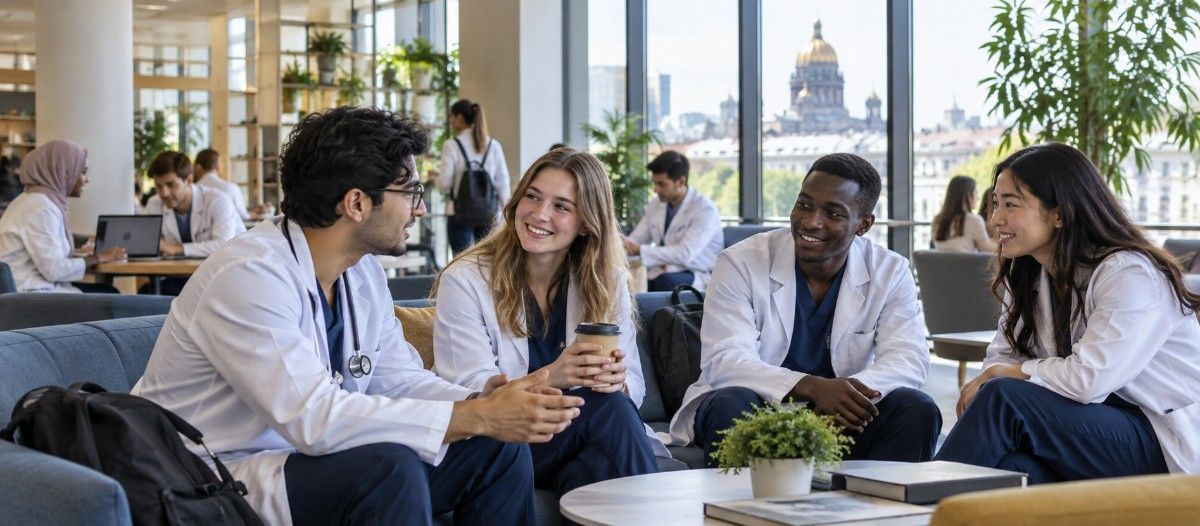
Furnished hostel rooms with Wi-Fi, laundry, 24/7 security, and Indian mess on or near campus.
Indian restaurants and mess facilities serving vegetarian and non-vegetarian home-style food daily.
Strong Indian community with cultural events, festival celebrations, and peer support groups.
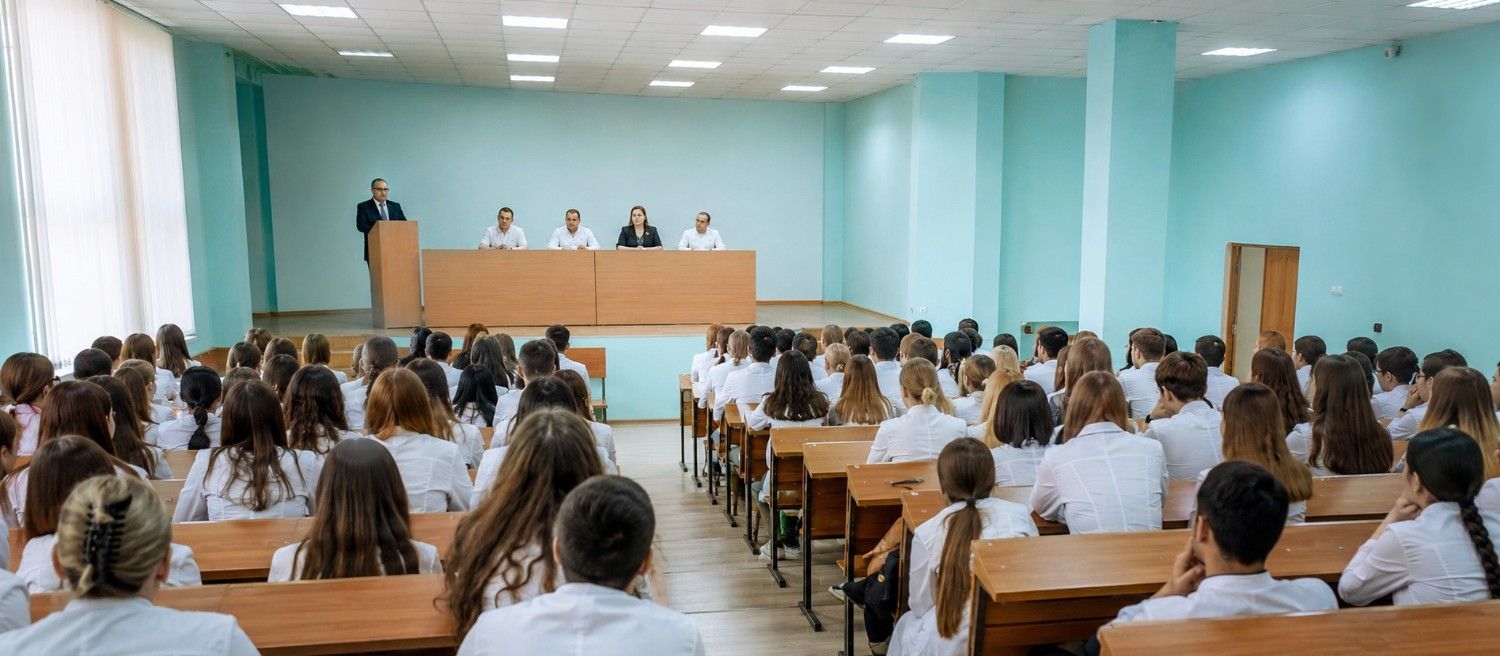
Students get hands-on clinical training in government and private hospitals affiliated with the university.
Practical information for students planning to study at MBBS in Tula State University Medical Institute.
Prepare for all seasons. Thermal wear for winters, light clothing for summers. University provides heating in hostels.
Student visa processed with university invitation letter. Direct and connecting flights from major Indian cities.
Health insurance included in fees. Medical facility on campus plus city hospitals easily accessible.
Local SIM cards available. WhatsApp and video calls keep you connected with family back home.
Average monthly expenses of $150–$250 covering food, transport, and personal needs.
University library, online databases, and study groups. Seniors mentor juniors through academic challenges.
Our team guides you through every step — from application to arriving on campus.
Shortlist 3–5 NMC-approved universities on fees, city, FMGE reputation, and hostel quality.
Submit the application with academic documents and NEET scorecard.
Receive the Admission/Offer Letter from the university.
Pay the initial tuition instalment via the official channel.
Receive the Invitation Letter, issued by Russia's Ministry of Foreign Affairs — your visa depends on this.
Apply for the Student Visa via Embassy/VFS; realistic processing time is 2–4 weeks.
Arrange winter clothing, travel/health insurance, and a 5–8% currency buffer for ruble fluctuation in the final weeks before travel.
Travel, typically late August to early September.
Complete enrollment, a medical check-up, and hostel allotment on arrival.
Attend orientation; classes begin in the first/second week of September.
Admission Helpline — Contact our counsellors for step-by-step assistance.
“The faculty here is incredibly supportive. The clinical training during hospital rotations has given me real confidence in patient care.”
“Affordable fees without compromising on quality. The campus facilities and hostel life made my transition abroad very smooth.”
“English medium instruction and WHO-recognized curriculum were the deciding factors for me. No regrets so far — excellent experience overall.”
“The university helped with everything from visa to accommodation. Hospital exposure from year three has been invaluable for my FMGE prep.”
“Just cleared my licensing exam on the first attempt. The structured coaching and mock exams during final year were a game-changer.”
“Safe campus, good food options, and a strong Indian student community. The teaching methodology is very practical and hands-on.”
The wider university was founded in 1930; its Medical Faculty was established in 1994, and formally transformed into the Medical Institute in 2008.
It runs six years: five years of academic study plus a compulsory one-year clinical internship.
Yes, the academic programme is taught in English, though clinical practice classes are conducted in Russian.
Yes, a valid, qualifying NEET score is required, with one source citing minimum cutoffs of 137 (general) and 108 (reserved categories).
Reported at approximately INR 2.8 to 4.5 lakh a year (roughly USD 3,300 to 5,300), totalling roughly USD 19,800 to 31,800 in tuition over six years, plus separate hostel, insurance, and visa/residency fees.
Major Regional and City Hospitals in Tula, offering more than 1,000 teaching beds across the collective clinical network.
One detailed source explicitly states no capitation, or non-refundable development, fee applies at TSU's Medical Institute.
In central Russia, roughly 200 kilometres south of Moscow, keeping the capital within reasonably convenient reach.
A temple, library, gymnasium, and swimming pool, alongside round-the-clock security with wardens, guards, and CCTV cameras.
The university is specifically accredited by the Russian Federation, the European Union, and the ERASMUS programme.
Our expert counsellors will guide you through the complete admission process — from documents to airport pickup.