
Q1 When was Surgut State University established?
+It was established on 26 May 1993, jointly by Surgut's city and regional administrations alongside two regional governors; the Institute of Medicine began training students in 1994.
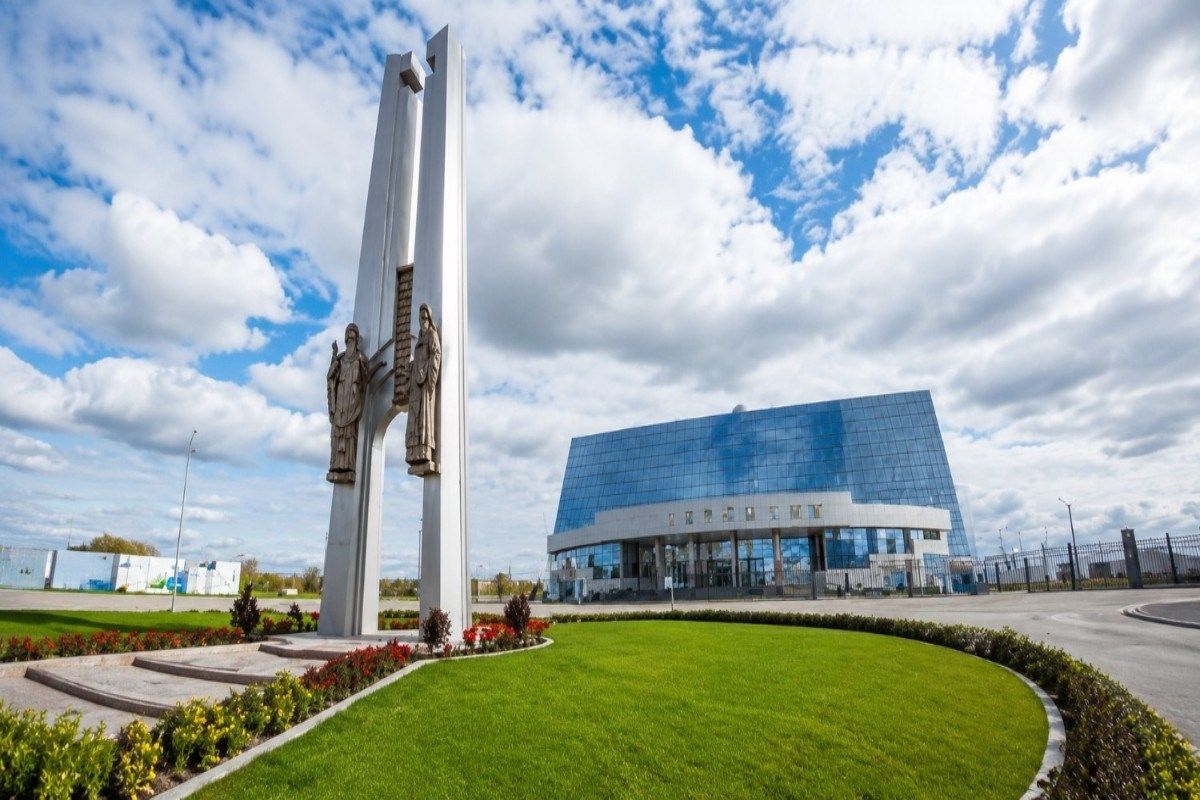
 Russia | Est. 1994
Russia | Russia's Ministry of Science and Higher Education; some sources describe additional NMC (India) recognition | English medium
Expert will call you within 2 hours
People mostly just call it SurGU for short. It carries a genuinely specific, multi-stakeholder founding story worth understanding in full. The university was established on 26 May 1993, not through a single government ministry's decision, but on the joint initiative of the Surgut City and Surgut Region administrations, together with the Governors of both Khanty-Mansi Autonomous Okrug-Ugra and Tyumen Region. So, this university's very creation reflects a genuinely collaborative regional effort, involving multiple layers of Russian local and regional government at once.
Here is a fact most guides skip entirely. The university's founder and first rector, Georgiy Ivanovich Nazin, is specifically credited with turning SurGU into the first classical university in the whole of Ugra, and with establishing it as the educational and cultural centre of Surgut and the surrounding region more broadly. The university's current rector, Professor Sergey Mikhailovich Kosenok, holds a Doctor of Education degree and the title Honoured Educator of Russia. So, this university's leadership, both founding and current, is genuinely named and credentialed, not anonymous.
Medical training specifically began a year after the wider university's own founding, starting in 1994. Over roughly twenty-five years, the Institute of Medicine reports having produced around 1,500 graduates now working in Russia and internationally. SurGU today comprises six institutes in total and teaches more than 9,000 students, including a reported 1,030 international students, a genuinely substantial international presence for a university based in this part of Western Siberia.
A genuinely distinctive feature worth knowing is how deeply integrated SurGU's medical training is within the wider region's own healthcare and education infrastructure. The Institute of Medicine operates as part of an educational, research, and biomedical cluster specific to Khanty-Mansi Autonomous Okrug-Ugra, working alongside the region's own Department of Healthcare and Department of Education and Youth Policy, using genuine university clinical bases embedded within this regional system. The university describes having fully implemented a concept of continuous medical education, running from pre-university preparation through a dedicated "Young Medic" school, through medical college, specialty training, internship, residency, fellowship, and postgraduate study, a genuinely comprehensive, structured educational pathway model.
Surgut sits in Khanty-Mansi Autonomous Okrug-Ugra, in Western Siberia, a genuinely more remote Russian region than many of the country's better-known southern or western cities. Surgut International Airport is located near the university itself, giving students genuinely convenient air travel access despite the region's more northern, remote setting. Clinical training runs through university clinical bases integrated within the region's own biomedical cluster, alongside the Institute's own scientific and educational Centre of molecular genetic research and biotechnology transfer, which includes laboratories for genomic and postgenomic technologies, mass spectrometry, cell technologies, and multiphoton microscopy.
SurGU's Doctor of Medicine programme runs 72 months, six years, split into five years of academic study and a compulsory one-year clinical internship, taught in English. Admission requires completion of 10+2 with Physics, Chemistry, and Biology, with reported minimum academic thresholds varying slightly across sources, generally cited at 50 percent from a recognised board, though one source specifically cites a 65 percent minimum, so applicants should confirm the exact current requirement directly. A valid, qualifying NEET score is required for Indian applicants, and students must have reached the age of 17 by 31 December of their admission year. No separate university entrance exam applies, and IELTS or TOEFL is not required for the English-medium track specifically.
NEET remains a genuine requirement for Indian applicants here, exactly as it does for MBBS study in most other countries, and Indian graduates would still need to clear the FMGE or NExT exam to practise medicine back in India.
Surgut itself is a genuinely important city within Russia's own oil and gas industry, serving as a major economic centre for the wider Khanty-Mansi Autonomous Okrug-Ugra region. This gives the city a genuinely modern, well-resourced infrastructure despite its more remote, northern location, reflecting the considerable economic activity concentrated in this part of Western Siberia. Students at SurGU benefit from this regional economic strength, since it supports genuine investment in the university's own facilities, research infrastructure, and wider campus development, distinguishing Surgut from some other remote Russian regional cities that lack this same level of economic backing.
The Institute of Medicine's own close ties to the region's Department of Healthcare also mean students here train within a system genuinely designed to keep graduates working locally after they finish their studies, addressing real, documented healthcare staffing needs specific to this part of Western Siberia. This regional focus, combined with the Institute's genuinely comprehensive continuous education pathway, gives students a clear sense of how their own training connects directly to real, ongoing regional healthcare priorities, rather than a generic medical education disconnected from any specific local context.
Fee figures here genuinely vary somewhat across sources, worth setting out honestly rather than presenting a single confident number.
Cost Item | Amount | Notes |
Tuition Fee (reported estimate) | Approx. USD 4,000/year | Reported by an independent education source; treat as an estimate pending direct confirmation |
Tuition Fee (alternate reported figure, Year 1) | Approx. RUB 246,400 (approx. INR 248,864) | Reported by a separate source specifically for first-year undergraduate tuition |
Total MBBS Tuition (reported, alternate figure) | Approx. INR 3,05,536 | Reported by a different source; genuinely unclear whether this is annual or a partial-year figure |
Hostel/Accommodation | Approx. USD 400/year | Basic hostel amenities include electricity, heating, and internet access |
Scholarships | Available, based on academic merit | Reported to cover a percentage of tuition fees for qualifying international students, including Indian applicants |
Total 6-Year Estimate | — | Approx. USD 26,400, tuition and hostel combined (based on the USD 4,000/year estimate); confirm directly given genuine source variation |
Note: no capitation fee is confirmed at any stage. Given the genuine variation across reported figures, request SurGU's own current, official fee schedule directly before finalising a budget.
Most lists mention SurGU as just another Russian medical institute. However, they do not explain its genuinely collaborative founding story, or its unusually comprehensive medical education pathway. The reason is simple. It is about a real, multi-government founding, and a genuinely structured educational pipeline.
SurGU is not like most other Russian state universities when it comes to its own founding story. In fact, its founding traces to a documented joint initiative involving Surgut's own city and regional administrations, alongside two separate regional governors. Furthermore, this is a genuinely more collaborative regional creation story than the typical single-authority founding narrative. As a result, applicants get a genuinely more specific origin story here, tied directly to real, named regional institutions.
The continuous medical education model also matters more than most guides let on. For example, most guides describe medical training as a single, standalone programme. SurGU's Institute of Medicine explicitly runs a continuous education pathway starting with a dedicated pre-university "Young Medic" school, continuing through medical college, specialty training, internship, residency, fellowship, and postgraduate study. Moreover, this represents a genuinely structured, comprehensive educational pipeline, not an isolated six-year programme alone.
One thing most other blogs miss is how genuinely research-active this institute actually is for its size. In addition to standard medical teaching, SurGU maintains laboratories for genomic and postgenomic technologies, mass spectrometry, cell technologies, and multiphoton microscopy. Since this level of research infrastructure is genuinely uncommon at a university this size and this remote, students here get real exposure to advanced research techniques most comparable institutes cannot offer.
No hidden charges, no donation. The full picture of costs at MBBS in Surgut State University Institute of Medicine.
Tuition Fee
Approx. USD 4,000/year, per one reported estimate; no capitation fee
Approx. USD 4,000/year (reported estimate; genuine variation across sources)
Hostel Fee
Approx. USD 400/year
Approx. USD 400/year
Food & Meals
$3,000 per year
per year
Insurance
5,500 ₽
/year
Donation
No donation
No hidden fee
Total Estimated Cost
Approx. USD 26,400, tuition and hostel combined; confirm directly given source variation
6 year
25–35%
Average FMGE first-attempt pass rates for students from many overseas medical universities. Students from structured programs consistently score higher.
Students returning to India need to clear the FMGE/NExT exam. MBBS in Surgut State University Institute of Medicine integrates exam-oriented coaching into the regular curriculum so students are prepared from day one.
A structured program that takes you from foundational sciences to clinical mastery.
● In addition, this stage builds the scientific foundation for everything that follows
● First, Anatomy, Physiology, and Biochemistry build toward the Institute's own continuous medical education pathway model
● Furthermore, this stage builds the diagnostic foundation needed for clinical training
● Next, Pathology, Microbiology, and Pharmacology draw on the Institute's genomic and mass spectrometry research laboratories
● Moreover, this stage runs in close coordination with the region's own Department of Healthcare
● Then, Medicine, Surgery, and allied clinical subjects run through university clinical bases within the regional biomedical cluster
● Also, interns progress toward residency, fellowship, or postgraduate study within the Institute's continuous education model
● Finally, a one-year internship follows the five years of academic study, matching the standard Russian medical education pattern
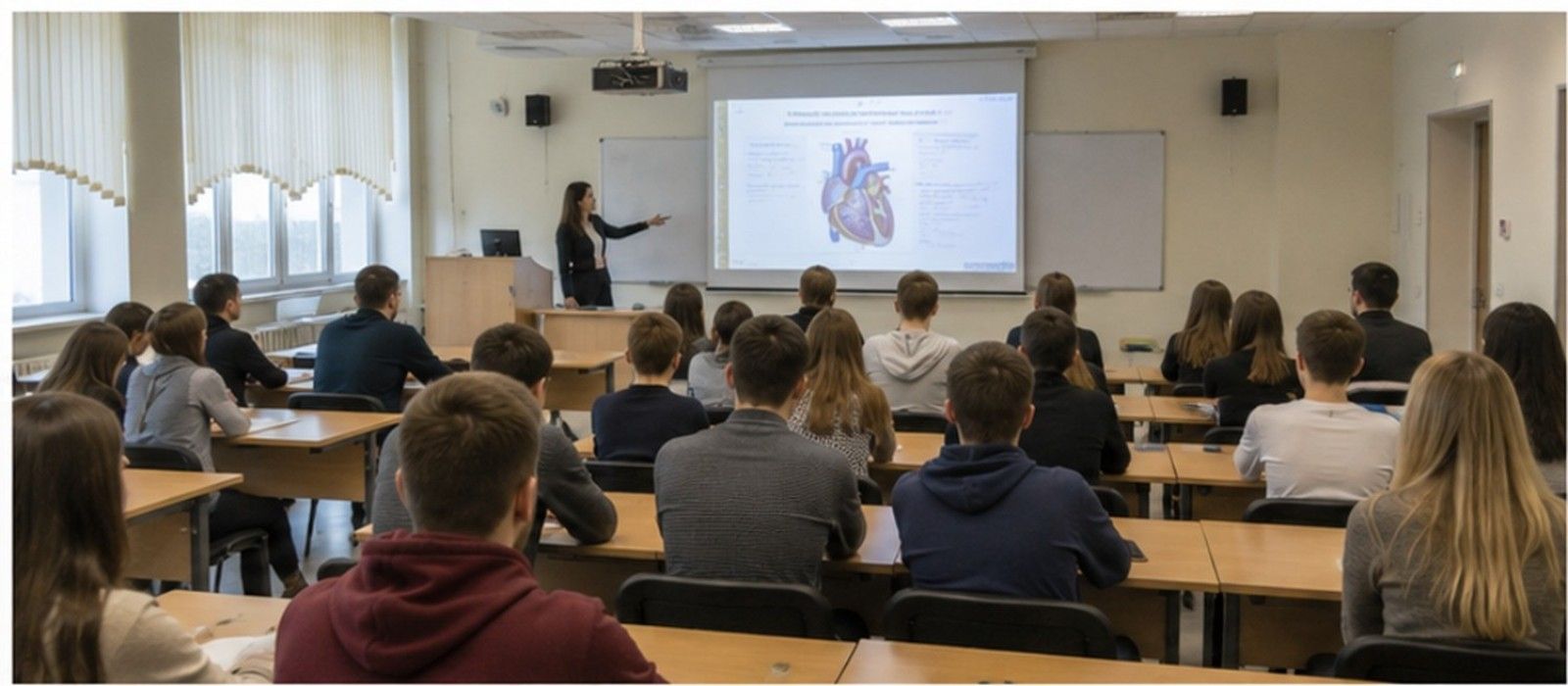
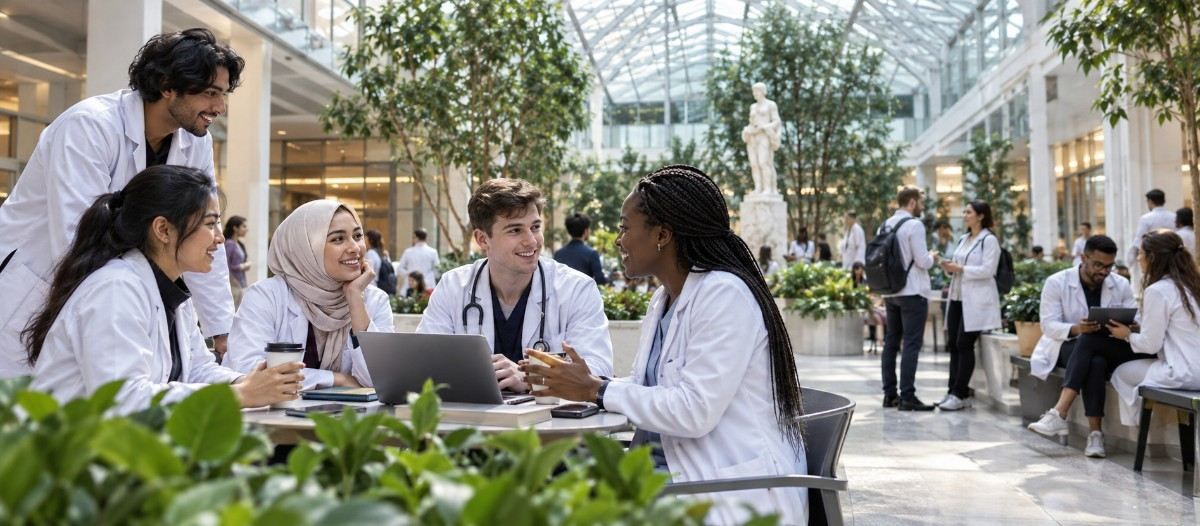
Furnished hostel rooms with Wi-Fi, laundry, 24/7 security, and Indian mess on or near campus.
Indian restaurants and mess facilities serving vegetarian and non-vegetarian home-style food daily.
Strong Indian community with cultural events, festival celebrations, and peer support groups.
Students get hands-on clinical training in government and private hospitals affiliated with the university.
Practical information for students planning to study at MBBS in Surgut State University Institute of Medicine.
Prepare for all seasons. Thermal wear for winters, light clothing for summers. University provides heating in hostels.
Student visa processed with university invitation letter. Direct and connecting flights from major Indian cities.
Health insurance included in fees. Medical facility on campus plus city hospitals easily accessible.
Local SIM cards available. WhatsApp and video calls keep you connected with family back home.
Average monthly expenses of $150–$250 covering food, transport, and personal needs.
University library, online databases, and study groups. Seniors mentor juniors through academic challenges.
Our team guides you through every step — from application to arriving on campus.
Shortlist 3–5 NMC-approved universities on fees, city, FMGE reputation, and hostel quality.
Submit the application with academic documents and NEET scorecard.
Receive the Admission/Offer Letter from the university.
Pay the initial tuition instalment via the official channel.
Receive the Invitation Letter, issued by Russia's Ministry of Foreign Affairs — your visa depends on this.
Apply for the Student Visa via Embassy/VFS; realistic processing time is 2–4 weeks.
Arrange winter clothing, travel/health insurance, and a 5–8% currency buffer for ruble fluctuation in the final weeks before travel.
Travel, typically late August to early September.
Complete enrollment, a medical check-up, and hostel allotment on arrival.
Attend orientation; classes begin in the first/second week of September.
Admission Helpline — Contact our counsellors for step-by-step assistance.
“The faculty here is incredibly supportive. The clinical training during hospital rotations has given me real confidence in patient care.”
“Affordable fees without compromising on quality. The campus facilities and hostel life made my transition abroad very smooth.”
“English medium instruction and WHO-recognized curriculum were the deciding factors for me. No regrets so far — excellent experience overall.”
“The university helped with everything from visa to accommodation. Hospital exposure from year three has been invaluable for my FMGE prep.”
“Just cleared my licensing exam on the first attempt. The structured coaching and mock exams during final year were a game-changer.”
“Safe campus, good food options, and a strong Indian student community. The teaching methodology is very practical and hands-on.”
It was established on 26 May 1993, jointly by Surgut's city and regional administrations alongside two regional governors; the Institute of Medicine began training students in 1994.
It runs 72 months, six years: five years of academic study plus a compulsory one-year clinical internship.
Yes, the entire MBBS programme is taught in English, and IELTS or TOEFL is not required for this track.
Yes, a valid, qualifying NEET score is required for Indian applicants under NMC guidelines.
Reports genuinely vary: one source cites approximately USD 4,000 a year, while others report different rupee-denominated figures that don't cleanly reconcile; confirm the exact current rate directly.
University clinical bases integrated within Khanty-Mansi Autonomous Okrug-Ugra's own regional educational, research, and biomedical cluster.
In Khanty-Mansi Autonomous Okrug-Ugra, in Western Siberia, Russia, served by a nearby international airport.
Georgiy Ivanovich Nazin, its first rector, credited with establishing it as the first classical university in Ugra.
Yes, merit-based scholarships covering a percentage of tuition are reported as available for qualifying international students, including Indian applicants.
A structured pathway running from a pre-university "Young Medic" school through medical college, specialty training, internship, residency, fellowship, and postgraduate study.
Our expert counsellors will guide you through the complete admission process — from documents to airport pickup.