
Q1. When was Stavropol State Medical University established?
+It was organised in 1937 as the Voroshilov State Medical Institute, reflecting the city's own Soviet-era name, and began teaching its first medical class in 1938.
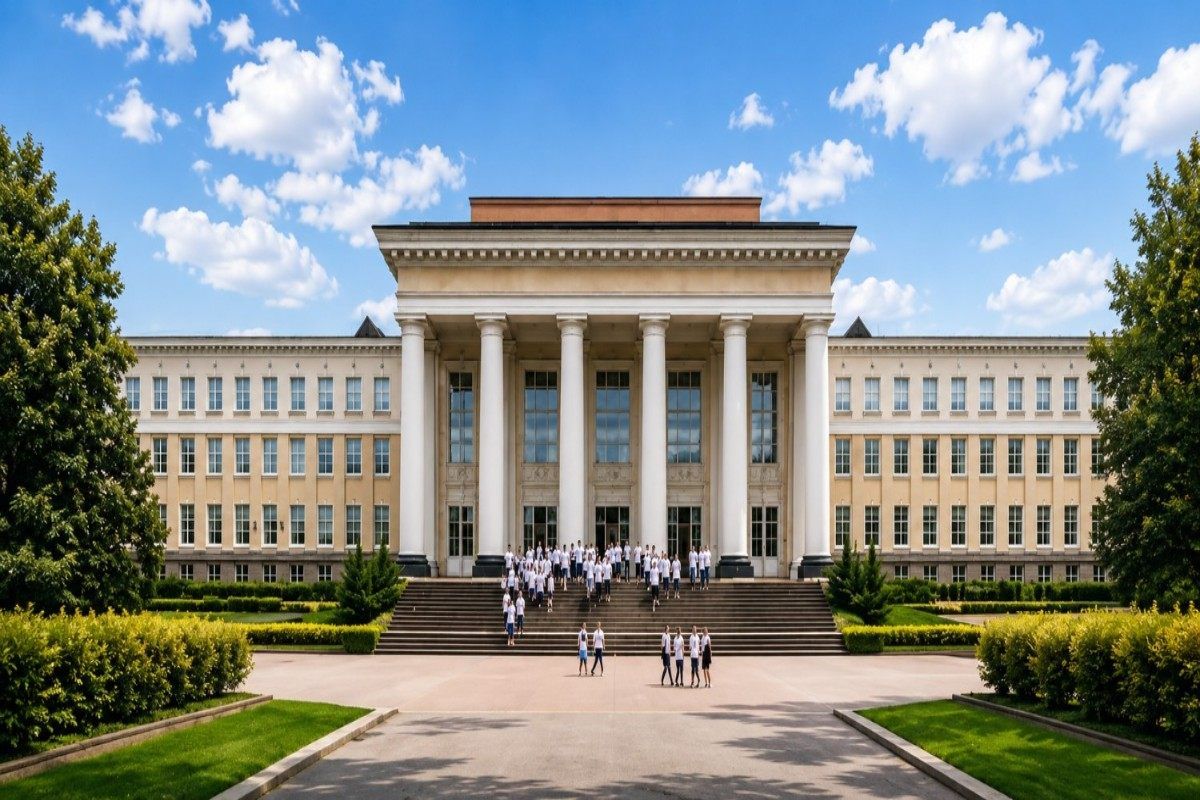
 Russia | Est. 1938
Russia | Russia's Ministry of Science and Higher Education | Available in both Russian and English medium
Expert will call you within 2 hours
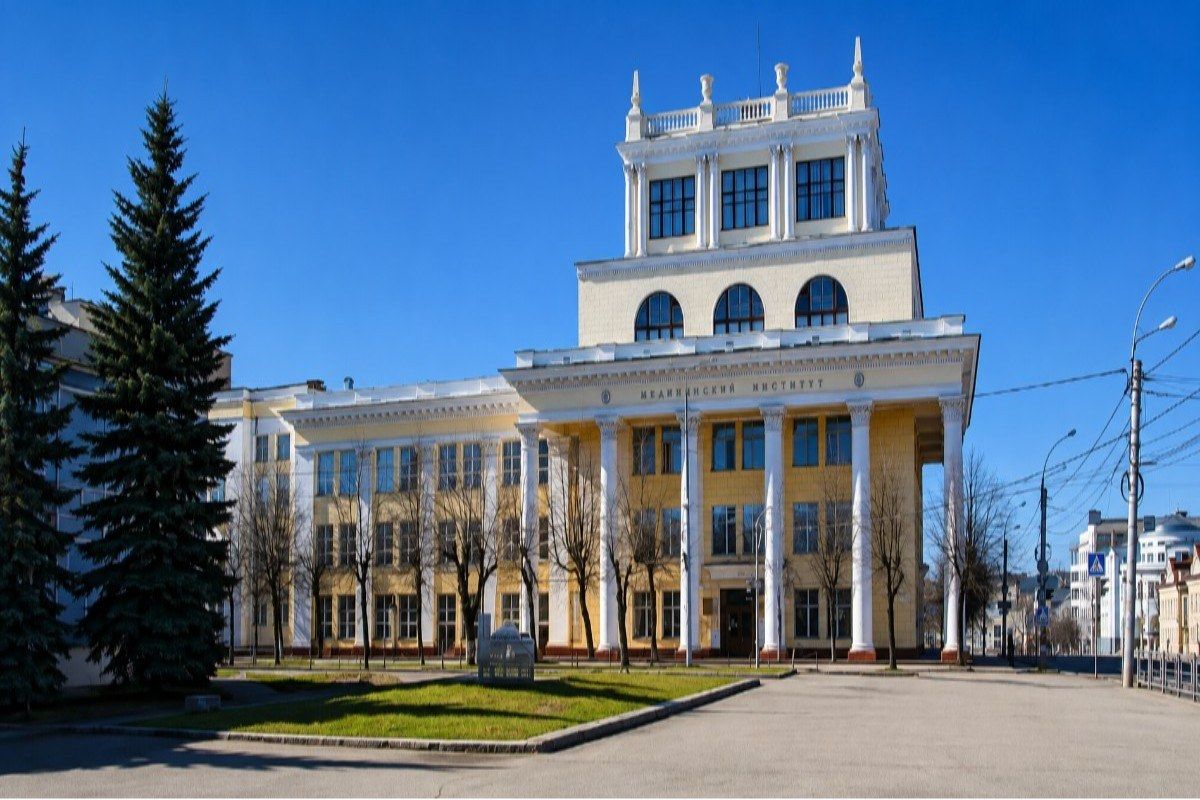
People mostly just call it StSMU for short. Its own founding story is worth tracing precisely rather than reducing to a single date, since two genuinely specific, dated milestones sit right at its origin. The institute was organised in 1937 as the Voroshilov State Medical Institute, a name that reflects the city of Stavropol's own Soviet-era identity at the time, since the city itself was renamed Voroshilovsk from 1935 to 1943, in honour of the Soviet military commander and politician Kliment Voroshilov. The institute then began teaching its very first medical faculty class in 1938, the following year. So, this university's own name once carried the same political naming convention as the city hosting it, a genuinely specific historical detail worth knowing.
Here is a fact most guides skip entirely. Stavropol itself, the city hosting this university, was originally founded considerably earlier still, in 1777, as a fortress, giving the wider urban setting a genuinely deep history stretching back well over two centuries before the medical institute's own 1937 to 1938 founding. So, students studying here are based in a city with real, documented roots reaching back to the late eighteenth century, even though the university itself is a twentieth-century institution.
StSMU is described as one of only twelve Russian medical universities specifically accredited to prepare students from India, a genuinely specific, verifiable distinction rather than a general claim of Indian-student popularity. The university operates under the motto "Doctor is our profession, medicine is our vocation," a genuinely specific, quoted institutional statement rather than a generic mission slogan. Since its founding, StSMU reports having trained thousands of highly skilled specialists now working across the world. This specific, twelve-university accreditation status reflects a real, formal review process on the Indian regulatory side, not simply a marketing claim made by the university itself, giving Indian applicants a genuine, independently confirmed reason to consider StSMU alongside other, better-known Russian medical universities.
Stavropol sits in southern Russia, near the Caucasus mountains, giving the city a genuinely warmer climate than much of the rest of the country, a detail worth knowing for applicants weighing different Russian regions against one another. The city is described as offering a safe, welcoming environment for international students, with affordable accommodation, food, and transportation.
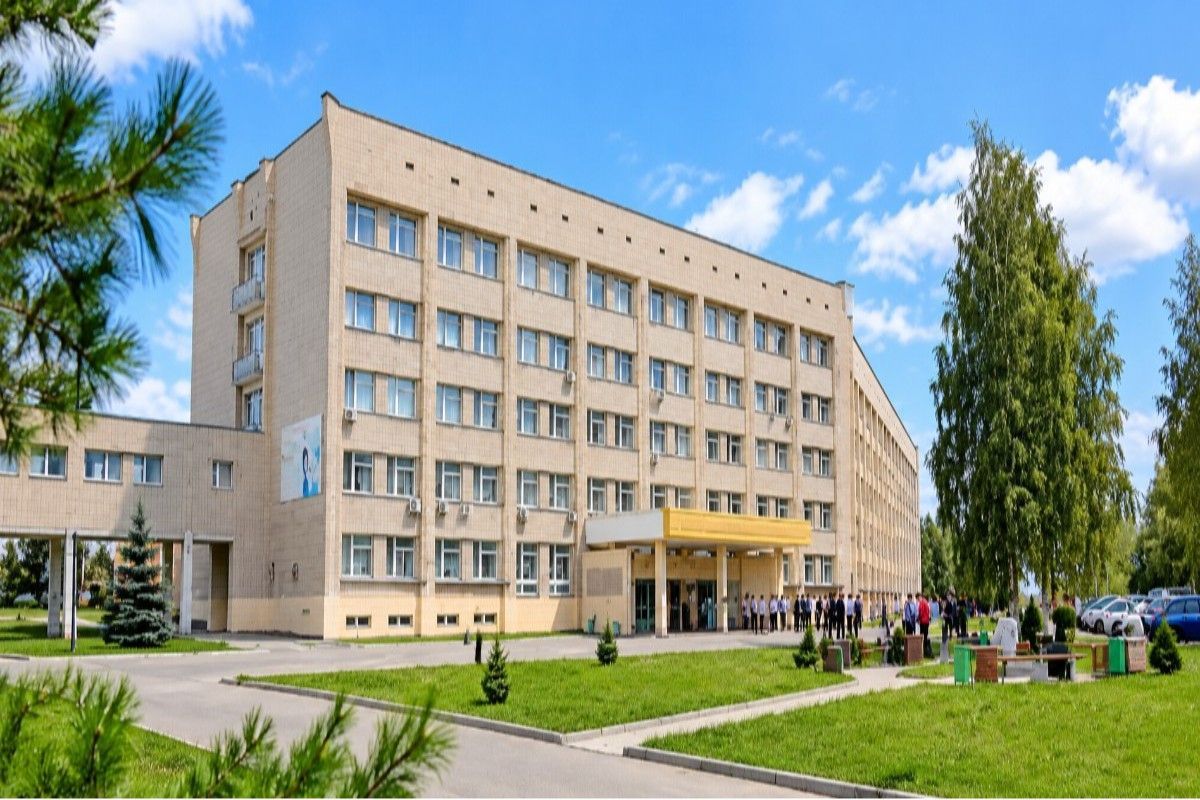
Clinical training runs through affiliated hospitals across Stavropol, giving students hands-on exposure to real clinical settings throughout their programme. The university also offers students opportunities to engage in research activities, meet with clinical scientists, and visit the university's own departments and museums as part of their wider academic experience. This blend of formal clinical training with broader academic and cultural engagement gives students a genuinely well-rounded university experience, not simply a narrow, purely exam-focused path through medical school.
StSMU's Doctor of Medicine programme runs six years, including a compulsory one-year clinical internship, available in both Russian and English, a genuine structural choice not every Russian medical university offers at this scale. Admission requires completion of higher secondary education with Physics, Chemistry, Biology, and English, a minimum of 50 percent marks in PCB subjects for general-category applicants or 40 percent for reserved categories, and a minimum age of 17 at the time of admission.
One detailed source specifically states that no donation fee or additional charge applies at StSMU, a genuinely reassuring, specific point for cost-conscious applicants wary of hidden costs at some medical universities abroad.
Stavropol itself offers a genuinely different experience from Russia's larger, colder cities, since its location near the Caucasus foothills gives it a climate considerably milder than Moscow, St. Petersburg, or many of the Siberian cities covered elsewhere in guides like this one. This warmer setting, combined with the city's own affordable cost of living, makes StSMU a genuinely attractive option for applicants specifically looking to avoid Russia's harsher winter climates while still studying medicine within the country's well-established public university system.
The university's own regional healthcare role also gives students genuine, practical exposure to the specific medical needs of southern Russia's population, a region with its own distinct demographic and health profile compared to Russia's larger northern and central cities. Students training here gain direct experience treating patients within this specific regional context, building clinical skills that are genuinely transferable to medical practice in comparable warm-climate, semi-rural healthcare settings elsewhere in the world, not just within Russia itself.
NEET remains a genuine requirement for Indian applicants here, exactly as it does for MBBS study in most other countries, and Indian graduates would still need to clear the FMGE or NExT exam to practise medicine back in India.
Fee figures here genuinely require careful, year-by-year handling, since tuition here is documented as rising annually rather than staying fixed. The real, compounded totals are shown below, not just the Year 1 rate.
Cost Item | Amount | Notes |
Tuition Fee (Year 1) | USD 5,000 | Reported consistently across multiple independent sources as the base rate |
Tuition Fee (Years 2-6, with typical 8-12% annual increase) | Rising to over USD 8,000 by Year 6 | Depends on the exact annual rate applied year to year |
Hostel Fees (with typical 5-7% annual increase) | Not consistently published as a base figure | Rises annually, reflecting rising utility costs |
Annual Tuition Increase (typical) | 8-12%/year | Standard inflation-linked increase applied to tuition |
Annual Hostel Fee Increase (typical) | 5-7%/year | Reflects rising costs for electricity, gas, water, and heating |
Total 6-Year Estimate | — | Approx. USD 33,000-40,000+, tuition only, accounting for typical annual increases |
Note: no donation fee or additional charge is reported. Confirm the current, exact figures and expected annual increases directly with StSMU before finalising a six-year budget.
Most lists mention StSMU as just another Russian medical university. However, they do not explain its own name's real history, or how transparently its fee increases are actually documented. The reason is simple. It is about a name once tied to the city's own Soviet-era identity, and a genuinely realistic six-year cost picture.
StSMU is not like most other Russian medical universities when it comes to its own naming history. In fact, it was genuinely organised as the Voroshilov State Medical Institute in 1937, directly mirroring Stavropol's own Soviet-era name, Voroshilovsk, in place from 1935 to 1943. Furthermore, this university's original name carries a real, specific, and now largely forgotten piece of regional Soviet history. As a result, applicants get a genuinely deeper historical picture here than most guides bother to provide.
The documented annual fee increase also matters more than most guides let on. For example, most guides quote a single tuition figure and imply it stays fixed across all six years. StSMU-focused sources specifically document expected annual increases, roughly 8 to 12 percent for tuition and 5 to 7 percent for hostel fees, tied to genuine inflation and rising utility costs. Moreover, applicants here get a genuinely realistic, forward-looking cost picture, not a static single-year estimate presented as if it applies unchanged.
One thing most other blogs miss is how much this annual increase actually adds up to. In addition to the reported USD 5,000 base tuition figure, six years of genuine, documented compounding pushes the real total well above a simple year-one multiplication. Since this pattern is confirmed by a specific, dedicated source rather than a vague general estimate, applicants should budget for meaningfully more than USD 30,000 in tuition alone.
No hidden charges, no donation. The full picture of costs at MBBS in Stavropol State Medical University.
Tuition Fee
USD 5,000 (Year 1), rising 8-12%/year thereafter; no capitation fee
USD 5,000
Hostel Fee
Rising 5-7%/year; base figure not consistently published
Rising 5-7%/year; base figure not consistently published
Food & Meals
$60 to $150 USD
per month
Insurance
₽7,000 to ₽10,000
/year
Donation
No Donation
No Hidden fee
Total Estimated Cost
Approx. USD 33,000-40,000+, tuition only, accounting for annual increases
6 year
25–35%
Average FMGE first-attempt pass rates for students from many overseas medical universities. Students from structured programs consistently score higher.
Students returning to India need to clear the FMGE/NExT exam. MBBS in Stavropol State Medical University integrates exam-oriented coaching into the regular curriculum so students are prepared from day one.
A structured program that takes you from foundational sciences to clinical mastery.
● In addition, this stage builds the base knowledge that all later clinical learning depends on
● First, Anatomy, Physiology, and Biochemistry build the pre-clinical base for the whole course
● Furthermore, this stage draws on the university's own research activities and clinical scientist connections
● Next, Pathology, Microbiology, and Pharmacology link basic disease science with population health
● Moreover, students gain genuinely varied, hands-on exposure to real clinical settings throughout
● Then, Medicine, Surgery, and Obstetrics and Gynaecology run through hands-on training at affiliated Stavropol hospitals
● Also, interns rotate through major hospital departments before receiving the final degree and practising licence
● Finally, a one-year internship follows the five years of academic study, matching the standard Russian medical education pattern
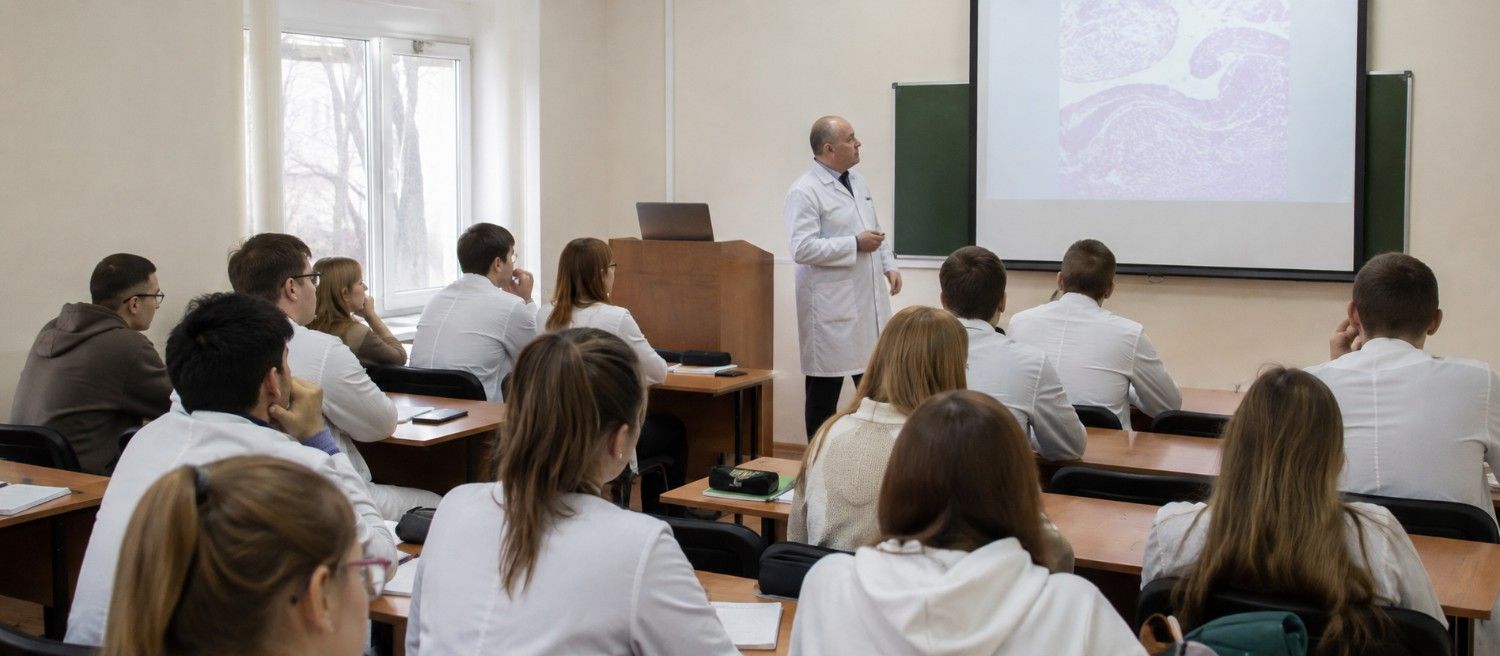
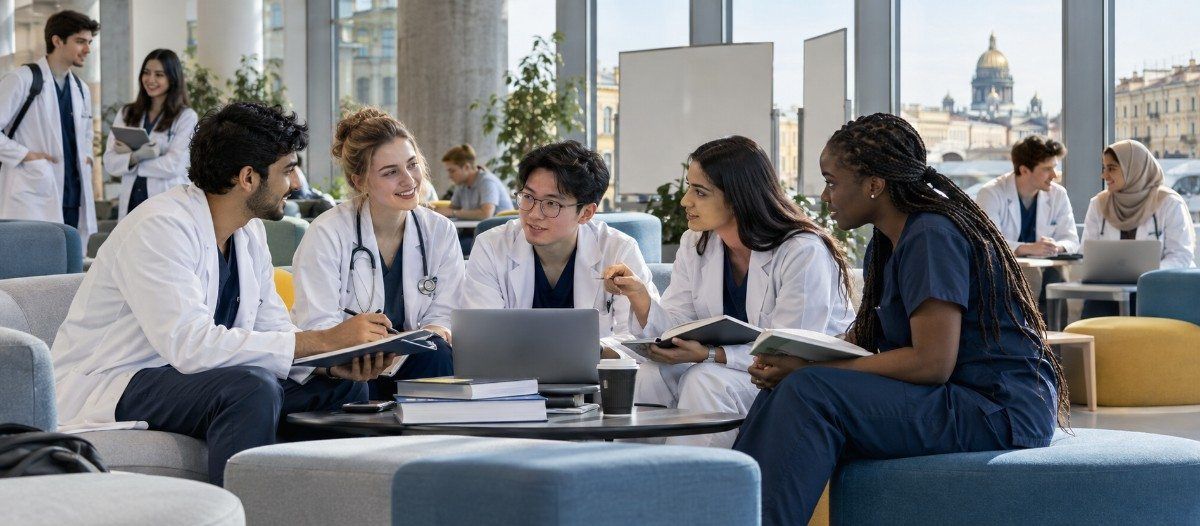
Furnished hostel rooms with Wi-Fi, laundry, 24/7 security, and Indian mess on or near campus.
Indian restaurants and mess facilities serving vegetarian and non-vegetarian home-style food daily.
Strong Indian community with cultural events, festival celebrations, and peer support groups.
Students get hands-on clinical training in government and private hospitals affiliated with the university.
Practical information for students planning to study at MBBS in Stavropol State Medical University.
Prepare for all seasons. Thermal wear for winters, light clothing for summers. University provides heating in hostels.
Student visa processed with university invitation letter. Direct and connecting flights from major Indian cities.
Health insurance included in fees. Medical facility on campus plus city hospitals easily accessible.
Local SIM cards available. WhatsApp and video calls keep you connected with family back home.
Average monthly expenses of $150–$250 covering food, transport, and personal needs.
University library, online databases, and study groups. Seniors mentor juniors through academic challenges.
Our team guides you through every step — from application to arriving on campus.
Shortlist 3–5 NMC-approved universities on fees, city, FMGE reputation, and hostel quality.
Submit the application with academic documents and NEET scorecard.
Receive the Admission/Offer Letter from the university.
Pay the initial tuition instalment via the official channel.
Receive the Invitation Letter, issued by Russia's Ministry of Foreign Affairs — your visa depends on this.
Apply for the Student Visa via Embassy/VFS; realistic processing time is 2–4 weeks.
Arrange winter clothing, travel/health insurance, and a 5–8% currency buffer for ruble fluctuation in the final weeks before travel.
Travel, typically late August to early September.
Complete enrollment, a medical check-up, and hostel allotment on arrival.
Attend orientation; classes begin in the first/second week of September.
Admission Helpline — Contact our counsellors for step-by-step assistance.
“The faculty here is incredibly supportive. The clinical training during hospital rotations has given me real confidence in patient care.”
“Affordable fees without compromising on quality. The campus facilities and hostel life made my transition abroad very smooth.”
“English medium instruction and WHO-recognized curriculum were the deciding factors for me. No regrets so far — excellent experience overall.”
“The university helped with everything from visa to accommodation. Hospital exposure from year three has been invaluable for my FMGE prep.”
“Just cleared my licensing exam on the first attempt. The structured coaching and mock exams during final year were a game-changer.”
“Safe campus, good food options, and a strong Indian student community. The teaching methodology is very practical and hands-on.”
It was organised in 1937 as the Voroshilov State Medical Institute, reflecting the city's own Soviet-era name, and began teaching its first medical class in 1938.
Stavropol itself was renamed Voroshilovsk from 1935 to 1943, in honour of Soviet military commander Kliment Voroshilov, and the institute's original name reflected this.
It runs six years: five years of academic study plus a compulsory one-year clinical internship.
Yes, the programme is available in both Russian and English.
Yes, a valid, qualifying NEET score is required for Indian applicants under NMC guidelines.
Reported at approximately USD 5,000 a year for Year 1, though tuition typically rises 8-12% annually, meaning the realistic six-year total runs higher than a simple multiplication of the base rate.
Affiliated hospitals across Stavropol, offering hands-on exposure throughout the clinical years.
At least one detailed source specifically states no donation fee or additional charge applies.
In southern Russia, near the Caucasus mountains, giving the city a notably warmer climate than much of the rest of the country.
Yes, it is described as one of only twelve Russian medical universities specifically accredited to prepare students from India.
Our expert counsellors will guide you through the complete admission process — from documents to airport pickup.