
Q1. When was Popular Medical College established?
+It was established in 2010, by Popular Group, a well-known Bangladeshi healthcare conglomerate.
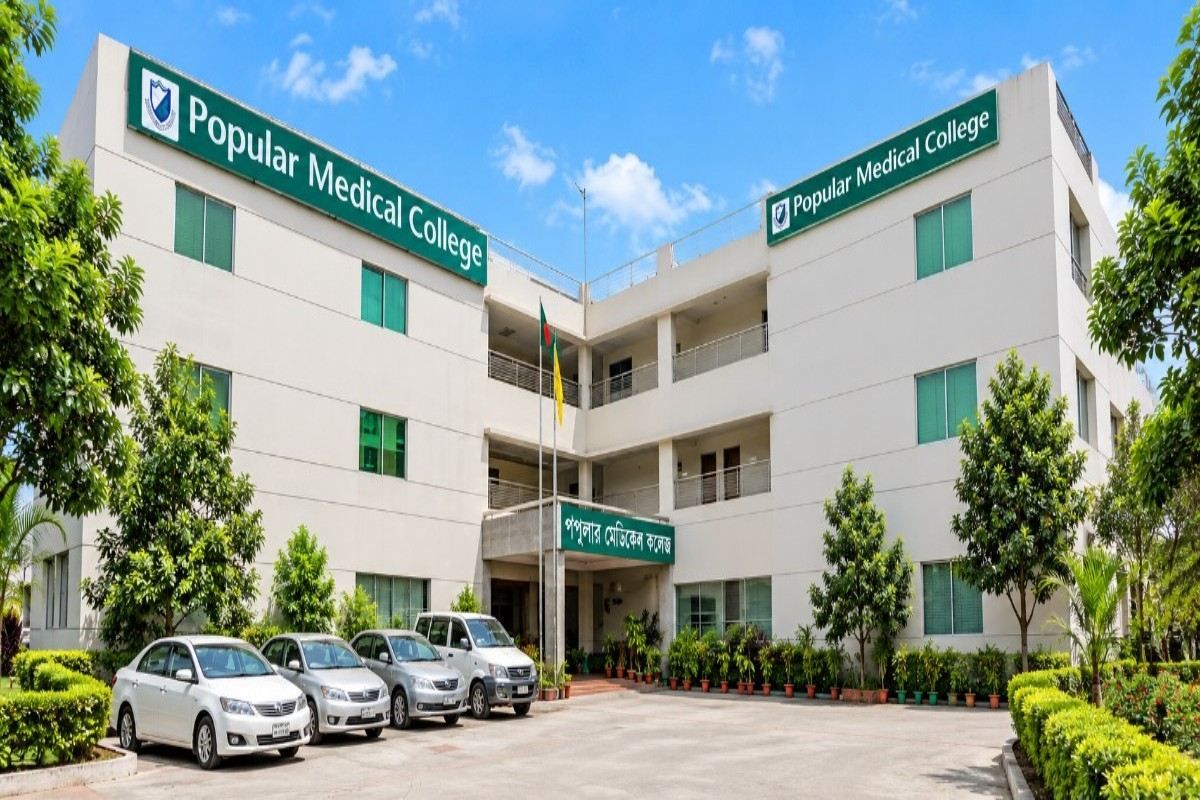
 Bangladesh | Est. 2010
Bangladesh | Bangladesh Medical and Dental Council (BMDC); affiliated with the University of Dhaka as a constituent college | English medium
Expert will call you within 2 hours
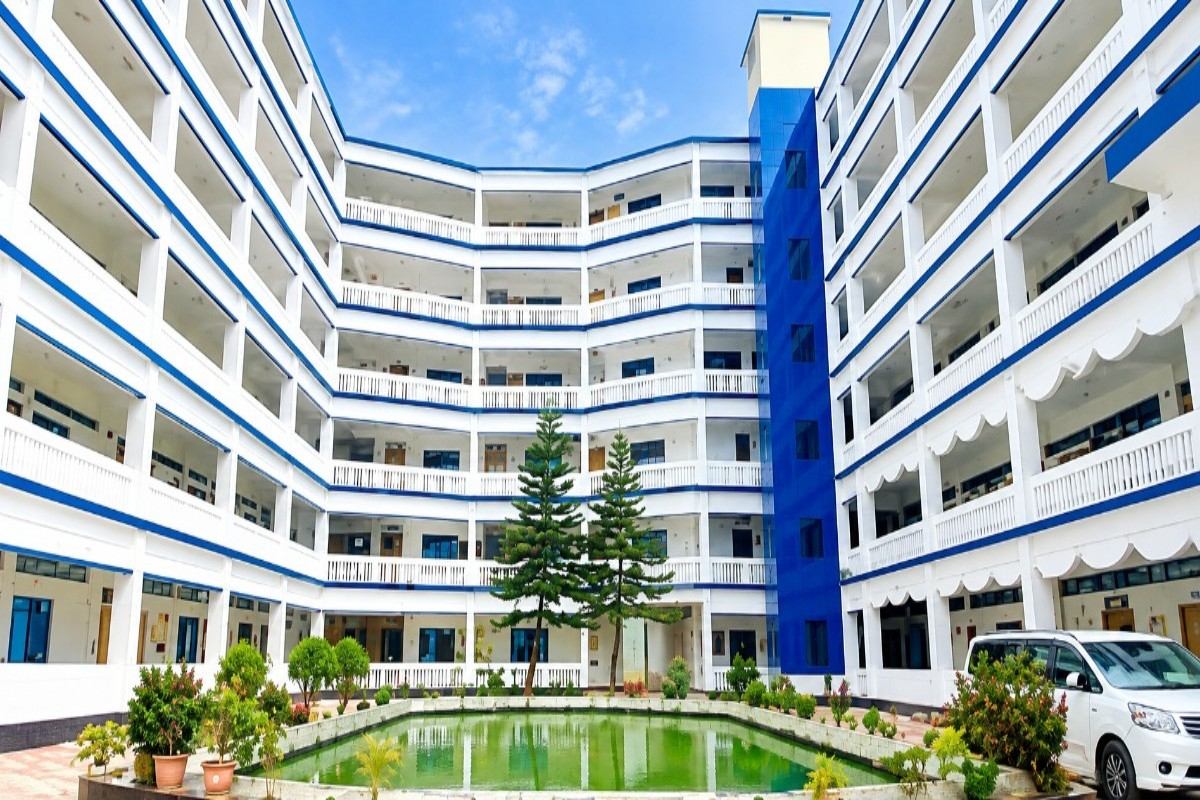
People mostly just call it PMC for short. It is a private medical college, established in 2010, located in Dhanmondi, Dhaka, Bangladesh. Here is a fact most guides skip entirely, and it deserves specific, honest treatment. PMC was established by Popular Group, a genuinely well-known, considerably larger Bangladeshi healthcare conglomerate, giving the college a real, direct corporate healthcare backing quite different from medical colleges founded independently by individual academics or smaller trusts.
PMC is affiliated with the University of Dhaka as a constituent college, chaired by Dr. Mustafizur Rahman, with Khandaker Abu Rayhan serving as Principal. The college offers a five-year course of study leading to a Bachelor of Medicine, Bachelor of Surgery degree, MBBS, with a compulsory one-year internship required of all graduates. The awarded degree is recognised by the Bangladesh Medical and Dental Council, BMDC.
The associated Popular Medical College Hospital sits genuinely close by, specifically 250 metres east of the college itself, a real, practical detail for students moving between academic and clinical facilities daily. Teaching runs entirely in English, from classroom lectures through to formal assessments, meaning international students face no linguistic barrier during their core academic years. During the compulsory internship year specifically, however, students do need to develop working local language skills, since direct patient communication in Bengali becomes genuinely necessary at this clinical stage.
A genuinely useful, specific admission detail worth knowing directly is that IELTS or TOEFL certification is not mandatory for admission; only basic English proficiency is required to follow the course successfully. NEET remains a genuine requirement for Indian applicants, consistent with India's own National Medical Commission guidelines governing MBBS study abroad.
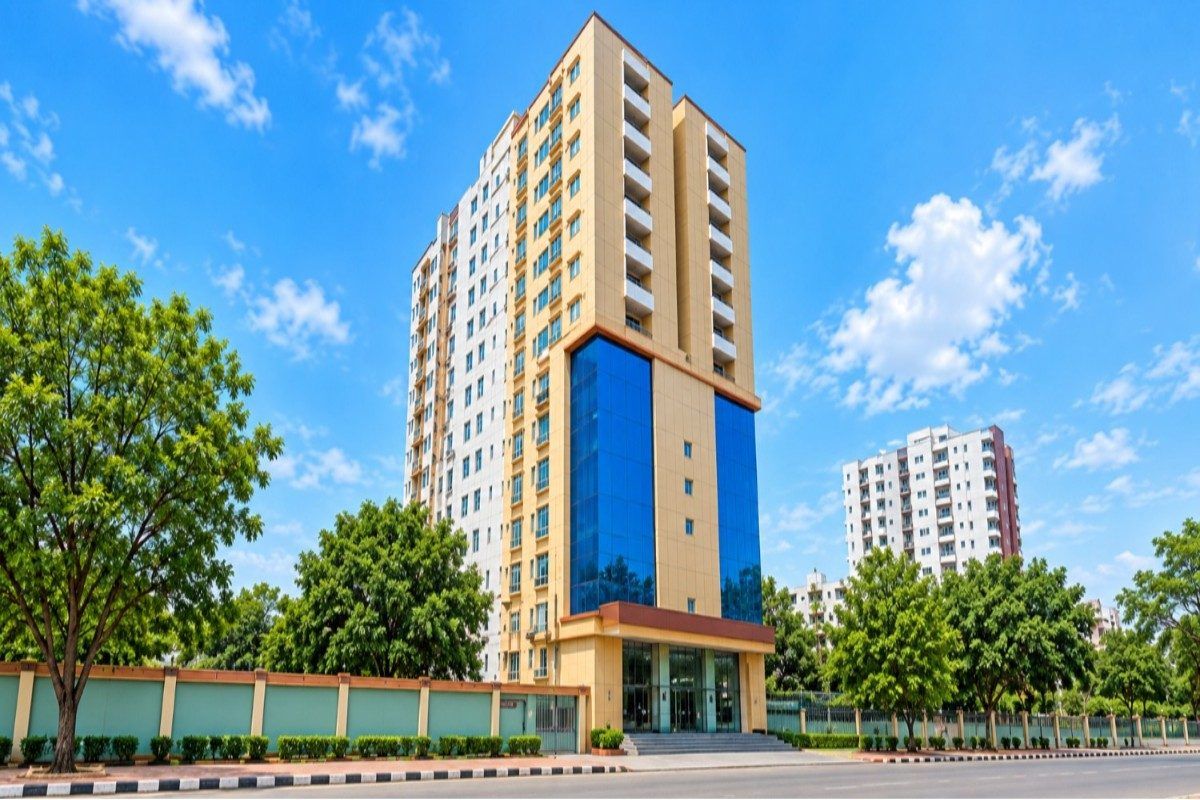
PMC's own hostel accommodation is specifically arranged by the college authority for all international students, removing the burden of independently sourcing housing in an unfamiliar city. The hostel itself sits within a genuinely close 100-metre radius of the college campus, with shared rooms including a common washroom, and full furniture provided for daily living needs. This is a genuinely practical, specific accommodation arrangement rather than a vague promise of "housing support."
Dhaka itself, where PMC is based, is described as the genuine heart of Bangladesh's own economy, politics, history, and culture, situated along the banks of the Buriganga River. The city hosts the large majority of the country's own industrial and manufacturing activity, alongside a genuinely vibrant urban culture that draws considerable numbers of international students, including many from India specifically.
It is worth knowing directly that Dhanmondi itself, where PMC is located, hosts a genuinely considerable concentration of Bangladesh's own private medical colleges, including Bangladesh Medical College, the country's own oldest private medical college, founded in 1986, and Anwer Khan Modern Medical College, founded in 2008. This reflects a real, broader pattern of private medical education clustering specifically within this particular Dhaka neighbourhood, rather than something unique to PMC alone; applicants should take care to keep each institution's own specific name, fees, and facilities clearly distinct when comparing options.
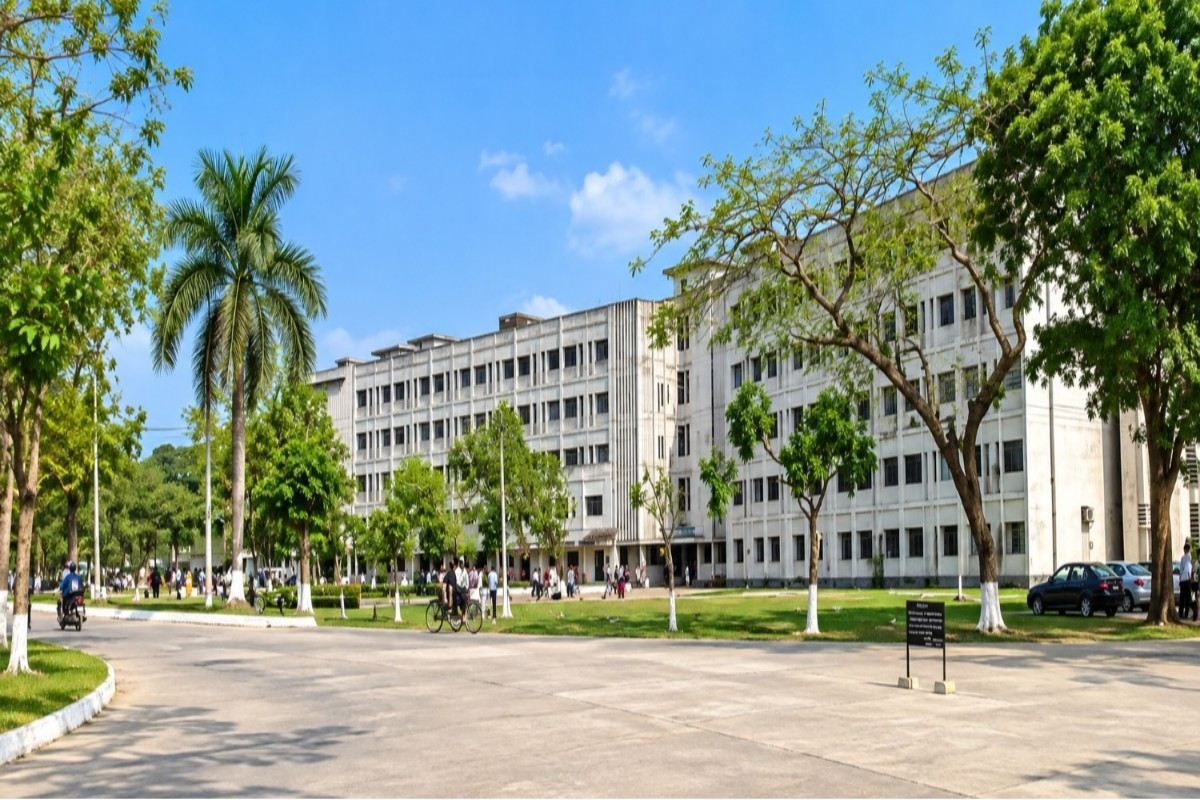
PMC's own materials describe the college as offering a supportive, enriching environment, with a focus on academic excellence and modern infrastructure, alongside highly qualified faculty spanning various medical disciplines and specialities. The college provides quality medical programmes for both local and international students, with a particular emphasis on its own undergraduate MBBS offering specifically.
NEET remains a genuine requirement for Indian applicants pursuing MBBS study at PMC specifically, and Indian graduates would still need to clear the FMGE or NExT exam to practise medicine back in India after completing their degree. Given PMC's own direct corporate healthcare backing through Popular Group, and its own confirmed, specific fee and hostel arrangements, applicants get a genuinely more concrete, practical picture of this college than the vaguer promotional language found at some comparable Dhanmondi institutions.
Popular Group's own wider healthcare footprint across Bangladesh gives PMC a genuinely distinctive institutional advantage worth understanding directly. Rather than operating as a standalone academic venture, PMC benefits from its own parent conglomerate's considerable, established experience running hospitals, diagnostic centres, and pharmaceutical operations across the country. This real, practical connection means PMC's own students train within a wider healthcare ecosystem genuinely backed by a company with direct, ongoing commercial healthcare operations, rather than a purely academic trust with no separate commercial healthcare experience of its own.
Dhanmondi itself carries genuine, considerable significance within Dhaka's own history and civic life, having developed from a planned residential area into one of the city's own most established, well-regarded neighbourhoods, home to considerable green space, Dhanmondi Lake, and a genuine concentration of educational institutions beyond medicine alone. This gives PMC's own students access to a genuinely well-developed, walkable urban environment, with restaurants, shops, and recreational spaces all within easy reach of the college's own campus and hostel.
A further, genuinely practical detail worth knowing directly is that PMC's own admission process, per its own materials, follows a bank receipt confirmation step as part of standard registration, a real, specific procedural detail applicants should factor into their own application timeline. Given how many broadly similar private medical colleges operate within the same small Dhanmondi area, applicants benefit genuinely from PMC's own comparatively concrete, specific disclosures around hostel logistics and confirmed tuition figures, rather than relying solely on vaguer promotional claims common across this particular segment of Bangladesh's private medical education sector.
Fee figures here combine a genuinely specific, confirmed tuition total with reasonable, concrete estimates for hostel and other living costs, based on the pattern reported at comparable Dhanmondi private medical colleges, so applicants have usable numbers to plan around.
Cost Item | Amount | Notes |
Total Tuition Fee (Indian students, specific figure) | USD 36,000 total for the full programme | Genuinely specific, confirmed figure reported for Indian applicants at PMC |
Hostel/Accommodation Fee | Approx. USD 700-1,200/year | Based on typical shared-room rates at comparable Dhanmondi private medical colleges; PMC's own hostel sits within 100 metres of campus |
Health Insurance | Approx. USD 100-200/year | Standard estimate for international student health coverage in Bangladesh |
Food/Meal Expenses | Approx. USD 150-250/month | Based on typical Dhaka living costs, a considerably larger, more expensive city than Bangladesh's smaller provincial towns |
Books, Uniform, and Miscellaneous | Approx. USD 300-500/year | Standard estimate for textbooks, uniform, and basic study materials at comparable Bangladeshi medical colleges |
Total 6-Year Estimate (tuition + hostel + insurance) | Approx. USD 42,500-46,500 | Combined estimate across the full 6-year programme, based on the confirmed tuition total plus the ranges above |
Note: no capitation fee is confirmed at any stage. The confirmed $36,000 tuition figure reflects the total for the full programme, not an annual rate; hostel and living cost estimates above are based on comparable Dhanmondi institutions and should be treated as reasonable planning figures.
Most lists mention Popular Medical College only briefly among Dhaka's many private medical colleges. However, they do not explain its own genuinely distinctive corporate healthcare backing, or how specifically its own hostel and fee arrangements are actually documented. The reason is simple. It is about a real, specific corporate origin most guides skip entirely, and genuinely concrete accommodation logistics worth knowing directly.
PMC is not like most other Dhanmondi private medical colleges when it comes to its own founding backer. In fact, it was specifically established by Popular Group, a considerably larger, well-known Bangladeshi healthcare conglomerate, rather than by a smaller trust or group of individual physicians, as is more typical at comparable institutions covered in this whole series. Furthermore, this genuine, direct corporate healthcare connection is worth knowing about directly, since it suggests a real, established institutional backer with genuine healthcare-sector experience behind the college.
The college's own specific hostel logistics also matter more than most guides let on. For example, most guides describing a Bangladeshi medical college's own accommodation arrangements offer only a vague promise of "housing support." PMC's own hostel is specifically confirmed within 100 metres of campus, with shared rooms, a common washroom, and full furniture provided. Moreover, this level of concrete, specific detail is considerably more useful than a generic accommodation claim, giving applicants a genuinely clearer picture of daily student life here.
One thing most other blogs miss is the genuinely crowded concentration of private medical colleges specifically within Dhanmondi itself. In addition to standard due diligence, PMC shares this specific neighbourhood with Bangladesh Medical College, the country's oldest private medical college, and Anwer Khan Modern Medical College, among others. Since applicants comparing Dhaka-based private colleges are very likely to encounter several genuinely similar options within this same small area, keeping each institution's own specific name and figures clearly separated is a genuinely practical, necessary step.
No hidden charges, no donation. The full picture of costs at MBBS in Popular Medical College and Hospital Dhanmondi.
Tuition Fee
USD 36,000 for Indian students
USD 36,000, confirmed for Indian students
Hostel Fee
Approx. USD 700-1,200/year
Approx. USD 700-1,200/year
Food & Meals
Approx. USD 150-250
month
Insurance
Approx. USD 100-200
year
Donation
No donation fee
No hidden fee
Total Estimated Cost
Approx. USD 42,500-46,500
6-Year
25–35%
Average FMGE first-attempt pass rates for students from many overseas medical universities. Students from structured programs consistently score higher.
Students returning to India need to clear the FMGE/NExT exam. MBBS in Popular Medical College and Hospital Dhanmondi integrates exam-oriented coaching into the regular curriculum so students are prepared from day one.
A structured program that takes you from foundational sciences to clinical mastery.
Practical laboratory sessions form a substantial part of first-year training
Anatomy, Physiology, and Biochemistry form the core first-year subjects, building the scientific foundation for everything that follows
This stage builds the base knowledge that all later clinical learning depends on
Anatomy, Physiology, and Biochemistry continue at a more advanced level, alongside continued laboratory-based practical work
Forensic Medicine is introduced during this year
Pathology, Microbiology, and Pharmacology build the diagnostic foundation needed for clinical training
Obstetrics and Gynaecology, and Paediatrics, are introduced as core clinical rotations
Medicine, Surgery, and allied clinical subjects begin, with hands-on training at Popular Medical College Hospital, 250 metres from the academic campus
Community Medicine coursework is finalised during this year
Further clinical rotations continue across Medicine, Surgery, Obstetrics and Gynaecology, and Paediatrics
Graduates then apply for registration with the Bangladesh Medical and Dental Council before practising medicine
A compulsory internship follows the five years of academic study, requiring genuine local language proficiency for direct patient communication
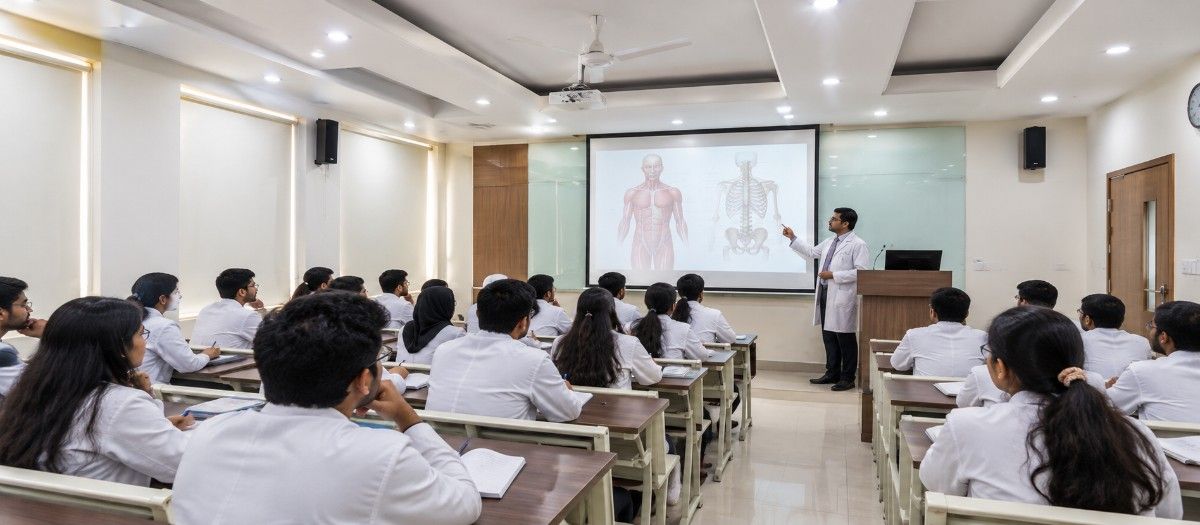
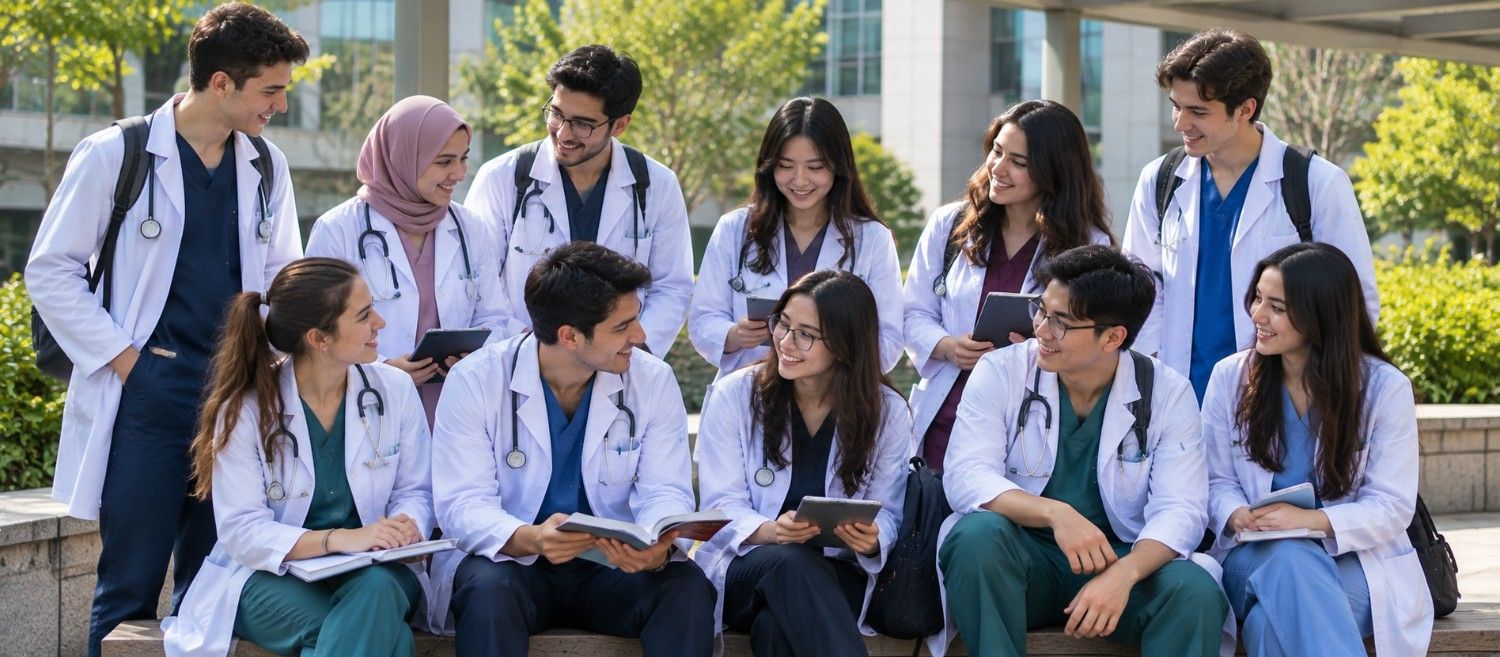
Furnished hostel rooms with Wi-Fi, laundry, 24/7 security, and Indian mess on or near campus.
Indian restaurants and mess facilities serving vegetarian and non-vegetarian home-style food daily.
Strong Indian community with cultural events, festival celebrations, and peer support groups.
Students get hands-on clinical training in government and private hospitals affiliated with the university.
Practical information for students planning to study at MBBS in Popular Medical College and Hospital Dhanmondi.
Prepare for all seasons. Thermal wear for winters, light clothing for summers. University provides heating in hostels.
Student visa processed with university invitation letter. Direct and connecting flights from major Indian cities.
Health insurance included in fees. Medical facility on campus plus city hospitals easily accessible.
Local SIM cards available. WhatsApp and video calls keep you connected with family back home.
Average monthly expenses of $150–$250 covering food, transport, and personal needs.
University library, online databases, and study groups. Seniors mentor juniors through academic challenges.
Our team guides you through every step — from application to arriving on campus.
DGME publishes the foreign-student MBBS/BDS admission circular for the upcoming session, usually around November, separately for SAARC/non-SAARC applicants and government/private colleges.
• Confirm your PCB percentage/GPA and NEET status against the circular's stated minimums. • Gather passport, academic transcripts, NEET scorecard, birth certificate, medical fitness certificate, and other listed documents, with mandatory two-step attestation.
• Shortlist government and/or private colleges based on budget, GPA/NEET strength, and location preference, comparing on recognition status and FMGE track record, not just the lowest fee. • Register on DGME's foreign-student portal, fill in details, and upload documents.
Pay the standard equivalence-certification fee (commonly around USD 100) via bank transfer (TT/SWIFT), not cash.
DGME evaluates your academic equivalence against Bangladeshi grading standards.
• Based on merit, quota category (SAARC/non-SAARC/reserved), and seat availability. • Receive a formal offer/admission letter from the allocated college.
Pay the first-installment tuition and hostel fee, per the college's own schedule.
• Apply at the Bangladesh High Commission/Mission with the admission letter and financial proof; realistic processing time varies by season. • In the final weeks, finalize documents, arrange travel/health insurance, book flights, and confirm hostel allotment in writing.
Fly to Bangladesh and complete airport formalities; many colleges arrange airport pickup for new students on specified reporting dates.
Complete physical document verification and hostel allotment at the college, and register with the Indian High Commission in Dhaka shortly after arrival, an important, non-optional step for consular support.
Admission Helpline — Contact our counsellors for step-by-step assistance.
“The faculty here is incredibly supportive. The clinical training during hospital rotations has given me real confidence in patient care.”
“Affordable fees without compromising on quality. The campus facilities and hostel life made my transition abroad very smooth.”
“English medium instruction and WHO-recognized curriculum were the deciding factors for me. No regrets so far — excellent experience overall.”
“The university helped with everything from visa to accommodation. Hospital exposure from year three has been invaluable for my FMGE prep.”
“Just cleared my licensing exam on the first attempt. The structured coaching and mock exams during final year were a game-changer.”
“Safe campus, good food options, and a strong Indian student community. The teaching methodology is very practical and hands-on.”
It was established in 2010, by Popular Group, a well-known Bangladeshi healthcare conglomerate.
Total tuition for Indian students is confirmed at USD 36,000 for the full programme; including hostel, insurance, and living costs, expect a full 6-year total of approximately USD 42,500-46,500.
Yes, all classroom lectures and assessments run in English; the internship year specifically requires local language skills for direct patient communication.
No, only basic English proficiency is required; formal certification is not mandatory.
Yes, a valid, qualifying NEET score is required, per NMC guidelines.
Within 100 metres of the college campus, in shared rooms with a common washroom, fully furnished, arranged directly by the college.
Popular Medical College Hospital, located 250 metres east of the academic campus.
The University of Dhaka, as a constituent college.
Yes, genuinely: Dhanmondi hosts several comparable private medical colleges, including Bangladesh Medical College and Anwer Khan Modern Medical College, so confirm you are researching PMC specifically.
In Dhanmondi, Dhaka, Bangladesh, a neighbourhood hosting a genuinely considerable concentration of the country's own private medical colleges.
Our expert counsellors will guide you through the complete admission process — from documents to airport pickup.