When people think of Sapienza medical school, they picture Rome. They think of huge, busy hospitals. They think of thousands of students on historic streets. But Sapienza does not just teach in Rome. The university has other teaching sites. Rieti is one of them. It is a hidden gem. If you want to study medicine in Italy, you need to look at Rieti. It deserves much more than a quick glance.
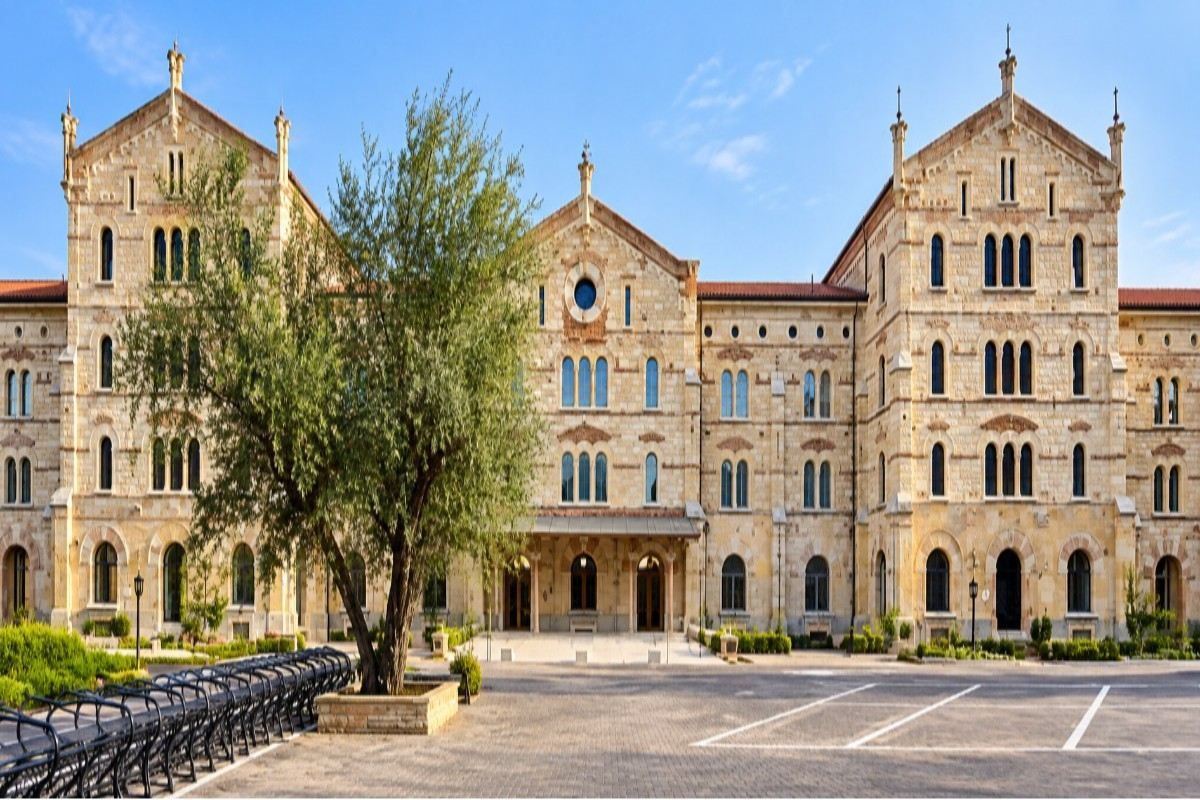
Rieti is a small, quiet city north of Rome. The local teaching site is called Polo di Rieti. It offers a full medical degree called Medicina e Chirurgia, which means Medicine and Surgery in Italian. The entire course is taught in Italian. If you pick Rieti, you do not get a lesser degree. You get the same Sapienza degree as students at the Rome sites. The course follows the applicable national rules, while students learn in a quieter city with its own local hospital network.
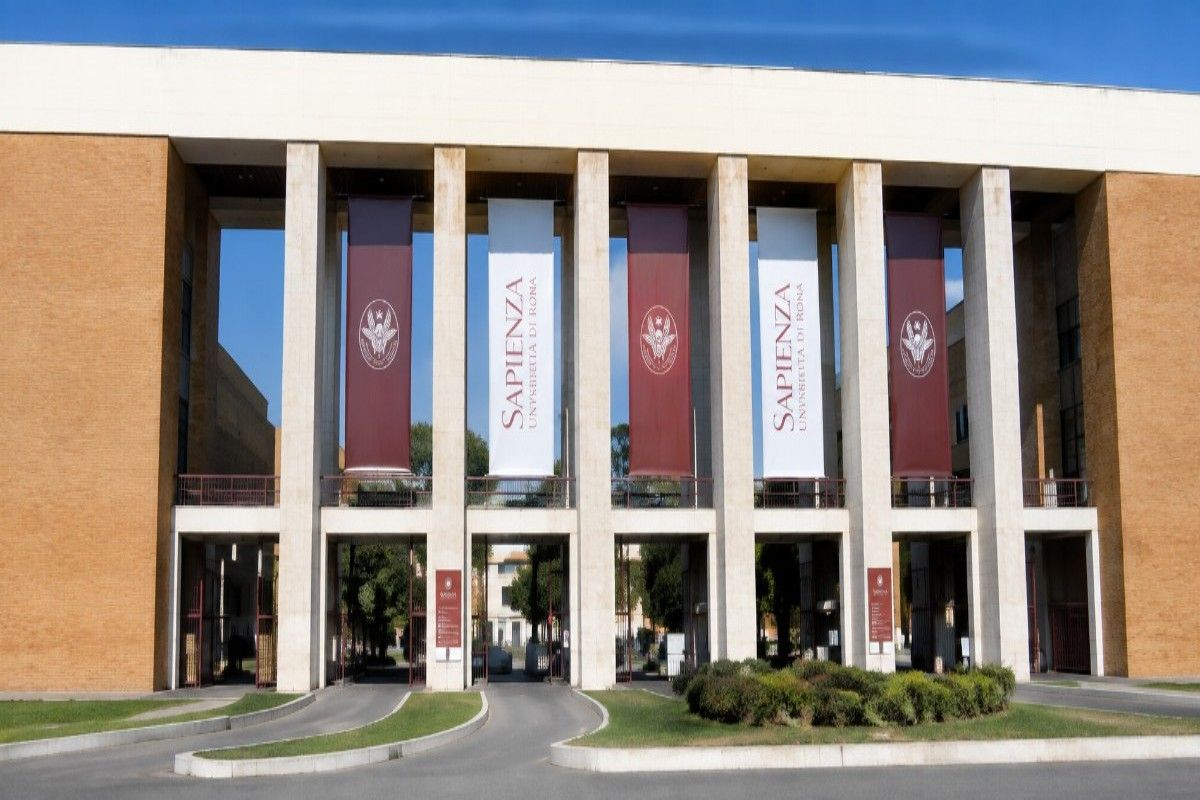
Sapienza is one of the largest universities in Europe. The Rieti site benefits from the wider university's academic resources and reputation. The main university has more than 120,000 students and thousands of teachers. The main difference for students is the setting: Rieti offers a calmer lifestyle compared with central Rome.
Admission is through the national entrance process. The government determines the number of available seats each year. Applicants apply through the national student portal and rank their preferred sites. Rieti can be included among those choices, with placement depending on the student's examination ranking. There is no donation or management quota mentioned in the source.
Tuition at Rieti follows Sapienza's income-based public university model. For students with income earned abroad, the source gives an indicative tuition figure of around EUR 2,900 per year, although the actual amount can depend on the applicable income bracket. Students in lower-income brackets may qualify for a much lower or zero tuition amount, apart from applicable taxes and charges.
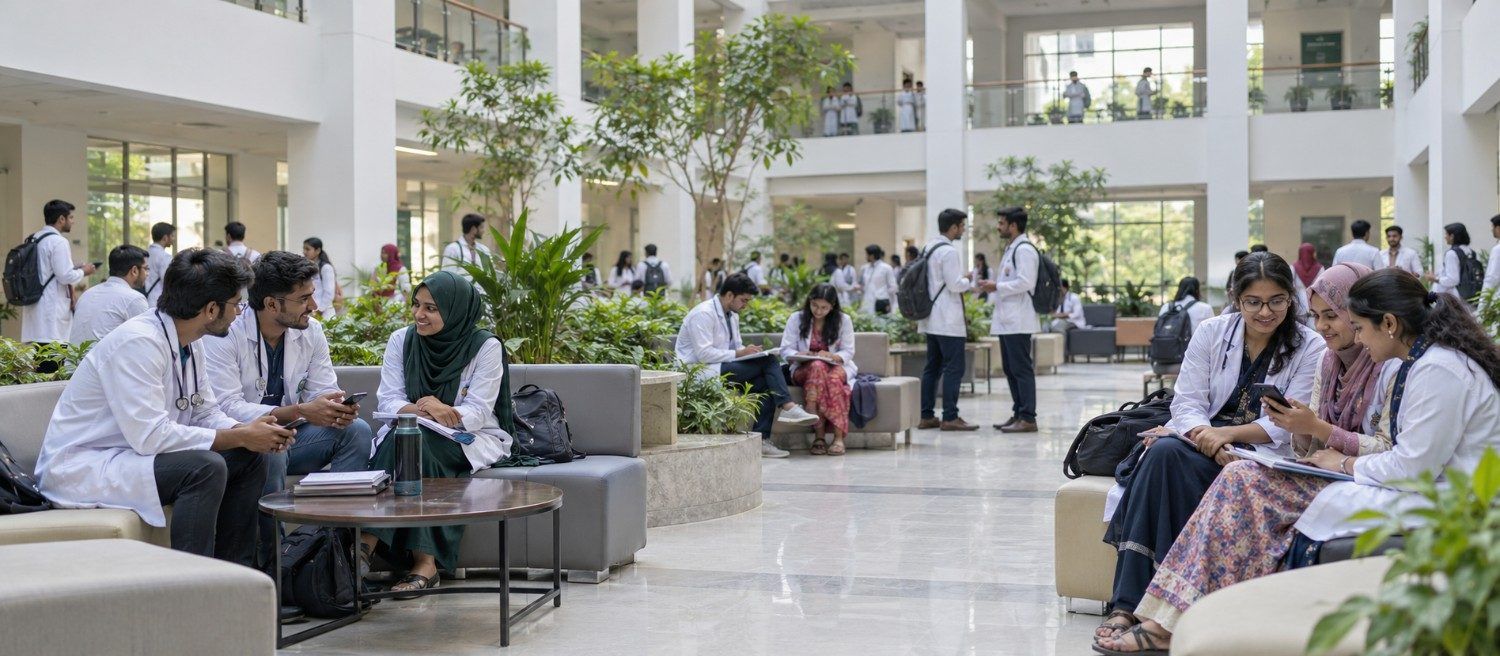
Life in Rieti is slower than in Rome. It is a smaller city where students can experience lower accommodation and daily living costs. Smaller cohorts can also mean closer interaction with professors and clinical staff. At the same time, students should understand that a smaller hospital network may provide exposure to fewer types of cases than the large hospitals of central Rome.
The biggest challenge for international students is language. The Rieti Medicine and Surgery programme is taught in Italian rather than English. Students need strong Italian skills to follow lectures, understand textbooks, complete examinations and communicate with patients. This makes language preparation an important part of planning for Indian applicants.
Students may also apply for the DSU regional scholarship through the Lazio government. Eligible students can receive support towards accommodation, meals and other living expenses. Scholarship assistance is separate from the tuition structure and depends on eligibility.
For Indian families, Rieti is a trade-off. It offers a public Italian medical degree, income-linked tuition, regional scholarship opportunities and a quieter living environment. In exchange, students need to study Medicine in Italian and accept a smaller clinical environment than the major Rome hospitals. Indian applicants must also check the current NMC requirements and ensure they meet all applicable requirements before enrolling.
Why the Polo di Rieti Deserves a Harder Look Than You've Given It
Most families searching for Sapienza medicine focus entirely on the main Rome campuses and never notice that a satellite teaching site exists at all. However, this happens mostly because Rieti gets far less attention online, not because it offers a lesser degree. Sapienza has extended its medical training footprint beyond the capital, giving students another location in which to study Medicine and Surgery.
Rieti is not presented as a separate lower-tier institution. It operates under Sapienza and offers the Sapienza Medicine and Surgery degree. Students are admitted through the applicable national ranking process, with the same university and national framework applying to the programme.
The cost structure can also work in students' favour. Students with lower declared income may fall into a lower or no-tuition bracket, while accommodation and everyday expenses in Rieti can be lower than in central Rome. Over six years, this difference can have a meaningful impact on the overall cost of studying medicine.
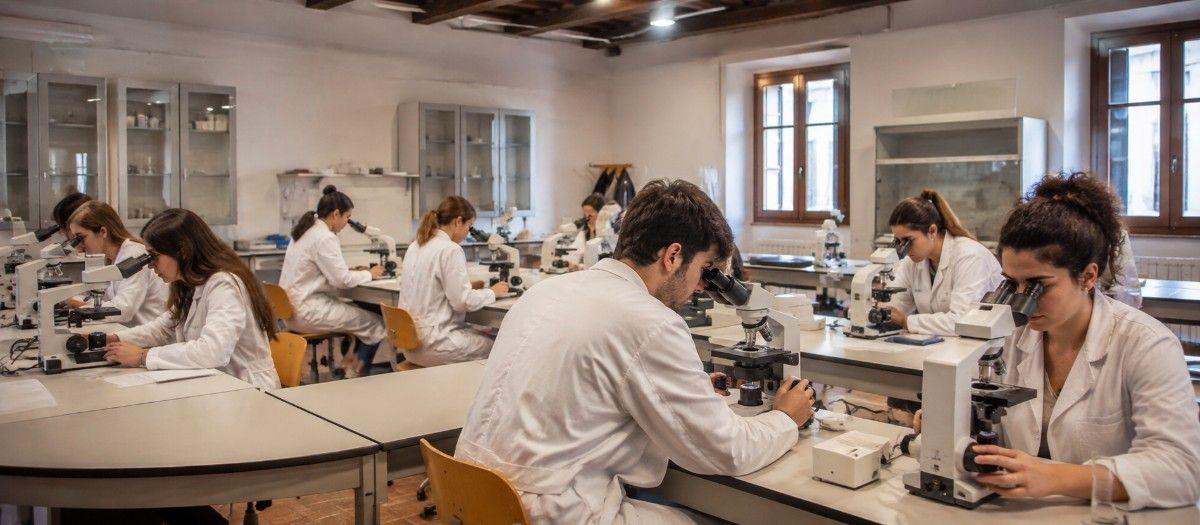
The smaller scale of Rieti can also offer academic advantages. Smaller cohorts may provide students with more direct interaction with lecturers and clinical staff. For students who prefer a quieter environment and closer academic contact, this can be an attractive alternative to a large metropolitan campus.
However, Rieti should not simply be treated as a cheaper version of Rome. Students need to consider the smaller hospital network and, most importantly, the fact that the Medicine and Surgery course is taught in Italian. Choosing Rieti should therefore be a deliberate decision based on language ability, lifestyle preferences, cost and clinical expectations.