
Q1. When was Southampton's Faculty of Medicine established?
+The wider university opened in 1862, but the Medical School itself only opened in 1971, following a 1968 national recommendation to expand UK medical training.
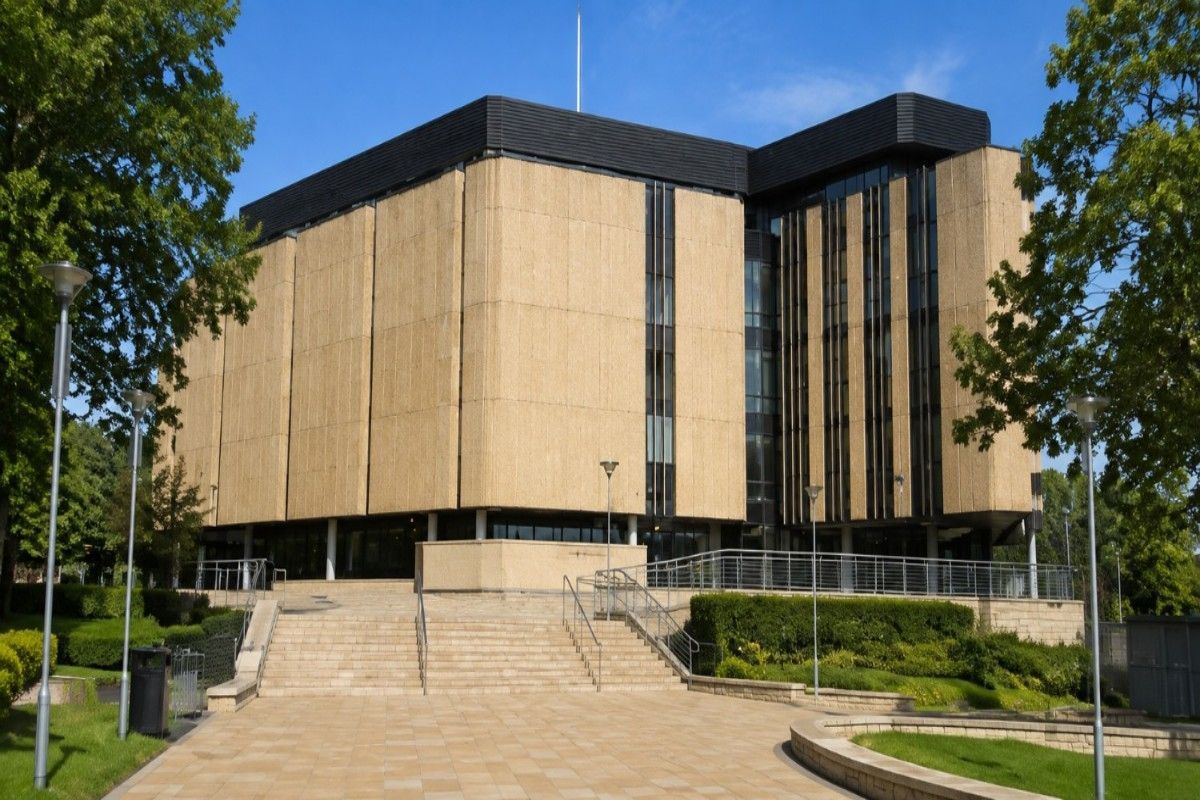
 Uk | Est. 1971
Uk | The BM5 degree is recognised by the UK's General Medical Council as a qualification enabling registration to practise medicine in the UK. | English medium
Expert will call you within 2 hours
People mostly just call it Southampton for short. The wider university began life in 1862 as the Hartley Institution, a genuinely different starting point from a medical faculty built specifically for training doctors. It took decades of growth before Queen Elizabeth II granted the institution a Royal Charter in 1952, in one of her very first official acts as the newly crowned monarch. So, this university's own royal recognition is tied to a specific, dated moment in British history, not a generic administrative milestone.
Here's a fact most guides skip entirely. The Medical School itself traces back to a specific national policy decision: in 1968, the Royal Commission on Medical Education recommended increasing the number of medical schools across the UK to meet the country's growing need for doctors. Southampton's Medical School opened in 1971 as a direct response to that recommendation, starting with just 40 students. Today, that founding cohort has grown to around 1,470 medical students, a genuinely substantial expansion from such a modest beginning.
Southampton is a founding member of the Russell Group, the UK's association of research-intensive universities, and its Faculty of Medicine now runs five distinct undergraduate medical programmes, a genuinely broader offer than most UK medical schools provide. Alongside the standard five-year BM5 route, the Faculty also runs BM4, a four-year graduate-entry programme, BM6, a six-year widening-access route, and two genuinely distinctive international programmes: BM(EU), run in partnership with a healthcare provider in Germany for bilingual German and English-speaking students, and BM(IT), which allows students to transfer to IMU in Malaysia from Year 3 onward.
The Faculty is also home to the Centre for Cancer Immunology and the more recently established Institute of Medical Innovation, both working closely with the university's wider Institute for Life Sciences. Southampton is a founding member of Wessex Health Partners, a partnership bringing together universities and NHS trusts across the whole Wessex region to accelerate improvements in health and social care.
Southampton itself is a major port city on England's south coast, giving students access to a genuinely large urban centre without the cost or scale of London. The BM5 course specifically runs across three main sites: the university's Highfield campus, University Hospital Southampton, and Southampton city centre.
Clinical training begins genuinely early, within the first few weeks of the course, with students meeting patients in both hospital and primary care settings from the outset. Year 3 placements run through partner NHS trusts including Portsmouth, Winchester, and Southampton itself, while the final two years broaden further still, covering hospital trusts, GP surgeries, urgent care centres, the ambulance service, and community organisations across the wider Wessex region. So, clinical exposure here draws on a genuinely wide, regionally distributed healthcare network, not a single teaching hospital alone.
Students also have access to a dedicated clinical skills suite for practising common procedures, and a specialist medical and health sciences library based directly at University Hospital Southampton, keeping study resources close to the clinical environment itself.
The standard BM5 programme runs five years, taught at Southampton General Hospital, a genuinely major UK teaching hospital, alongside the university's own purpose-built Life Sciences facilities on campus. In the first two years, students learn the body's major physiological systems, integrating anatomy, biochemistry, pathology, physiology, pharmacology, the social sciences, and public health medicine within a clinical context from the very start.
Admission requires all applicants to sit the UCAT before the mid-October UCAS deadline, taken in the same year as application. Applicants must be 18 or older at the start of the course, and BM5 is open to both Home and International students, with International applicants needing to meet entry requirements for School Leaver, Graduate, or Mature Non-Graduate routes, alongside standard IELTS or equivalent English language requirements.
Fee figures here follow a genuinely two-tier structure that's important to understand clearly. UK Home students pay a fixed GBP 9,250 a year, fully covered by government tuition fee loans that don't need to be paid upfront. International students pay considerably more, and the rate rises sharply between the pre-clinical and clinical stages: reported figures place the first-year rate at approximately GBP 30,300, while Southampton's own official course page confirms that clinical years, Years 3, 4, and 5, cost GBP 61,800 a year specifically. So, working from these figures, total tuition for an international student across the full five-year BM5 programme comes to roughly GBP 246,000, a genuinely significant sum that should be budgeted for carefully, and confirmed against the university's current published rate before committing, since UK medical school fees are reported to rise each entry year.
Merit-based scholarships exist for exceptional A-Level performance above the standard offer, worth up to GBP 3,000 toward first-year tuition, though these aren't available across every subject combination. Living costs in Southampton are reported at roughly GBP 1,000 to 1,300 a month, a real, ongoing expense on top of tuition. NEET remains a genuine requirement for Indian applicants here, exactly as it does for MBBS study in most other countries, and Indian graduates would still need to clear the FMGE or NExT exam to practise medicine back in India.
Parameter | Details |
Established | University founded 1862 as the Hartley Institution; Royal Charter 1952; Medical School opened 1971 with its first 40 students |
Institution Type | Public, research-intensive university (Russell Group founding member) |
Location | Southampton, Hampshire, England, United Kingdom |
Programme | BM5 Medicine (BMBS), Bachelor of Medicine, Bachelor of Surgery, the standard 5-year route |
Duration | 5 years standard entry (BM5); alternative 4-year graduate-entry (BM4) and 6-year widening-access (BM6) routes also exist |
Medium of Instruction | English |
Foreign Quota Note | NEET required for Indian applicants under India's own national rules; UCAT required for all applicants |
Teaching Hospital | University Hospital Southampton (Southampton General Hospital), plus placements across the Wessex region |
Fee Structure
Fee Component | Amount | Notes |
Tuition Fee (Home/UK students) | GBP 9,250 per year | Covered in full by UK government tuition fee loans; not paid upfront |
Tuition Fee (International, pre-clinical, Years 1-2) | Approx. GBP 30,300 per year | Reported first-year rate for BM5; confirm the current figure directly, as fees rise each year |
Tuition Fee (International, clinical, Years 3-5) | GBP 61,800 per year | Official rate confirmed directly on the University of Southampton's own course page |
Merit Scholarships | Up to GBP 3,000 (Years 1) for exceptional A-Level results above the standard offer | Not available to all subject combinations; confirm eligibility directly |
Living Costs | Approx. GBP 1,000 to 1,300 per month | Southampton runs more affordably than London, though still a real ongoing cost |
Most rival pages describe a UK medical school as offering a single standard course. Southampton genuinely runs five separate undergraduate medical programmes, including a bilingual German-English partnership route and a Malaysia-transfer pathway through IMU. So, applicants here get a genuinely wider set of structural options than most comparable UK medical schools provide.
Most guides describe a medical school's origins in vague terms. Southampton's Medical School traces directly to the 1968 Royal Commission on Medical Education's specific recommendation to expand UK medical training capacity, opening in 1971 with just 40 students. So, this faculty's founding rests on a documented national policy response, not an isolated local decision.
Be upfront about a few real costs here. International tuition rises sharply between the pre-clinical and clinical years, from roughly GBP 30,300 to GBP 61,800 a year, working out to approximately GBP 246,000 in tuition alone across the full five-year programme, a genuinely major financial commitment. UK medical school fees are also reported to increase each entry year, so applicants should confirm the exact current rate directly rather than relying on any single reported figure. Admission is genuinely competitive, requiring a strong UCAT score alongside academic qualifications.
So, who fits here best? Students able to fund one of the UK's more affordable international medical tuition rates in the early years, drawn to a founding Russell Group university with genuinely varied programme structures, fit well here. Students interested in the BM(EU) or BM(IT) international pathways fit particularly well, given how few UK medical schools offer anything comparable. However, applicants who need the lowest possible total UK medical tuition, or a single fixed fee across all five years, should factor in the genuine jump between pre-clinical and clinical rates. Still, Southampton's founding Russell Group status, its major teaching hospital, and its unusually broad range of medical programmes are real, well-documented strengths.
No hidden charges, no donation. The full picture of costs at MBBS in University of Southampton Faculty of Medicine.
Tuition Fee
GBP £32,000 - £61,800 per year
32,000 to £38,000+ for international students
Hostel Fee
Approx. GBP 1,000 to 1,300 per month — approx. GBP 60,000 to 78,000 over 5 years
Approx. GBP 1,000 to 1,300 per month — approx. GBP 60,000 to 78,000 over 5 years
Food & Meals
GBP £150 - £260
per month
Insurance
GBP £150 - £300
per year
Donation
No Donation fee
No Hidden fee
Total Estimated Cost
Roughly GBP 306,000 to 324,000 over 5 years — Tuition and living costs combined
5 year
25–35%
Average FMGE first-attempt pass rates for students from many overseas medical universities. Students from structured programs consistently score higher.
Students returning to India need to clear the FMGE/NExT exam. MBBS in University of Southampton Faculty of Medicine integrates exam-oriented coaching into the regular curriculum so students are prepared from day one.
A structured program that takes you from foundational sciences to clinical mastery.
Includes early clinical exposure through hospital and primary care visits within the first few weeks.
Covers the body's major physiological systems, integrating anatomy, biochemistry, pathology, physiology, and pharmacology.
Offers an optional intercalation opportunity to pursue a BSc or MSc between Years 3 and 4.
Introduces structured clinical placements at partner NHS trusts including Portsmouth, Winchester, and Southampton.
Builds toward increasingly independent clinical responsibility under supervision.
Covers Medicine, Surgery, and allied clinical subjects across a widening range of Wessex region settings.
Prepares graduates for the UK Foundation Programme immediately after qualification.
Covers placements across hospital trusts, GP surgeries, urgent care centres, and the ambulance service.
International graduates returning home face their own country's separate licensing requirements, such as India's FMGE or NExT.
Graduates complete the UK Foundation Programme and register with the General Medical Council before practising independently.
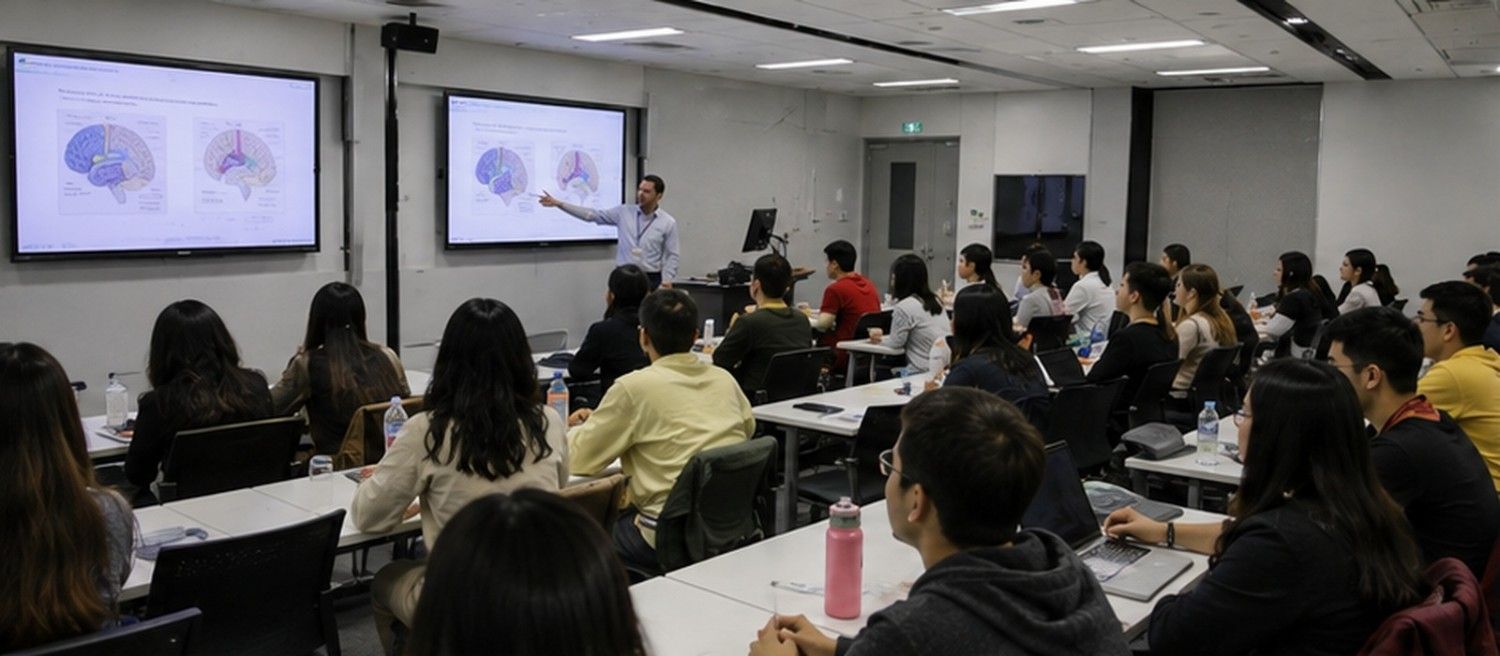
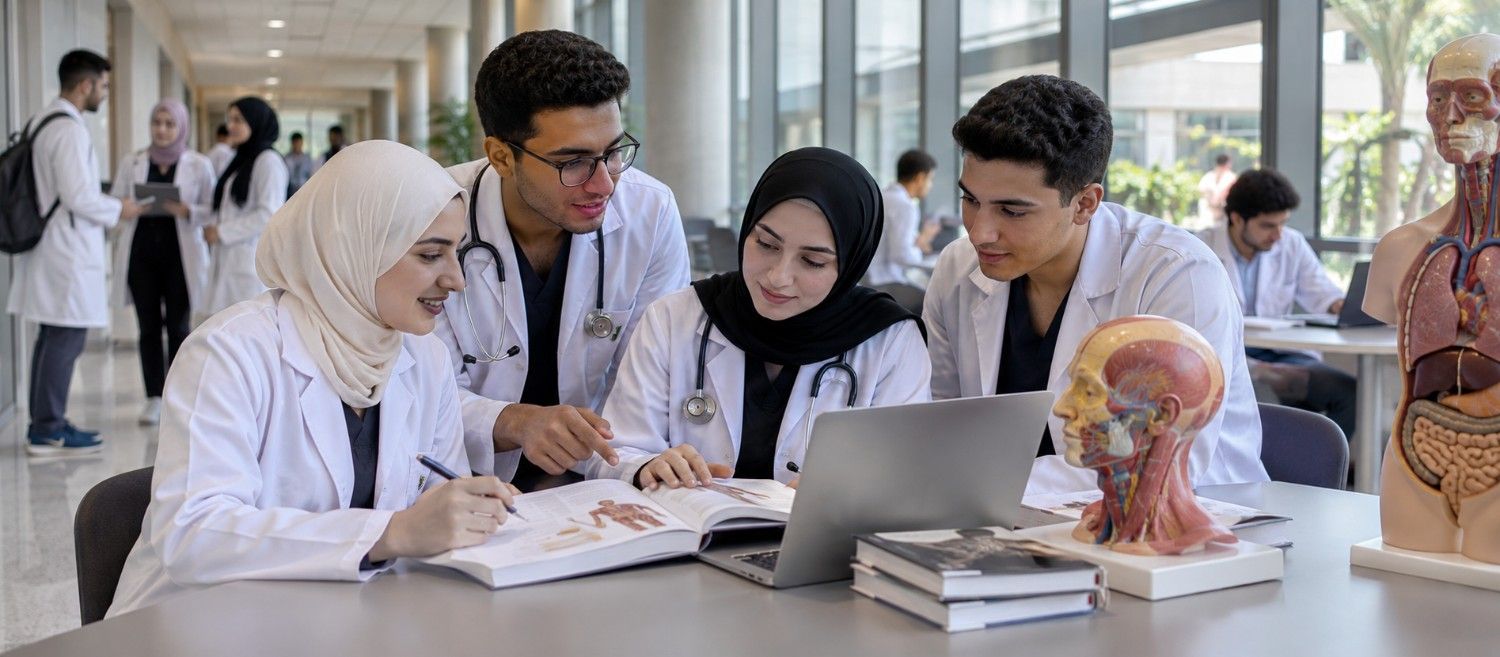
Furnished hostel rooms with Wi-Fi, laundry, 24/7 security, and Indian mess on or near campus.
Indian restaurants and mess facilities serving vegetarian and non-vegetarian home-style food daily.
Strong Indian community with cultural events, festival celebrations, and peer support groups.
Students get hands-on clinical training in government and private hospitals affiliated with the university.
Practical information for students planning to study at MBBS in University of Southampton Faculty of Medicine.
Prepare for all seasons. Thermal wear for winters, light clothing for summers. University provides heating in hostels.
Student visa processed with university invitation letter. Direct and connecting flights from major Indian cities.
Health insurance included in fees. Medical facility on campus plus city hospitals easily accessible.
Local SIM cards available. WhatsApp and video calls keep you connected with family back home.
Average monthly expenses of $150–$250 covering food, transport, and personal needs.
University library, online databases, and study groups. Seniors mentor juniors through academic challenges.
Our team guides you through every step — from application to arriving on campus.
Compare universities based on fees, city, UCAT requirements, and clinical exposure, starting 12–18 months before your intended entry, not the cycle you’re applying in.
Registration opens in May; the testing window runs July–September. Most successful applicants begin focused preparation 3–4 months ahead, alongside board exam preparation.
Book and complete IELTS, PTE, or TOEFL well ahead of the UCAS deadline, allowing time for a retake if needed.
Submit your application, including personal statement and up to 4 medicine choices, before the 15 October deadline.
Prepare for and attend interviews (MMI or Panel format) typically scheduled November through February.
Offers (conditional or unconditional) typically arrive through winter and spring; conditional offers require meeting stated academic and English-score conditions.
Once Class 12 results and any other conditions are confirmed, your university issues the Confirmation of Acceptance for Studies (CAS), which is required for your visa application.
Apply using your CAS reference number; arrange maintenance funds according to the 28-day rule well in advance rather than at the last minute.
Book flights, confirm accommodation, complete any on-arrival formalities during orientation week, open a local bank account, and begin building connections with your university’s Indian/South Asian student community.
Admission Helpline — Contact our counsellors for step-by-step assistance.
“The faculty here is incredibly supportive. The clinical training during hospital rotations has given me real confidence in patient care.”
“Affordable fees without compromising on quality. The campus facilities and hostel life made my transition abroad very smooth.”
“English medium instruction and WHO-recognized curriculum were the deciding factors for me. No regrets so far — excellent experience overall.”
“The university helped with everything from visa to accommodation. Hospital exposure from year three has been invaluable for my FMGE prep.”
“Just cleared my licensing exam on the first attempt. The structured coaching and mock exams during final year were a game-changer.”
“Safe campus, good food options, and a strong Indian student community. The teaching methodology is very practical and hands-on.”
The wider university opened in 1862, but the Medical School itself only opened in 1971, following a 1968 national recommendation to expand UK medical training.
It runs five years, though Southampton also offers a four-year graduate-entry route (BM4) and a six-year widening-access route (BM6).
Yes, all applicants must sit the UCAT before the mid-October UCAS deadline, in the same year as their application.
Yes, a valid, qualifying NEET score is required for Indian applicants under India's own national rules.
Reported figures place pre-clinical years (1-2) at roughly GBP 30,300 a year, rising to GBP 61,800 a year for clinical years (3-5), officially confirmed on Southampton's own course page.
Training runs through University Hospital Southampton (Southampton General Hospital), plus placements across the wider Wessex region.
It runs five separate undergraduate medical routes, including a bilingual German-English partnership programme and a Malaysia-transfer pathway.
Yes, it's a founding member of the Russell Group of UK research-intensive universities.
Students gain clinical experience within the first few weeks of the course, with structured placements beginning properly in Year 3.
Graduates receive a Bachelor of Medicine, Bachelor of Surgery (BMBS) degree recognised by the UK's General Medical Council.
Our expert counsellors will guide you through the complete admission process — from documents to airport pickup.