Every Georgia MBBS blog leans on the same three words for this one: affordable, English-medium, NMC-approved. All correct, all unremarkable, and all true of roughly a dozen other Georgian universities too. What actually separates Tbilisi Open Teaching University from the pack is a detail most pages skip entirely, and it cuts both ways.
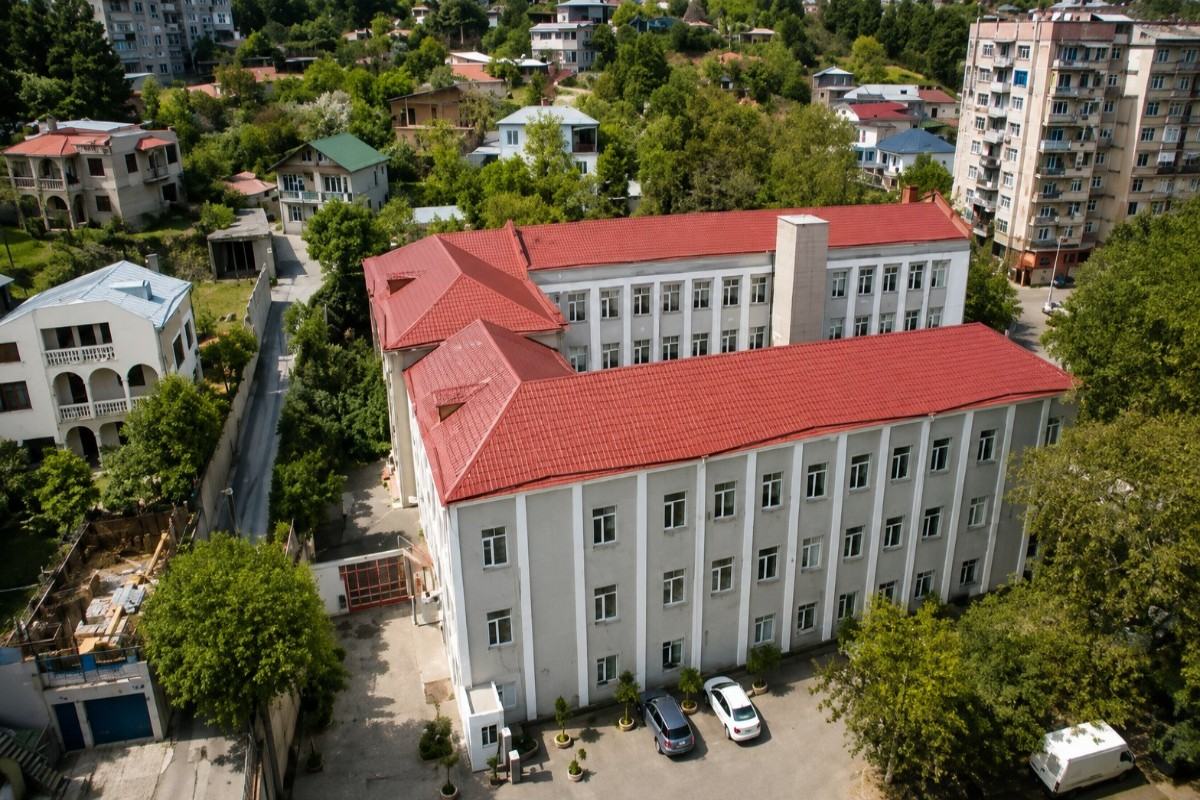
TOTU was founded in 2002 as a private teaching university in central Tbilisi, on Egnate Ninoshvili Street. But its English-medium MBBS program for international students was launched only in 2018, nearly a decade after most of its Georgian competitors and roughly a century after Tbilisi State Medical University, the country's oldest medical school. That's not disqualifying, but it does mean the medical faculty has a shorter independent track record than the ones usually compared against it, and fewer full graduating cohorts to point to.
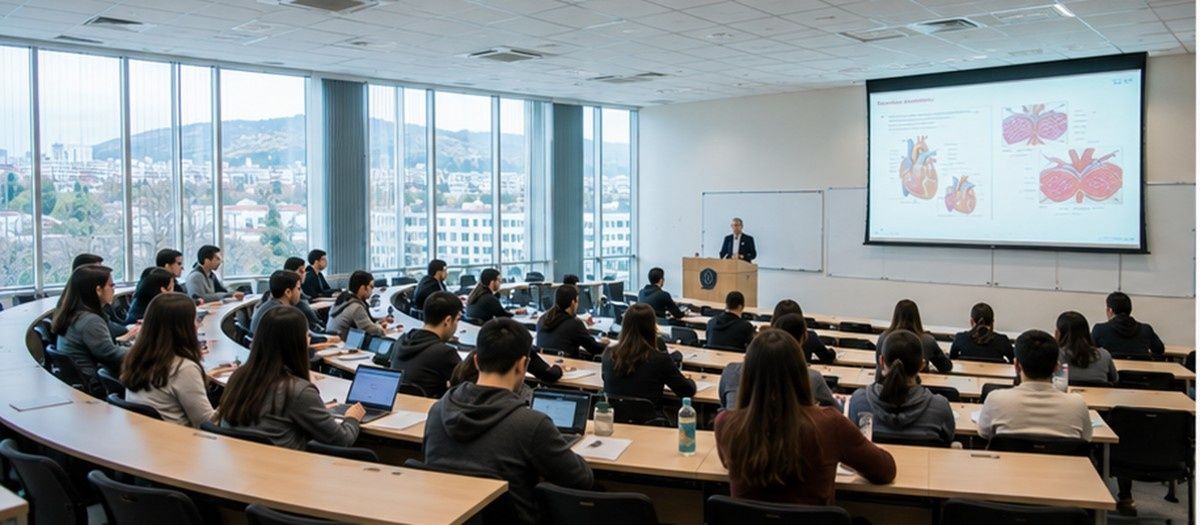
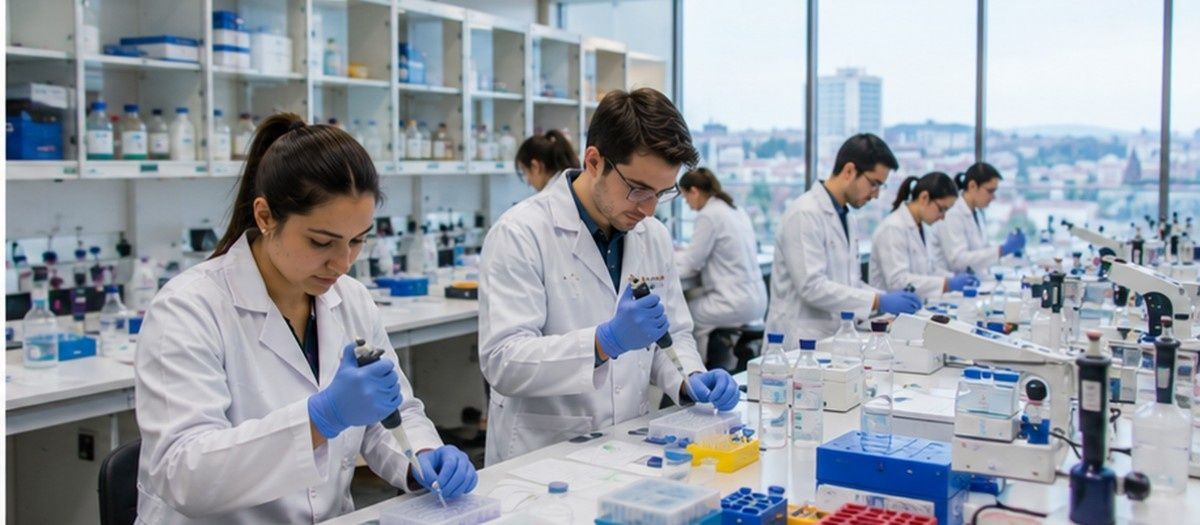
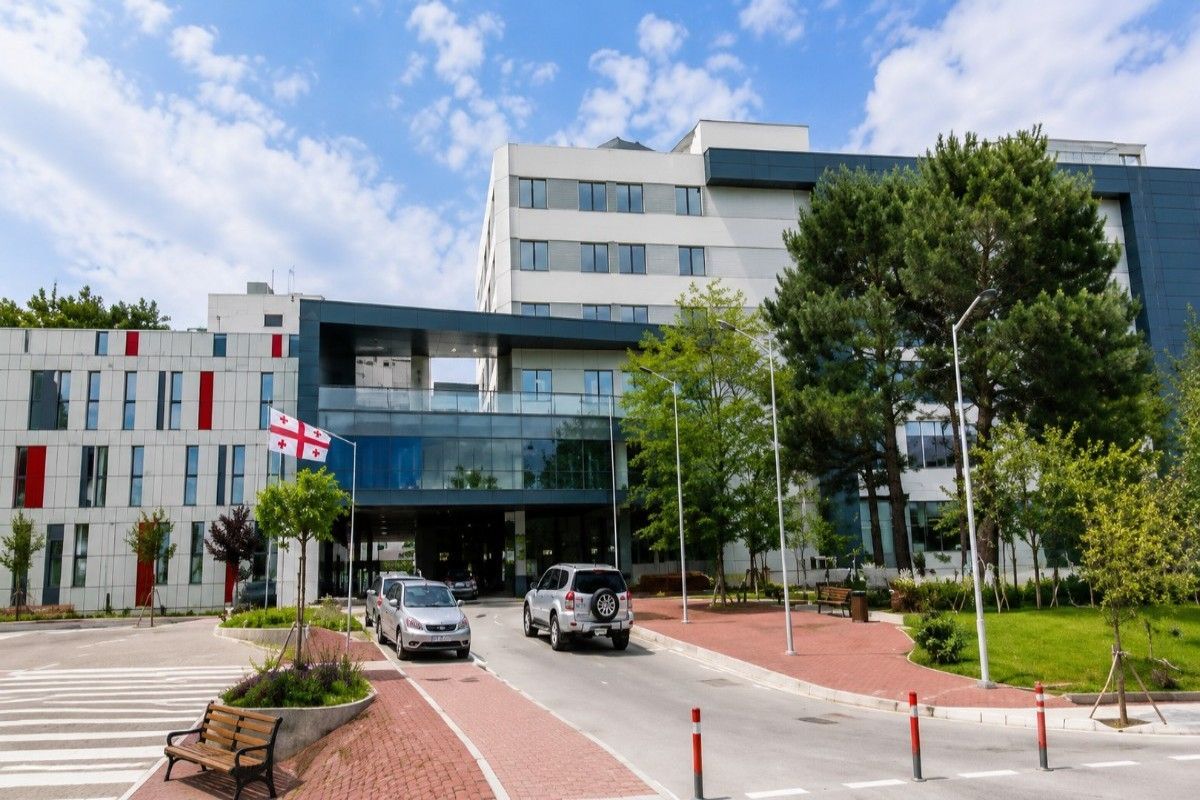
The campus itself runs on fairly standard private-university infrastructure for the region: simulation labs, a library, Wi-Fi-covered common areas, and clinical placements arranged through affiliated hospitals in the city rather than a dedicated on-campus teaching hospital. Tbilisi's setting works in the college's favor: a walkable European capital with a mild climate, a well-established Indian student community, and direct flight connections that make trips home realistic rather than theoretical.
Eligibility is where TOTU quietly differs from most of its local competition. The minimum PCB requirement is 60%, which is higher than the 50% baseline set by most Georgian medical universities for general-category Indian applicants. It's a small detail, but if you're comparing several Georgian colleges side by side on a shortlist, it's worth checking before you assume every option has the same cutoff.
What the Cost Actually Looks Like
Fee figures for TOTU vary widely depending on when the source was last updated; some older pages still quote a total course cost of around USD 17,500, using an exchange rate of 70 INR per dollar that hasn't been current in years. More recent sources converge on USD 4,500/year in tuition plus roughly USD 1,000/year for hostel, which is the basis for the table below. Treat any total-cost figure under USD 25,000 as outdated, and get TOTU's current fee letter before committing.
Cost Item | Per Year (USD / INR approx.) | 6-Year Total (INR approx.) |
Tuition Fee | USD 4,500 | INR 3.87 lakh | INR 23.2 lakh (6 years) |
Hostel Fee | USD 1,000 | INR 86,000 | INR 5.2 lakh (6 years) |
Food & Meals | USD 1,200–1,800 | INR 1–1.55 lakh | INR 6.2–9.3 lakh |
Insurance | USD 210 | INR 17,500 | INR 1.05 lakh (6 years) |
Travel (India–Georgia) | Depends on airline and season | INR 40,000–70,000 total |
Total Estimated (course + living) | — | INR 30–36 lakh approx. |
Note: INR conversions assume roughly 86 INR per USD. TOTU or independent consultancies report no donation or capitation fee; admissions are based on NEET scores and document verification.
Why TOTU Gets Bundled in with Bigger Georgian Names
Most "MBBS in Georgia" roundups list TOTU somewhere in a table of eight or ten universities, sandwiched between Tbilisi State Medical University and the University of Georgia, with identical bullet points copied across every entry, NMC-approved, WHO-listed, English-medium. What almost none of them do is flag the one number that actually distinguishes an established program from a newer one: a published, university-specific FMGE pass rate. TSMU publishes theirs (30.58% for 2024, per NMC screening data). TOTU does not appear to have an independently verified, university-specific FMGE pass rate published anywhere online as of this writing. That's not proof the outcomes are worse; it may simply reflect a smaller, newer graduating pool that hasn't been tracked separately yet, but it's a fair question to put directly to the admissions office rather than assume the answer.
The 60% PCB eligibility bar is the other thing nobody mentions. If your PCB aggregate sits between 50% and 60%, you may qualify for several other Georgian universities but not for TOTU specifically, a detail that matters if you're applying to multiple colleges as a backup strategy and assuming the eligibility bar is uniform across the country. It generally isn't.
On the plus side, the FMGE/NExT coaching TOTU, delivered by visiting faculty from Indian medical colleges at no extra charge, is a genuine value-add that many competing private universities charge for separately. It won't substitute for a strong published pass rate, but it does show the institution is oriented toward the exam Indian graduates actually need to clear.