
1. Does TUM teach the first year of medicine?
+No. LMU teaches most of the pre-clinical phase under the joint Munich arrangement, and TUM takes students for the clinical phase
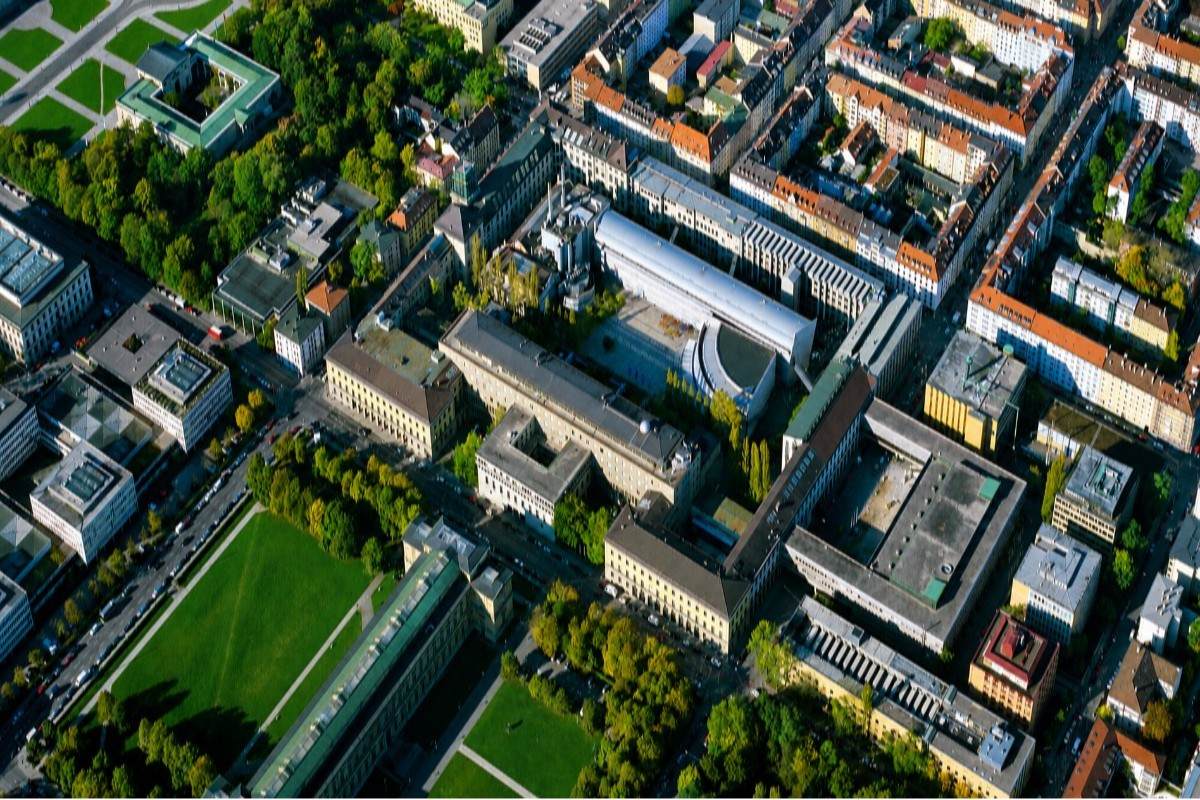
 Germany | Est. 2023
Germany | Bavarian State Ministry of Science and the Arts, licence regulated under the federal Ärztliche Approbationsordnung, listed in the World Directory of Medical Schools | German medium
Expert will call you within 2 hours
The Technical University of Munich trains doctors through its School of Medicine and Health, and the school sits inside one of the strongest technical universities in Europe. TUM restructured its medical faculty into this school in 2022, so medicine now shares one roof with sport and health sciences, health economics and biomedical engineering. You study medicine next to engineers, and that shapes the teaching. The school runs its clinical teaching at Klinikum rechts der Isar, the university hospital on the eastern bank of the Isar river, and adds partner hospitals across Munich and Bavaria for rotations.
The programme leads to the German Staatsexamen in human medicine, and the standard duration is 12 semesters, which means six years. One detail matters more than any other if you plan to apply. TUM does not teach the pre-clinical years on its own. Munich splits medical education between two universities. Ludwig Maximilian University of Munich and TUM run the pre-clinical phase jointly, and most of that teaching happens at LMU under LMU's study and examination regulations. After you pass the first part of the state medical examination, the Physikum, the two universities allocate students to the clinical phase at either LMU or TUM. You therefore apply to the joint Munich pre-clinical programme through hochschulstart.de, not directly to TUM for year one. TUM becomes your teaching home for the clinical years if you are allocated there.
Language sets the second boundary. The whole degree runs in German. TUM asks for proof of German at the level required for a state examination programme, and DSH-2 or TestDaF level 4 in all four sections are the usual routes. English proficiency alone will not get you in. If your plan is to return to India and register with the National Medical Commission, read that sentence twice. The NMC's Foreign Medical Graduate Licentiate Regulations 2021 require the medium of instruction to be English, and a German-taught Staatsexamen does not satisfy that condition. Students from India who study medicine in Germany usually stay in Germany, work through the Approbation process and build a career in the German system. TUM is an excellent choice for that path and a poor choice for a quick route back to an Indian licence.
Munich itself explains part of the appeal. The city holds two university hospitals, the Helmholtz Munich research centre, several Max Planck institutes and a dense biotech corridor, so clinical work and research sit close together. TUM ranks first among German universities in several international tables, and QS placed it inside the world top 30 in recent editions, with strong subject placements in medicine and life sciences. That reputation carries weight in German hospital recruitment and in European research funding, and it also means competition for places is severe.
The clinical phase at TUM leans on the school's technical identity. Students work with simulation, imaging, robotic surgery and digital health tools earlier than in many German faculties, because the engineering departments sit on the same campus network. The TUM Medical Education Center coordinates teaching, runs the skills labs and manages the objective structured clinical examinations. You spend your days in small groups on wards, in outpatient clinics, in operating theatres and in the skills centre, and the teaching hospital treats a full range of tertiary cases, including transplant surgery, oncology, cardiology and neurosurgery.
Research opportunities open up quickly. TUM offers a structured MD-PhD path and several doctoral programmes for medical students who want a research doctorate alongside the state examination, and many students complete a Dr. med. thesis during the clinical years. The school also participates in the German Centre for Cardiovascular Research and the German Centre for Diabetes Research, so laboratory placements are available in areas that publish heavily. If you want to combine bedside medicine with laboratory science, few German faculties offer a wider choice.
Money works differently in Germany than in most study destinations. Bavaria charged no tuition for years, and public universities funded teaching from the state budget. Bavaria then introduced tuition fees for students from outside the EU and the EEA, and TUM publishes the current rates and the exemptions on its central fee page. Whether you pay depends mainly on your citizenship and partly on your previous education, so you must check your own case with TUM before you budget. Every student, EU or not, pays the semester contribution, which covers the student union services and the public transport arrangement in Munich. That contribution stays modest, close to EUR 85 per semester in recent terms.
Living costs are the real expense in Munich. The city ranks among the most expensive in Germany, and rent drives that. Student halls run by the Studierendenwerk München Oberbayern offer the cheapest rooms, often between EUR 300 and EUR 450 per month, but demand far exceeds supply and waiting lists run for several semesters. Private shared flats cost more, frequently EUR 600 to EUR 900 for a room. You also need to prove financial means before the visa is issued. Germany requires a blocked account, and the required annual amount has risen steadily, so confirm the figure with the German mission before you apply. Health insurance is compulsory, and statutory student cover costs roughly EUR 130 to EUR 150 per month.
The academic calendar starts the pre-clinical phase in the winter semester, and the application window for state examination programmes closes in mid-July for the winter intake. International applicants with a non-German school leaving certificate usually route their documents through uni-assist, and applicants whose qualification is not directly recognised may need to pass the Feststellungsprüfung after a preparatory Studienkolleg year. That extra year surprises many families, so plan for it.
Clinical practice fills the later stages. German medicine requires nursing care experience and clinical clerkships, known as Famulaturen, during the holidays, and the final year, the Praktisches Jahr, places you in internal medicine, surgery and an elective for four months each. TUM offers PJ places at Klinikum rechts der Isar and at affiliated hospitals, and it accepts electives abroad through partner agreements. You finish with the third part of the state examination, an oral and practical examination at the bedside, and then apply for Approbation, the German licence to practise.
Careers after graduation stay strong. Germany faces a physician shortage, particularly outside the large cities, and residency posts, called Weiterbildung, are widely available. Pay during residency starts around EUR 5,000 per month gross under the standard collective agreements, and specialist training takes five to six years depending on the field. TUM graduates compete well for posts in Munich's teaching hospitals, and the research doctorate improves the odds in academic departments.
You should apply to TUM if you speak German or will commit to reaching C1, if you intend to build a career in Germany or the wider EU, and if you want technology-heavy clinical training in a research-dense city. You should look elsewhere if you need an English-medium programme, if you need a licence in India, or if you cannot absorb Munich living costs. The teaching is excellent, the hospital is serious, and the entry requirements are unforgiving.
No hidden charges, no donation. The full picture of costs at MBBS in (TUM) School of Medicine and Health.
Tuition Fee
€4,000 to €12,000 per year
approximately EUR 85, about USD 92, about INR 8,100 per semester
Hostel Fee
(EUR)4,200 (USD)4,536 (INR) 3,99,200
approximately EUR 300 to EUR 450 per month, about USD 4,536 about INR 3,99,200
Food & Meals
(EUR)3,600 (USD) 3,888 (INR)3,42,100
per month
Insurance
(EUR) 1,700 (USD) 1,836 (INR) 1,61,600
per year
Donation
No donation
No hideen fees
Total Estimated Cost
(EUR)10,370 (USD) 11,200 (INR) 9,85,600
6-year
25–35%
Average FMGE first-attempt pass rates for students from many overseas medical universities. Students from structured programs consistently score higher.
Students returning to India need to clear the FMGE/NExT exam. MBBS in (TUM) School of Medicine and Health integrates exam-oriented coaching into the regular curriculum so students are prepared from day one.
A structured program that takes you from foundational sciences to clinical mastery.
You build the scientific base at LMU under the joint Munich pre-clinical arrangement, and you complete the compulsory first aid certificate and begin the nursing care placement during breaks
medical terminology, physics for medicine, chemistry, medical psychology and sociology, first aid course
You finish the dissection course and the laboratory practicals, then sit the Physikum, the first part of the state examination. Your result and your preference decide whether you continue at TUM or LMU
neuroanatomy, physiology practicals, biochemistry practicals, introduction to clinical medicine
You move into the clinical phase at TUM, learn to examine patients properly in the skills lab, and start ward-based small group teaching at Klinikum rechts der Isar
immunology, clinical chemistry, radiology, physical examination skills
You rotate through the core specialties, take histories and present cases, and complete clinical clerkships during the holidays. Many students begin doctoral research in this year
neurology, psychiatry, dermatology, clinical rotations and Famulaturen
medicine You cover the remaining specialties, sit the written second part of the state examination, and consolidate practical skills before the final year
ophthalmology, otolaryngology, orthopaedics, anaesthesiology, emergency medicine, general practice, forensic medicine
You work as part of the clinical team under supervision, then sit the third part of the state examination, an oral and practical assessment at the bedside, and apply for Approbation
four months internal medicine, four months surgery, four months elective
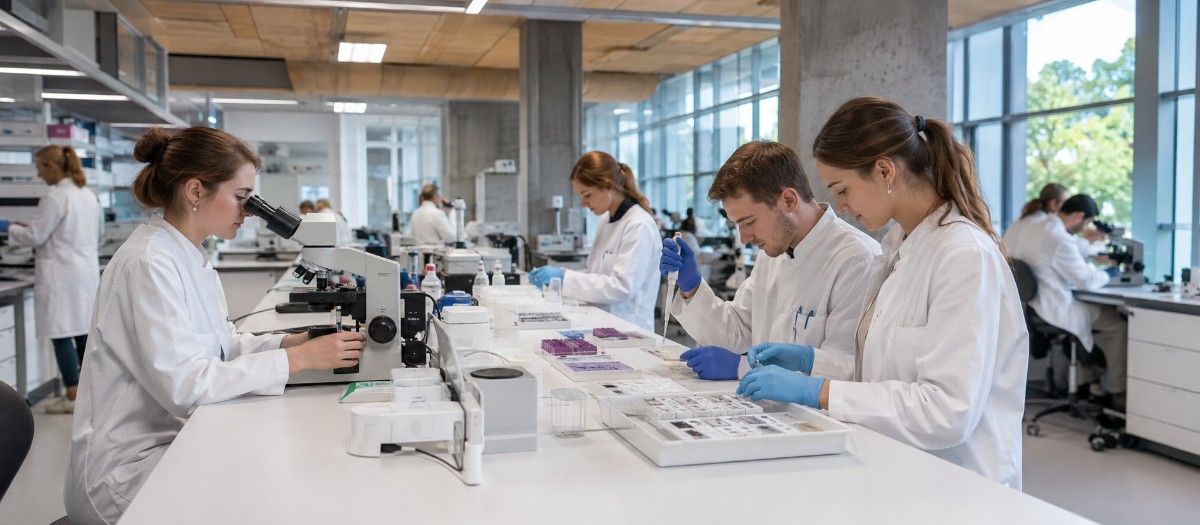

Furnished hostel rooms with Wi-Fi, laundry, 24/7 security, and Indian mess on or near campus.
Indian restaurants and mess facilities serving vegetarian and non-vegetarian home-style food daily.
Strong Indian community with cultural events, festival celebrations, and peer support groups.
Students get hands-on clinical training in government and private hospitals affiliated with the university.
Practical information for students planning to study at MBBS in (TUM) School of Medicine and Health.
Prepare for all seasons. Thermal wear for winters, light clothing for summers. University provides heating in hostels.
Student visa processed with university invitation letter. Direct and connecting flights from major Indian cities.
Health insurance included in fees. Medical facility on campus plus city hospitals easily accessible.
Local SIM cards available. WhatsApp and video calls keep you connected with family back home.
Average monthly expenses of $150–$250 covering food, transport, and personal needs.
University library, online databases, and study groups. Seniors mentor juniors through academic challenges.
Our team guides you through every step — from application to arriving on campus.
Begin German lessons as early as possible, ideally alongside Class 11–12, targeting B1 within 12 months and progressing toward the required B2–C1 level.
Submit Class 10, 12, and any higher-education transcripts for verification. Processing typically takes 3–5 weeks; apply early, since this gates every subsequent step.
portal and apply to the correct track, the M-Kurs for medical aspirants, at your shortlisted Studienkolleg institutions.
Complete the roughly 10–12 month M-Kurs program covering Biology, Chemistry, Physics, and German, then pass the Feststellungsprüfung (FSP), the qualifying exam for university entry.
Submit applications to your shortlisted universities. Uni-assist fees run €75 for the first program and €30 for each additional program in the same semester.
University decisions follow Uni-assist’s document evaluation and forwarding; final admission is always the university’s own decision.
Deposit €11,904 into a blocked account (via Fintiba, Expatrio, or a similar provider) and arrange either public (€140–€160/month) or private health insurance; both are mandatory prerequisites for the visa stage.
Submit your visa application at the German consulate in India (Delhi, Mumbai, Bengaluru, or Chennai), with your admission letter, APS certificate, language proficiency proof, blocked account confirmation, and insurance proof. Realistic processing time is 6–12 weeks.
Bring originals of every document submitted digitally. Be prepared to discuss your study plans, financial arrangements, and reasons for choosing Germany.
Book travel around your intake date (October for Winter, April for Summer), and complete formal university enrollment on arrival. Medical study then begins with the Pre-Clinical phase.
Admission Helpline — Contact our counsellors for step-by-step assistance.
“The faculty here is incredibly supportive. The clinical training during hospital rotations has given me real confidence in patient care.”
“Affordable fees without compromising on quality. The campus facilities and hostel life made my transition abroad very smooth.”
“English medium instruction and WHO-recognized curriculum were the deciding factors for me. No regrets so far — excellent experience overall.”
“The university helped with everything from visa to accommodation. Hospital exposure from year three has been invaluable for my FMGE prep.”
“Just cleared my licensing exam on the first attempt. The structured coaching and mock exams during final year were a game-changer.”
“Safe campus, good food options, and a strong Indian student community. The teaching methodology is very practical and hands-on.”
No. LMU teaches most of the pre-clinical phase under the joint Munich arrangement, and TUM takes students for the clinical phase
No. Teaching runs in German, and you need DSH-2 or TestDaF
No. FMGL 2021 requires English-medium instruction, so a German Staatsexamen does not qualify
Twelve semesters, six years, followed by the final state examination
EU and EEA students pay none. Bavaria charges non-EU tuition, so confirm your own rate on TUM's official fee page.
? Through hochschulstart.de for the winter intake, with international documents routed via uni-assist
Usually yes, if your school certificate is not treated as Abitur-equivalent. You then pass the Feststellungsprüfung
? Studierendenwerk rooms cost roughly EUR 300 to EUR 450 per month, and waiting lists are long.
Yes. You can complete a Dr. med. thesis or join the structured MD-PhD track.
You apply for Approbation and enter Weiterbildung, German residency training, which takes five to six years


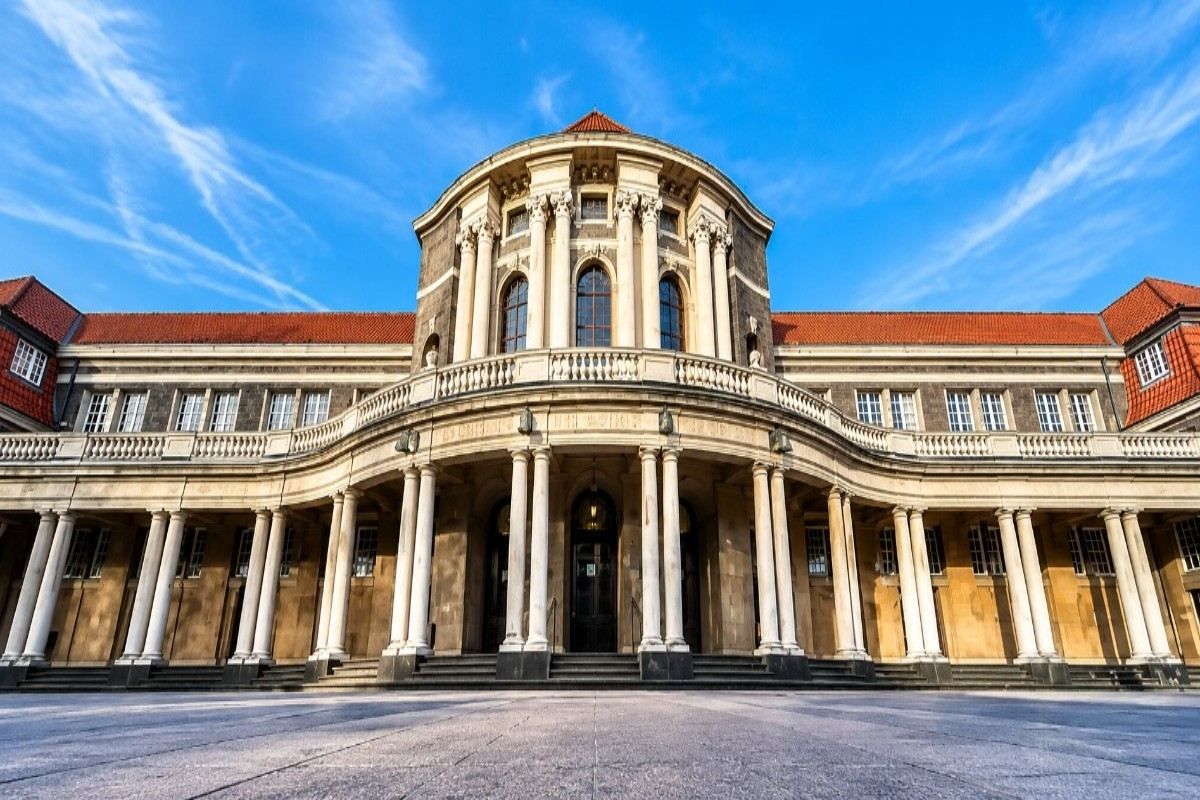
Our expert counsellors will guide you through the complete admission process — from documents to airport pickup.