
Q1. Is this campus part of the University of Turin?
+Yes, it is one of the University of Turin's two historic Faculties of Medicine and Surgery, specifically the "Second Faculty, San Luigi," based in Orbassano.
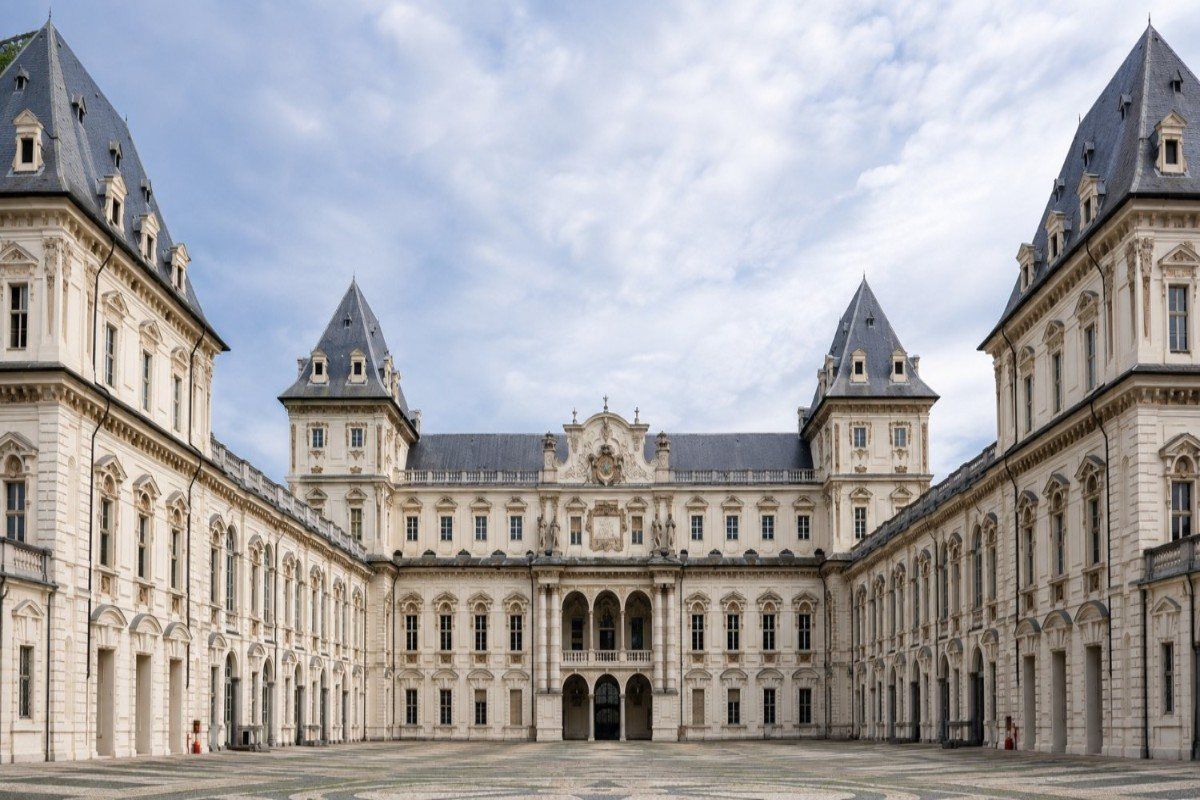
 Italy | Est. 1404
Italy | Italy's Ministry of University and Research | English medium
Expert will call you within 2 hours
People mostly just call it UniTo for short. Its own educational roots reach back genuinely far, to a Roman-era law school founded under Emperor Theodosius I, and later to 25 May 825, when Emperor Lothair I's Capitulary of Corteolona established imperial schools teaching law, rhetoric, and the liberal arts, with Turin named specifically alongside Pavia, then capital of the Kingdom of Italy. So, this university's connection to organised higher learning in the city predates its own formal founding by nearly six centuries.
The university properly speaking was founded in 1404, at the initiative of Prince Ludovico of Acaia, when the Antipope Benedict XIII issued the formal founding bull for the Studium of Turin, with Giovanni da Rivalta serving as the university's first chancellor. Here is a fact most guides skip entirely. Medicine was present from this very 1404 founding, one of the university's own original faculties from day one, not a later addition. So, when this campus describes its own lineage as tracing back to UniTo's historic Faculty of Medicine, that claim genuinely reaches back over six centuries to the university's own founding charter.
This specific campus and identity, historically known as the Facoltà di Medicina e Chirurgia II, San Luigi, developed as UniTo's medical teaching expanded to serve the growing Turin metropolitan area, with a dedicated second faculty structure and its own teaching hospital established at Orbassano, distinct from the university's original, larger medical faculty based in Turin city itself. So, applicants should understand this campus as one of two historic medical faculty structures within the same parent university, not a separate, competing institution.
UniTo's own nineteenth-century scientific revival directly shaped the medical tradition this campus continues today. In 1873, Giulio Bizzozero founded the university's laboratory of general pathology, and was the first in Italy to use the microscope specifically to study blood platelets. In 1876, Cesare Lombroso founded the Institute of Legal Medicine. So, this university's medical faculties carry a genuinely documented history of real scientific firsts, not vague claims of general excellence.
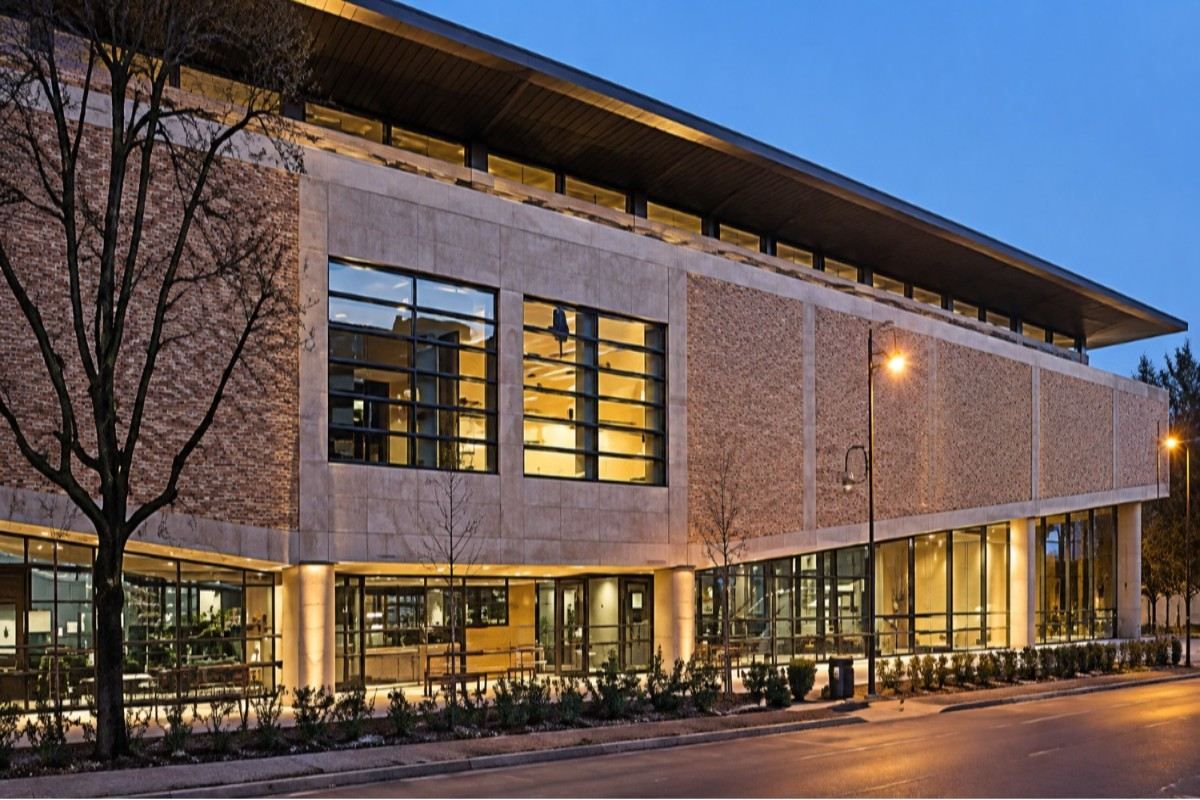
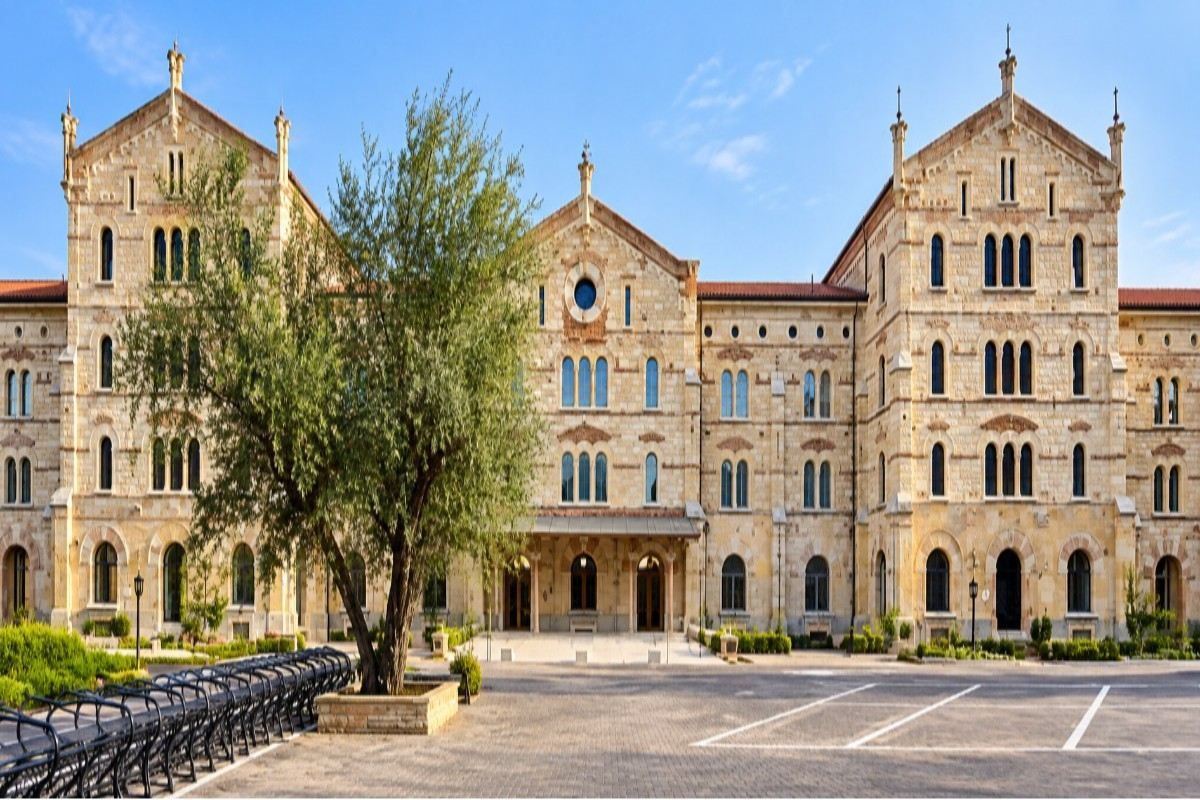
Orbassano sits within Turin's wider metropolitan area, and this specific campus genuinely functions as its own self-contained university site, configured deliberately as a campus in the fullest sense, combining hospital structures with connected logistical services and university teaching facilities together in one location. So, unlike the more spread-out teaching arrangement found at UniTo's main Turin city site, Orbassano offers a genuinely compact, unified campus experience.
Here is the single most important, distinguishing detail about this specific campus worth knowing clearly. The University of Turin's English-taught Medicine and Surgery programme is based entirely here, at the Polo Ospedaliero San Luigi Gonzaga in Orbassano, making this the exclusive site for UniTo's international, English-medium medical degree. So, applicants specifically seeking an English-taught pathway into medicine at the University of Turin should understand that Orbassano, not the main Turin city campus, is where that programme actually runs.
Clinical training runs through the Azienda Ospedaliero-Universitaria San Luigi Gonzaga di Orbassano, which itself also serves as this campus's own dedicated university hospital, housing the Department of Clinical and Biological Sciences as its main site, alongside the Department of Oncology, both formally part of the wider Scuola di Medicina structure.
Medicine and Surgery at this campus runs as a six-year single-cycle degree, following Italy's standard national medical curriculum. For the English-taught international track, admission runs through IMAT, the International Medical Admissions Test, sat in English and used specifically for non-Italian-medium medical programmes across several Italian universities. NEET remains a genuine requirement for Indian applicants here, exactly as it does for MBBS study in most other countries, and Indian graduates would still need to clear the FMGE or NExT exam to practise medicine back in India.
Orbassano itself sits within genuine, easy reach of Turin city centre, giving students at this campus real, practical access to the wider metropolitan area's own cultural, social, and transport infrastructure, despite the campus's own more compact, self-contained setting. This combination gives students the benefit of a focused, purpose-built medical campus environment, while still remaining genuinely close to one of northern Italy's most historically and culturally significant cities. Turin itself is well known for its Baroque architecture, its own strong automotive industry heritage, and its role as Italy's first national capital following unification.
Students choosing between UniTo's two medical faculties, this Orbassano campus and the separately located main Turin city site, are essentially choosing between two genuinely different structural experiences within the same parent university, one offering a compact, unified campus with English-medium admission via IMAT, and the other offering a larger, more urban, Italian-medium experience spread across the city. Both trace back to the same deep 1404 founding and share the same documented scientific legacy, but function today as genuinely distinct sites with their own separate admissions processes and campus cultures.
Tuition fees follow the same standard Italian public-university, income-linked ISEE model used across all of UniTo's sites, including this one.
Cost Item | Amount | Notes |
Tuition (ISEE-based, no-tax area) | Full or partial exemption for lower-income students | Standard Italian public-university income-linked model, consistent across all UniTo sites, including Orbassano |
Tuition (ordinary ISEE brackets) | Calculated per UniTo's own bracket structure | Genuinely difficult to calculate precisely in advance without an individual ISEE figure |
Regional Tax + Stamp Duty (first instalment) | Approx. EUR 140 (regional tax) + EUR 16 (stamp duty) | Standard charges applied across nearly all Italian public universities |
International/Non-EU Applicant Note | Same ISEE-based system generally applies | Specific provisions for non-EU applicants without an Italian-format ISEE; confirm directly, since figures weren't independently confirmed |
Second and Third Instalments | ISEE-based (second) and merit-based, tied to credits earned (third) | Consistent with the standard Italian public-university contribution model |
Total 6-Year Estimate | — | Genuinely dependent on individual ISEE and non-EU applicant status; confirm directly via UniTo's own official tasse webpage |
Note: no capitation fee is confirmed at any stage. Confirm UniTo's own current, official international fee schedule directly, since specific non-EU figures weren't independently confirmed in this profile.
Most lists mention UniTo's Medicine offer without clearly distinguishing between its two historic faculty sites. However, they do not explain that this specific campus is the exclusive home of UniTo's English-taught programme. The reason is simple. It is about a real, specific structural fact most guides never mention.
Orbassano is not like UniTo's main Turin city site when it comes to language of instruction. In fact, this campus specifically, and exclusively, hosts UniTo's English-medium Medicine and Surgery programme. Furthermore, this is a genuinely important, specific detail that determines whether an international applicant should be looking at this campus or the main Turin city site.
The campus's own unified structure also matters more than most guides let on. For example, most guides describing large Italian public universities describe teaching sites spread across a city. This specific site is deliberately configured as a genuine, self-contained campus, combining its own teaching hospital directly with university facilities and logistics in one unified location. Moreover, students here get a genuinely more compact, integrated experience than the more dispersed arrangement found at UniTo's main Turin city faculty.
One thing most other blogs miss is exactly which admission test applies here. In addition to Italy's standard national system used elsewhere, this campus's English-taught track specifically uses IMAT, the International Medical Admissions Test. Since this is a genuinely different exam from the standard Italian-medium admission process, applicants need to confirm exactly which track, and which test, applies to their own specific application.
No hidden charges, no donation. The full picture of costs at MBBS in University of Turin Faculty of Medicine and Surgery.
Tuition Fee
Income-linked (ISEE-based); non-EU applicant fixed contribution not independently confirmed
Full or partial exemption for lower-income students
Hostel Fee
€200 to €450 per month
€200 to €450 per month
Food & Meals
€55 to €130 per month
per month
Insurance
€700 per calendar year
per year
Donation
No donation
No hidden fee
Total Estimated Cost
Genuinely dependent on individual ISEE and non-EU applicant status; confirm directly
6 year
25–35%
Average FMGE first-attempt pass rates for students from many overseas medical universities. Students from structured programs consistently score higher.
Students returning to India need to clear the FMGE/NExT exam. MBBS in University of Turin Faculty of Medicine and Surgery integrates exam-oriented coaching into the regular curriculum so students are prepared from day one.
A structured program that takes you from foundational sciences to clinical mastery.
● In addition, this stage combines teaching and hospital facilities within one integrated location
● First, Anatomy, Biochemistry, and Physiology are delivered within Orbassano's genuinely unified campus setting
● Furthermore, this stage builds on real 19th-century medical research firsts, including Bizzozero's own work
● Next, Pathology, Microbiology, and Pharmacology draw on the university's documented scientific tradition
● Moreover, this stage runs through the Department of Clinical and Biological Sciences and the Department of Oncology
● Then, Medicine, Surgery, and allied clinical subjects run through hands-on training at the Azienda Ospedaliero-Universitaria San Luigi Gonzaga
● Also, graduates must pass Italy's Esame di Stato and register with the relevant professional body before practising
● Finally, no separate internship year is appended; clinical training runs throughout the six-year single-cycle degree itself
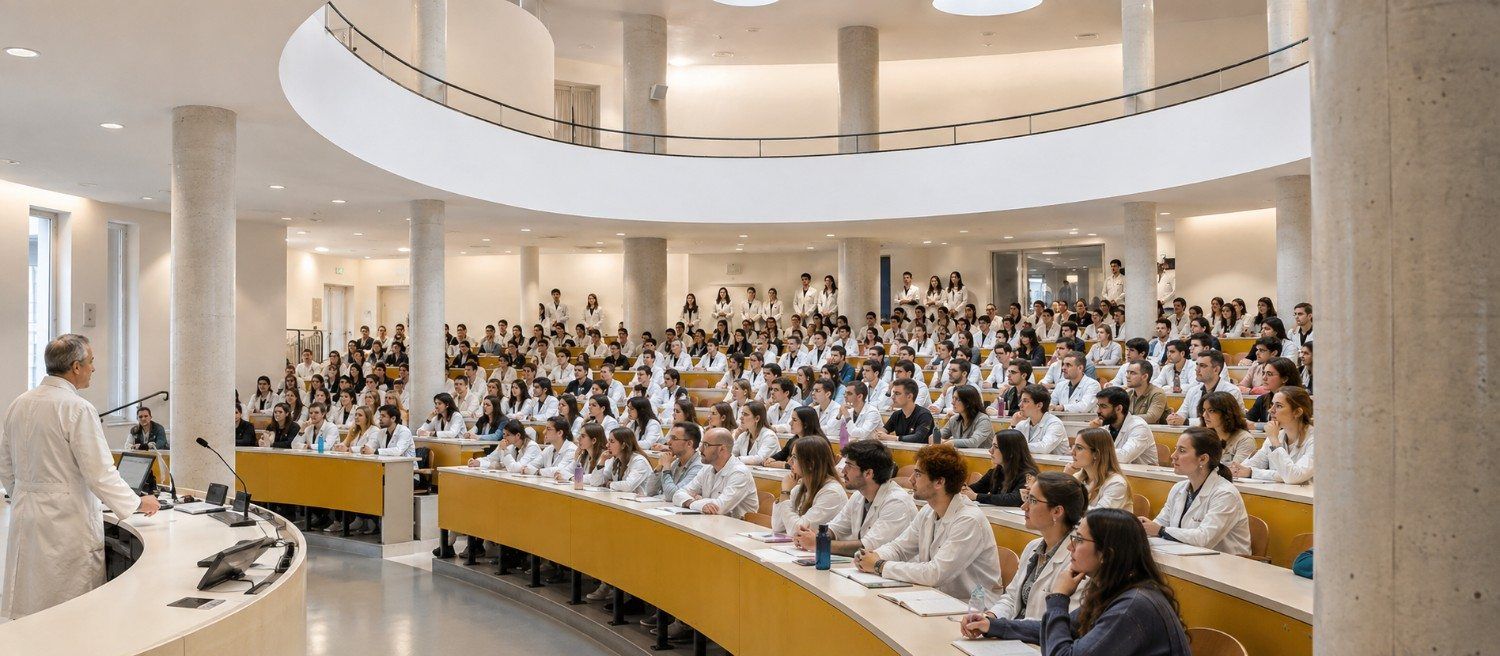
Furnished hostel rooms with Wi-Fi, laundry, 24/7 security, and Indian mess on or near campus.
Indian restaurants and mess facilities serving vegetarian and non-vegetarian home-style food daily.
Strong Indian community with cultural events, festival celebrations, and peer support groups.
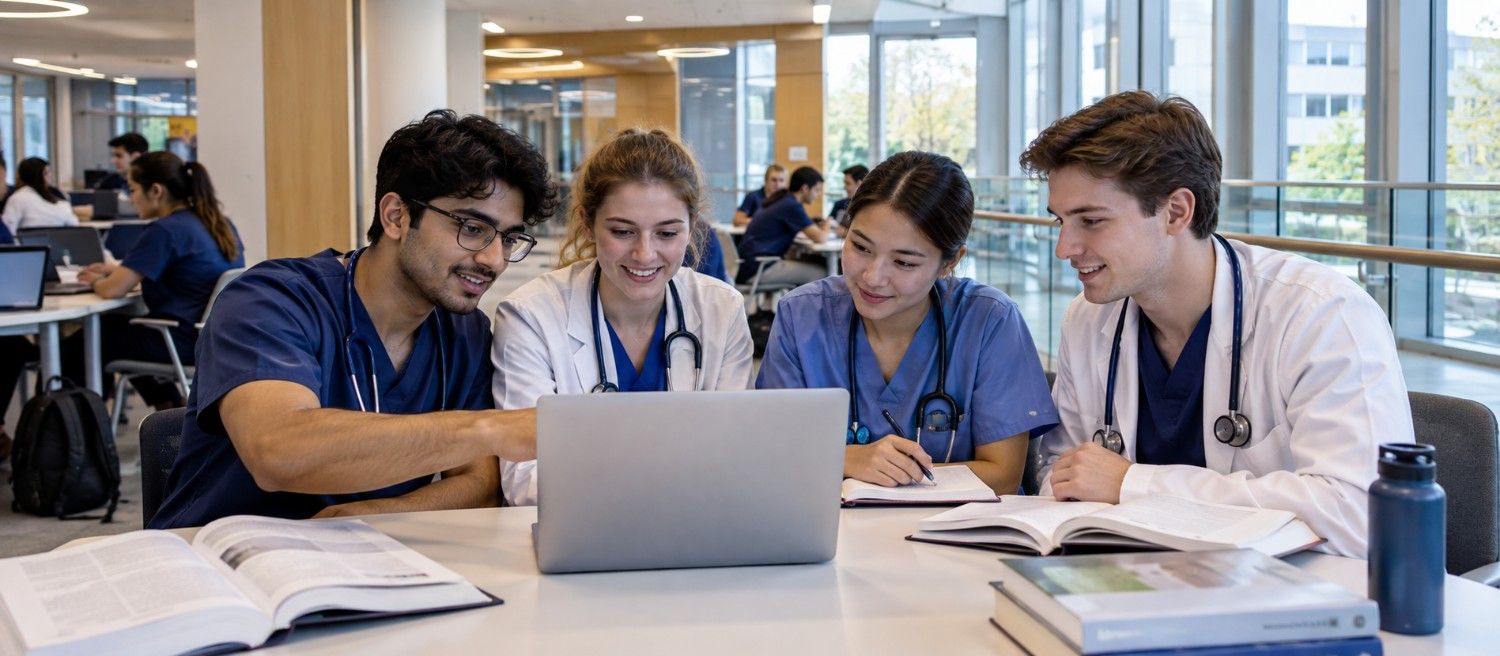
Students get hands-on clinical training in government and private hospitals affiliated with the university.
Practical information for students planning to study at MBBS in University of Turin Faculty of Medicine and Surgery.
Prepare for all seasons. Thermal wear for winters, light clothing for summers. University provides heating in hostels.
Student visa processed with university invitation letter. Direct and connecting flights from major Indian cities.
Health insurance included in fees. Medical facility on campus plus city hospitals easily accessible.
Local SIM cards available. WhatsApp and video calls keep you connected with family back home.
Average monthly expenses of $150–$250 covering food, transport, and personal needs.
University library, online databases, and study groups. Seniors mentor juniors through academic challenges.
Our team guides you through every step — from application to arriving on campus.
Our Italy specialist explains the IMAT process, the income-based fee system, Bologna vs Rome vs other universities, and a total cost comparison with Hungary and Poland.
Our team registers you for IMAT (September test) and begins structured coaching. Biology, Chemistry, Physics, Maths, Critical Thinking. Begin preparation at least 6 months before the test.
Full Italian visa and IMAT application document set academic certificates, income documentation if applicable.
IMAT taken at designated test centres. We provide post-test analysis and guidance on university rankings.
Following IMAT ranking, the Italian university issues an admission confirmation. Our team can help with this process.
Full documentation submitted to the Italian Embassy or Consulate. Begin immediately after receiving the admission letter.
Our team advises qualifying families on the income-based fee reduction process.
Bologna /Rome orientation, accommodation, portico culture, Italian transport, Trenitalia app, banking, SIM card.
Our local team in Bologna (BLQ) or Rome (FCO) meets you and manages the first-week settlement.
We manage the Permesso application at the local Post Office within 8 days of arrival with our support, which is renewed annually.
Admission Helpline — Contact our counsellors for step-by-step assistance.
“The faculty here is incredibly supportive. The clinical training during hospital rotations has given me real confidence in patient care.”
“Affordable fees without compromising on quality. The campus facilities and hostel life made my transition abroad very smooth.”
“English medium instruction and WHO-recognized curriculum were the deciding factors for me. No regrets so far — excellent experience overall.”
“The university helped with everything from visa to accommodation. Hospital exposure from year three has been invaluable for my FMGE prep.”
“Just cleared my licensing exam on the first attempt. The structured coaching and mock exams during final year were a game-changer.”
“Safe campus, good food options, and a strong Indian student community. The teaching methodology is very practical and hands-on.”
Yes, it is one of the University of Turin's two historic Faculties of Medicine and Surgery, specifically the "Second Faculty, San Luigi," based in Orbassano.
In Orbassano, within Turin's wider metropolitan area, genuinely distinct from and more compact than UniTo's larger main medical faculty site in Turin city itself.
Yes, exclusively; the University of Turin's English-medium Medicine and Surgery programme runs entirely at this Orbassano campus.
Yes, a valid, qualifying NEET score is required for Indian applicants.
IMAT, the International Medical Admissions Test, registered via the Universitaly portal.
It follows Italy's standard income-linked ISEE model; non-EU applicants without an Italian ISEE should confirm the current fixed contribution directly with UniTo.
The Azienda Ospedaliero-Universitaria San Luigi Gonzaga di Orbassano, which also serves as this campus's own dedicated university hospital.
It runs six years as a Single-Cycle Degree, with no separate internship year, though the Esame di Stato follows graduation.
The university was founded in 1404, with Medicine among its original founding faculties; this specific Orbassano campus and faculty structure developed later as UniTo's medical teaching expanded.
The Department of Clinical and Biological Sciences (main site) and the Department of Oncology, both part of UniTo's wider Scuola di Medicina structure.

Our expert counsellors will guide you through the complete admission process — from documents to airport pickup.