
Q1. Is the medicine programme taught in English?
+A: No. The Grado en Medicina is taught in Spanish and Catalan, so applicants should hold or work toward DELE B2/C1-level Spanish before enrolling.
 Spain | Est. 1991
Spain | Ministry of Universities of Spain; AQU Catalunya (Catalan University Quality Assurance Agency) | Spanish and Catalan medium
Expert will call you within 2 hours
Most foreign consultants in medical education in Spain usually advertise medical programmes in cities like Valencia or Alicante and even private universities with English language programmes. It is difficult to recommend Universitat de Lleida for this reason since its programme is conducted solely in Spanish and Catalan languages. The course structure and admission requirements are the same as for any other public university in Catalonia. For a person interested in English medium medical programme, the choice has to be made elsewhere.
Modern Medical Faculty was established in 1991 after Lleida became an independent public university according to the Catalan law. However, the education in this field started much earlier, in 1977 when the University of Barcelona started giving medical education in Lleida. Such long educational history gave the faculty a chance to create strong connections with hospitals even before its independence. These relations still remain a very important factor of its medical programme.
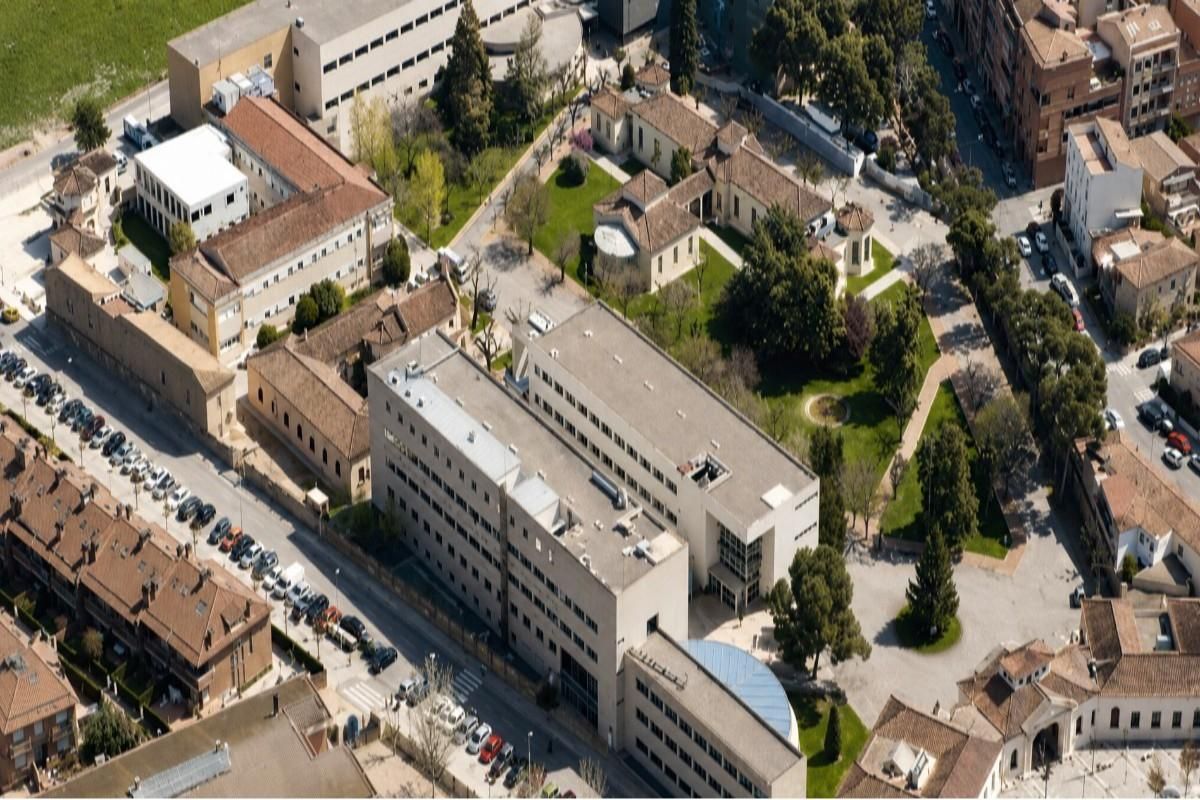
In contrast with most medical schools with dedicated campus for the programme, the Faculty of Medicine of Lleida is tightly connected with the local health care infrastructure. Administrative offices and the first two years of the programme are held within the premises of Hospital Santa Maria. There are also anatomy laboratories, osteology units and Health Science Library available nearby. The hospital-based environment gives the possibility for students to get acquainted with clinical environment already during the first years of their study.
From the third year and further, the clinical practice is mostly carried out in the framework of Hospital Universitari Arnau de Vilanova – the main regional hospital which is responsible for medical referrals in the region. The university has a special teaching unit in the hospital, where students have great opportunities for practical study. In contrast with observation of occasional clinical practice in some other universities, students spend quite a lot of time in this active environment.
The Medicine Degree Programme has the common for Spain six-year, 360 ECTS structure. It starts with two years of basic science courses followed by a transitional year devoted to pathophysiology. The fourth and fifth years concentrate on clinical rotations in the main specialities. The sixth year is taken up with the Rotatorio internship to prepare students for the further postgraduate residency training via MIR examination.
The programme is controlled by numerus clausus of Catalonia – the limit for the number of publicly-funded places in the university. The students are rated according to their academic achievements, and not by the order of application. In contrast with most private universities, there is no system of rolling admission and quotas for international students. Because of this, the competition for places remains high.
For many foreign students, the main advantage of the programme is its cost. Tuition fee at public universities in Catalonia is set by regional authorities and not the university itself. The annual tuition for non-EU students is normally between €4,500 and €6,000. It is much less than that of many private universities in Spain.
However, this low price is connected with an important requirement. Students have to possess good knowledge of Spanish language before the enrolment since lectures, exams and communication with patients are all conducted in Spanish and Catalan languages. DELE B2 certificate is considered to be the minimum requirement; however, better knowledge of Spanish is preferable. The knowledge of Spanish cannot be acquired after enrolment in the programme.
Research activity is also one of the priorities of the faculty. Academic research is tightly connected with Institut de Recerca Biomèdica de Lleida (IRBLleida) located in the vicinity of the Hospital Universitari Arnau de Vilanova. The research groups do research in the fields of oncology, neuroscience and mental diseases. All students have to complete final year research project (Treball de Fi de Grau) and sometimes it is published in scientific journals.
Lleida itself presents a quiet alternative to Spanish large cities. Located on the Segre river in the interior part of Catalonia, it is situated approximately 90 minutes by train from Barcelona. Combining historic charm with lower cost of living compared with Barcelona or Madrid, Lleida provides its students with quieter environment without isolating them from the region.
The prices of accommodation are also rather low. Apartments for sharing near Hospital Santa Maria or the Rovira Roure campus can cost from €250 to €450 per month. Over the whole six-year period of the programme, this difference in cost of accommodation can present serious financial savings in comparison with the study in larger metropolis. Even daily cost of living is lower than in Barcelona.
On the whole, Universitat de Lleida presents a rather traditional medical programme in Spanish public university with comparatively low costs. The advantages include tight connection with regional hospitals, intensive clinical practice, active biomedical research and low cost of living. On the other hand, it is not an English medium programme or an easy way to enter European medical education system.
No hidden charges, no donation. The full picture of costs at MBBS In Universitat de Lleida Facultad de Medicina.
Tuition Fee
Approximately EUR 4,500-6,000 (Approx. Rs. 4.95 lakh-6.60 lakh)
EUR 4,500-6,000 Approx. Rs. 4.95 lakh-6.60 lakh
Hostel Fee
Approximately EUR 2,500-4,500 per year (Approx. Rs. 2.75 lakh-4.95 lakh)
EUR 2,500-4,500 Approx. Rs. 2.75 lakh-4.95 lakh
Food & Meals
EUR 2,000-3,000 Approx. Rs. 2.20 lakh-3.30 lakh
per year
Insurance
EUR 300-500 Approx. Rs. 33,000-55,000
per year
Donation
No Donation
No Hidden Fees
Total Estimated Cost
Approx. EUR 56,000-84,000
total 6 year
25–35%
Average FMGE first-attempt pass rates for students from many overseas medical universities. Students from structured programs consistently score higher.
Students returning to India need to clear the FMGE/NExT exam. MBBS In Universitat de Lleida Facultad de Medicina integrates exam-oriented coaching into the regular curriculum so students are prepared from day one.
A structured program that takes you from foundational sciences to clinical mastery.
• Introduction to public health, biostatistics, and scientific methodology
• Human anatomy, histology, biochemistry, physiology, and medical biology
• Pathological anatomy and general pharmacology
• Advanced physiology, genetics, immunology, and microbiology
• Early patient contact through Hospital Santa Maria and primary care rotations
• General pathology, pharmacology, and introduction to clinical medicine
• Radiology, clinical pharmacology, and legal medicine
• Clinical rotations in internal medicine, surgery, and paediatrics at Hospital Universitari Arnau de Vilanova
• Research project (Treball de Fi de Grau) and evidence-based medicine training
• Specialised rotations in gynaecology and obstetrics, psychiatry, and ophthalmology
• Preparation for the MIR licensing examination and postgraduate specialisation
• Full-time supervised clinical internship (Rotatorio) across major hospital departments
Furnished hostel rooms with Wi-Fi, laundry, 24/7 security, and Indian mess on or near campus.
Indian restaurants and mess facilities serving vegetarian and non-vegetarian home-style food daily.
Strong Indian community with cultural events, festival celebrations, and peer support groups.
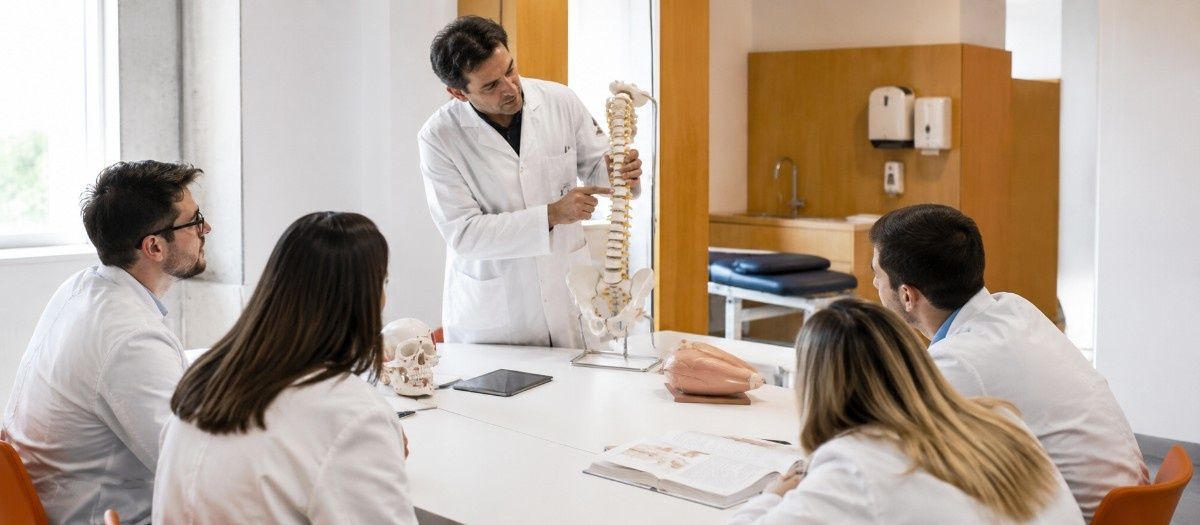
Students get hands-on clinical training in government and private hospitals affiliated with the university.
Practical information for students planning to study at MBBS In Universitat de Lleida Facultad de Medicina.
Prepare for all seasons. Thermal wear for winters, light clothing for summers. University provides heating in hostels.
Student visa processed with university invitation letter. Direct and connecting flights from major Indian cities.
Health insurance included in fees. Medical facility on campus plus city hospitals easily accessible.
Local SIM cards available. WhatsApp and video calls keep you connected with family back home.
Average monthly expenses of $150–$250 covering food, transport, and personal needs.
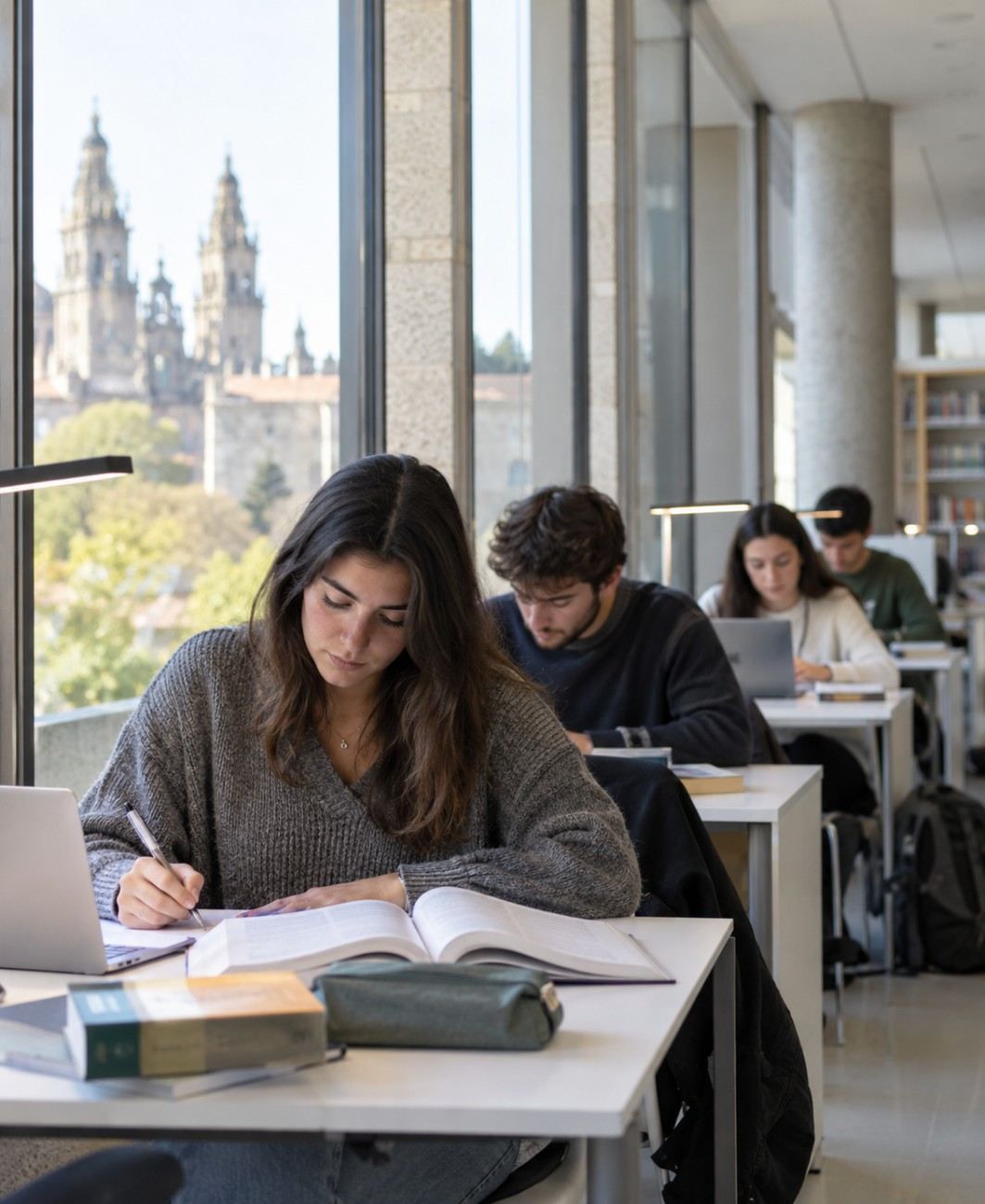
University library, online databases, and study groups. Seniors mentor juniors through academic challenges.
Our team guides you through every step — from application to arriving on campus.
Shortlist based on public vs private, the MBBS fee in Spain you’re comfortable with, city, and whether a partial-English track matters to you.
Begin DELE/SIELE B2 preparation well ahead of application deadlines.
Submit application; sit BMAT or a university-specific test where required.
Academic transcripts, NEET scorecard, language certificates, passport, and supporting documents.
Formal offer issued upon successful evaluation.
Initial steps toward having your Indian academic credentials recognised in the Spanish system.
Apply at the Spanish consulate with your offer letter, financial proof, and insurance documentation.
After arrival, register at your local town hall (ayuntamiento), a mandatory municipal registration step that most competitor guides skip entirely, but one you’ll need for everything from opening a bank account to enrolling in local healthcare.
Admission Helpline — Contact our counsellors for step-by-step assistance.
“The faculty here is incredibly supportive. The clinical training during hospital rotations has given me real confidence in patient care.”
“Affordable fees without compromising on quality. The campus facilities and hostel life made my transition abroad very smooth.”
“English medium instruction and WHO-recognized curriculum were the deciding factors for me. No regrets so far — excellent experience overall.”
“The university helped with everything from visa to accommodation. Hospital exposure from year three has been invaluable for my FMGE prep.”
“Just cleared my licensing exam on the first attempt. The structured coaching and mock exams during final year were a game-changer.”
“Safe campus, good food options, and a strong Indian student community. The teaching methodology is very practical and hands-on.”
A: No. The Grado en Medicina is taught in Spanish and Catalan, so applicants should hold or work toward DELE B2/C1-level Spanish before enrolling.
A: Yes. Indian students need a qualifying NEET score for future recognition of the degree in India, as required by the NMC.
A: Yes. The degree is publicly accredited in Spain, recognised under EU qualification rules, and listed in WDOMS.
A: Graduates from recognised medical schools may be eligible, subject to each licensing body's own separate requirements.
A: Clinical rotations from Year 3 onward are conducted mainly in Spanish/Catalan at the university's teaching hospitals.
A: They host clinical rotations from Year 3 and the full Year 6 Rotatorio internship, giving hands-on hospital exposure early.
A: Admission follows Catalonia's numerus clausus system, so seats are limited and ranked strictly by academic score.
A: Lleida is a compact riverside city on the Segre, known for affordable living, a hilltop old cathedral, and a large student population.
A: Yes. Students typically choose shared flats or private residences near the Hospital Santa Maria and Rovira Roure campuses.
A: Applicants typically need academic transcripts, NEET scores where applicable, passport copies, and proof of Spanish proficiency.
Our expert counsellors will guide you through the complete admission process — from documents to airport pickup.