
Q1. When was the University of Rzeszów established?
+The university was formed in 2001, while its medical programme launched later, in 2014, with the first students starting in 2015.
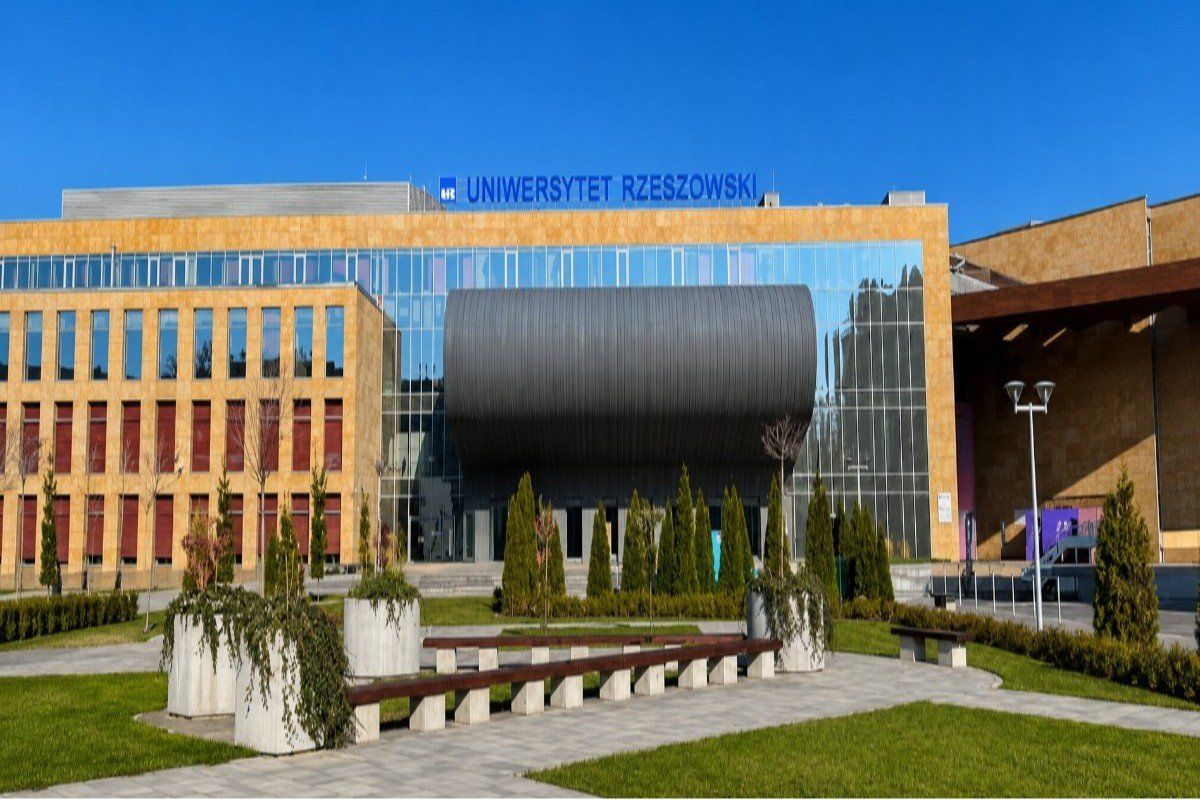
 Poland | Est. 2001
Poland | Recognised by the Polish Ministry of Science and Higher Education and accredited by the Polish Accreditation Committee (PKA). Also listed in WDOMS and recognised for ECFMG eligibility. | English runs through the whole MD programme medium
Expert will call you within 2 hours
The College and What Makes It Different
People usually just call it UR for short. The wider university opened in Rzeszów on 7 June 2001, formed by merging a teacher-training college, a local branch of a Lublin university, and an economics faculty from a Kraków agricultural academy. So, this makes it a fairly young public university, though built from older, established pieces.
A public, state-run body runs it, and it now teaches over 22,000 students across ten faculties. Medicine came later than the university itself. The medical programme was created in July 2014, and the first cohort of about 100 students began in the 2015/2016 academic year.
Here's a detail most overview pages skip entirely. UR's medical faculty is listed in WDOMS, the World Directory of Medical Schools co-managed by the World Health Organisation, and it also grants graduates eligibility for ECFMG certification, the pathway into practising medicine in the United States. So genuine international recognition backs this college, not just marketing copy.
The Rzeszów Campus and Its Setting
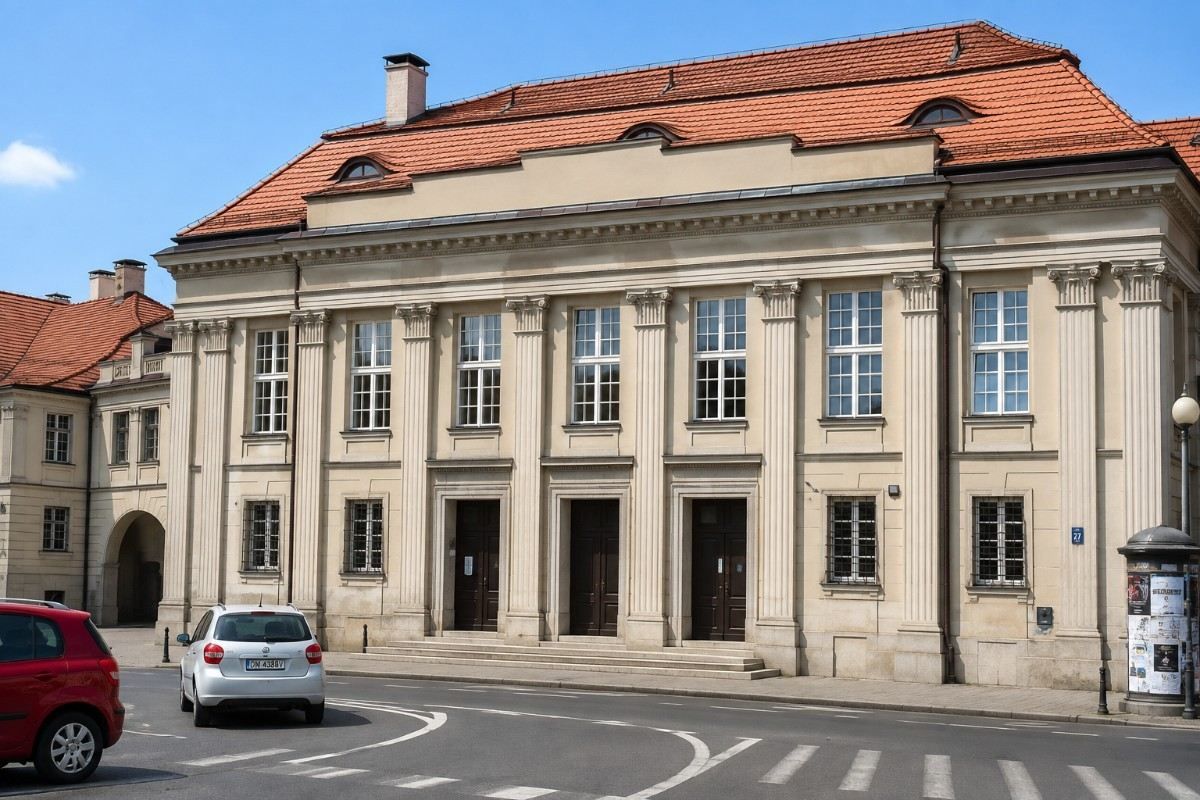
UR sits in Rzeszów, the largest city in southeastern Poland's Subcarpathian region. The main medical building sits at Aleja Tadeusza Rejtana 16C. So, the campus stays fairly compact and easy to navigate for new students.
Clinical training runs through partner hospitals and clinics around Rzeszów. The faculty works with more than 6,000 healthcare professionals across these partner sites. So, students see a genuinely wide range of real clinical settings during their training.
International students get their own dedicated English-medium track. This runs alongside the Polish-medium programme, which is reserved mainly for Polish and EU candidates. So the campus carries a real international mix within its medical faculty, not just a handful of overseas students.
Course Structure, Cost, and Practical Details
UR runs a 6-year MD programme for international students, taught entirely in English. It follows the standard European model of two years of preclinical study followed by four years of clinical coursework and practice. No separate internship year follows, since clinical placements sit inside those six years already.
Admission claims genuinely differ depending on where a candidate comes from. Applicants from Poland, Ukraine, the EU, OECD, or EFTA states generally skip a written entrance exam. Candidates from elsewhere, including India, typically sit an entrance exam or interview covering Biology, Chemistry, Physics, and English. So, treat blanket claims of "no entrance exam" with real caution here.
Fee figures mostly agree across recent sources, unlike some rival colleges. Multiple sources place annual tuition at roughly EUR 11,000 to 12,500 a year. Over six years, that works out to somewhere around EUR 66,000 to 75,000 in total. Living costs run separately, and Rzeszów sits on the more affordable side for a Polish city. So total budgeting stays fairly predictable compared to some competitors.
Quick Overview
Parameter | Details |
Established | 2001, in Rzeszów; medical programme created in 2014, first cohort in 2015 |
Institution Type | Public, state-run university |
Location | Aleja Tadeusza Rejtana 16C, Rzeszów, Poland (Subcarpathian Voivodeship) |
Programme | 6-year MD programme (Medicine), English Division, single-cycle master's equivalent |
Duration | 6 years (12 semesters): 2 years preclinical, 4 years clinical; no separate internship year |
Medium of Instruction | English (separate Polish-medium track exists mainly for Polish/EU candidates) |
Foreign Quota Note | No SAARC-style quota; Indian applicants need a valid NEET scorecard under NMC rules, alongside university-set entry requirements |
Teaching Hospital | Multiple partner hospitals and clinics around Rzeszów, involving over 6,000 cooperating healthcare professionals |
Fee Structure
Fee Component | Amount | Notes |
Annual Tuition (English MD programme) | Approx. EUR 11,000 to 12,500 | Fairly consistent across multiple recent sources |
Living Costs | Approx. USD 400 to 600 per month | Based on reported estimates; Rzeszów runs cheaper than Warsaw |
Accommodation (dormitory) | Available on campus | Five dormitories reported, with shared and single rooms |
Scholarships | Rector's Scholarship available | Merit-based; apply through the university's education office |
Approx. Total Programme Cost | Approx. EUR 66,000 to 75,000 | Confirm the current fee schedule directly with the university |
Why University of Rzeszów's Faculty of Medicine Deserves a Harder Look Than You've Given It
A Medical Degree With Real International Backing
Most rival pages just say a degree is "internationally recognised" without proof. UR's medical programme sits in WDOMS, the WHO-linked World Directory of a, and it also opens the door to ECFMG certification for graduates aiming to practise in the United States. Its degree is likewise recognised by Canadian medical licensing boards. So genuine multi-country recognition backs this college, not just a line of marketing text.
A Young Programme Built on Older Institutional Root
Most guides never explain how this medical faculty actually came together. The medical programme only launched in 2014, decades after the wider university itself opened in 2001. Even so, it built on Rzeszów's older attempts at medical education going back to the 1980s, and it grew quickly into a full College of Medical Sciences by 2019, now teaching more than 3,000 students. So the programme's relative youth comes with real institutional depth behind it, not a standing start.
Honest Assessment
Be clear about a few real gaps here. Entrance requirements genuinely differ by nationality, and Indian consultancy sites don't always agree on the exact minimum PCB percentage needed, with figures ranging anywhere from 50 to 70 percent. Confirm the current threshold directly with the university before applying. The English-medium MD track and the Polish-medium track also run as genuinely separate admission systems, so don't assume the same rules apply to both.
So, who fits here best? Students drawn to a WHO-listed, ECFMG-eligible medical degree fit well. Students comfortable double-checking entry percentages and exam requirements fit well, too. However, if guaranteed simplicity matters most, expect some real verification work first. Still, the international recognition and steady tuition pricing earn UR genuine consideration.
No hidden charges, no donation. The full picture of costs at MBBS in University of Rzeszów Faculty of Medicine.
Tuition Fee
EUR 11,000 to 12,500 per year
EUR 11,000 to 12,500 per year
Hostel Fee
around €1,200 per year varying by room type
Approximately PLN 540–580/month per student
Food & Meals
total expenses around €500–€600
/month
Insurance
approximately €180/year for basic NFZ insurance
/year
Donation
No Donation
No Hidden Fee
Total Estimated Cost
Approx. EUR 66,000 to 75,000
6-year
25–35%
Average FMGE first-attempt pass rates for students from many overseas medical universities. Students from structured programs consistently score higher.
Students returning to India need to clear the FMGE/NExT exam. MBBS in University of Rzeszów Faculty of Medicine integrates exam-oriented coaching into the regular curriculum so students are prepared from day one.
A structured program that takes you from foundational sciences to clinical mastery.
• Develops the scientific foundation that all other phases will depend on.
• Consists of subjects such as Anatomy, Physiology, and Biochemistry, which form the first phase subjects.
• Learns the disease mechanisms and diagnostic reasoning that later clinical work depends on.
• Consists of subjects like Pathology, Microbiology, and Pharmacology in this phase.
• Links basic disease science to hands-on patient interaction in partner hospitals.
Covers introductory clinical rotations alongside continued Pharmacology and Therapeutics.
• Most training during this phase runs through UR's partner hospitals and clinics around Rzeszów
• Covers Medicine, Surgery, and Obstetrics and Gynaecology, plus allied clinical subjects.
• Graduates who wish to practise in Poland must sit the state Lekarski Egzamin Końcowy; those returning to India must clear NMC licensing requirements.
• No separate internship year follows graduation; clinical placements sit inside the six-year programme itself.
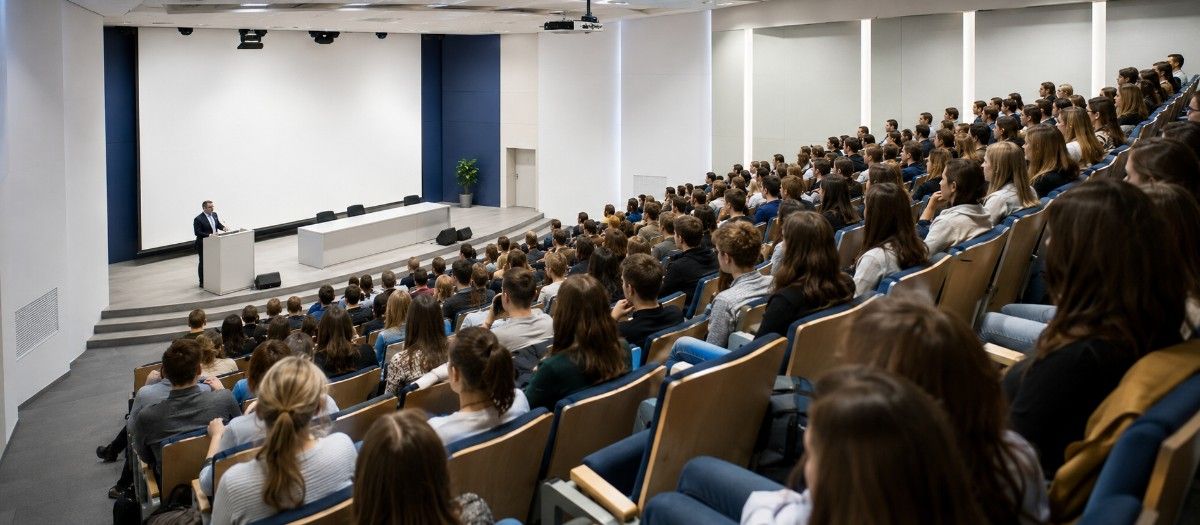
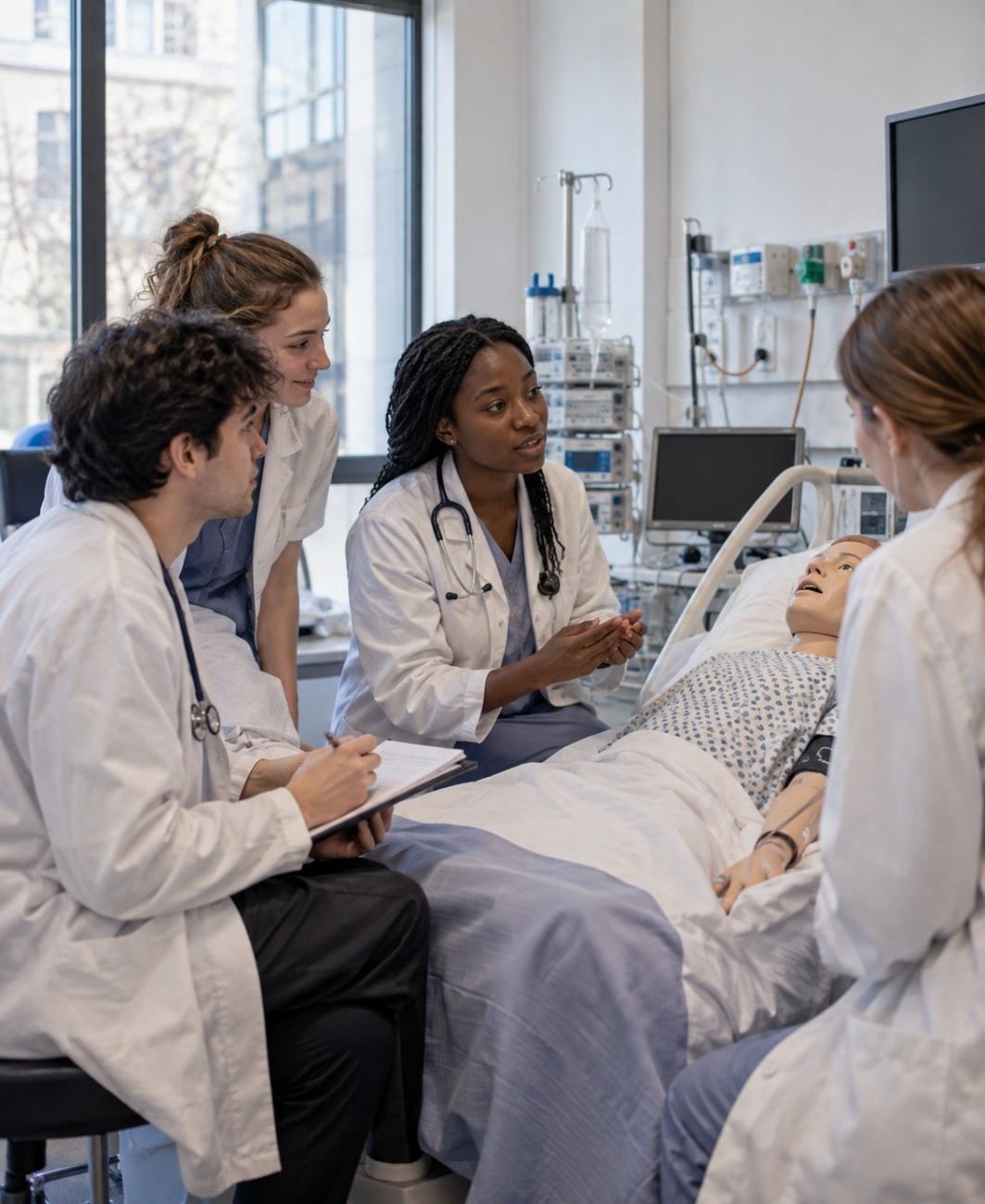
Furnished hostel rooms with Wi-Fi, laundry, 24/7 security, and Indian mess on or near campus.
Indian restaurants and mess facilities serving vegetarian and non-vegetarian home-style food daily.
Strong Indian community with cultural events, festival celebrations, and peer support groups.
Students get hands-on clinical training in government and private hospitals affiliated with the university.
Practical information for students planning to study at MBBS in University of Rzeszów Faculty of Medicine.
Prepare for all seasons. Thermal wear for winters, light clothing for summers. University provides heating in hostels.
Student visa processed with university invitation letter. Direct and connecting flights from major Indian cities.
Health insurance included in fees. Medical facility on campus plus city hospitals easily accessible.
Local SIM cards available. WhatsApp and video calls keep you connected with family back home.
Average monthly expenses of $150–$250 covering food, transport, and personal needs.
University library, online databases, and study groups. Seniors mentor juniors through academic challenges.
Our team guides you through every step — from application to arriving on campus.
Compare universities based on fees, city, ranking, and entrance-test format, not just the cheapest option.
Submit the application online, along with academic transcripts and the NEET scorecard, either directly or through an authorised admission partner.
Appear for the university's own Biology/Chemistry MCQ test, sometimes followed by a short personal interview or motivation-based discussion.
Most universities issue a conditional or confirmed offer letter within 1–2 weeks of the interview, though this may take longer during peak intake season.
Pay the initial tuition instalment to confirm the seat, ideally after receiving the fee structure and escalation policy in writing.
Apply for the Type D student visa at the Polish consulate/embassy in India; realistic processing time is several weeks.
Arrange university hostel or private accommodation before departure, and book flights with some buffer before the official reporting date.
In the final 30 days, finalise documents, arrange winter clothing, sort health/travel insurance, arrange currency exchange, and confirm hostel allotment in writing.
Complete on-arrival registration formalities, usually organised by the university for the whole batch; settle into the hostel room and get the university ID card issued.
Open a local bank account, buy a local SIM card, attend orientation sessions, get the class schedule, and begin building a grocery/cooking routine and connections with the Indian student community. With the right preparation at each step, an MBBS in Poland can be a well-planned, confidence-inspiring path to an EU medical degree.
Admission Helpline — Contact our counsellors for step-by-step assistance.
“The faculty here is incredibly supportive. The clinical training during hospital rotations has given me real confidence in patient care.”
“Affordable fees without compromising on quality. The campus facilities and hostel life made my transition abroad very smooth.”
“English medium instruction and WHO-recognized curriculum were the deciding factors for me. No regrets so far — excellent experience overall.”
“The university helped with everything from visa to accommodation. Hospital exposure from year three has been invaluable for my FMGE prep.”
“Just cleared my licensing exam on the first attempt. The structured coaching and mock exams during final year were a game-changer.”
“Safe campus, good food options, and a strong Indian student community. The teaching methodology is very practical and hands-on.”
The university was formed in 2001, while its medical programme launched later, in 2014, with the first students starting in 2015.
It runs for six years, split into two years preclinical & four years clinical, with no separate internship year afterward.
It depends on nationality. EU, OECD & EFTA applicants often skip it, while other international candidates, including many Indian applicants, typically sit one.
Yes, a valid NEET scorecard is required for Indian applicants under National Medical Commission rules.
Most sources place it between EUR 11,000 and 12,500 a year, adding up to roughly EUR 66,000 to 75,000 over six years.
Yes. It's listed in WDOMS, grants ECFMG eligibility & is recognised by Canadian licensing boards.
Entirely in English, though a separate Polish-medium track exists mainly for Polish and EU candidates.
It's a public, state-run university, though the English MD track for international students is fee-paying.
Reports vary, generally citing 50 to 70 percent in Physics, Chemistry & Biology; confirm the exact figure with the university.
Yes, but they must still clear India's NMC licensing requirements which includes the relevant national licensing exam, after graduating.
Our expert counsellors will guide you through the complete admission process — from documents to airport pickup.