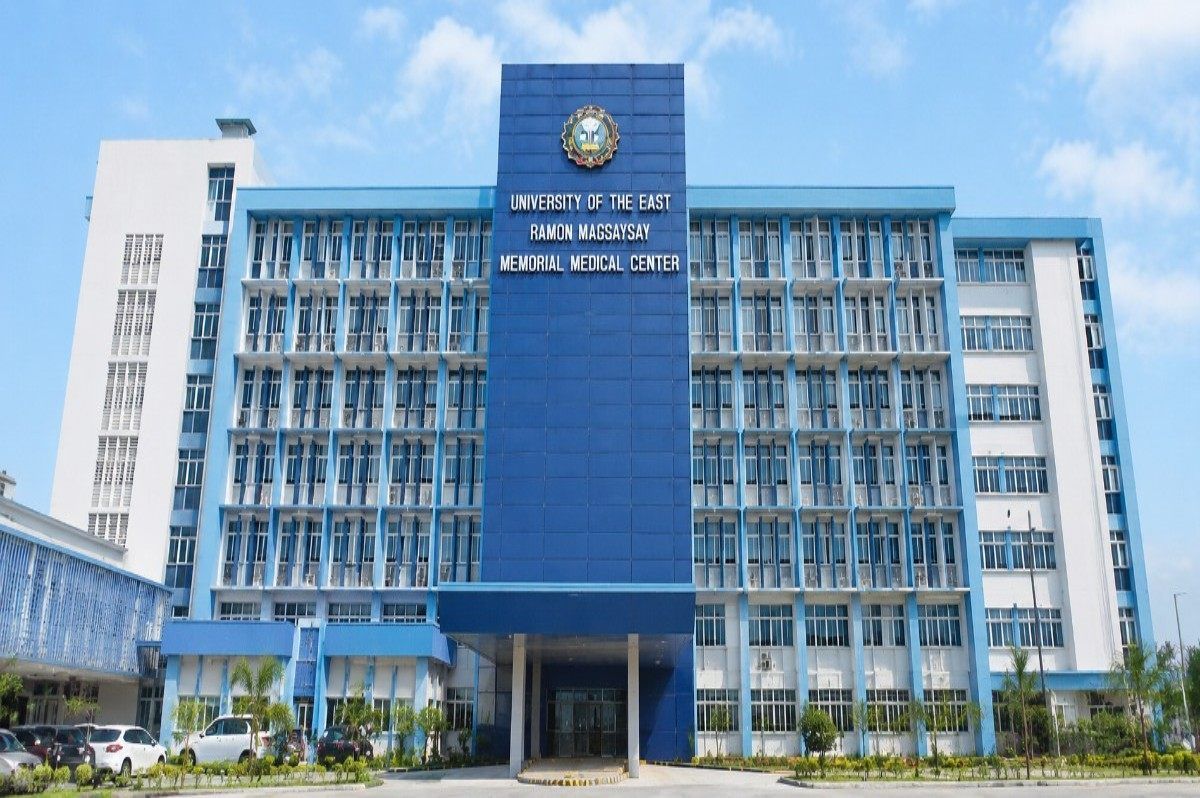
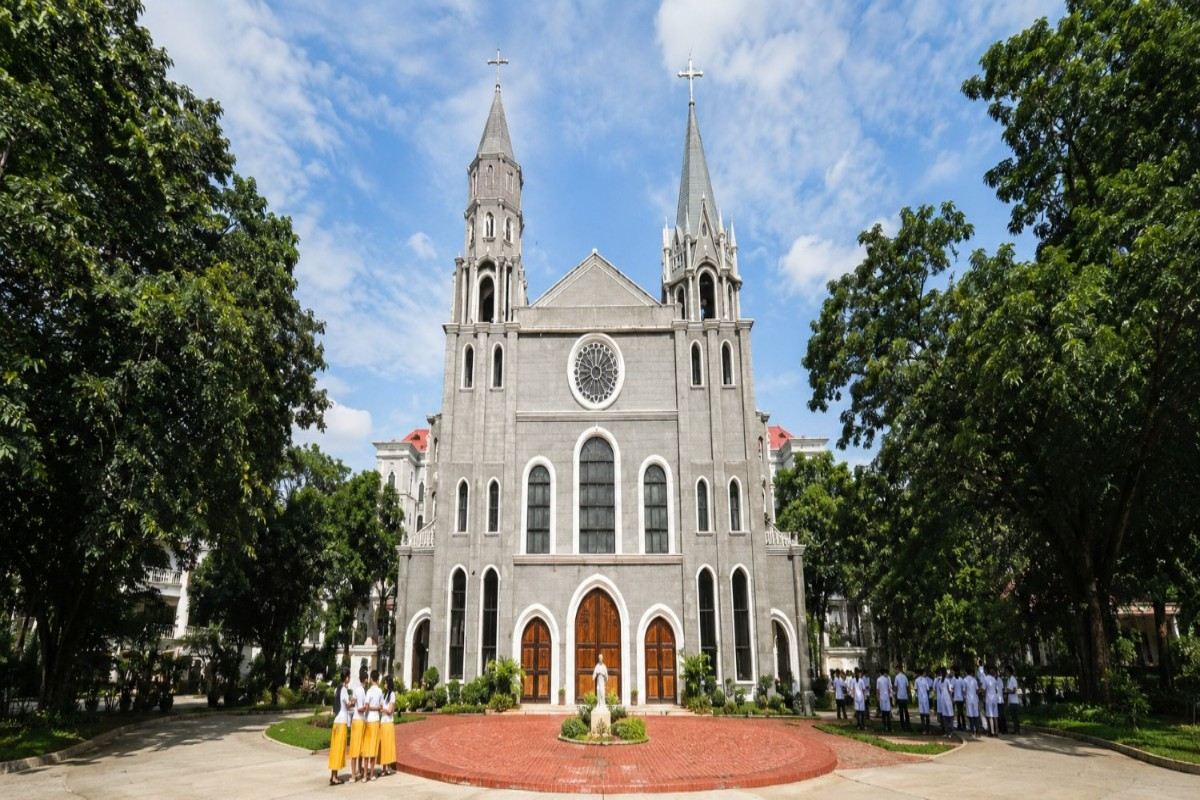
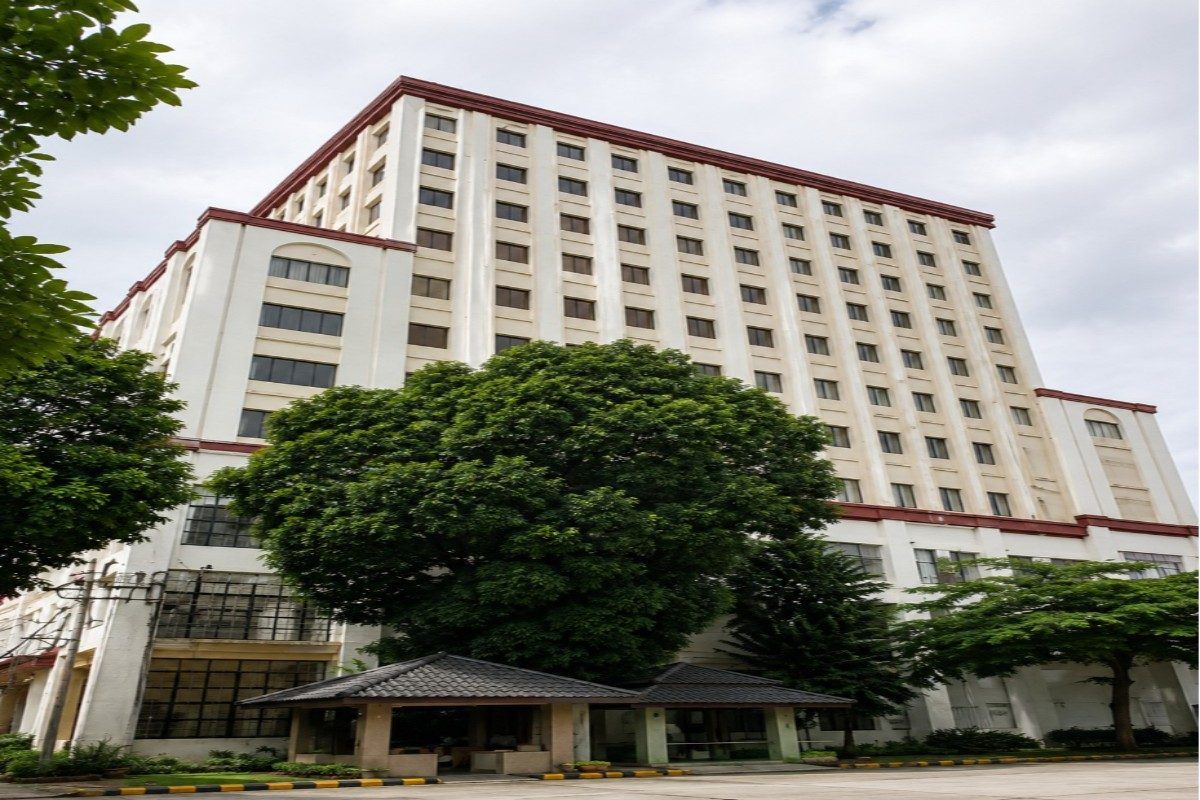
Ask a Filipino doctor which private medical school carries the most weight domestically, and UERM comes up constantly. It isn't flashy marketing that built that reputation. It's decades of licensure exam results that keep landing above the national average.
1956 is when it all started, when the University of the East's medical department was reorganized as a separate, non-stock, non-profit foundation and renamed a year later in memory of President Ramon Magsaysay, who died in a plane crash in March 1957. That structure made it the first philanthropic institution of its kind in the country, and the campus has stayed in Quezon City, part of Metro Manila, ever since.
UERM is fully recognized by the Commission on Higher Education (CHED) and holds Level IV accreditation from PAASCU, the Philippine Accrediting Association of Schools, Colleges and Universities. It was the first private medical school in the Philippines to reach that level, which is the accrediting body's highest tier. The Department of Science and Technology has also named it a Center of Excellence in Research.
UERM Memorial Medical Center handles the clinical rotations, sitting on the same campus grounds rather than at a separate partner hospital across town. That matters logistically: students walk to their wards instead of commuting. The hospital carries a DOH Level III general hospital classification and runs departments spanning psychiatry, neurosurgery, ophthalmology, ENT, and rehabilitation medicine.
The trip from India isn't small, but it's manageable. Air India runs non-stop flights between Delhi and Manila, roughly seven hours in the air, and Quezon City sits about 30-45 minutes from Ninoy Aquino International Airport depending on traffic. No layovers through the Middle East or Southeast Asian hubs are required, which shaves real time off a trip home during breaks.
One detail worth knowing: UERM recently launched ACCEL Med, a six-year integrated pathway that takes students straight from senior high school into a two-year BS Medical Sciences program and then into the four-year MD proper, skipping a separate undergraduate degree elsewhere. For Indian applicants who already hold a qualifying bachelor's degree, the standard route remains the direct four-year MD track.
The figures below combine UERM's own published College of Medicine fee schedule with living-cost estimates commonly cited by Philippine study-abroad consultancies, since the university does not publish a separate international-student cost sheet.
Cost Item | Per Year (USD / local currency) | Total Programme Cost (approx.) |
Tuition & Laboratory Fees (Year 1) | approx. PHP 170,000 (~USD 3,000) | approx. PHP 680,000 across 4 years |
Other Institutional Fees | approx. PHP 18,000-22,000 | approx. PHP 75,000-90,000 |
Hostel / Shared Accommodation | approx. USD 1,800-2,400 | approx. USD 7,200-9,600 |
Food & Daily Living | approx. USD 2,000-3,600 | approx. USD 8,000-14,400 |
Application/NMAT & Admission Processing | one-time, varies by intake | consult admissions office directly |
Donation / Capitation Fee | None reported | None reported |
Total Estimated Cost (4-year MD) | - | approx. USD 20,000-30,000 (tuition + living, excludes flights) |
UERM's tuition figures above come from the college's own official fee schedule for the 2024-2025 school year; hostel and living estimates are drawn from Philippine study-abroad consultancy sources and can shift with the peso-rupee exchange rate, so treat the total as a planning range rather than a quote.
Why UERM College of Medicine Deserves a Harder Look Than You've Given It
The strongest argument for UERM isn't a ranking number, it's the licensure data. In one recent physician licensure exam cycle, UERM graduates posted a 98.65% passing rate against a national average of 84.94%, placing the school third among all medical colleges in the country that year. For a private, foundation-run institution competing against government-subsidized universities, that's a genuinely hard result to fake or coast on.
Communication with prospective foreign students is the weak link, though. UERM's tuition and fee schedules are posted online, but almost entirely as scanned images or PDFs rather than a searchable international-student fee page, and there's no dedicated portal spelling out costs specifically for Indian or other foreign applicants. Anyone applying should budget time to email the admissions office directly and get written confirmation before committing to a consultancy's quoted number.
The teaching hospital being on-campus is a bigger deal than it sounds. A lot of Philippine medical schools send clinical-year students to affiliated hospitals across the city, which adds commute time and sometimes housing complications during clerkship years. UERM students walk from lecture hall to ward, which simplifies scheduling and keeps the clinical experience under one institutional roof.
The bed count for the hospital circulates as roughly 307 in secondary sources, but that figure isn't confirmed on UERM's own site, so it should be treated as an estimate rather than a hard number until verified directly with the hospital.
Weigh this against schools that are cheaper or faster to enter, and UERM still holds its own on the metric that actually determines whether a degree is useful back home: whether graduates pass licensure exams at a rate that suggests real teaching quality, not just a diploma mill churning out paperwork.