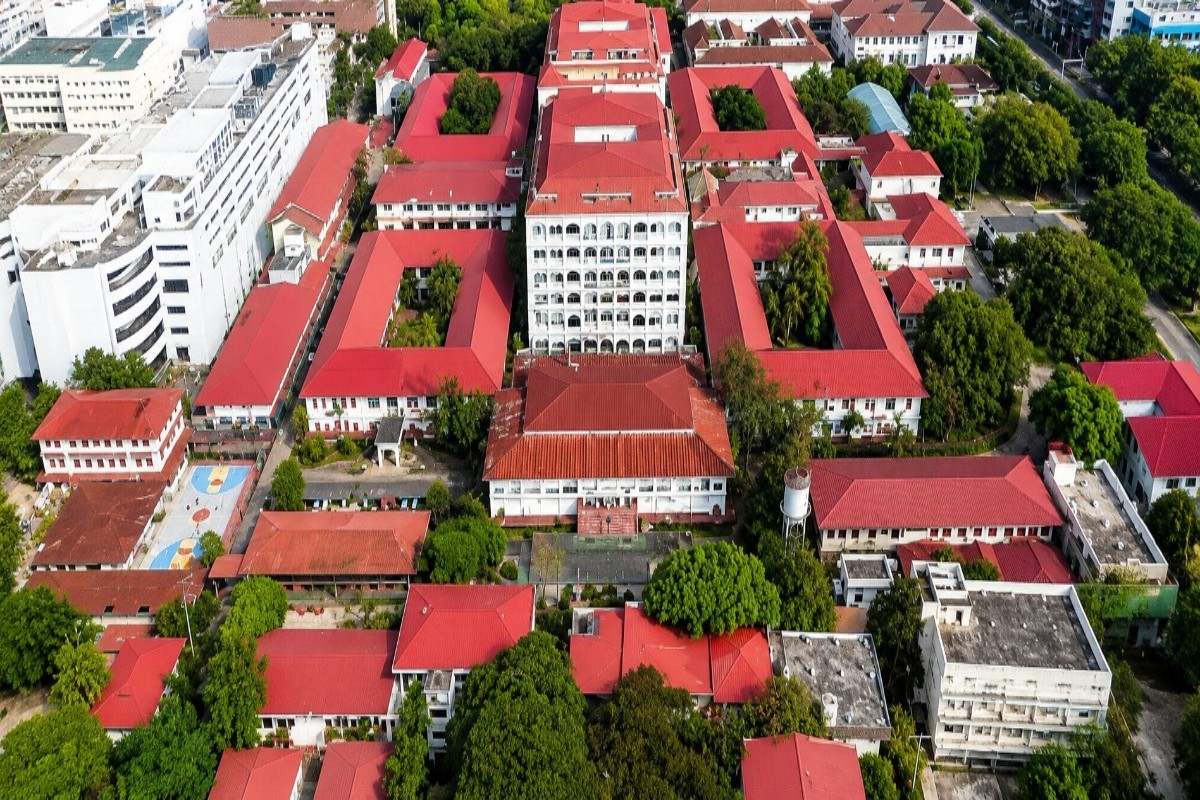
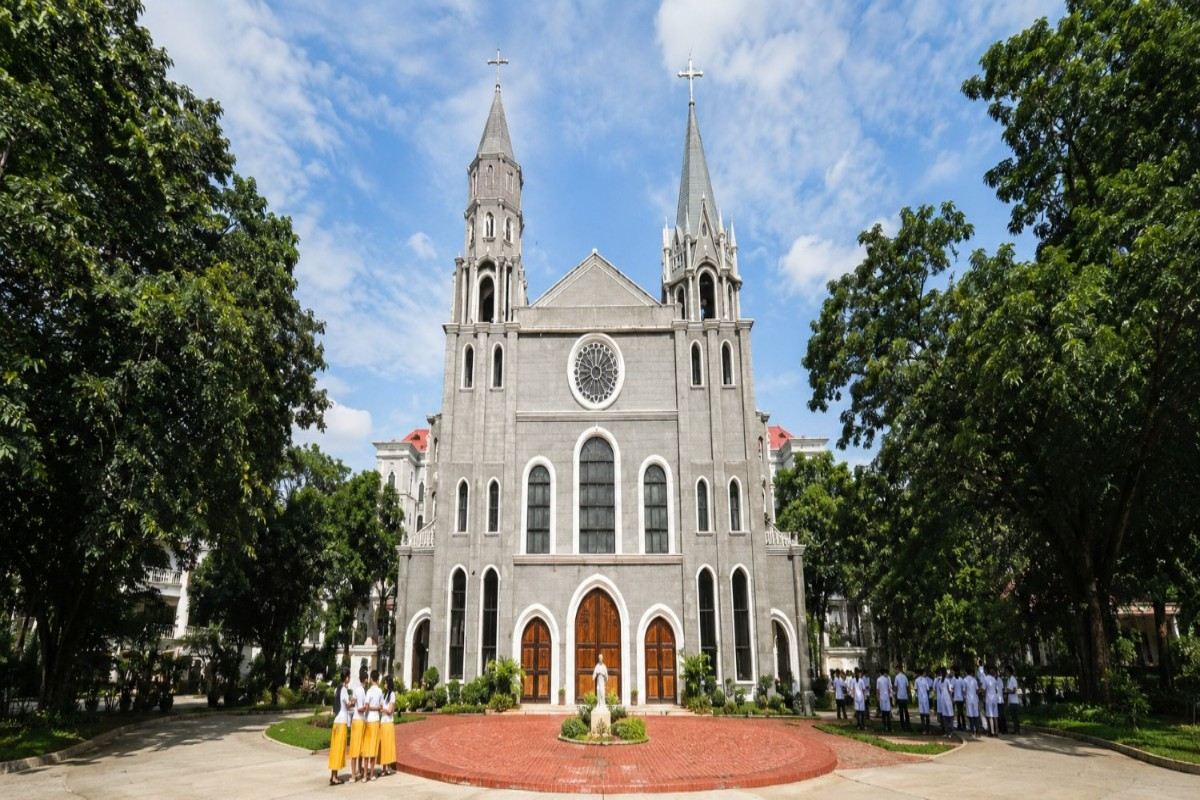
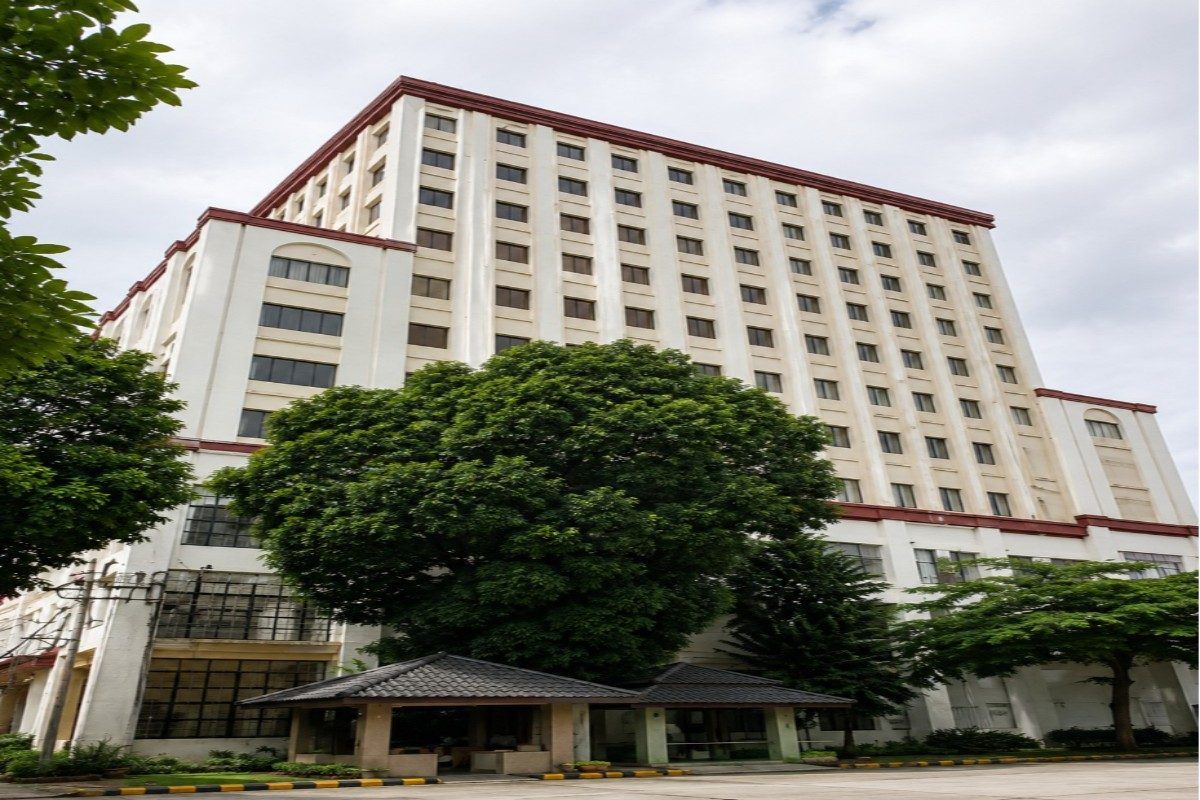
Ask any Filipino doctor which medical school carries the most weight back home, and UP College of Medicine comes up almost every time. It sits inside the University of the Philippines Manila campus in Ermita. It has trained the country's medical leadership for well over a century now.
Its roots go back to the Philippine Medical School, established by the Philippine Commission in December 1905 and opened in 1907, two years before UP itself existed as a university. It was folded into the UP system in 1910 as the College of Medicine and Surgery, then shortened to its current name in 1923. That history makes it one of the oldest continuously operating medical schools in Southeast Asia.
Degree-granting authority runs through the University of the Philippines Charter and the Commission on Higher Education. The college holds status as a CHED Center of Excellence in Medical Education. PAASCU re-accredited it at Level IV in 2015, the highest tier that body awards and the benchmark other Philippine medical schools tend to get measured against.
Clinical training runs through the Philippine General Hospital, a state-owned facility on the same campus. Its capacity was recently raised toward 2,200 beds, making it the country's largest hospital. PGH functions as the national referral center, so students see an enormous, complex patient load rather than a curated slice of cases.
Manila is roughly a five to nine hour direct flight from major Indian cities including Delhi, Mumbai, and Chennai. Filipino culture leans heavily English-speaking too, which softens the usual culture-shock curve for Indian families arriving for the first time.
One number worth sitting with: the flagship medical track, INTARMED, enrolls roughly 200 students into medicine proper each year system-wide. Those seats go to applicants who already rank among the strongest in the entire UP pool. This is a highly selective public program, not a revenue-driven international pipeline.
Reliable published fee data for foreign nationals at UP Manila is thin, so the figures below combine the university's own tuition bracket schedule with rough consultancy-style estimates for living costs, flagged where uncertain.
Cost Item | Per Year (USD / local currency) | Total Programme Cost (approx.) |
Tuition (per unit, standard bracket) | Approx. PHP 1,500/unit (unverified for foreign students) | Not officially published for foreign nationals |
Miscellaneous/Laboratory Fees | Approx. PHP 40,000-50,000 | Approx. PHP 280,000-350,000 (7 years) |
Hostel/Accommodation | Approx. PHP 60,000-90,000 | Approx. PHP 420,000-630,000 |
Food & Living Expenses | Approx. PHP 90,000-120,000 | Approx. PHP 630,000-840,000 |
Application/CHED Processing Fee | One-time, a few thousand PHP | Not consistently published |
Donation/Capitation Fee | None reported | None reported |
Total Estimated (excluding tuition) | Varies by year | Roughly PHP 1.3-1.8 million over 7 years, tuition excluded |
Republic Act 10931 makes tuition free for Filipino citizens at state universities, but that law does not extend to foreign nationals, and UP Manila has not published a standard international tuition schedule online, so treat the tuition line above as unverified and confirm directly with the Registrar before budgeting.
Why UP College of Medicine Deserves a Harder Look Than You've Given It
Few Philippine medical schools can claim this combination. A public national university with a teaching hospital, PGH, that most private institutions simply cannot match for clinical volume and pathology diversity. Doctors trained there tend to walk straight into residencies and public health leadership roles nationwide, largely on the name's strength alone.
Here's the part an honest page has to say plainly. This is not an easy or even a clearly-defined route for most Indian applicants. The college's own FAQ, as of the most recent published version, stated that implementing rules for foreign student admission would be posted "soon" rather than pointing to a finished policy. Foreign applicants must pass the same NMAT as Filipinos, and UP Manila's own cutoff sits at the 90th percentile. That means outperforming nine in ten test-takers nationwide.
Compare that to how most Indian students actually study medicine in the Philippines. It's usually through private universities with admissions tracks built specifically for NEET-qualified foreign students, predictable fees, and defined intake seasons. UP Manila doesn't appear to run that kind of pipeline at all. Several consultancy websites list it alongside those private schools anyway, with identical-looking fee tables and NEET-only requirements. Cross-checking against UP Manila's own tuition bracket system shows they're reusing generic templates rather than UP-specific data, so that marketing deserves real skepticism.
Tuition itself is a genuine open question. RA 10931 zeroes out tuition for Filipino citizens at public universities, but nothing in the law, or anywhere on UP Manila's admissions pages, extends that to foreign nationals. No foreign-student tuition schedule for medicine has been published officially anywhere. Budgeting off an unconfirmed number is a real risk here.
So weigh it like this. If NMAT at the 90th percentile plus a genuinely competitive undergraduate record sounds realistic, UP Manila is worth pursuing directly through its Office of the University Registrar rather than through a consultancy. If the goal instead is a dependable, well-worn channel built for Indian NEET candidates with known costs and timelines, this school probably isn't it. Better to know that before committing application fees and travel plans.