
Q1. When was Ural State Medical University founded?
+Sources genuinely disagree: some cite 1920 as Sverdlovsk State Medical Institute, others cite 1930; the institution took its current name in 1993.
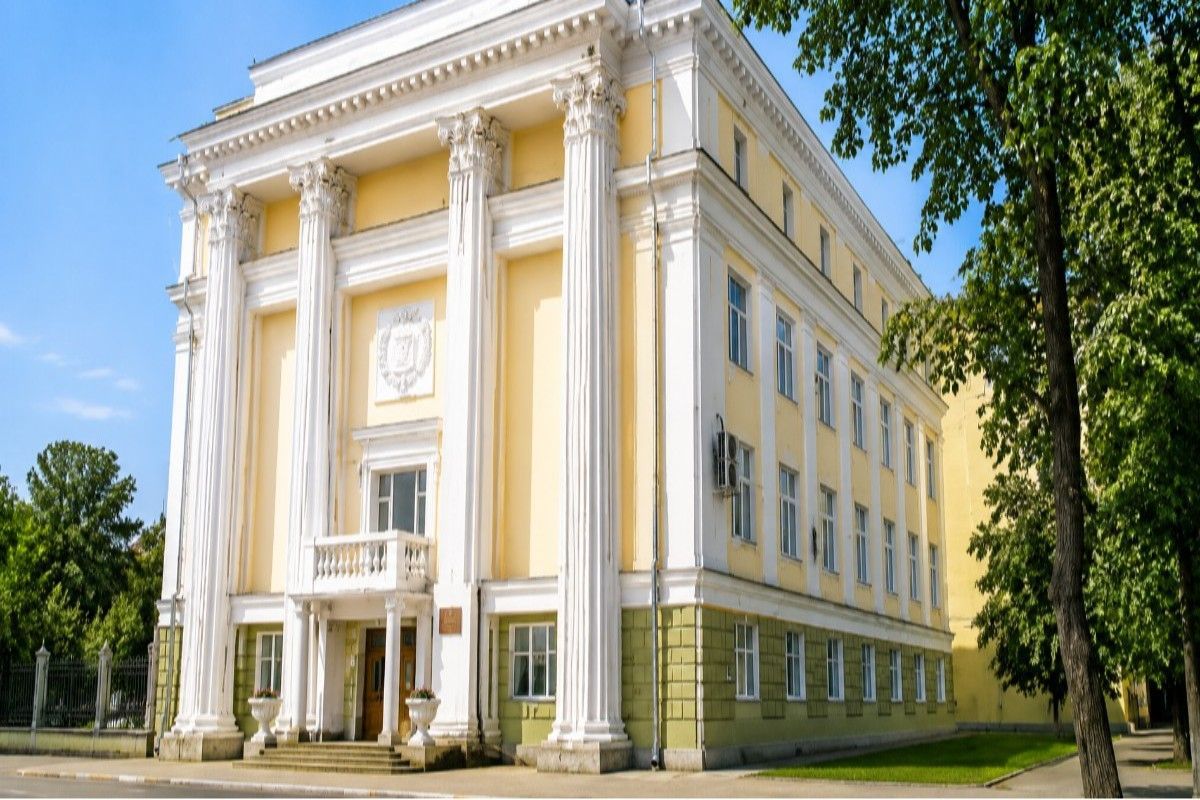
 Russia | Est. 1920
Russia | Russia's Ministry of Science and Higher Education and Ministry of Health | English medium
Expert will call you within 2 hours
People mostly just call it USMU for short. Its own founding year genuinely varies depending on the source, worth stating honestly rather than picking a single confident date. Several detailed sources place the founding at 1920, describing the institution's original name as Sverdlovsk State Medical Institute, starting with just a single faculty, the Faculty of Medicine, before later adding Faculties of Pediatrics, Pharmacy, and Dentistry. Other equally credible sources, including the university's own English-language Wikipedia entry, instead cite 1930 as the founding year. So, rather than presenting a single figure as settled fact, it is worth flagging this as a genuine discrepancy across otherwise reliable sources.
Here is a fact most guides skip entirely. USMU should not be confused with the separately named Ural State University, or USU, honouring the Russian author Maxim Gorky, a genuinely different Yekaterinburg institution with a similarly worded name but an entirely separate academic focus and history. So, applicants researching Yekaterinburg's universities should take real care to distinguish these two institutions, given how closely their names and city overlap.
Whatever its exact founding year, the institution took its current name, Ural State Medical University, in 1993. USMU carries a genuinely proud historical role too. It played an important part during the Great Patriotic War, Russia's own term for its involvement in the Second World War, a specific, documented chapter in the university's own institutional story. Today, USMU is the sole medical university in the whole of Sverdlovsk Oblast that produces doctors, a genuinely specific, verifiable regional distinction rather than a general claim of importance.
Reported student numbers vary somewhat across sources, from Wikipedia's more precise figure of 4,513 students to other sources citing 6,000 or even 7,000-plus, likely reflecting different counting methods or reporting years. USMU maintains research partnerships with the Russian Academy of Science, Federal Scientific Institutes of Russia's Ministry of Public Health, and foreign institutions in China, Denmark, and Hungary, among other countries, reflecting genuine international academic cooperation.
Yekaterinburg is Russia's fourth-largest city, home to roughly 2.2 million people, sitting on the Iset River between the Volga-Ural region and Siberia, and serving as a genuine bridge between Europe and Asia. The city's history is closely tied to the region's industrialisation, visible today in its mining, metallurgy, and chemical industries, and the Trans-Siberian Railway itself passes directly through the city.
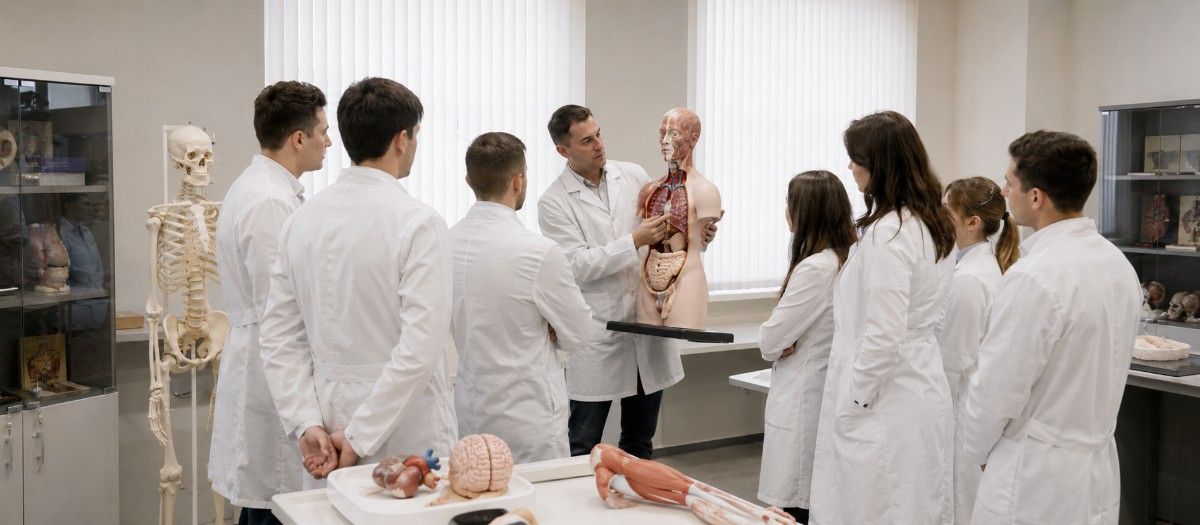
Clinical training runs through affiliated hospitals across Yekaterinburg, with rotations reported to begin from the third year of study, supported by advanced simulation centres for hands-on skills practice before students reach the wards themselves. Yekaterinburg experiences a genuinely continental climate, with cold winters where temperatures can drop to around minus 20 degrees Celsius, and warmer summers; the university itself provides adequate heating across its facilities throughout the winter months.
USMU's General Medicine programme runs six years, including a compulsory one-year clinical internship, taught in English for international students, with basic Russian language also taught throughout the programme specifically to support effective communication with patients during clinical training in hospitals. Admission requires completion of 12th grade with a minimum of 50 percent marks in Physics, Chemistry, and Biology for general-category applicants, or 40 percent for reserved categories, alongside a valid, qualifying NEET score for Indian applicants, and a minimum age of 17.
NEET remains a genuine requirement for Indian applicants here, exactly as it does for MBBS study in most other countries, and Indian graduates would still need to clear the FMGE or NExT exam to practise medicine back in India.
Yekaterinburg's own distinctive position as a genuine crossing point between Europe and Asia gives students at USMU a real, tangible sense of geographic significance most other Russian cities cannot offer, since the city's own boundary marker between the two continents is a genuinely popular local landmark. This location also means the city sits along the Trans-Siberian Railway, one of the world's most famous rail routes, giving students access to genuinely convenient overland travel connections across a huge stretch of Russia should they wish to explore the country further during their studies.
USMU's own regional monopoly on producing doctors for Sverdlovsk Oblast means the university plays a genuinely central role in the area's own healthcare workforce planning, training students who often go on to serve the region's own hospitals and clinics directly after graduation. This regional focus, combined with the university's genuinely well-corroborated fee structure and its real historical connection to wartime Russia, gives USMU a distinctive institutional character worth understanding fully before applying.
Fee figures here are reported with genuinely strong consistency across the large majority of independent sources reviewed, a real point of confidence given how much variation appears at some other Russian universities.
Cost Item | Amount | Notes |
Tuition Fee (General Medicine, official rate reported) | RUB 300,000/year (approx. USD 3,400-3,500) | Reported with genuine consistency across the large majority of independent sources |
Total Tuition (6 years, based on above rate) | Approx. USD 20,400-21,000 | Estimate based on the reported annual rate held stable across the programme |
Total Programme Cost (bundled estimate, one source) | INR 20-30 lakh (approx. USD 24,000-36,000) | Reported to include the full six-year programme, likely covering tuition, hostel, and additional costs together |
First-Year Additional Costs | Approx. USD 2,000 | Reported specifically for medical insurance, visa extension, and related first-year formalities |
Scholarships | Available, based on academic performance | Confirm current eligibility and amounts directly with the university |
Total 6-Year Estimate | — | Approx. USD 24,000-36,000, bundled tuition, hostel, and additional costs, per one detailed estimate |
Note: no capitation fee is confirmed at any stage. Confirm the current, exact figures directly with the university before finalising a budget.
Most lists mention USMU as just another Russian medical university. However, they do not explain how genuinely consistent its own fee figure is, or its specific regional role. The reason is simple. It is about a rare, reliable cost figure, and a real, documented regional monopoly.
USMU is not like most other Russian medical universities when it comes to fee reporting. In fact, its own RUB 300,000 annual rate appears with genuinely strong consistency across nearly every independent source reviewed. Furthermore, applicants get a rare, genuinely reliable single figure here, rather than needing to reconcile wildly different reported numbers. As a result, budgeting for USMU is genuinely more predictable than at some comparable Russian universities.
USMU's regional standing also matters more than most guides let on. For example, most guides describe a Russian medical university's regional standing in vague terms. USMU holds a genuinely specific, verifiable distinction, it is the only medical university anywhere in Sverdlovsk Oblast that actually produces doctors. Moreover, this represents a real, documented regional monopoly on medical training, not a general claim of local importance.
One thing most other blogs miss is how the university's own founding year is genuinely unresolved. In addition to its consistent fee reporting, USMU's own exact founding year conflicts across otherwise reliable sources, 1920 versus 1930. Since this specific detail should be treated as unresolved rather than settled, applicants researching this university's history should be aware of the genuine discrepancy.
No hidden charges, no donation. The full picture of costs at MBBS in Ural State Medical University.
Tuition Fee
RUB 300,000/year (approx. USD 3,400-3,500); no capitation fee
RUB 300,000/year, approx. USD 3,400-3,500
Hostel Fee
RUB 12,000 to RUB 20,000 per year
RUB 12,000 to RUB 20,000 per year
Food & Meals
RUB 9,000 to RUB 15,000
per month
Insurance
7,500 to 11,000 RUB
per month
Donation
No Donation
No hidden fee
Total Estimated Cost
Approx. USD 24,000-36,000, bundled tuition, hostel, and additional costs
6 year
25–35%
Average FMGE first-attempt pass rates for students from many overseas medical universities. Students from structured programs consistently score higher.
Students returning to India need to clear the FMGE/NExT exam. MBBS in Ural State Medical University integrates exam-oriented coaching into the regular curriculum so students are prepared from day one.
A structured program that takes you from foundational sciences to clinical mastery.
● In addition, students use advanced simulation centres for early hands-on skills practice
● First, Anatomy, Physiology, and Biochemistry build the pre-clinical base for the whole course
● Furthermore, clinical rotations begin from the third year of the programme
● Next, Pathology, Microbiology, and Pharmacology build the diagnostic foundation needed for clinical training
● Also, interns rotate through major hospital departments before receiving the final degree and practising licence
● Finally, a one-year internship follows the five years of academic study, matching the standard Russian medical education pattern
Furnished hostel rooms with Wi-Fi, laundry, 24/7 security, and Indian mess on or near campus.
Indian restaurants and mess facilities serving vegetarian and non-vegetarian home-style food daily.
Strong Indian community with cultural events, festival celebrations, and peer support groups.
Students get hands-on clinical training in government and private hospitals affiliated with the university.
Practical information for students planning to study at MBBS in Ural State Medical University.
Prepare for all seasons. Thermal wear for winters, light clothing for summers. University provides heating in hostels.
Student visa processed with university invitation letter. Direct and connecting flights from major Indian cities.
Health insurance included in fees. Medical facility on campus plus city hospitals easily accessible.
Local SIM cards available. WhatsApp and video calls keep you connected with family back home.
Average monthly expenses of $150–$250 covering food, transport, and personal needs.
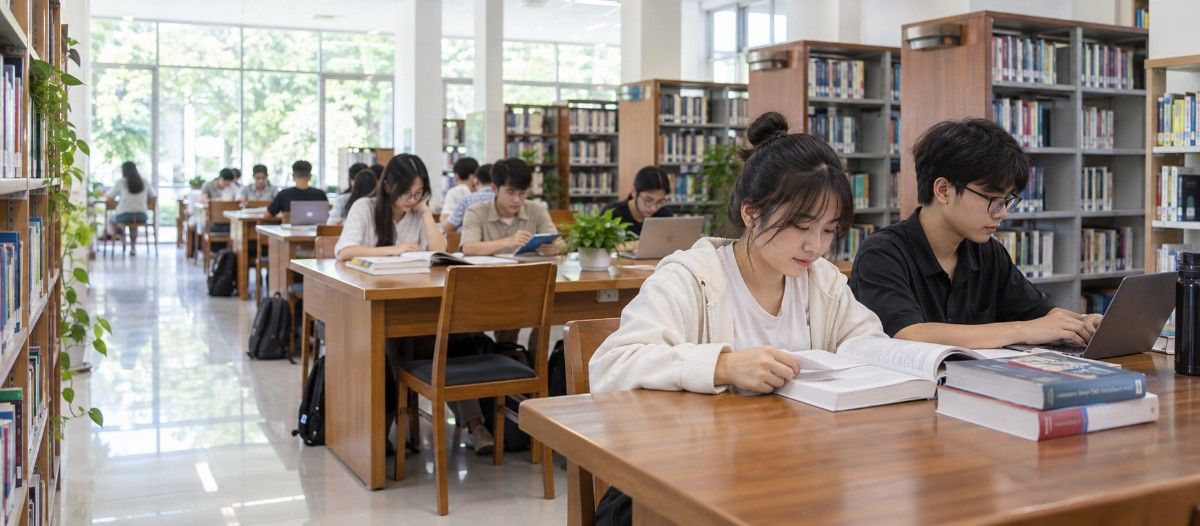
University library, online databases, and study groups. Seniors mentor juniors through academic challenges.
Our team guides you through every step — from application to arriving on campus.
Shortlist 3–5 NMC-approved universities on fees, city, FMGE reputation, and hostel quality.
Submit the application with academic documents and NEET scorecard.
Receive the Admission/Offer Letter from the university.
Pay the initial tuition instalment via the official channel.
Receive the Invitation Letter, issued by Russia's Ministry of Foreign Affairs — your visa depends on this.
Apply for the Student Visa via Embassy/VFS; realistic processing time is 2–4 weeks.
Arrange winter clothing, travel/health insurance, and a 5–8% currency buffer for ruble fluctuation in the final weeks before travel.
Travel, typically late August to early September.
Complete enrollment, a medical check-up, and hostel allotment on arrival.
Attend orientation; classes begin in the first/second week of September.
Admission Helpline — Contact our counsellors for step-by-step assistance.
“The faculty here is incredibly supportive. The clinical training during hospital rotations has given me real confidence in patient care.”
“Affordable fees without compromising on quality. The campus facilities and hostel life made my transition abroad very smooth.”
“English medium instruction and WHO-recognized curriculum were the deciding factors for me. No regrets so far — excellent experience overall.”
“The university helped with everything from visa to accommodation. Hospital exposure from year three has been invaluable for my FMGE prep.”
“Just cleared my licensing exam on the first attempt. The structured coaching and mock exams during final year were a game-changer.”
“Safe campus, good food options, and a strong Indian student community. The teaching methodology is very practical and hands-on.”
Sources genuinely disagree: some cite 1920 as Sverdlovsk State Medical Institute, others cite 1930; the institution took its current name in 1993.
No, Ural State University, named after Maxim Gorky, is a separate, unrelated institution in the same city; applicants should take care not to confuse the two.
It runs six years: five years of academic study plus a compulsory one-year clinical internship.
Yes, with basic Russian language also taught to support patient communication during clinical training.
Yes, a valid, qualifying NEET score is required for Indian applicants under NMC guidelines.
Reported very consistently at RUB 300,000 a year (roughly USD 3,400 to 3,500), totalling approximately USD 20,400 to 21,000 in tuition over six years; one bundled estimate places total programme cost at INR 20 to 30 lakh.
Affiliated hospitals across Yekaterinburg, with clinical rotations beginning from the third year of study.
At 3 Repina Street, Yekaterinburg, Sverdlovsk Oblast, Russia's fourth-largest city.
It played a documented, specific role during the Great Patriotic War, Russia's own term for its part in the Second World War.
Yes, it is the sole medical university in the whole of Sverdlovsk Oblast that produces doctors.
Our expert counsellors will guide you through the complete admission process — from documents to airport pickup.