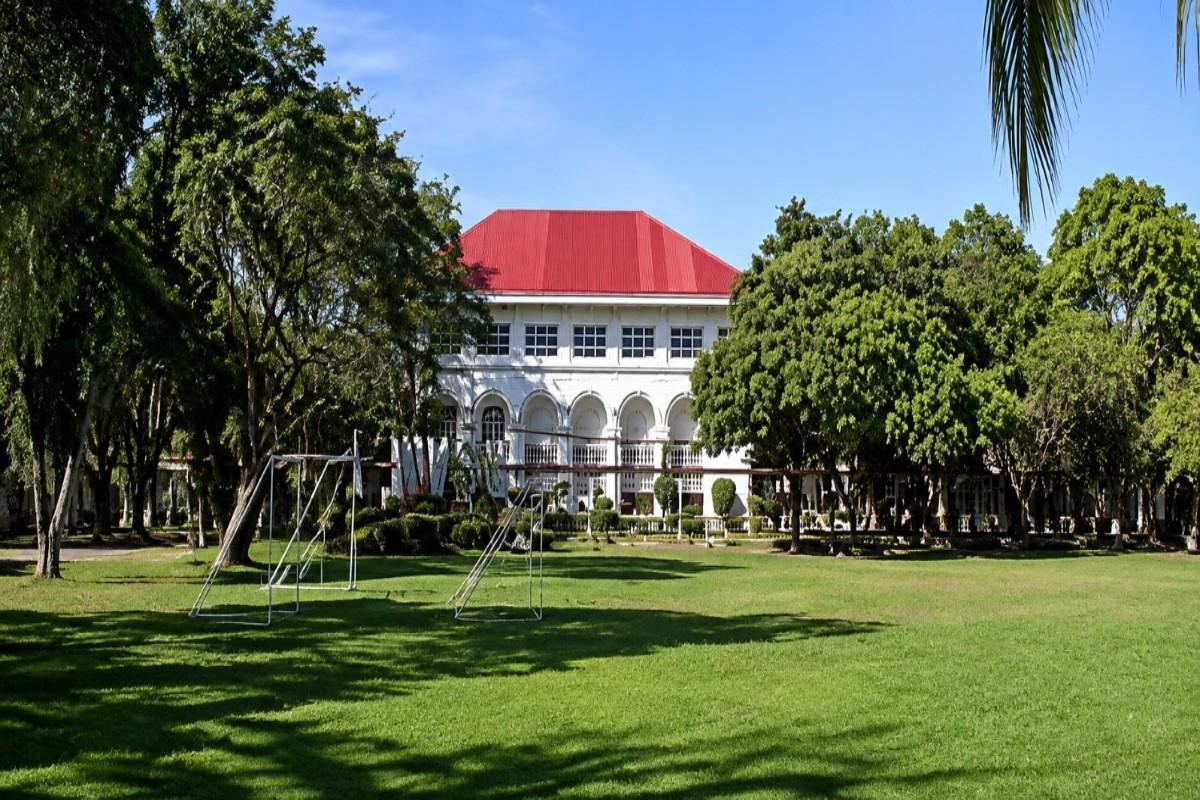
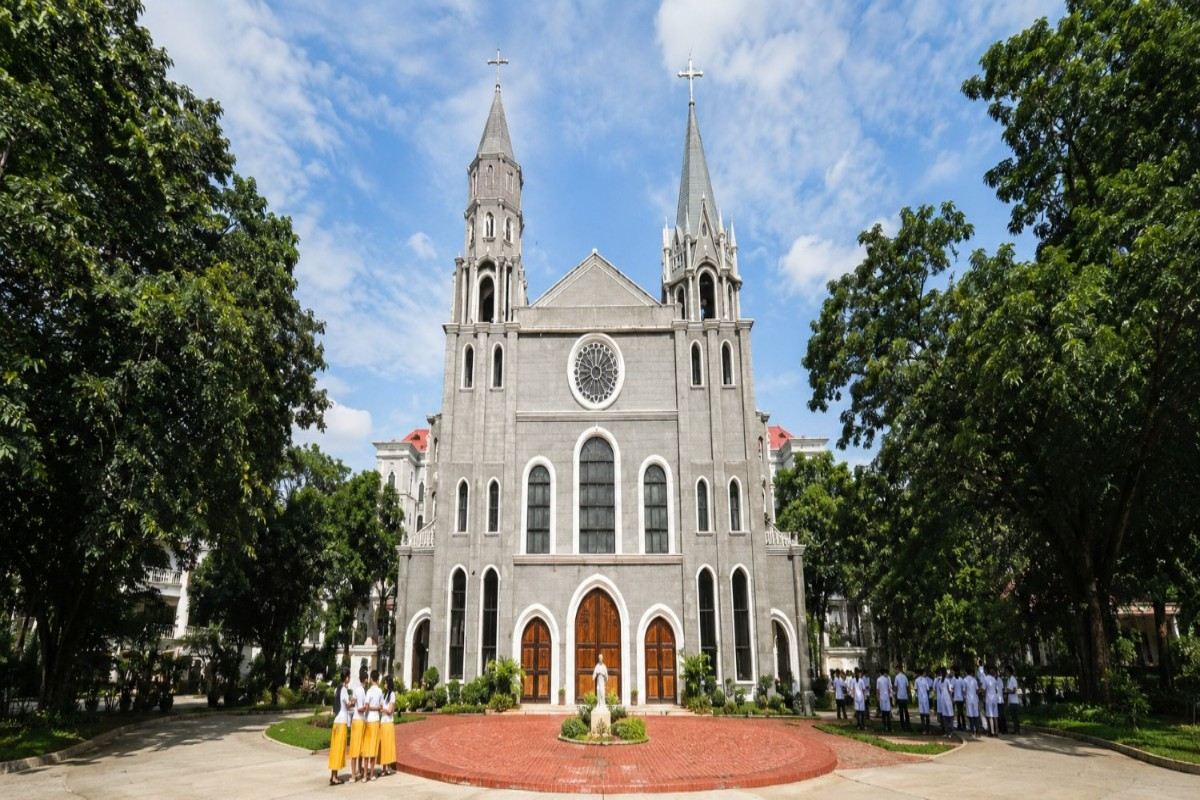
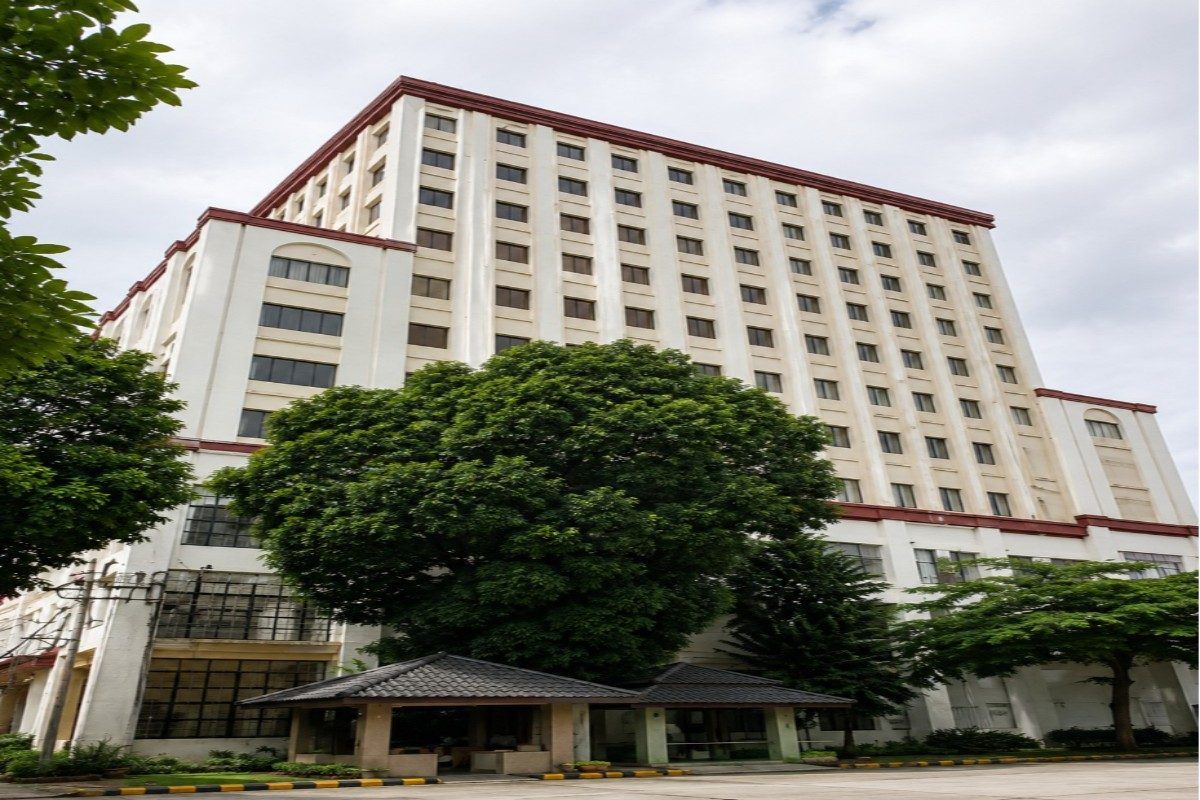
Iloilo City doesn't show up on every MBBS-abroad shortlist, which is exactly why West Visayas State University College of Medicine is worth a second look: a government-run medical school in a mid-sized Visayan city, built on decades of consistent physician output rather than marketing.
The college was conceived in 1971 and opened its doors in June 1975 under founding dean Dr. Angel de Leon, admitting 25 first-year students — the second state-owned medical school in the Philippines and the first in Western Visayas. Its first graduating batch of 21 doctors, in 1979, passed the national licensure exam at a 100 percent rate.
As a public institution, WVSU College of Medicine operates under the Commission on Higher Education (CHED), and its Doctor of Medicine graduates sit the Physician Licensure Examination administered by the Professional Regulation Commission (PRC) — the same pathway every MD graduate in the country follows. The university carries UMAP membership since 2008 and became an AUN-QA associate member in January 2025.
Rotations happen at West Visayas State University Medical Center, a roughly 300-bed Level III teaching hospital tracing its roots to the old Benito Lopez Memorial Hospital, purchased by the university in 1987. Residency programs spanning internal medicine, surgery, OB-GYN, pediatrics, orthopedics, psychiatry, and anesthesiology have carried accreditation since 1991.
Getting to Iloilo from India generally means a connection through Manila or Cebu, then a short domestic hop into Iloilo's international airport — workable, if less direct than some study destinations. Cost of living in a regional city like Iloilo tends to run below Manila or Cebu.
One number stands out: WVSU's medical graduates have posted a 100 percent passing rate in the Physician Licensure Examination in multiple recent sittings, including March 2026, with graduates placed in the national top 10 more than once — a repeat performance few schools can match.
The figures below blend the College of Medicine's own published application fee with cost estimates circulated by Indian MBBS-abroad consultancies, since WVSU does not publish a foreign-student fee schedule.
Cost Item | Per Year (USD / local currency) | Total Programme Cost (approx.) |
Tuition Fee | PHP 50,000 – 70,000 (approx.) | PHP 300,000 – 420,000 (approx., 6 years) |
Application Fee | PHP 400 (one-time, per official source) | PHP 400 |
Hostel / Accommodation | USD 800 – 900 (approx.) | USD 4,800 – 5,400 (approx.) |
Food & Living Expenses | INR 1.8 – 2.4 lakh (approx.) | INR 10.8 – 14.4 lakh (approx.) |
Donation / Capitation Fee | None reported | None reported |
Total Estimated Cost | Varies by consultancy estimate | Consult current agent-provided breakdown before committing |
Only the PHP 400 application fee comes from the college's own requirements page; every other figure is a consultancy estimate that can shift with the peso-rupee exchange rate and should be reconfirmed with the admissions office before committing any money.
Why WVSU College of Medicine Deserves a Harder Look Than You've Given It
Strip away the marketing language and one fact holds up under scrutiny: this college's licensure exam results are genuinely strong, not just 'good for a state school.' A 100 percent PLE passing rate has shown up across multiple exam cycles spanning more than a decade, including a national top-10 placement in 2019 and again this year — a track record built on classroom rigor, not a brochure claim.
Naming the gap honestly matters here. WVSU's College of Medicine requirements page is built around the National Medical Admission Test (NMAT), the standard Filipino pre-med screening exam, and doesn't spell out a dedicated NEET-based or Indian-specific admission track the way some private Philippine medical schools do. The university maintains a general Foreign Student Admission Policy and an International and Local Linkages Office, so a pathway for foreign applicants exists institutionally — but how that intersects with admissions for Indian NEET-qualified students isn't publicly documented, and anyone considering this route should get it confirmed in writing first.
The teaching hospital side is less ambiguous. A 300-bed Level III facility with residency accreditation since 1991 across seven major specialties gives students a genuine clinical caseload, not a token affiliation for accreditation purposes.
Cost is the other place where caution is warranted. Tuition figures floating around Indian consultancy sites (roughly PHP 50,000–70,000 a year) sit well below what private Philippine medical schools charge, but WVSU has never published an official fee schedule for foreign students, so treat every number here as a starting estimate, not a locked-in quote.
Taken together, the academic substance here — licensure results, hospital infrastructure, five decades of operating history — is easier to verify than the mechanics of applying as an Indian student. That makes it worth investigating further, provided you go in asking the admissions office direct questions rather than relying on secondhand fee sheets.