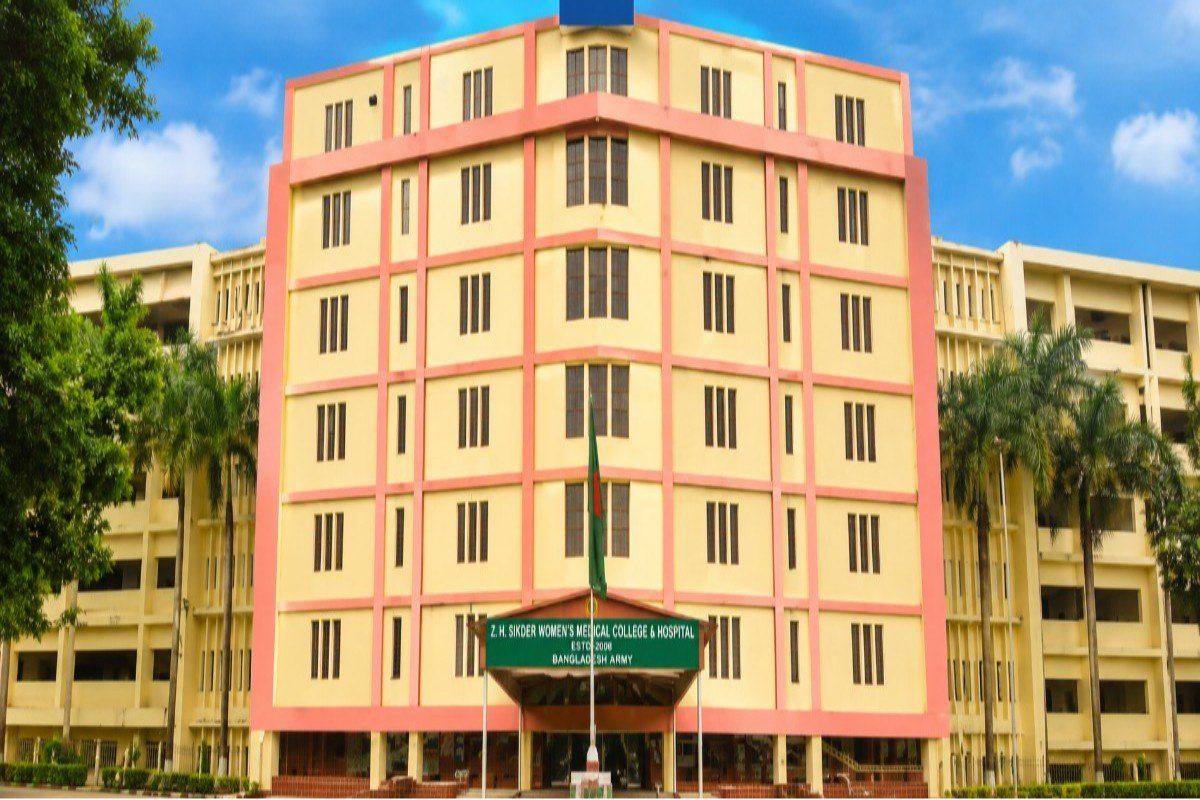
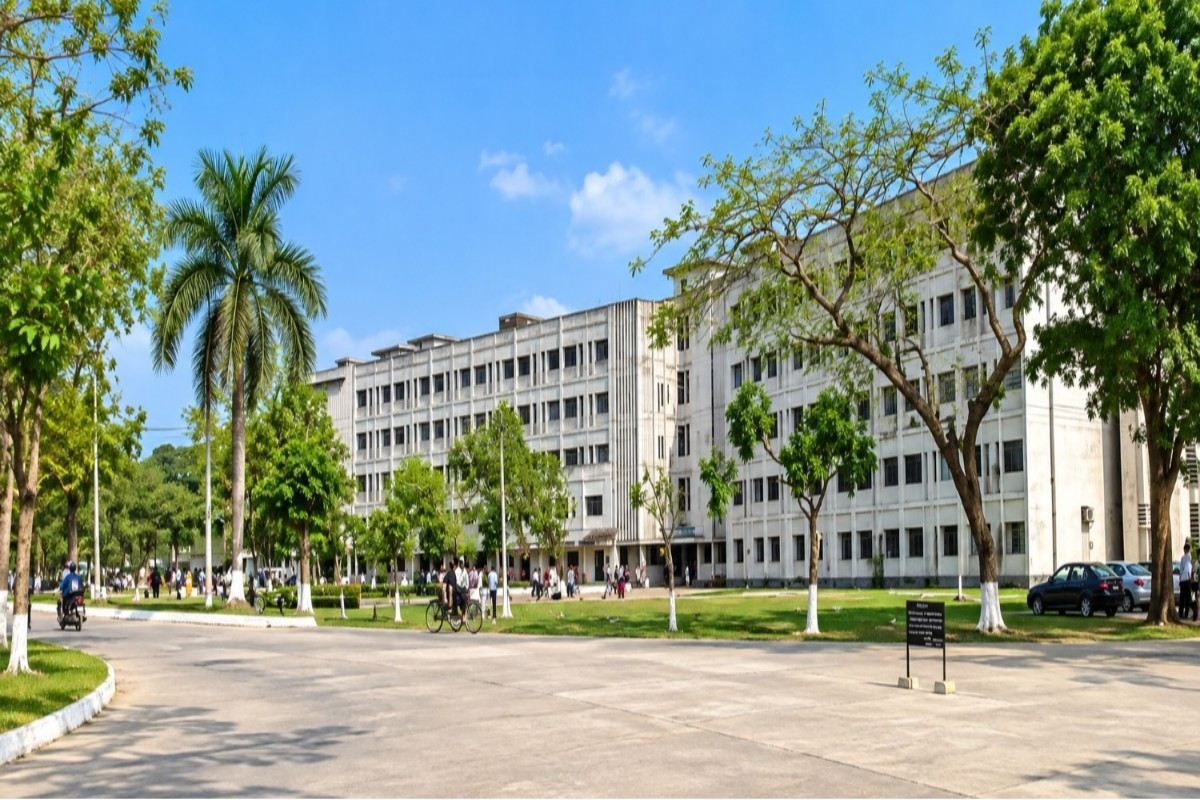
People mostly just call it CMC for short. It was established in 1957, in what was then East Pakistan, making it genuinely the second oldest and second largest medical educational institute and hospital in the whole of Bangladesh. Chittagong Medical College Hospital, CMCH, was established two years later, in 1959, directly adjacent to the college, originally with just 120 beds, a genuinely modest starting point for what has since grown into one of the country's largest hospitals.
Here is a fact most guides skip entirely. The present, purpose-built, six-storey CMCH building wasn't actually completed until 1969, a full decade after the hospital's own 1959 founding. So, applicants should understand CMC's own physical infrastructure as having developed considerably over its first dozen years, rather than assuming the hospital's current building has stood since its founding.
CMC is described by at least one detailed source as one of Bangladesh's most prestigious public medical institutions, recognised by India's own National Medical Commission, NMC, listed in the World Directory of Medical Schools, WDOMS, and accredited by the Bangladesh Medical and Dental Council, BMDC. Clinical training runs through a network of more than nine affiliated teaching hospitals, giving students genuinely broad exposure across the wider Chattogram region, not solely the main CMCH campus alone.
A genuinely specific, useful detail worth knowing is CMC's own current annual enrolment capacity, reported at 220 students as of 2019, with between 150 and 225 students graduating each year across the 2010 to 2015 period. For the 2026-27 academic year specifically, the college reportedly offers approximately 20 to 25 seats to foreign students, including Indian applicants, out of a total intake of 200 to 225 students.
Here is a genuinely more demanding admission detail worth knowing directly. One source specifically reports that competitive NEET scores of 400 or higher are typically needed for admission consideration at CMC, a considerably more specific and demanding threshold than the general "qualifying NEET score" language used across most comparable Bangladeshi medical colleges covered in this whole series.
CMC's own reported hospital bed capacity genuinely varies across sources. One detailed source specifically describes the main CMCH campus as having more than 1,010 beds, while a separate source instead reports 1,250-plus beds. Given this genuine discrepancy, both figures agree CMC's own hospital is genuinely among Bangladesh's largest, though the exact current count is worth confirming directly.
CMC's MBBS programme is reported by one source as running 4.5 years of academic study plus a 1-year internship, totalling 5.5 years, a genuinely different structure from the standard 5-plus-1, 6-year total used across most Bangladeshi medical colleges covered in comparable guides; applicants should confirm this specific detail directly, since it may reflect a rounding or reporting variation rather than a genuinely shorter programme.
Chattogram itself, Bangladesh's own second-largest city and major port, offers CMC's students genuine, practical access to a considerably large, well-connected urban environment, including a flight to Kolkata reported at roughly 45 minutes, a genuinely convenient travel connection for Indian students specifically. This proximity to India, combined with Bangladesh's own broader cultural and culinary familiarity for many Indian applicants, is frequently cited as a real, practical advantage of studying medicine in Bangladesh generally, and CMC's own long-established reputation adds a further layer of institutional confidence beyond this broader regional appeal.
Given CMC's own status as one of Bangladesh's oldest and most established government medical colleges, students here benefit from a genuinely deep, decades-long institutional track record, considerably longer than most of the newer private medical colleges covered elsewhere in comparable guides. This combination of a well-established government pedigree, genuine international recognition, and a considerably large affiliated hospital network gives CMC a distinctive institutional character worth weighing carefully against the genuinely more demanding, competitive admission bar it appears to set compared to many comparable Bangladeshi medical colleges.
Fee figures here are reported with genuine specificity by one detailed source, citing an official 2026-27 fee structure, worth setting out in full.
Cost Item | Amount | Notes |
Tuition Fee (annual, official-style figure) | USD 4,800/year | Reported as verified directly from CMC's own official 2026-27 fee structure, paid directly to the university's bank account with no middleman |
Hostel Fee (annual) | USD 1,200/year | Reported by the same detailed source |
Tuition Fee (alternate reported range, foreign students) | USD 5,000-8,000/year | Reported by a separate source; a genuinely wider range than the specific USD 4,800 figure above |
Total Programme Cost (alternate reported figure) | Approx. USD 39,950 | Reported by a separate source; this exact figure was also found attributed to the similarly named CIMC, so treat with real caution |
Living Expenses | Approx. USD 100-150/month | Reported for food and other necessities |
Total 6-Year Estimate (based on the specific official-style figures) | — | Approx. USD 36,000, tuition and hostel combined (USD 4,800 + 1,200 × 6 years), per the most specific reported figures |
Note: no capitation fee is confirmed at the specific USD 4,800/USD 1,200 rate, described as paid directly with no agent commissions. Confirm the current, exact figure directly with CMC before finalising a budget.
Why CMC Deserves a Harder Look Than You've Given It
Most lists mention CMC as just another government Bangladeshi medical college. However, they do not explain the genuine risk of confusing it with the similarly named private CIMC, or how much more demanding its own reported NEET threshold actually is. The reason is simple. It is about a real naming overlap most guides skip entirely, and a genuinely more competitive admission bar.
CMC is not like the similarly named Chattagram International Medical College when it comes to its own founding and structure. In fact, CMC is a government institution founded in 1957, genuinely distinct from CIMC, a private college founded in 2013. Furthermore, at least one specific total fee figure, USD 39,950, was found attributed to both institutions separately across different sources reviewed for this whole series. As a result, applicants researching "Chittagong" or "Chattagram" medical colleges online risk conflating figures belonging to two genuinely different institutions.
The reported NEET threshold also matters more than most guides let on. For example, most Bangladeshi medical colleges covered in comparable guides describe admission simply requiring a "qualifying NEET score," without further specifics. CMC is specifically reported as typically requiring competitive scores of 400 or higher. Moreover, this genuinely more demanding, specific threshold sets CMC apart from many comparable colleges with less competitive admission bars.
One thing most other blogs miss is how well CMC's own official-style fee figures actually reconcile once compared carefully. In addition to a genuinely specific USD 4,800 tuition plus USD 1,200 hostel figure, described as verified directly from the university's own 2026-27 fee structure with no agent commissions, a separate, wider USD 5,000-8,000 range also appears. Since these broadly agree, applicants get a genuinely more reliable, cross-checked cost picture here than at some comparable universities with wildly conflicting figures.