Q1. When was Guangzhou Medical University established?
+It was established in 1958, originally known as Guangzhou Medical College.
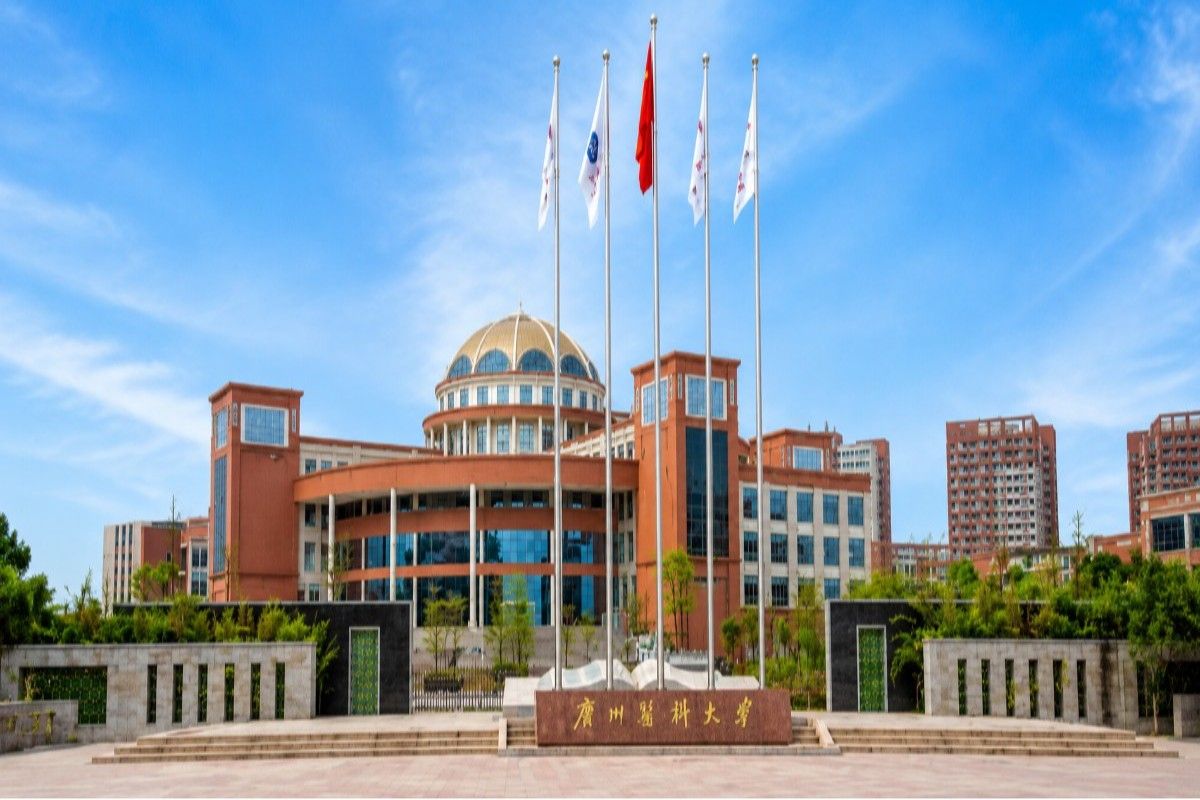
 China | Est. 1958
China | Directly affiliated with and funded by the City of Guangzhou; part of China's Double First-Class Construction initiative | English (MBBS programme, since 2010) medium
Expert will call you within 2 hours
People mostly just call it GZHMU for short. It was established in 1958, originally known as Guangzhou Medical College. Here is a fact most guides skip entirely. Unlike most Chinese medical universities covered in comparable guides, which are typically governed at the provincial or national level, GZHMU is specifically a municipal public university, meaning it is directly affiliated with, and funded by, the City of Guangzhou itself rather than Guangdong Province's own provincial government. GZHMU is also part of China's own Double First-Class Construction initiative, a genuine, prestigious national higher education designation.
Here is genuinely current, specific, and directly sourced ranking data worth knowing in full. At least one detailed, currently dated source reports GZHMU's own country ranking within China at 104th, with a corresponding worldwide ranking of 972nd. These are real, specific, dated figures worth knowing directly, though applicants should treat any single ranking source with appropriate caution and cross-check directly where possible.
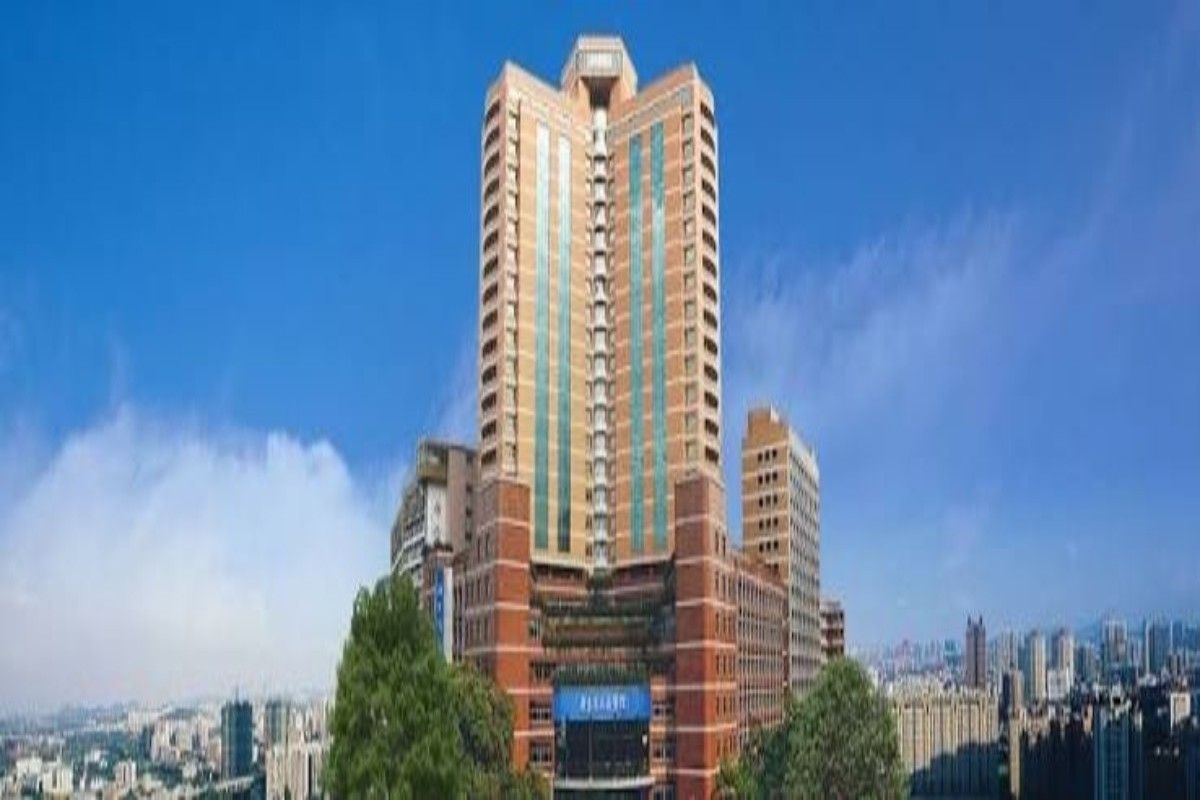
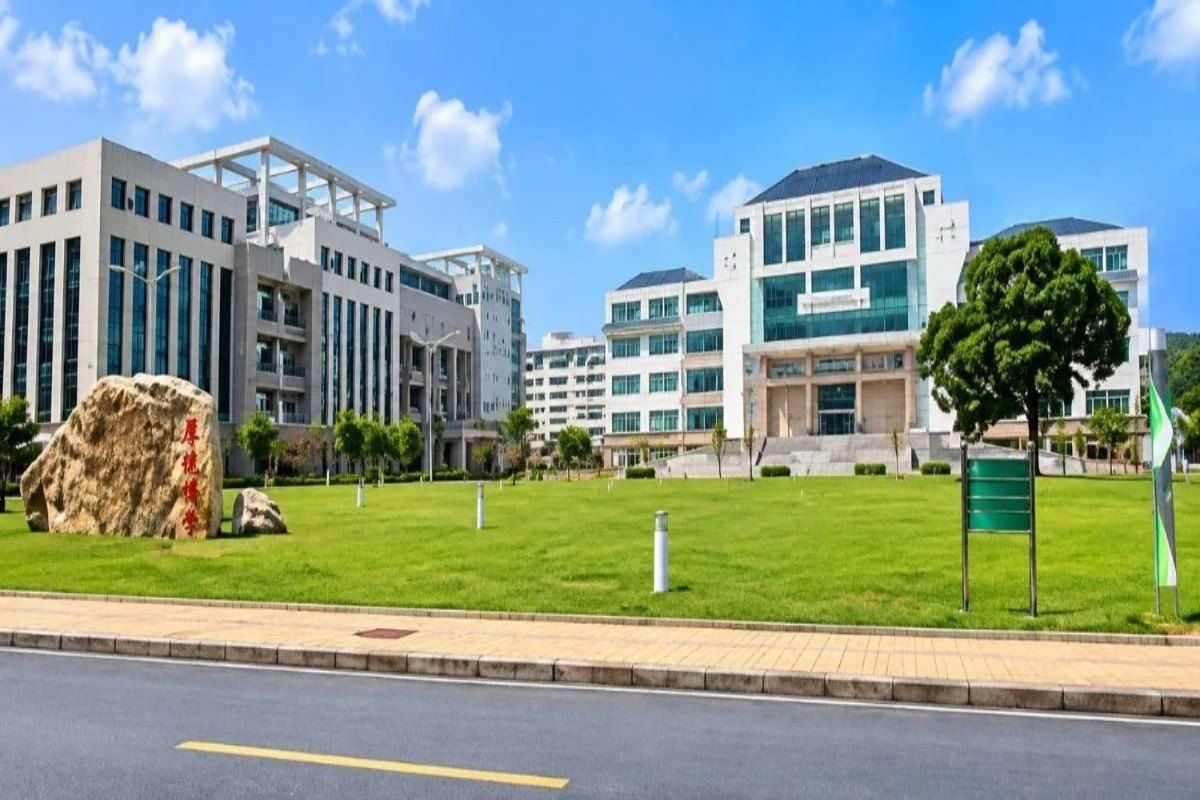
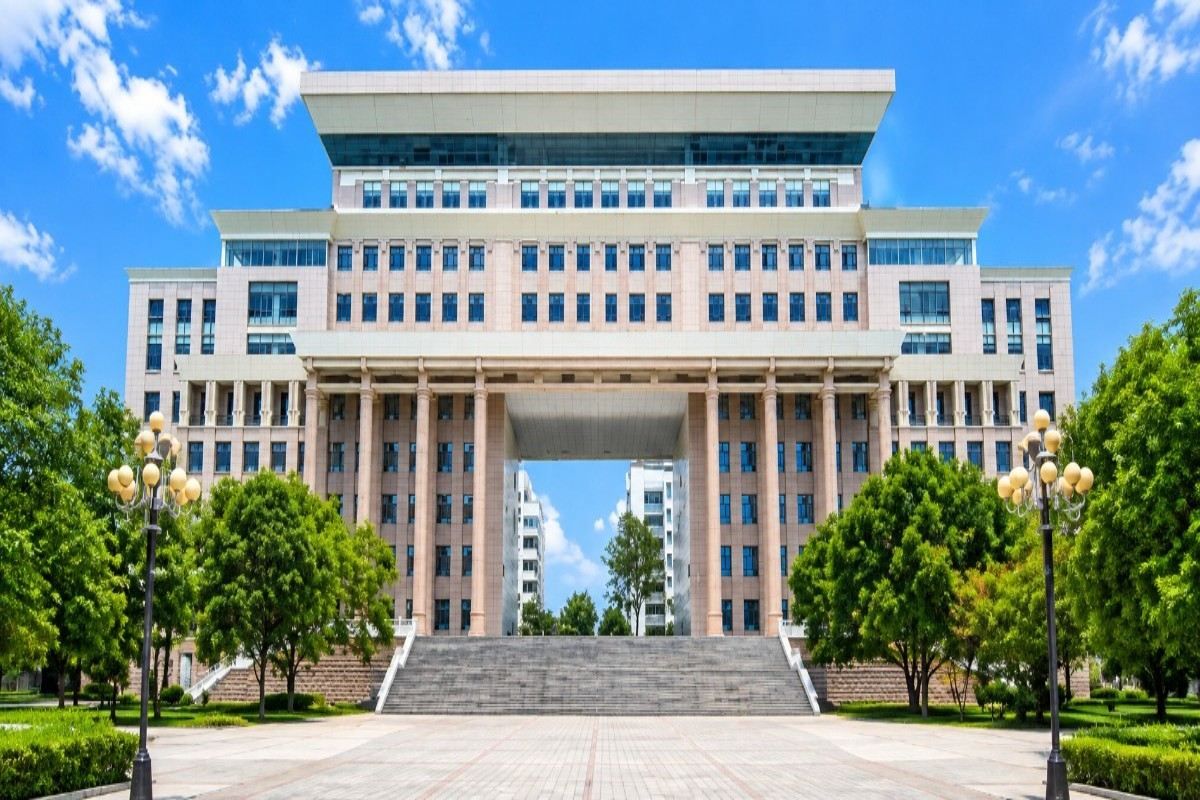
GZHMU operates across multiple campuses, with the university's own materials specifically describing two main sites: the Yuexiu campus, located in downtown Guangzhou, near Liuhua Lake Park and Yuexiu Mountain, and a separate medical campus in Panyu, described as taking roughly two hours to reach from the Yuexiu campus by metro and bus. The university's own motto, in use since the 1950s, translates as "Integrity and pragmatism, self-improvement, dare to be the first, pursuit of excellence."
Here is genuinely one of the most remarkable, specific institutional histories covered in guides like this one. GZHMU's own First Affiliated Hospital, its oldest teaching hospital, traces back to 1903, originally founded by the French as the Hospital Franco-Chinois Paul Doumer, named directly after Paul Doumer, who served as Governor-General of French Indochina before later becoming President of France himself. During the Anti-Japanese War, between 1937 and 1945, this same hospital was specifically bombed by the Japanese army, a real, documented wartime event.
Today, this same First Affiliated Hospital serves as the hosting institution for the National Center for Respiratory Medicine in South China, a genuinely significant, specific national medical designation, directly connected to Guangzhou's own well-documented prominence in respiratory disease research and treatment.
GZHMU began its own Clinical Medicine, MBBS, programme specifically for international students in 2010, a genuine, specific, dated milestone. The programme is taught entirely in English, and GZHMU is specifically listed by China's own Ministry of Education as authorised to teach medicine in English to international students. Foreign graduates are described as eligible to apply for medical licensing examinations including USMLE, UKMLA/PLAB, GMC, AMC, SMLE, and DHA, reflecting a genuinely broad set of international licensing pathways.
A genuinely useful, specific detail worth knowing directly is that GZHMU offers several named scholarships for international students, including the Chinese Government Scholarship, CGS, the Confucius Institute Scholarship, CIS, and a dedicated Guangzhou Medical University Scholarship. Admission requires a valid, qualifying NEET score, with applicants generally needing a minimum of 70 percent marks at the 10+2 level, and an age between 17 and 30 at the time of application. Applicants whose primary native language isn't English are specifically required to submit TOEFL, with a recommended minimum score of 80, or IELTS, with a recommended minimum of 6.0.
Guangzhou itself, historically known in the West as Canton, is one of China's most significant, internationally connected port cities. NEET remains a genuine, mandatory requirement for Indian applicants pursuing MBBS study at GZHMU specifically, and Indian graduates would still need to clear the FMGE or NExT exam to practise medicine back in India after completing their degree.
Guangzhou's own status as one of China's largest, most economically significant cities gives GZHMU's own students genuine, practical access to a genuinely cosmopolitan urban environment, well-connected internationally through Guangzhou Baiyun International Airport, one of China's busiest air hubs. This location also places students within genuinely close reach of Hong Kong and Macau, given GZHMU's own formal affiliation with the Guangdong-Hong Kong-Macao University Alliance, a real, specific regional academic partnership.
Given how genuinely distinctive GZHMU's own municipal governance structure is, and given the real, dramatic history behind its own First Affiliated Hospital, prospective applicants get a genuinely richer, more specific picture of this university's own institutional character than the generic descriptions found at many comparable Chinese medical universities. This combination of practical big-city advantages, real historical depth, and a genuinely specific, current ranking and fee structure gives GZHMU a distinctive profile worth understanding fully, alongside the genuine, practical need to confirm current details directly with the university's own admissions office.
Fee figures here are genuinely specific and well-documented, directly confirmed from a detailed, currently dated source covering the Clinical Medicine, MBBS, English-taught programme.
Cost Item | Amount | Notes |
Tuition + Accommodation (combined, Panyu campus) | Approx. RMB 46,000/year (approx. USD 6,700/year) | A genuinely specific, all-inclusive figure covering both tuition and hostel accommodation together, per a detailed, currently dated source |
Hostel Fee (alternate reported figure, tuition excluded) | Approx. INR 63,000/year (approx. USD 760/year) | Reported separately by another source; may reflect a different campus, room type, or reporting period than the all-inclusive figure above |
Food/Meal Expenses | Approx. RMB 1,200-1,500/month (approx. USD 165-205/month) | Genuinely confirmed as on the higher side compared to other Chinese medical schools, per the same detailed source |
Total 6-Year Estimate (tuition + accommodation, based on all-inclusive rate) | Approx. USD 40,200 | Estimate based on the reported RMB 46,000/year all-inclusive rate held stable across the 6-year programme |
Health Insurance (estimated) | Approx. USD 100-200/year | Not separately itemised in the sources reviewed; a general estimate for international student health coverage in China. Confirm current requirements directly with GZHMU |
Scholarships | Chinese Government Scholarship, Confucius Institute Scholarship, GZHMU Scholarship | Specific, named scholarship programmes available; confirm current eligibility directly |
Note: no capitation fee is confirmed at any stage; MBBS in China is generally described as affordable due to subsidised education and no donation requirements. Request the university's own current, official, itemised fee schedule directly before finalising a budget.
Most lists mention Guangzhou Medical University only briefly among China's many medical universities. However, they do not explain its own genuinely distinctive municipal governance structure, or present a specific, current ranking figure. The reason is simple. It is about a real, specific institutional governance difference most guides skip entirely, and genuinely current, dated ranking and fee data worth knowing directly.
GZHMU is not like most other Chinese medical universities covered in comparable guides when it comes to its own governance. In fact, it is specifically a municipal public university, directly affiliated with the City of Guangzhou rather than a provincial or national body. Furthermore, this genuinely distinctive governance structure is worth knowing directly, since it differs from the provincial governance found at most comparable Chinese medical universities covered in this whole series.
The university's own First Affiliated Hospital's colonial-era origins also matter more than most guides let on. For example, most guides describing a Chinese teaching hospital's history skip its own founding story entirely. GZHMU's own First Affiliated Hospital traces to 1903, founded by the French and named after a future French President, before being bombed during the Anti-Japanese War. Moreover, this genuinely dramatic, specific institutional history reflects real events in modern Chinese history, not a vague claim of a "century-old" hospital.
One thing most other blogs miss is how genuinely specific GZHMU's own fee structure actually is, once you look past the vague marketing language most sources use. In addition to standard due diligence, one detailed source reports an all-inclusive rate of RMB 46,000 a year covering both tuition and accommodation together, alongside a genuinely honest, comparative note that food costs here run higher than at many other Chinese medical schools. Since this level of specific, itemised transparency is rarer than at most comparable Chinese universities, applicants get a genuinely more concrete, current cost picture here.
No hidden charges, no donation. The full picture of costs at MBBS in Guangzhou Medical University.
Tuition Fee
Approx. RMB 46,000/year (approx. USD 6,700/year)
Approx. RMB 46,000/year (approx. USD 6,700/year)
Hostel Fee
approx. USD 760/year
approx. USD 760/year
Food & Meals
Approx. RMB 1,200-1,500/month (approx. USD 165-205/month)
per month
Insurance
Approx. USD 100-200/year, estimated
per year
Donation
No donation fee
No hiddden fee
Total Estimated Cost
Approx. USD 40,200 (tuition + accommodation only)
6 year
25–35%
Average FMGE first-attempt pass rates for students from many overseas medical universities. Students from structured programs consistently score higher.
Students returning to India need to clear the FMGE/NExT exam. MBBS in Guangzhou Medical University integrates exam-oriented coaching into the regular curriculum so students are prepared from day one.
A structured program that takes you from foundational sciences to clinical mastery.
Medical Chinese Language and general education courses run alongside core science subjects, taught in English
Anatomy, Histology, and Cell Biology introduce the core structural foundations of the human body
Medical Genetics and Microbiology are introduced during this year
Physiology and Biochemistry build on Year 1 foundations, alongside continued laboratory-based practical training
Immunology and Parasitology round out this year's core para-clinical coursework
Pathology and Pharmacology begin, forming the core diagnostic and therapeutic foundation for later clinical years
Internal Medicine and Surgery fundamentals are introduced ahead of full clinical rotation.
Introduction to clinical skills and early patient-contact training typically begins during this year
Students may benefit from the First Affiliated Hospital's own particular strength in respiratory medicine
Full clinical rotations begin across Internal Medicine, Surgery, Obstetrics and Gynaecology, and Paediatrics, at GZHMU's own affiliated teaching hospitals
Graduates receive an MBBS degree and become eligible for licensing exams including USMLE, UKMLA/PLAB, GMC, AMC, SMLE, and DHA, alongside FMGE/NExT for India
A compulsory clinical internship completes the programme, rotating through major departments at GZHMU's own affiliated hospitals
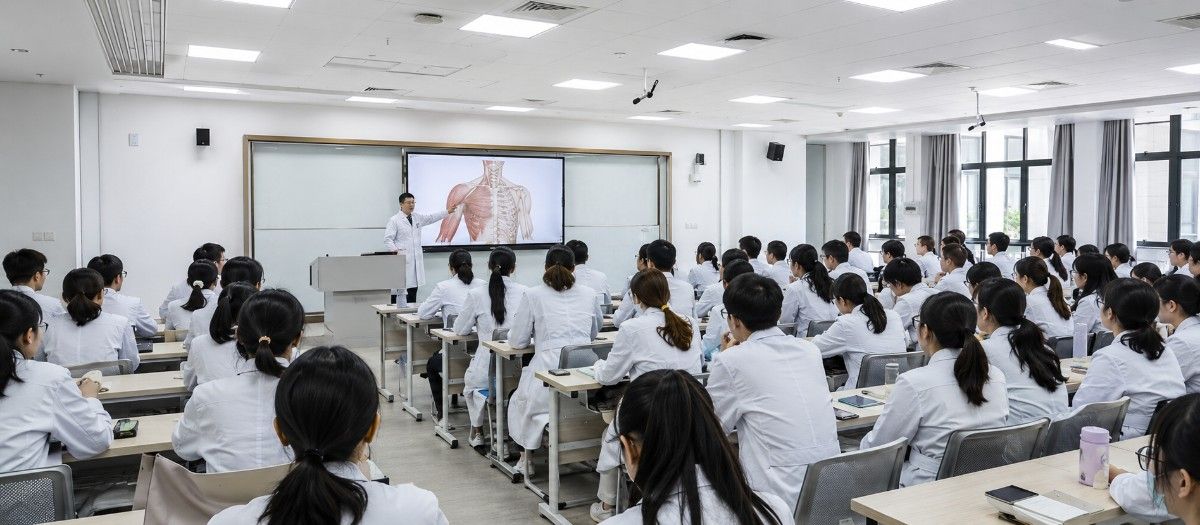
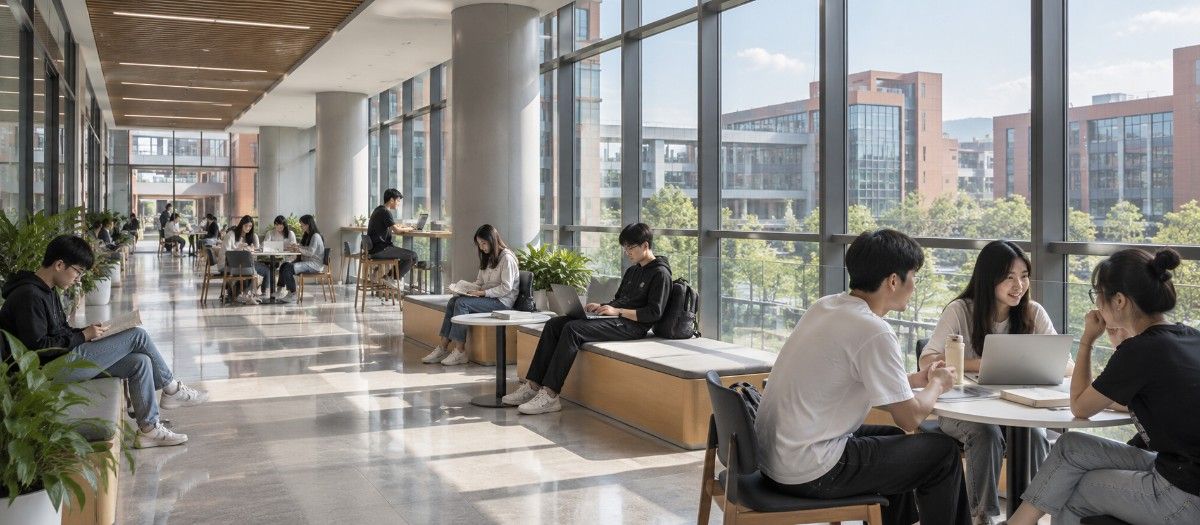
Furnished hostel rooms with Wi-Fi, laundry, 24/7 security, and Indian mess on or near campus.
Indian restaurants and mess facilities serving vegetarian and non-vegetarian home-style food daily.
Strong Indian community with cultural events, festival celebrations, and peer support groups.
Students get hands-on clinical training in government and private hospitals affiliated with the university.
Practical information for students planning to study at MBBS in Guangzhou Medical University.
Prepare for all seasons. Thermal wear for winters, light clothing for summers. University provides heating in hostels.
Student visa processed with university invitation letter. Direct and connecting flights from major Indian cities.
Health insurance included in fees. Medical facility on campus plus city hospitals easily accessible.
Local SIM cards available. WhatsApp and video calls keep you connected with family back home.
Average monthly expenses of $150–$250 covering food, transport, and personal needs.
University library, online databases, and study groups. Seniors mentor juniors through academic challenges.
Our team guides you through every step — from application to arriving on campus.
Compare MOE-listed universities on fees, city, ranking, and FMGE track record, not just the cheapest option.
Submit the application along with academic transcripts, NEET scorecard, and (where required) CSCA score, either directly to the university or through an authorized admission partner.
The university’s international admissions office carries out document verification and academic evaluation.
Issued by the university on acceptance, typically within a few working days of document approval, though this can take longer during peak intake season (July–August).
Pay the tuition/hostel fee as per the written fee structure, ideally through a traceable bank wire to the university’s official account (never to a personal account), to confirm the seat.
Apply for the X1 (long-term) student visa at the Chinese Visa Application Service Center (CVASC) in New Delhi, Mumbai, or Kolkata.
Book travel and confirm arrival dates with the university’s international office, which typically coordinates registration timing for the incoming batch.
In the final weeks, finalize documents, arrange winter clothing if headed to a northern city, sort travel/health insurance, book flights, plan currency exchange, and confirm hostel allotment in writing.
Complete the on-arrival medical examination and residence permit registration with local authorities within the required window (typically around 30 days); this is what actually legalizes the stay for the full duration of the course, separate from the entry visa.
Attend orientation, check into your allotted hostel accommodation, pick up your class schedule, and begin building a routine and connections within the Indian student community as classes start.
Admission Helpline — Contact our counsellors for step-by-step assistance.
“The faculty here is incredibly supportive. The clinical training during hospital rotations has given me real confidence in patient care.”
“Affordable fees without compromising on quality. The campus facilities and hostel life made my transition abroad very smooth.”
“English medium instruction and WHO-recognized curriculum were the deciding factors for me. No regrets so far — excellent experience overall.”
“The university helped with everything from visa to accommodation. Hospital exposure from year three has been invaluable for my FMGE prep.”
“Just cleared my licensing exam on the first attempt. The structured coaching and mock exams during final year were a game-changer.”
“Safe campus, good food options, and a strong Indian student community. The teaching methodology is very practical and hands-on.”
It was established in 1958, originally known as Guangzhou Medical College.
At least one currently dated source reports a country ranking of 104th within China and a worldwide ranking of 972nd; treat this as one data point and cross-check directly where possible.
It is specifically a municipal public university, directly affiliated with and funded by the City of Guangzhou itself, genuinely different from the provincial governance found at most comparable Chinese medical universities.
Yes, the MBBS programme has been taught in English since 2010, though TOEFL (80+) or IELTS (6.0+) is required for applicants from non-English-speaking secondary schools.
Yes, a valid, qualifying NEET score is mandatory, alongside a minimum of 70% marks at 10+2 level and an age of 17-30 at application.
One detailed, currently dated source reports an all-inclusive rate of approximately RMB 46,000 a year (approx. USD 6,700), covering both tuition and accommodation together; food costs run approximately RMB 1,200-1,500 a month, genuinely on the higher side for China.
GZHMU's own First Affiliated Hospital, which hosts the National Center for Respiratory Medicine in South China.
Yes, including the Chinese Government Scholarship, the Confucius Institute Scholarship, and a dedicated GZHMU Scholarship.
In 2010.
In Guangzhou, Guangdong Province, China, across two main campuses: Yuexiu, in downtown Guangzhou, and a separate medical campus in Panyu, roughly two hours away by metro and bus.
Our expert counsellors will guide you through the complete admission process — from documents to airport pickup.