
Q: What makes the University of Málaga Faculty of Medicine unique?
+A: The university combines medical education with Málaga’s public healthcare network.Students gain clinical exposure in hospitals serving a diverse Mediterranean population.
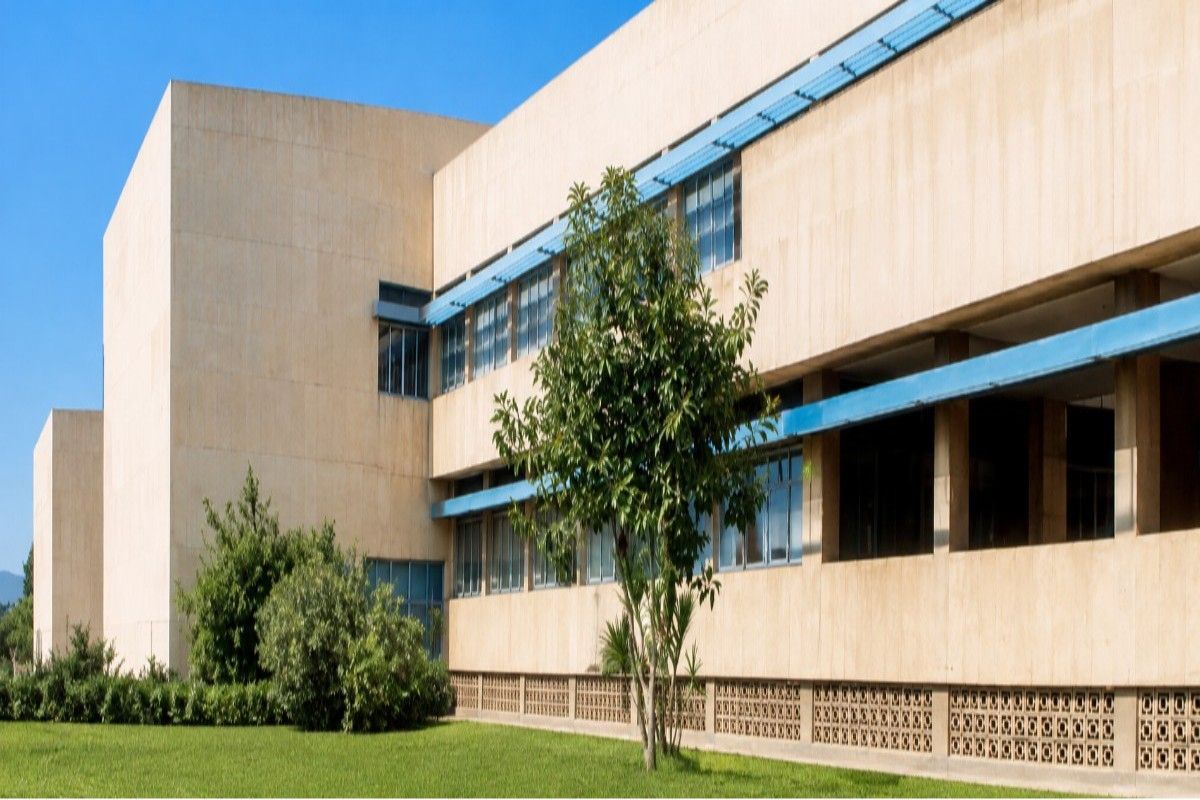
 Spain | Est. 1972
Spain | Spanish Ministry of Education, Government of Spain, European Higher Education Area | Spanish medium
Expert will call you within 2 hours
The University of Málaga (Universidad de Málaga, UMA) was officially founded on 18 August 1972 through a decree issued by the Spanish government. The creation of the university responded to the growing demand for higher education in Málaga and the wider Andalusia region. Before UMA was established, students from the province often had to travel to other Spanish cities for university studies. The new institution was created to provide academic opportunities locally and support the economic and social development of southern Spain.
The Faculty of Medicine of the University of Málaga became one of the key faculties of the university as medical education expanded in the region. The faculty was developed to train healthcare professionals and support medical research in Andalusia. Over the years, it strengthened its connection with local healthcare institutions, especially through agreements with public hospitals where medical students receive clinical training.
The University of Málaga began with a limited number of academic programs but expanded steadily after its establishment. New faculties and research centres were introduced as the university grew. Today, UMA has more than 30,000 students and offers programs across different fields, including health sciences, engineering, social sciences, humanities, and natural sciences. The university operates through multiple campuses, with the main academic activity concentrated in Málaga.
The Faculty of Medicine is part of the health sciences structure of UMA and provides training based on the Spanish medical education model. The Medicine degree follows a six-year curriculum that combines basic sciences, clinical subjects, hospital training, and practical learning. The program prepares students for medical practice within Spain and the European healthcare system. Students complete clinical rotations in affiliated hospitals during the later years of the course.
The Faculty of Medicine maintains strong links with the regional healthcare network of Málaga. Clinical education takes place through collaboration with hospitals such as Hospital Regional Universitario de Málaga and Hospital Universitario Virgen de la Victoria. These hospitals provide students with exposure to different medical departments, patient care environments, and supervised clinical practice. This connection between the university and public healthcare system is an important part of medical training at UMA.
The Medicine program at the University of Málaga is taught mainly in Spanish. International students must have sufficient Spanish language skills to understand lectures, communicate with patients, and participate in clinical activities. Since medical training involves direct patient interaction, language proficiency is an essential requirement. The university does not offer a complete English-medium Medicine degree.
A unique feature of the Faculty of Medicine at UMA is its location in Málaga, a major healthcare and research centre in southern Spain. The university benefits from its connection with the Costa del Sol healthcare network, which serves a large population including both Spanish residents and international communities. This provides students with exposure to a diverse patient base during clinical training.
The university also focuses on biomedical research through different research groups and institutes. Medical research areas include neuroscience, genetics, oncology, cardiovascular diseases, and public health. Researchers at UMA collaborate with national and international institutions to develop new approaches in healthcare and medical science.
Málaga is located on the southern coast of Spain in the Andalusia region. It is one of the oldest cities in Europe, with a history dating back nearly 3,000 years. The city is located along the Mediterranean Sea and has a population of around 590,000 people. Málaga is known for its cultural heritage, historic sites, coastal environment, and growing technology sector.
The city offers a comfortable environment for students. Málaga has a Mediterranean climate with mild winters and warm summers. The city receives significant sunshine throughout the year, making it one of the most popular destinations in Spain. Public transportation includes buses, commuter trains, and metro services that connect different parts of the city. Málaga also has an international airport with connections to many European destinations.
Student life in Málaga combines academic activities with cultural and social experiences. The city has a large student population because of the University of Málaga and other educational institutions. Students can access libraries, sports facilities, student organizations, and cultural events. The cost of living is generally lower than many major European cities, although housing prices have increased in recent years.
Accommodation options for students include university residences, private apartments, and shared housing. Many international students choose shared apartments near the university campuses or city centre. The university supports international mobility through exchange programs, helping students connect with classmates from different countries.
Indian students considering the University of Málaga should understand that Spain follows a structured admission system for medical studies. The recognition of the degree for practice in India depends on meeting the requirements set by the National Medical Commission (NMC), including eligibility conditions and licensing requirements after graduation. Students should also consider the Spanish language requirement because clinical communication forms a major part of medical education.
The Faculty of Medicine at the University of Málaga combines academic education with hospital-based learning. Its connection with Málaga’s healthcare system, research activities, and location in a historic Mediterranean city makes it a distinctive option for students seeking medical education in Spain.
No hidden charges, no donation. The full picture of costs at MBBS in University of Málaga (UMA) Faculty of Medicine.
Tuition Fee
USD 1,300 approx (Rs. 1.08 lakh approx)
$1,300 Rs. 1.08 lakh
Hostel Fee
USD 5,000 approx (Rs. 4.15 lakh approx) per year, depending on accommodation type
$5,000 Rs. 4.15 lakh
Food & Meals
$3,600 Rs. 2.99 lakh
per month
Insurance
$800 Rs. 66,480
per year
Donation
No Donation
No Hidden Fees
Total Estimated Cost
$64,200 approx (Rs. 53.3 lakh approx)
6-Year
25–35%
Average FMGE first-attempt pass rates for students from many overseas medical universities. Students from structured programs consistently score higher.
Students returning to India need to clear the FMGE/NExT exam. MBBS in University of Málaga (UMA) Faculty of Medicine integrates exam-oriented coaching into the regular curriculum so students are prepared from day one.
A structured program that takes you from foundational sciences to clinical mastery.
• Introduction to healthcare systems and professional medical skills
• Basic subjects including anatomy, biology, chemistry, and medical physics
• Development of clinical reasoning and laboratory skills
• Physiology, biochemistry, microbiology, and pathology fundamentals
• Introduction to clinical subjects and patient-based learning
• Pharmacology, genetics, immunology, and disease mechanisms
• Training through affiliated hospitals including Hospital Regional Universitario de Málaga
• Clinical rotations in medicine, surgery, pediatrics, and other departments
• Supervised patient care and clinical decision-making practice
• Advanced hospital rotations across medical specialties
• Completion of medical rotations before graduation
• Final year clinical training and professional preparation
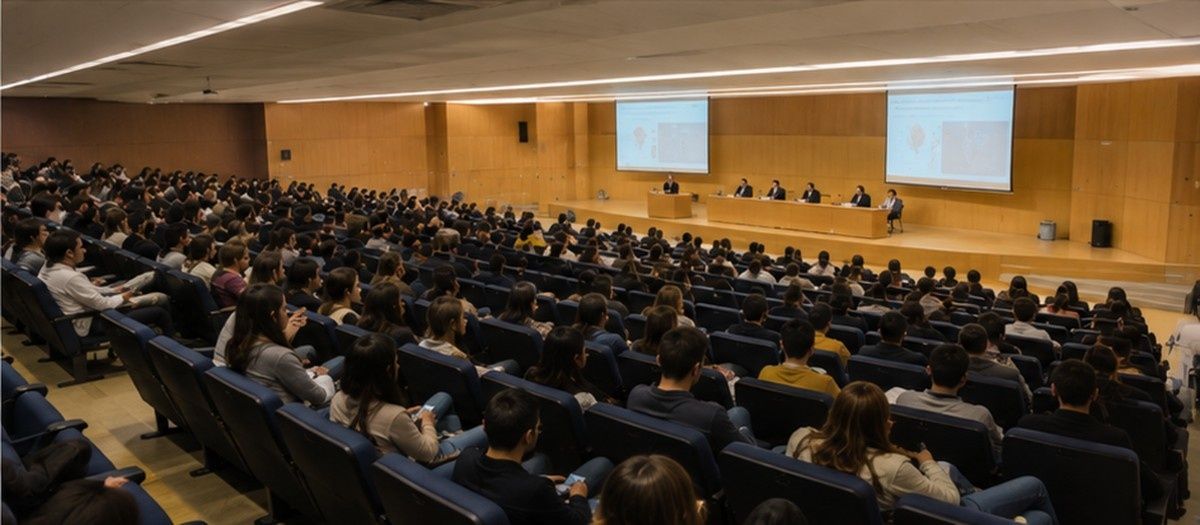
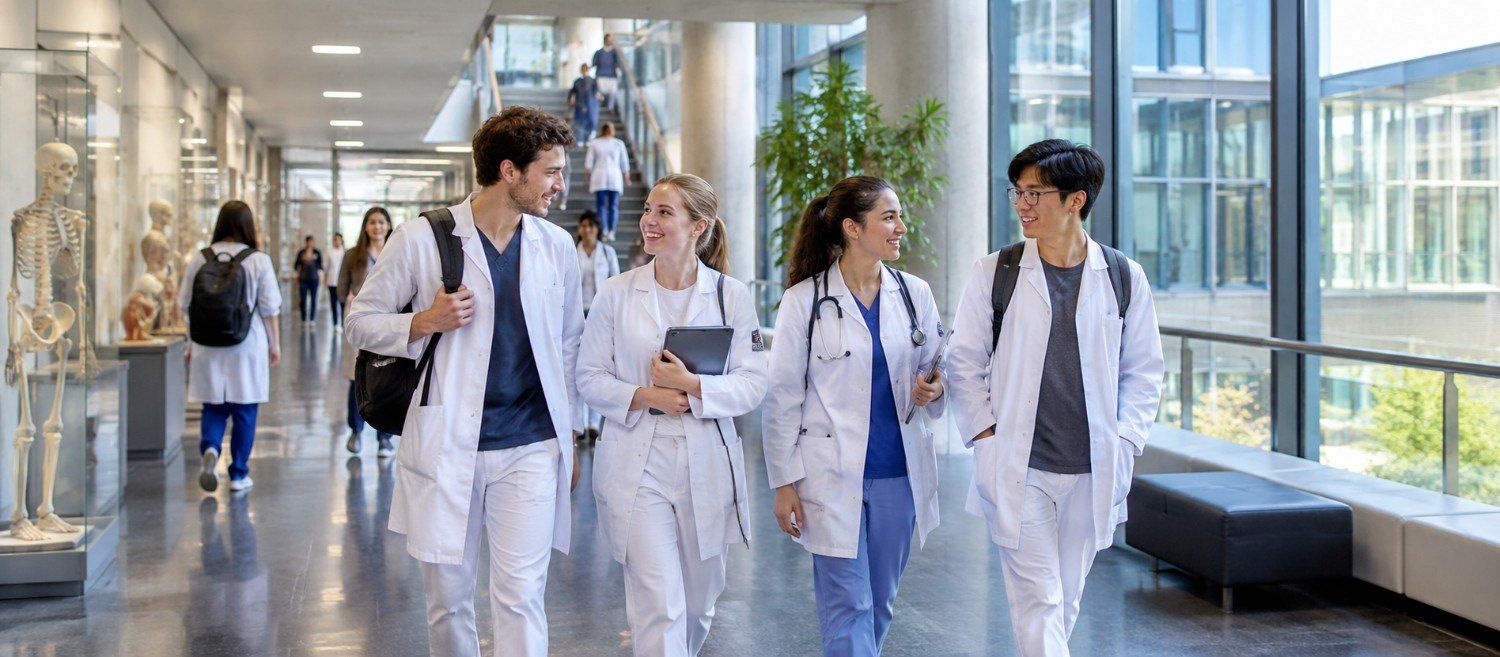
Furnished hostel rooms with Wi-Fi, laundry, 24/7 security, and Indian mess on or near campus.
Indian restaurants and mess facilities serving vegetarian and non-vegetarian home-style food daily.
Strong Indian community with cultural events, festival celebrations, and peer support groups.
Students get hands-on clinical training in government and private hospitals affiliated with the university.
Practical information for students planning to study at MBBS in University of Málaga (UMA) Faculty of Medicine.
Prepare for all seasons. Thermal wear for winters, light clothing for summers. University provides heating in hostels.
Student visa processed with university invitation letter. Direct and connecting flights from major Indian cities.
Health insurance included in fees. Medical facility on campus plus city hospitals easily accessible.
Local SIM cards available. WhatsApp and video calls keep you connected with family back home.
Average monthly expenses of $150–$250 covering food, transport, and personal needs.
University library, online databases, and study groups. Seniors mentor juniors through academic challenges.
Our team guides you through every step — from application to arriving on campus.
Shortlist based on public vs private, the MBBS fee in Spain you’re comfortable with, city, and whether a partial-English track matters to you.
Begin DELE/SIELE B2 preparation well ahead of application deadlines.
Submit application; sit BMAT or a university-specific test where required.
Academic transcripts, NEET scorecard, language certificates, passport, and supporting documents.
Formal offer issued upon successful evaluation.
Initial steps toward having your Indian academic credentials recognised in the Spanish system.
Apply at the Spanish consulate with your offer letter, financial proof, and insurance documentation.
After arrival, register at your local town hall (ayuntamiento), a mandatory municipal registration step that most competitor guides skip entirely, but one you’ll need for everything from opening a bank account to enrolling in local healthcare.
Admission Helpline — Contact our counsellors for step-by-step assistance.
“The faculty here is incredibly supportive. The clinical training during hospital rotations has given me real confidence in patient care.”
“Affordable fees without compromising on quality. The campus facilities and hostel life made my transition abroad very smooth.”
“English medium instruction and WHO-recognized curriculum were the deciding factors for me. No regrets so far — excellent experience overall.”
“The university helped with everything from visa to accommodation. Hospital exposure from year three has been invaluable for my FMGE prep.”
“Just cleared my licensing exam on the first attempt. The structured coaching and mock exams during final year were a game-changer.”
“Safe campus, good food options, and a strong Indian student community. The teaching methodology is very practical and hands-on.”
A: The university combines medical education with Málaga’s public healthcare network.Students gain clinical exposure in hospitals serving a diverse Mediterranean population.
A: The degree follows the European medical education system. Indian students must meet NMC requirements and complete required licensing procedures.
A: Tuition fees are around USD 1,300 per year. Living expenses, accommodation, and insurance increase the overall yearly cost.
A: Yes, it is recognized by Spanish education authorities and listed internationally through WDOMS.
A: No. The Medicine program is mainly taught in Spanish. Students need Spanish proficiency for academic and clinical training.
A: Yes, NEET qualification is mandatory for Indian students seeking medical admission abroad.
A: Yes, students can access university residences and private accommodation options.
A: Málaga offers a safe student environment with cultural activities, beaches, and good transport facilities.
A: The academic year generally begins in September. Exact dates depend on the university calendar.
A: Students generally need academic certificates, passport, language proof, NEET qualification, and admission documents.
Our expert counsellors will guide you through the complete admission process — from documents to airport pickup.