
Q1. Is Medicine at URJC taught in English?
+A: No. Instruction is entirely in Spanish, and URJC does not run an English-medium or bilingual track for Medicine.
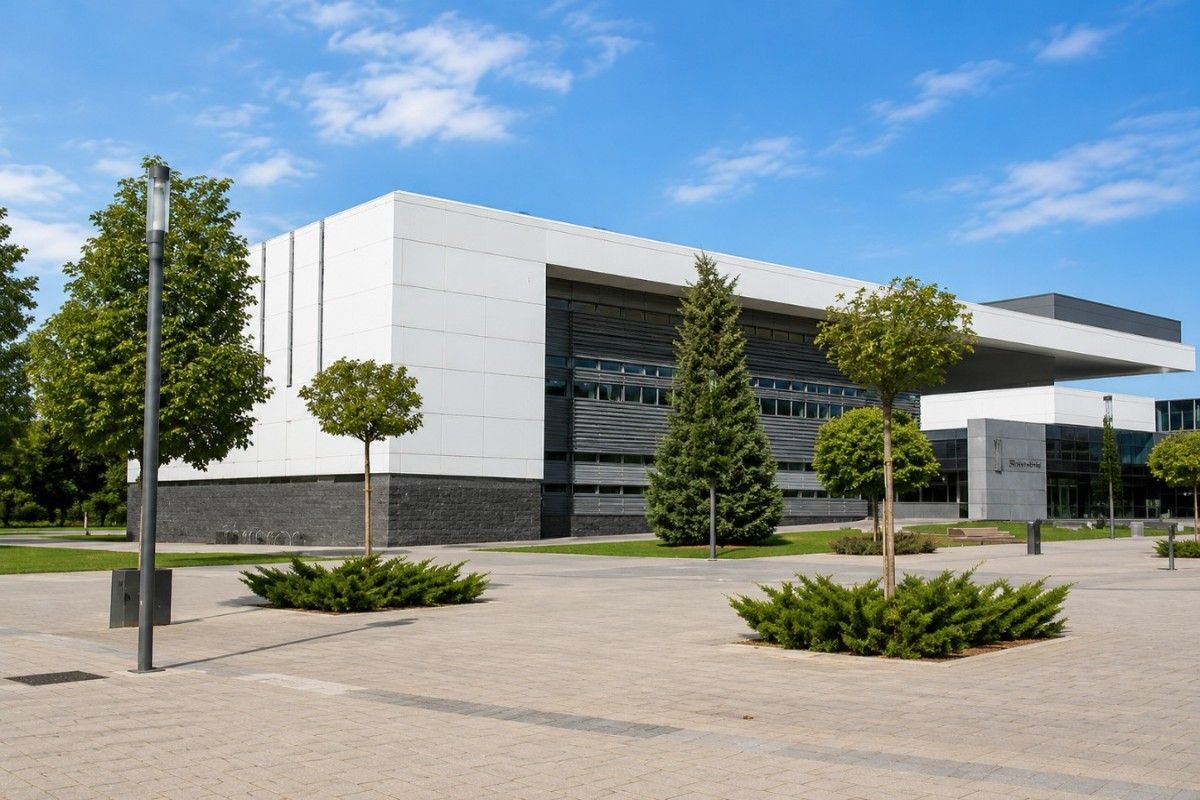
 Spain | Est. 1996
Spain | Public university officially recognized by the Government of Spain | Spanish medium
Expert will call you within 2 hours
Universidad Rey Juan Carlos (URJC) is one of the youngest state universities of Spain, founded in 1996. Faculty of Health Sciences in Alcorcón launched Medicine degree programme during the academic year 2008-09. First graduates were obtained in 2014, in number of 31. Despite its relatively short existence, faculty already has a very good academic reputation. Its fast development attracted much attention in Spain.
Probably, the brightest achievement of the programme is its performance in the MIR residency examination. In all three most recent rankings of faculties by the Spanish Ministry of Health, URJC occupied the first, third and sixth places nationally among all public and private medical universities. This fact shows that programme has formed its good academic performance very quickly, despite being quite new. Performance in MIR is one of the most important factors which characterise quality of medical education in Spain.
Similarly to the other state medical universities of Spain, URJC Medicine programme is held in Spanish only. There are no bilingual or English-taught tracks available. All lectures, seminars, exams and clinical studies should be done in the Spanish language. Thus, students should be ready to study and communicate in Spanish throughout the duration of the programme.
Also, the competition for admission to the programme is quite high. Domestic and EU applicants apply to URJC via the national EBAU university entrance examination. Medicine programme of URJC has one of the highest admission cut-offs in Spain, competing with such famous universities as Complutense University of Madrid and Autonomous University of Madrid. Usually, only candidates with extremely good academic results can get accepted to the programme.
For Indian and other non-EU applicants, the admission procedure follows the standard Spanish procedure for international applicants. Their secondary school qualification should be homologated through Spain's homologation process. Then, applicants should get their admission credentials through the UNEDasiss system, using Pruebas de Competencias Específicas (PCE) to increase their admission score. They should also have a Spanish language certification of level B2, usually SIELE or DELE.
Thus, the admission procedure is competitive and can require much work from the applicant. Unlike some private universities, URJC doesn't provide simplified admission procedure or special foundation programme for international students. Success in this case depends primarily on academic performance, language skills and proper preparation for the UNEDasiss admission procedure.
Tuition fees in URJC are set according to the regulations of the Community of Madrid. Contrary to several other regions of Spain, Madrid has different policy for non-resident international students. Non-EU applicants pay the fourth enrolment fee (credit) rate since their first year of study. It means that tuition fees will be higher than in many other public universities of Spain.
For Medicine programme, annual tuition fee is around €8,000, depending on standard workload. Despite being significantly cheaper than in most private medical universities, this cost is noticeably higher than in most other public universities of Aragon, Valencia and some other regions of Spain. Thus, students choosing between Spanish universities should keep in mind these differences.
Clinical studies begin in the later stages of the programme and are organised through two major teaching hospitals. Students are allocated to one of two teaching hospitals – Hospital Universitario Fundación Alcorcón or Hospital Universitario de Fuenlabrada through lottery. The rotations include all major medical specialties, such as internal medicine and surgery.
In addition to its medical programme, the university itself got five stars from QS Stars system in several categories. Although these assessments are not directly related to Medicine programme, they show overall quality and performance of the university. In general, the university has improved its reputation since its founding.
Graduates of URJC Medicine programme are certified as medical doctors in accordance with the regulation of Spain, Orden ECI/332/2008. They can participate in MIR examination and practise medicine throughout the territory of the European Union and European Economic Area. The qualification has good recognition in Europe and uses the same legal framework as any other Spanish medical degree.
Current data on URJC does not show that university has the WFME International Quality Label which some Spanish medical schools have. It has impact mainly on students who plan their further careers in US through ECFMG. In case of students who want to work in Spain, other European countries or India, the lack of this label is much less important. Nevertheless, one should take into account licensing requirements for specific country.
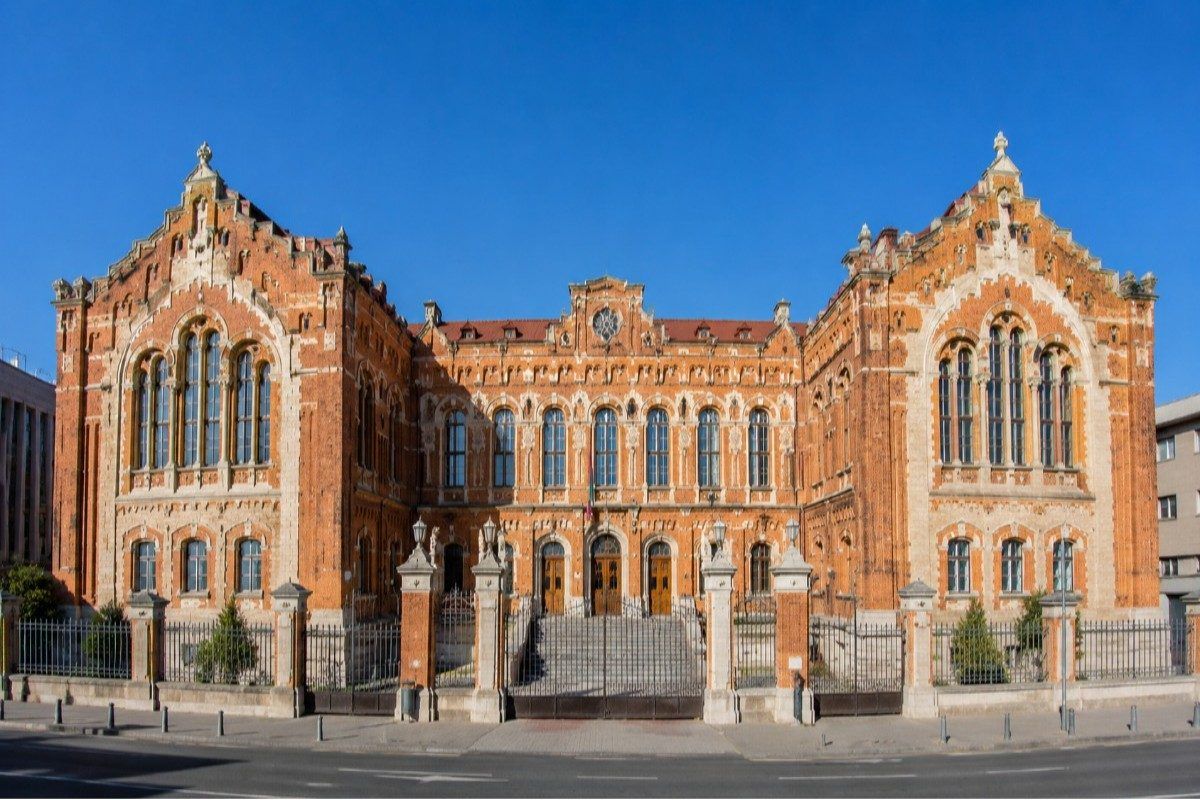
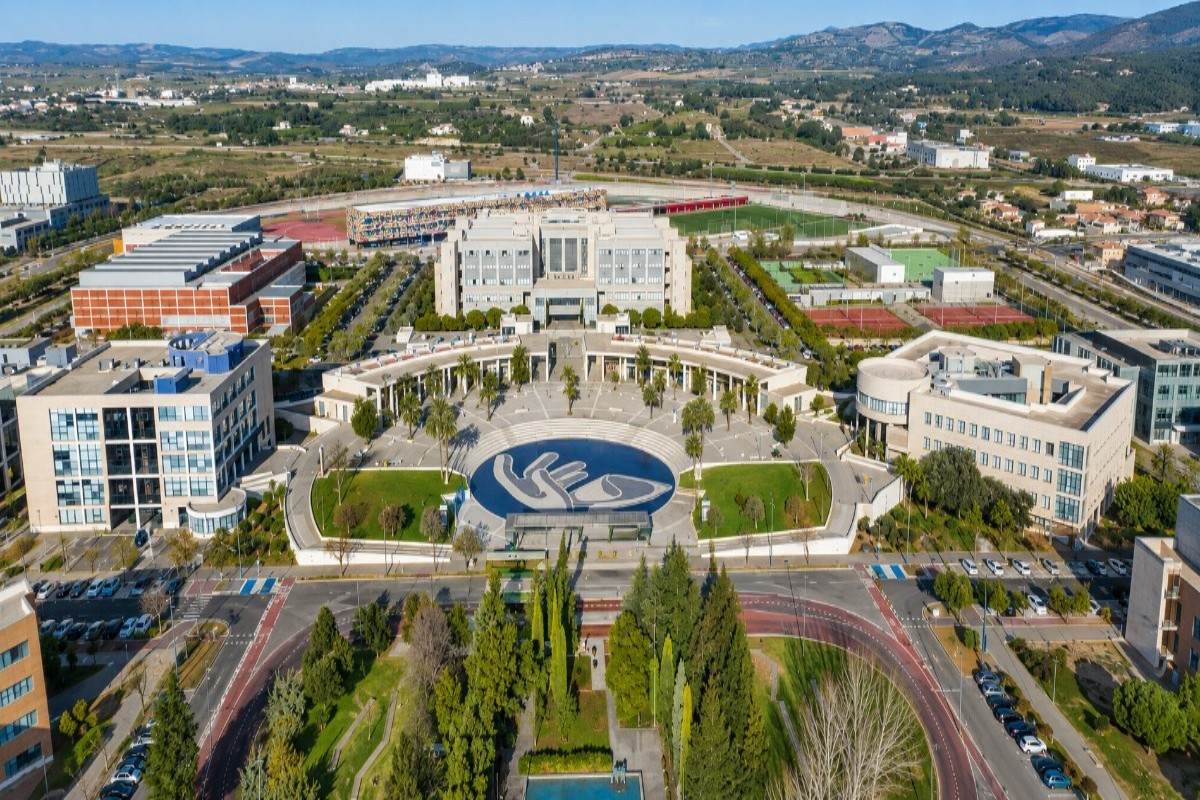
The university is located in its Alcorcón campus, which is in a residential suburb southwest of Madrid. With excellent metro connection, travelling to the centre of Madrid is quite fast and easy. Teaching hospitals and university are located close to campus, thus providing a convenient learning experience. Thus, students have both access to Madrid and comfortable suburban location.
In general, Universidad Rey Juan Carlos is suitable for the students with excellent academic performance and strong Spanish language skills who are able to compete in the Spanish admission procedure. Its excellent MIR performance, good partnerships with hospitals and the fact that it is a public university makes it one of the most attractive modern medical schools in Spain. However, it is neither English-taught programme nor one of the cheapest Spanish programmes for international students.
No hidden charges, no donation. The full picture of costs at MBBS In Universidad Rey Juan Carlos Facultad de Ciencias de la Salud.
Tuition Fee
Approximately €1,650–1,900 per academic year
Approximately €1,650–1,900/year
Hostel Fee
€5,000–8,000 per academic year
Approximately €5,000–8,000/year
Food & Meals
Approximately €3,500–5,500
per year
Insurance
Approximately €250–600
per year
Donation
No Donation
No Hidden Fees
Total Estimated Cost
EUR ≈ 48,000 (non-EU tuition only) Approx. Rs. 44.6 lakh
total 6 year
25–35%
Average FMGE first-attempt pass rates for students from many overseas medical universities. Students from structured programs consistently score higher.
Students returning to India need to clear the FMGE/NExT exam. MBBS In Universidad Rey Juan Carlos Facultad de Ciencias de la Salud integrates exam-oriented coaching into the regular curriculum so students are prepared from day one.
A structured program that takes you from foundational sciences to clinical mastery.
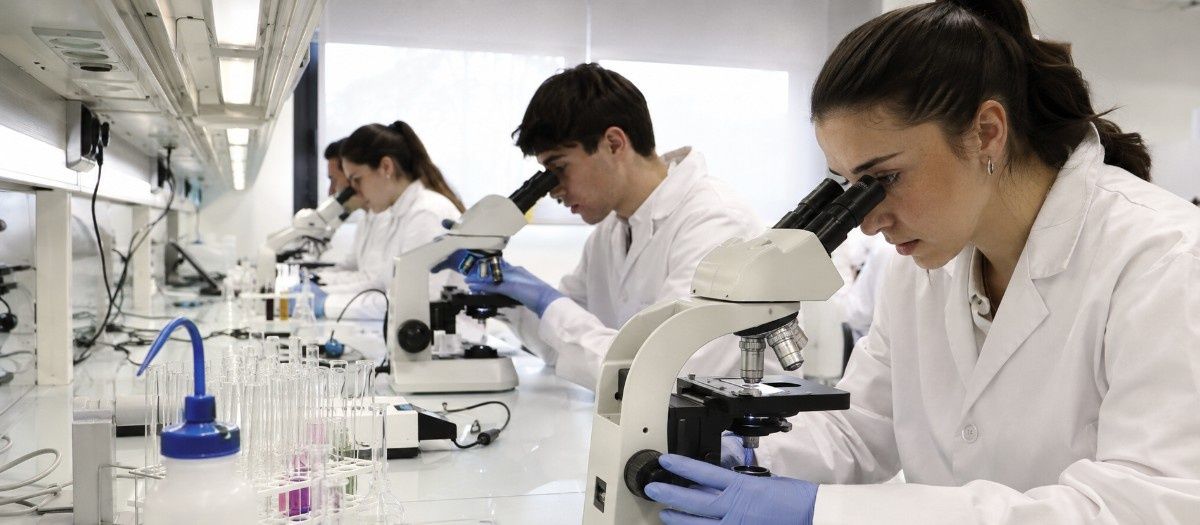
Laboratory practicals, communication skills and early patient contact
Human Anatomy, Cell Biology, Biochemistry, Histology, Medical Physics, Biostatistics and Introduction to Clinical Medicine
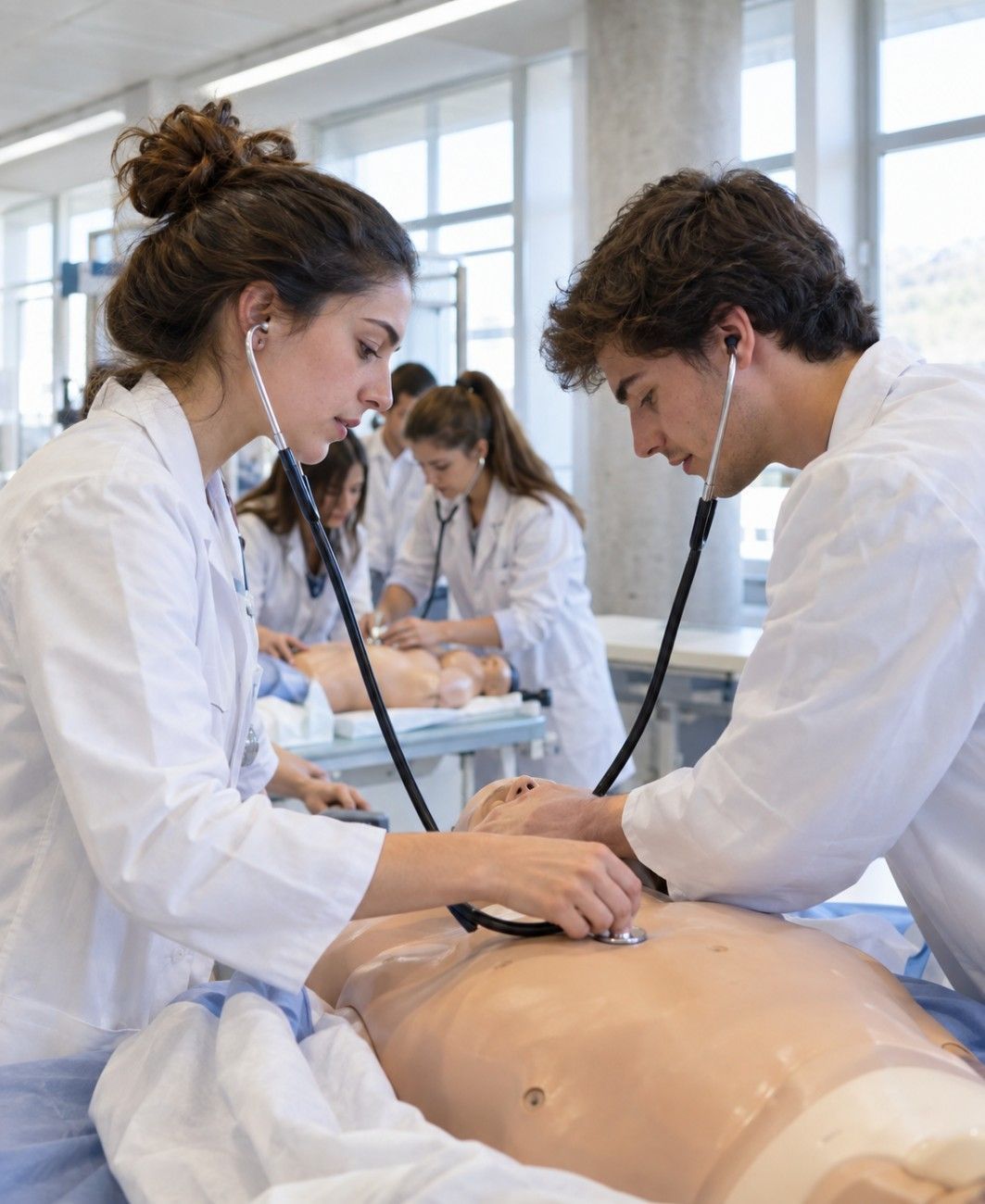
Organ-system integrated learning, laboratory work and clinical simulation
Physiology, Genetics, Microbiology, Immunology, Embryology and Neurosciences
Clinical examination techniques, evidence-based medicine and introductory hospital practice
athology, Pathophysiology, Pharmacology, Diagnostic Imaging, Clinical Microbiology and Epidemiology
Clinical rotations in affiliated university hospitals
Internal Medicine General Surgery, Pediatrics, Obstetrics & Gynecology, Psychiatry, Neurology, Dermatology, Ophthalmology and Otorhinolaryngology (ENT)
Clinical clerkships in university hospitals, primary healthcare centers and specialty departments Elective subjects and multidisciplinary clinical case discussions
Cardiology, Pulmonology, Gastroenterology, Endocrinology, Oncology, Nephrology, Rheumatology and Infectious Diseases
Elective specialty rotations Final Degree Project (Trabajo Fin de Grado) Comprehensive clinical competency assessment and preparation for the Spanish MIR examination
Supervised rotations in Internal Medicine, Surgery, Pediatrics, Family Medicine, Obstetrics & Gynecology and Emergency Medicine
Furnished hostel rooms with Wi-Fi, laundry, 24/7 security, and Indian mess on or near campus.
Indian restaurants and mess facilities serving vegetarian and non-vegetarian home-style food daily.
Strong Indian community with cultural events, festival celebrations, and peer support groups.
Students get hands-on clinical training in government and private hospitals affiliated with the university.
Practical information for students planning to study at MBBS In Universidad Rey Juan Carlos Facultad de Ciencias de la Salud.
Prepare for all seasons. Thermal wear for winters, light clothing for summers. University provides heating in hostels.
Student visa processed with university invitation letter. Direct and connecting flights from major Indian cities.
Health insurance included in fees. Medical facility on campus plus city hospitals easily accessible.
Local SIM cards available. WhatsApp and video calls keep you connected with family back home.
Average monthly expenses of $150–$250 covering food, transport, and personal needs.
University library, online databases, and study groups. Seniors mentor juniors through academic challenges.
Our team guides you through every step — from application to arriving on campus.
Shortlist based on public vs private, the MBBS fee in Spain you’re comfortable with, city, and whether a partial-English track matters to you.
Begin DELE/SIELE B2 preparation well ahead of application deadlines.
Submit application; sit BMAT or a university-specific test where required.
Academic transcripts, NEET scorecard, language certificates, passport, and supporting documents.
Formal offer issued upon successful evaluation.
Initial steps toward having your Indian academic credentials recognised in the Spanish system.
Apply at the Spanish consulate with your offer letter, financial proof, and insurance documentation.
After arrival, register at your local town hall (ayuntamiento), a mandatory municipal registration step that most competitor guides skip entirely, but one you’ll need for everything from opening a bank account to enrolling in local healthcare.
Admission Helpline — Contact our counsellors for step-by-step assistance.
“The faculty here is incredibly supportive. The clinical training during hospital rotations has given me real confidence in patient care.”
“Affordable fees without compromising on quality. The campus facilities and hostel life made my transition abroad very smooth.”
“English medium instruction and WHO-recognized curriculum were the deciding factors for me. No regrets so far — excellent experience overall.”
“The university helped with everything from visa to accommodation. Hospital exposure from year three has been invaluable for my FMGE prep.”
“Just cleared my licensing exam on the first attempt. The structured coaching and mock exams during final year were a game-changer.”
“Safe campus, good food options, and a strong Indian student community. The teaching methodology is very practical and hands-on.”
A: No. Instruction is entirely in Spanish, and URJC does not run an English-medium or bilingual track for Medicine.
A: Through Ministry homologation of your Class 12 certificate, then UNED's own entrance exam for foreign-system students via UNEDasiss.
A: Not strictly, but most applicants sit the Pruebas de Competencias Especificas to build a competitive score for Medicine.
A: Yes. A DELE or SIELE B2-level certificate is expected for non-native speakers, with no bridge year offered after enrolment.
A: Roughly EUR 8,000 a year, since Madrid charges non-EU students the fourth-enrolment credit rate from the very first year.
A: Madrid applies a different rule than regions like Valencia or Aragon, charging non-EU students the highest repeat-enrolment rate rather than a flat multiplier.
A: Yes. It is regulated under Orden ECI/332/2008 and automatically recognised for practice across the EU and EEA.
A: Not as far as published sources indicate; only a small number of Spanish faculties currently hold that label.
A: From the fourth year, at Hospital Universitario Fundacion Alcorcon and Hospital Universitario de Fuenlabrada.
A: It has placed 1st, 3rd, and 6th nationally among all Spanish medical faculties across three official Ministry of Health cohorts.
Our expert counsellors will guide you through the complete admission process — from documents to airport pickup.