
Q1. Is Medicine at UAB taught in English?
+A: No. Teaching mixes Catalan and Castilian; English fluency is recommended for materials but there is no English-medium track.
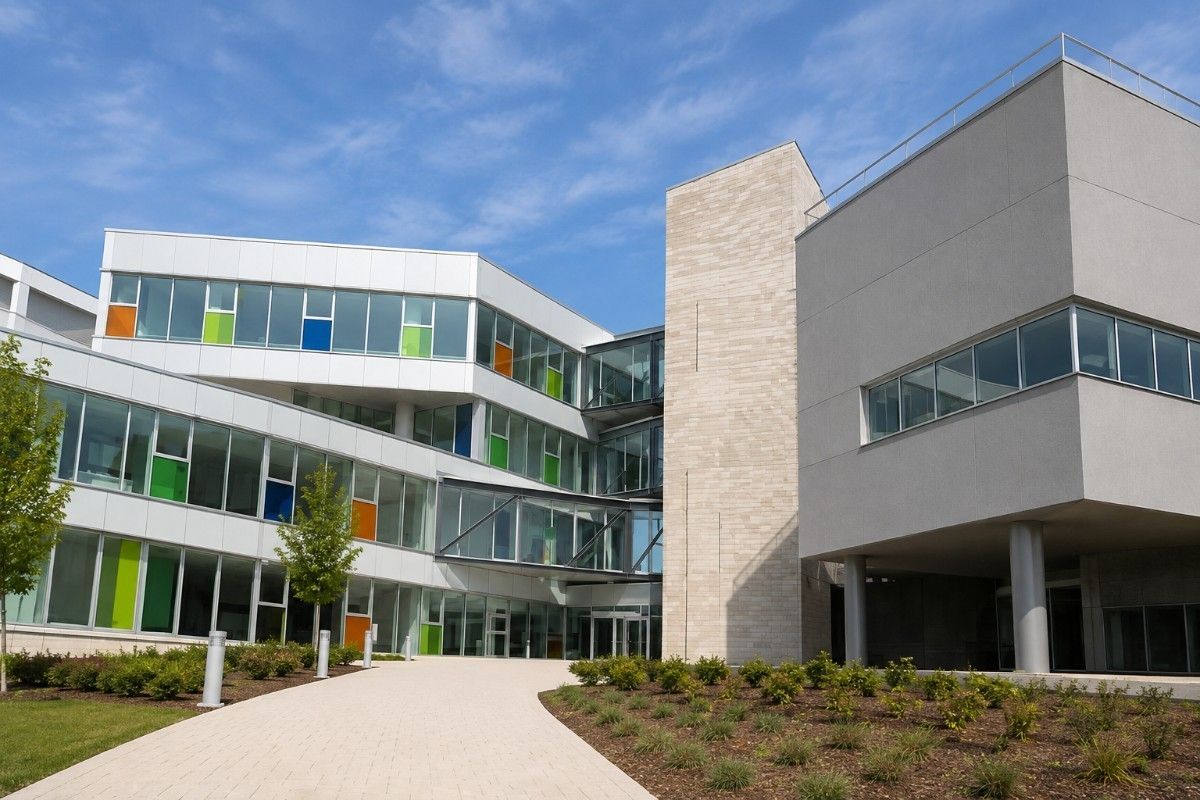
 Spain | Est. 1968
Spain | Degree officially verified by the Ministry of Science, Innovation and Universities of Spain
Expert will call you within 2 hours
Universitat Autònoma de Barcelona (UAB) was founded on 6th June 1968, and Medicine became one of the four faculties of the university since its establishment later in the same year. Right from the outset, Faculty of Medicine collaborated with Hospital de la Santa Creu i Sant Pau, which continued functioning as a teaching hospital solely for the purpose of offering teaching programmes at the faculty. Over five decades later, the hospital remains an important educational partner for the medical faculty at UAB. This collaboration is perhaps one of the greatest strengths of the programme.
One of the distinct aspects of the programme is the decentralized model of clinical education. Throughout the first two years, all students take basic medical sciences courses at the Bellaterra campus via the Unitat Docent de Ciències Mèdiques Bàsiques. From the third year onwards, students get allocated to any of the four teaching units of the hospitals. The allocation is done through an internal allocation procedure instead of individual selection.
The clinical education takes place at Hospital de Sant Pau and Hospital Vall d'Hebron at Barcelona, Hospital Germans Trias i Pujol at Badalona, or Corporació Sanitària Parc Taulí at Sabadell. Students remain allocated to their respective teaching hospital during the entire clinical phase of the programme. Such a structure enables the faculty to offer clinical exposure through several major health care facilities. In other words, students can spend considerable time of their studies away from the central part of Barcelona.
UAB is one of the very few Spanish public medical schools to have obtained international accreditation according to the WFME standards. The Faculty of Medicine at UAB received accreditation from AQU Catalunya which will remain valid till April 2025. This is particularly useful for graduates seeking postgraduate medical training in the USA through ECFMG Pathway 1. Such accreditation of the programme is quite rare among Spanish public universities.
UAB also holds a good standing in international university rankings. According to the latest QS World University Rankings by Subject, the Medicine programme of UAB became ranked within the top 100 for Life Sciences and Medicine. This is one of the few Spanish medical faculties which managed to enter into the list. Together with the international accreditation, this helps in creating its academic reputation.
Language requirements at UAB are stricter than those of many other Spanish universities. Courses are taught in both Catalan and Spanish depending upon the course and lecturer. Furthermore, all students are required to use English language literature throughout the programme. Although there is no English medium pathway, the university encourages students to master all three languages before joining the university.
International applicants need to have adequate knowledge of Spanish language before enrolling in the programme. Knowledge of Catalan language is also helpful, especially during the period of clinical rotation and other university activities. English is helpful for accessing scientific literature and other academic sources rather than classroom education. Therefore, students need to prepare for multilingual learning rather than an English language medical programme.
Non-EU applicants need to follow the standard public university admission procedure of Spain. First of all, secondary school qualifications have to be recognized through the Spanish homologation procedure. Then they obtain admission credentials through UNED followed by participation in the centralized admission procedure of Catalonia (preinscripció). The competition for available places is always high.
Medicine at UAB achieves admission cut-off score of more than 12.4 out of 14 almost every year. Hence, Medicine at UAB is one of the most competitive medical programmes in Spain. As a result, applicants need to have excellent academic record along with adequate language preparation. The admission process is based on merit and not the capacity to pay the tuition fees. International applicants compete against other qualified applicants.
Tuition fee structure at UAB is determined by the regional government of Catalonia rather than by the university. Catalonia has a single tuition fee for all the degree programmes, including Medicine. Non-EU international students pay around €42.56 per credit in the current year, which translates into around €2,550 for a year of 60 credits. There is an additional fixed annual academic management fee of around €160.
In comparison to many other European medical schools, UAB is highly cost effective for such a highly ranked public university. The tuition fees are considerably lower than those charged by the private universities of Spain. Moreover, even public universities of some other Spanish regions charge higher tuition than UAB. Thus, UAB is one of the most attractive medical faculties due to international recognition and affordable tuition fees. Nevertheless, obtaining admission is the main challenge.
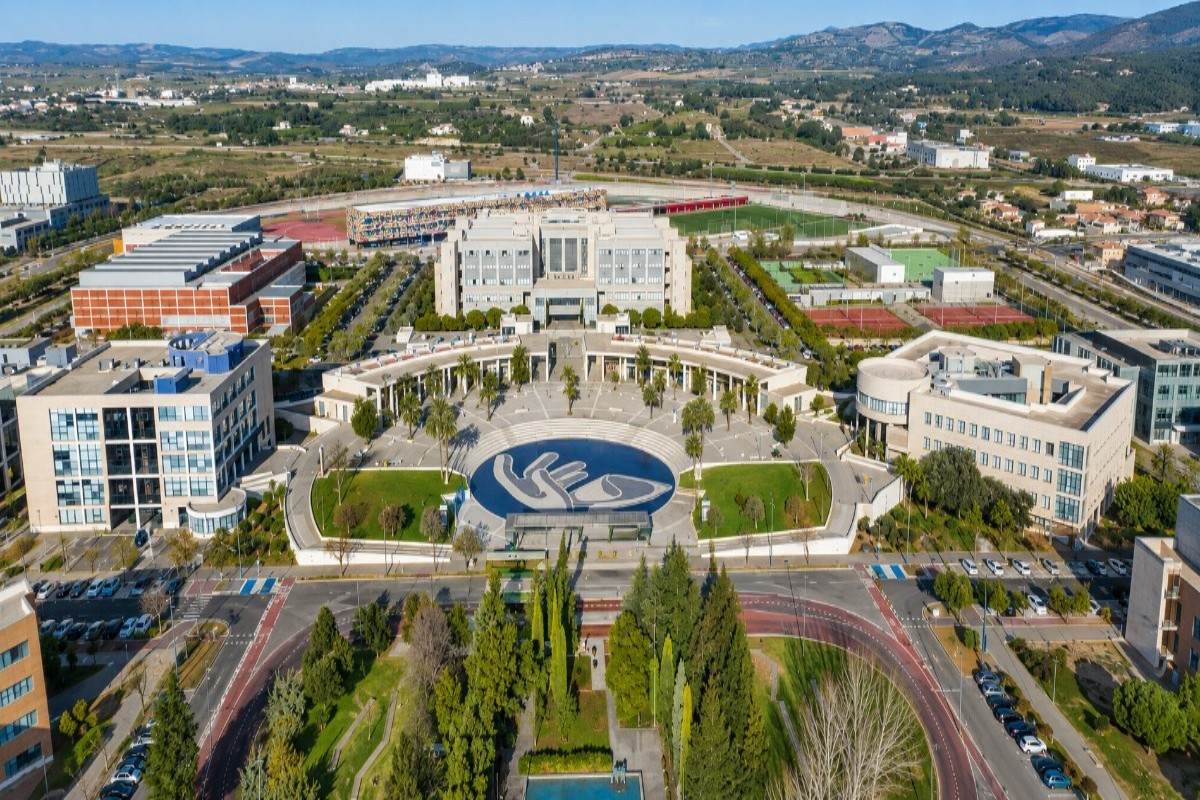
The Bellaterra campus is situated around thirty minutes away from the central Barcelona via train. Though students enjoy the advantage of studying in one of the best cities in Europe, the majority of the programme takes place outside the central city. The clinical rotations in Badalona and Sabadell add up to this geographical dispersion of training. As a result, students need to be ready for traveling to different teaching locations.
Overall, Universitat Autònoma de Barcelona is one of the strongest public medical schools of Spain for outstanding students. Due to the international accreditation, top 100 ranking globally, collaboration with numerous hospitals, and lower tuition fees, UAB is quite an attractive destination. However, applicants need to be ready for multilingual environment, competitive admissions, and clinical training outside the central city of Barcelona.
No hidden charges, no donation. The full picture of costs at MBBS In Universitat Autonoma de Barcelona Facultat de Medicina.
Tuition Fee
Approximately €1,660–2,500 per academic year
Approximately €1,660–2,500/year
Hostel Fee
€4,500–7,000
Approximately €4,500–7,000/year
Food & Meals
Approximately €3,500–5,000
per year
Insurance
Approximately €250–600
per year
Donation
No Donation
No Hidden Fees
Total Estimated Cost
EUR ≈ 16,300 (non-EU tuition and fees only) Approx. Rs. 15.16 lakh
total 6 year
25–35%
Average FMGE first-attempt pass rates for students from many overseas medical universities. Students from structured programs consistently score higher.
Students returning to India need to clear the FMGE/NExT exam. MBBS In Universitat Autonoma de Barcelona Facultat de Medicina integrates exam-oriented coaching into the regular curriculum so students are prepared from day one.
A structured program that takes you from foundational sciences to clinical mastery.
Laboratory practicals, scientific methodology and early patient-centered learning
Human Anatomy, Cell Biology, Biochemistry, Histology, Medical Physics, Biostatistics and Introduction to Medicine
Organ-system integrated learning with laboratory work and clinical simulation
Human Physiology, Genetics, Microbiology, Immunology, Embryology and Neurosciences
Clinical examination skills, evidence-based medicine and introduction to hospital practice
General Pathology, Pathophysiology, Pharmacology, Diagnostic Imaging, Clinical Microbiology and Epidemiology
Clinical rotations across affiliated university hospitals
Internal Medicine General Surgery, Pediatrics, Obstetrics & Gynecology, Psychiatry, Neurology, Dermatology, Ophthalmology and Otorhinolaryngology (ENT
Clinical clerkships in tertiary teaching hospitals and primary healthcare centers Elective medical subjects and multidisciplinary clinical case discussions
Cardiology, Pulmonology, Gastroenterology, Endocrinology, Oncology, Nephrology, Rheumatology and Infectious Diseases
Final Degree Project (Treball de Fi de Grau) Comprehensive clinical competency assessment and preparation for the Spanish MIR examination
Supervised rotations in Internal Medicine, Surgery, Pediatrics, Family Medicine, Obstetrics & Gynecology and Emergency Medicine Elective specialty rotations
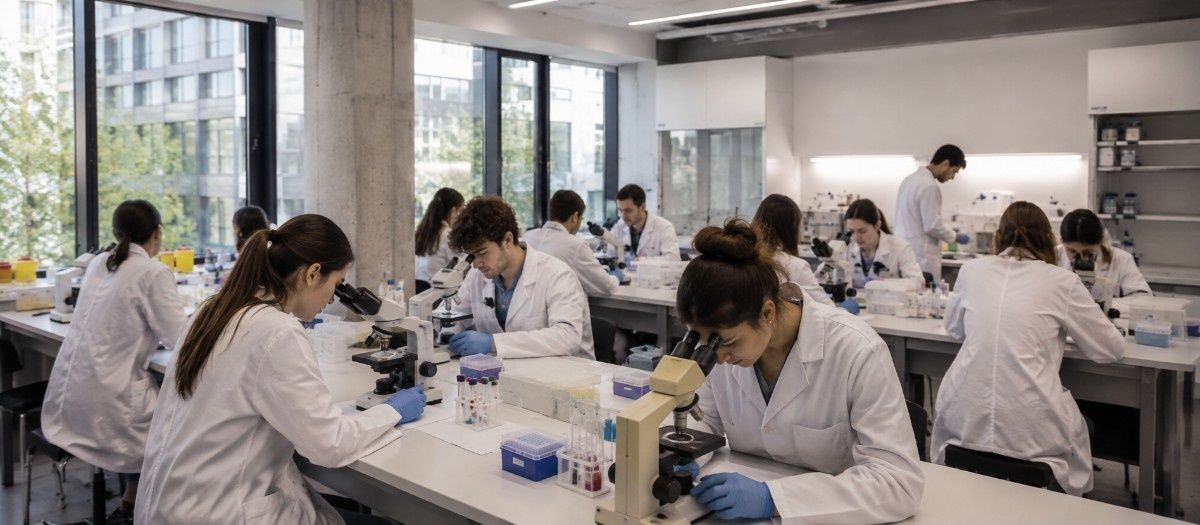

Furnished hostel rooms with Wi-Fi, laundry, 24/7 security, and Indian mess on or near campus.
Indian restaurants and mess facilities serving vegetarian and non-vegetarian home-style food daily.
Strong Indian community with cultural events, festival celebrations, and peer support groups.
Students get hands-on clinical training in government and private hospitals affiliated with the university.
Practical information for students planning to study at MBBS In Universitat Autonoma de Barcelona Facultat de Medicina.
Prepare for all seasons. Thermal wear for winters, light clothing for summers. University provides heating in hostels.
Student visa processed with university invitation letter. Direct and connecting flights from major Indian cities.
Health insurance included in fees. Medical facility on campus plus city hospitals easily accessible.
Local SIM cards available. WhatsApp and video calls keep you connected with family back home.
Average monthly expenses of $150–$250 covering food, transport, and personal needs.
University library, online databases, and study groups. Seniors mentor juniors through academic challenges.
Our team guides you through every step — from application to arriving on campus.
Shortlist based on public vs private, the MBBS fee in Spain you’re comfortable with, city, and whether a partial-English track matters to you.
Begin DELE/SIELE B2 preparation well ahead of application deadlines.
Submit application; sit BMAT or a university-specific test where required.
Academic transcripts, NEET scorecard, language certificates, passport, and supporting documents.
Formal offer issued upon successful evaluation.
Initial steps toward having your Indian academic credentials recognised in the Spanish system.
Apply at the Spanish consulate with your offer letter, financial proof, and insurance documentation.
After arrival, register at your local town hall (ayuntamiento), a mandatory municipal registration step that most competitor guides skip entirely, but one you’ll need for everything from opening a bank account to enrolling in local healthcare.
Admission Helpline — Contact our counsellors for step-by-step assistance.
“The faculty here is incredibly supportive. The clinical training during hospital rotations has given me real confidence in patient care.”
“Affordable fees without compromising on quality. The campus facilities and hostel life made my transition abroad very smooth.”
“English medium instruction and WHO-recognized curriculum were the deciding factors for me. No regrets so far — excellent experience overall.”
“The university helped with everything from visa to accommodation. Hospital exposure from year three has been invaluable for my FMGE prep.”
“Just cleared my licensing exam on the first attempt. The structured coaching and mock exams during final year were a game-changer.”
“Safe campus, good food options, and a strong Indian student community. The teaching methodology is very practical and hands-on.”
A: No. Teaching mixes Catalan and Castilian; English fluency is recommended for materials but there is no English-medium track.
A: Yes. Its Facultat de Medicina is accredited by AQU Catalunya against WFME standards, valid from April 2025 to April 2033.
A: From Year 3, at one of four hospital teaching units (Sant Pau, Vall d'Hebron, Germans Trias i Pujol, or Parc Tauli), assigned mid-degree.
A: Through Ministry homologation of your Class 12 certificate, then UNED's entrance exam for foreign-system students.
A: Roughly EUR 2,554 a year, since Catalonia now charges a single flat per-credit rate for every degree, including Medicine.
A: Domestic cut-off scores have sat above 12.4 out of 14 in recent cycles.
A: 100th globally in QS's 2026 Life Sciences and Medicine ranking, up from 139th the previous year.
A: Not freely. Assignment happens through a transparent internal process in the second semester of second year.
A: Yes. It is regulated under Orden ECI/332/2008 and automatically recognised across the EU and EEA.
A: In 1968, as one of only four faculties present when UAB itself was created.
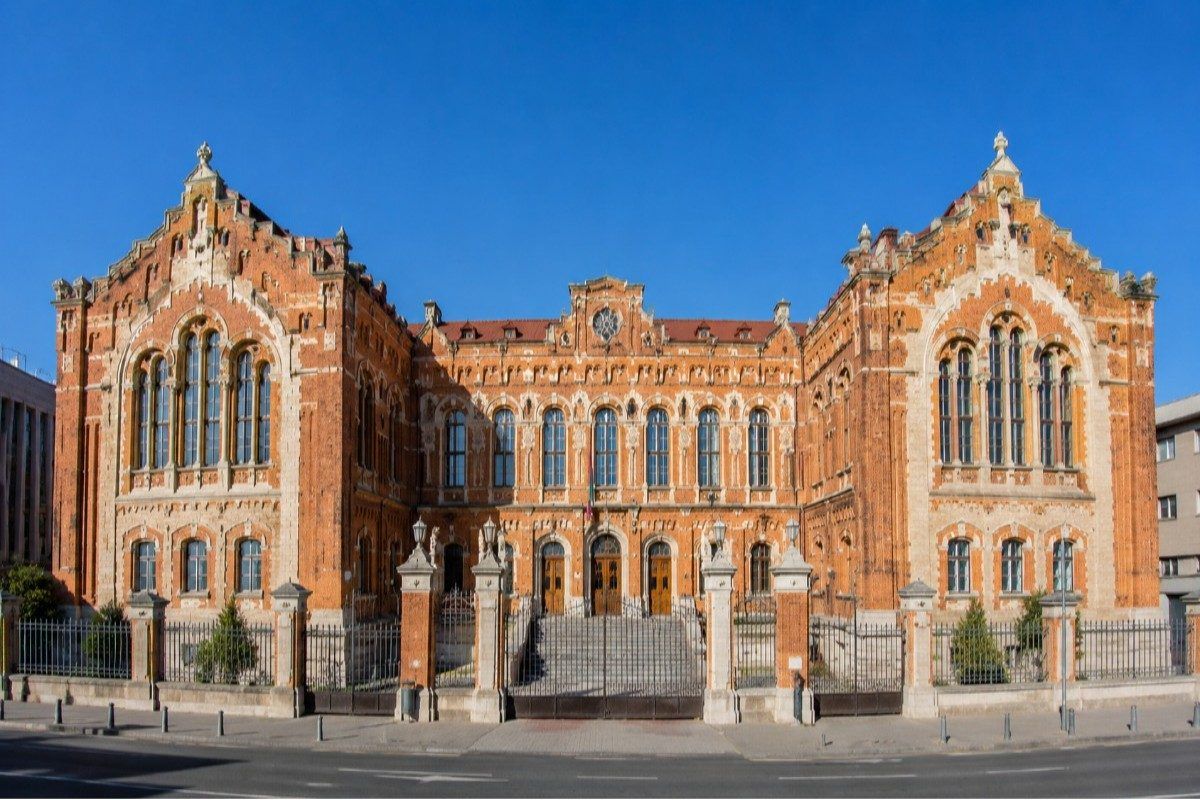
Our expert counsellors will guide you through the complete admission process — from documents to airport pickup.