
Q1. Is Medicine at Girona taught in English?
+A: No. Teaching is in Catalan and Castilian; there is no English-medium track for the degree.
 Spain | Est. 1446
Spain | Public university recognized by the Government of Catalonia and the Government of Spain | Primarily Catalan medium
Expert will call you within 2 hours
Historically speaking, the Universitat de Girona was founded way back in 1446, when King Alfonso V of Aragon granted the right of teaching several subjects, including medicine, to the Estudi General of Girona. Unfortunately, this medieval institution no longer exists. On the other hand, today's Universitat de Girona was re-established as part of a network of public universities by the Catalan Parliament in 1991. As for the Faculty of Medicine, which is considerably younger than the university as a whole, it was founded in 2008, with the first graduates coming out in 2014. Thus, this programme does not rely on centuries-long history of teaching medicine.
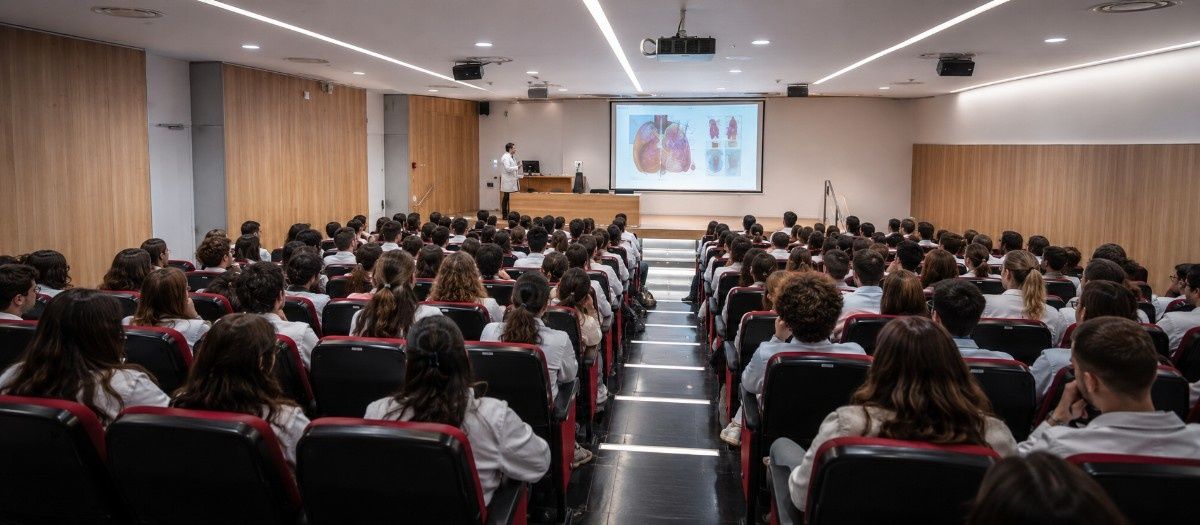
One of the distinctive features of Girona is its educational model. It is the only medical faculty in Spain that uses Problem-Based Learning (known as Aprenentatge Basat en Problemes in Catalonia) as its main teaching methodology. Instead of attending numerous lectures, the students engage in small tutorial groups consisting of about ten people and based on real clinical cases and scenarios.
The educational model was developed by Dr. Ramon Brugada, the founder of the faculty. Over the years, PBL remained an essential part of the programme, rather than an auxiliary teaching method. Students are taught basic skills of clinical reasoning, teamwork and independent study right from the start. Therefore, Girona differs significantly from the majority of Spanish medical schools.
The success of this programme can be seen in high demand for it and in academic results of the students. Admission cut-offs have been growing constantly, and nowadays the programme is considered one of the most competitive in Spain. Representatives of the university have even noticed that a lot of students could have applied to older medical schools but still chose Girona. Moreover, the faculty boasts of high level of student satisfaction and good performance in Spain's MIR residency exams.
In addition, the faculty receives a lot of international recognition. In June 2022, the programme obtained accreditation from AQU Catalunya according to the WFME global standards for Basic Medical Education. This accreditation will be valid till June 2030. This means that it meets international standards of medical education.
WFME accreditation is particularly important for graduates who would like to pursue their medical career in the United States. It satisfies educational requirement of ECFMG Pathway 1 for non-US medical school graduates. Although this fact is of little importance for those who want to practise in Spain and Europe, it still gives additional recognition to the programme.
Like in any other public university of Catalonia, the language of instruction is a very important issue. Instruction is conducted in two languages – Catalan and Castilian Spanish, but there is no English language programme in medicine. So, international students should have good knowledge of Spanish and be ready to use it regularly, especially during clinical training.
For non-EU applicants, the admission procedure is the same as in other public Spanish universities. First of all, secondary-school qualifications have to be recognised through the Spanish homologation procedure. Then, applicants have to get admission credentials through UNED and apply through preinscripció of Catalonia. Competition for places is high all the time.
Tuition fees are set by the Catalan regional government and not by the university itself. As of the academic year 2025-26, all public universities of Catalonia charge the same tuition fee for all programmes. As a rule, non-EU international students pay approximately €2,550 per year for a standard course load of 60 credits, plus some administration fees. When compared to many private European medical schools, this is relatively cheap tuition.
Clinical training takes place at the Hospital Universitari de Girona Doctor Josep Trueta. This major teaching hospital became partner of the university in 2008 with the foundation of the faculty. The students have the opportunity to gain practical clinical experience in various medical fields during the programme.
Girona is an ancient city with population of about 100 thousand people, located approximately ninety minutes away from Barcelona. Unlike the capital of Catalonia, it offers a bit more quiet and peaceful atmosphere. Excellent transport links allow easy travel to Barcelona. Good preservation of the historical center and moderate size make Girona a nice place to study. Also, the living costs are somewhat lower than those in Barcelona.
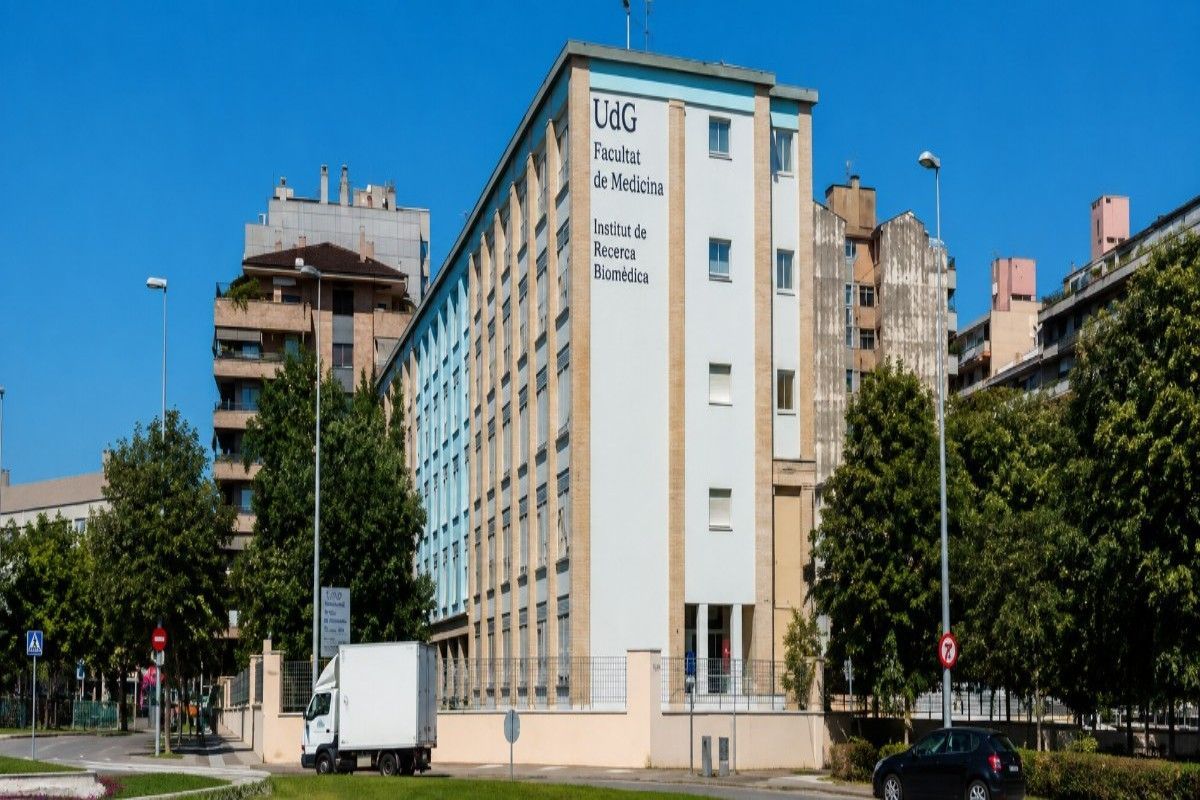
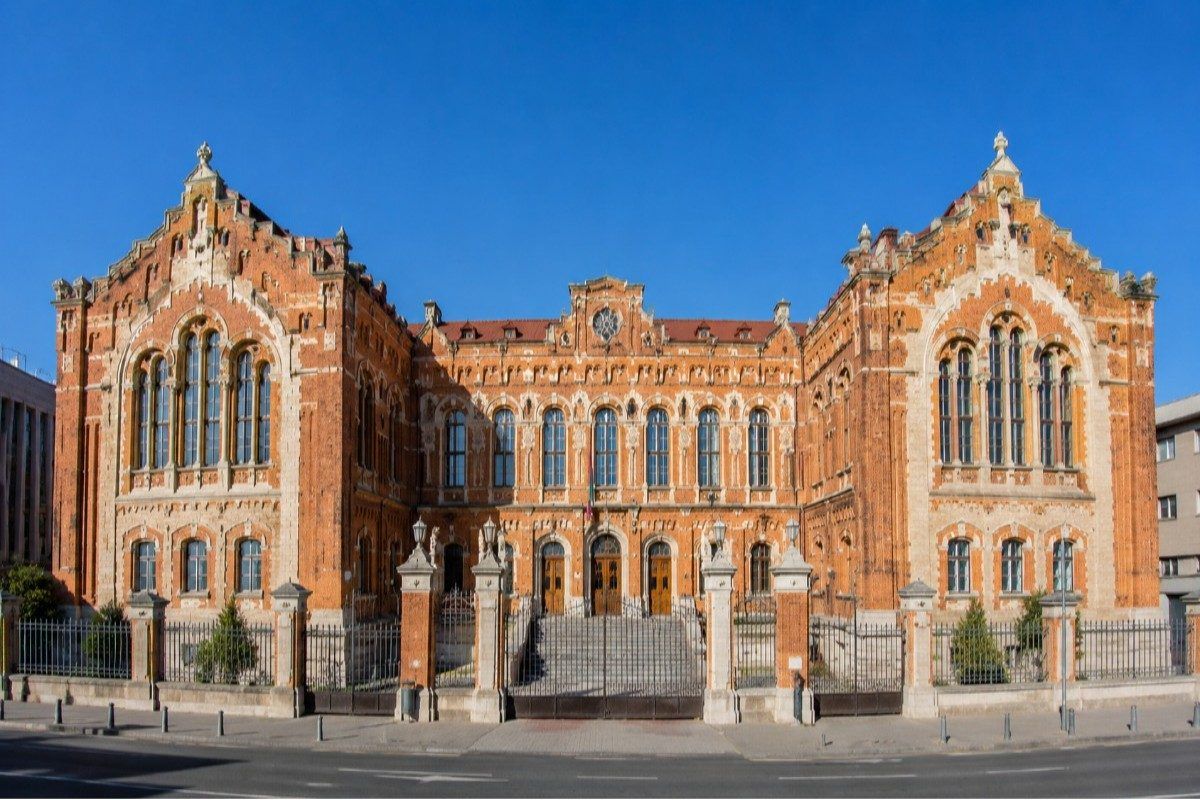
From the time of the establishment, the Faculty of Medicine operated in more than one place before moving into the present buildings. Now, it shares its premises with the faculty of nursing, which proves its relatively young age. Despite its youth, this faculty already established itself as an integral part of Spain's public university system. Investments continue to support its development and growing reputation.
In general, the Universitat de Girona is a very interesting choice for those who value small group learning, early clinical reasoning and problem-based education. It is a distinctive Spanish medical programme due to its international recognition, low public tuition and unique educational model. However, applicants have to prepare themselves for a bilingual environment and strong competition for the places. It is suitable mostly for those who prefer a modern public education, and not an English language one.
No hidden charges, no donation. The full picture of costs at MBBS In Universitat de Girona Facultat de Medicina.
Tuition Fee
Approximately €1,660–2,400 per academic year
Approximately €1,660–2,400/year
Hostel Fee
€4,000–6,500 per academic year
Approximately €4,000–6,500/year
Food & Meals
Approximately €3,500–5,000
per year
Insurance
Approximately €200–500
per year
Donation
No Donation
No Hidden Fees
Total Estimated Cost
Approximately €9,400–14,400
per academic year
25–35%
Average FMGE first-attempt pass rates for students from many overseas medical universities. Students from structured programs consistently score higher.
Students returning to India need to clear the FMGE/NExT exam. MBBS In Universitat de Girona Facultat de Medicina integrates exam-oriented coaching into the regular curriculum so students are prepared from day one.
A structured program that takes you from foundational sciences to clinical mastery.
Laboratory practicals, communication skills and early patient contact
Human Anatomy, Cell Biology, Biochemistry, Histology, Medical Physics, Biostatistics and Introduction to Medicine
Organ-system based learning with integrated laboratory and simulation training
Physiology, Genetics, Microbiology, Immunology, Embryology and Neuroscience
Clinical skills laboratories, medical ethics and evidence-based medicine
Pathology, Pathophysiology, Pharmacology, Diagnostic Imaging, Clinical Microbiology and Epidemiology
Clinical rotations at Dr. Josep Trueta University Hospital and affiliated teaching centers
Internal Medicine General Surgery, Pediatrics, Obstetrics & Gynecology, Psychiatry, Neurology, Dermatology, Ophthalmology and Otorhinolaryngology (ENT)
Rotations through university hospitals, primary care centers and specialized departments Elective clinical subjects and multidisciplinary case management
Cardiology, Pulmonology, Gastroenterology, Endocrinology, Oncology, Nephrology, Rheumatology and Infectious Diseases
Elective rotations in specialty disciplines Final Degree Project (Treball de Fi de Grau) Comprehensive clinical competency assessment and preparation for postgraduate residency training (MIR)
Supervised clerkships in Internal Medicine, Surgery, Pediatrics, Family Medicine, Obstetrics & Gynecology and Emergency Medicine
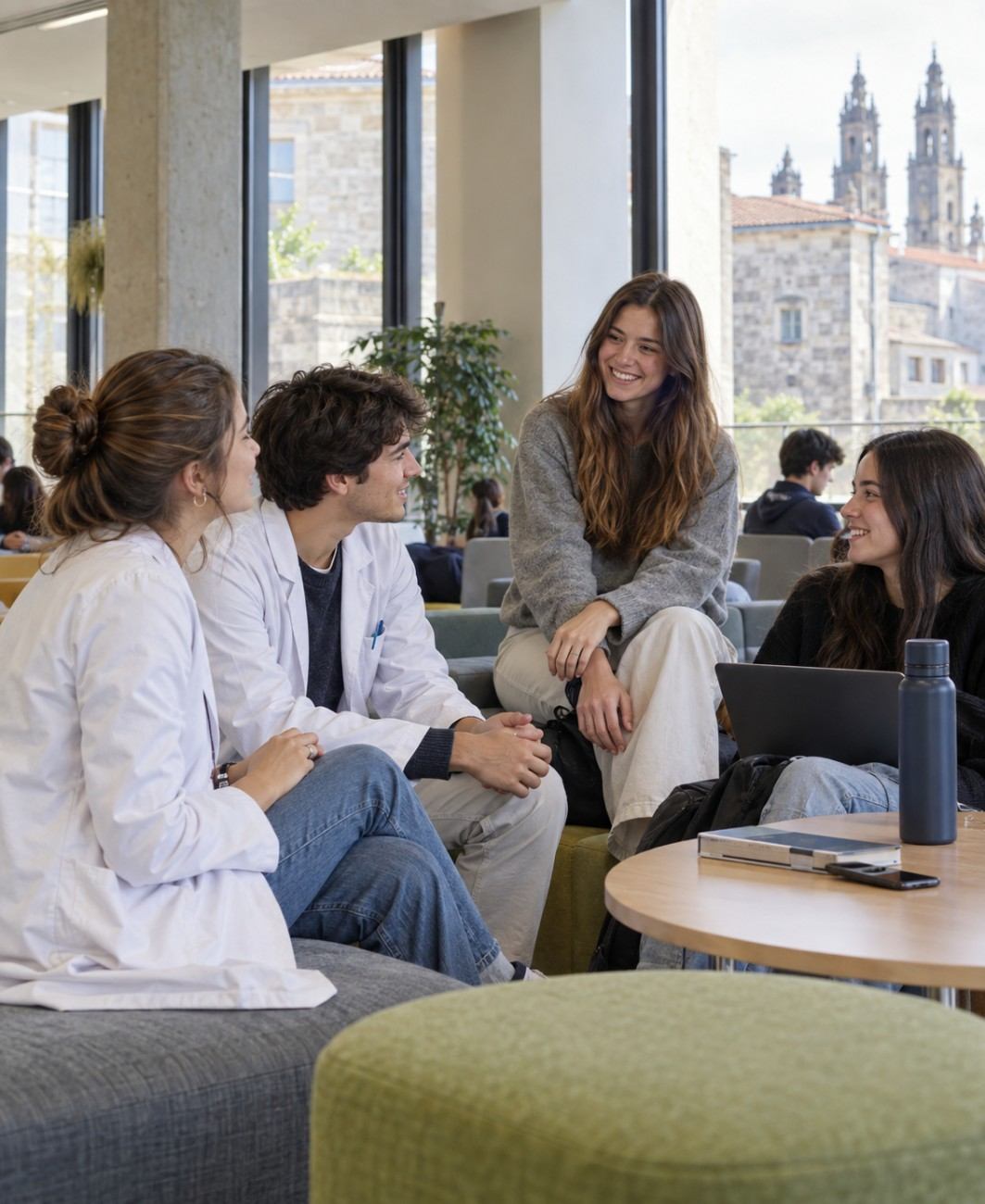
Furnished hostel rooms with Wi-Fi, laundry, 24/7 security, and Indian mess on or near campus.
Indian restaurants and mess facilities serving vegetarian and non-vegetarian home-style food daily.
Strong Indian community with cultural events, festival celebrations, and peer support groups.
Students get hands-on clinical training in government and private hospitals affiliated with the university.
Practical information for students planning to study at MBBS In Universitat de Girona Facultat de Medicina.
Prepare for all seasons. Thermal wear for winters, light clothing for summers. University provides heating in hostels.
Student visa processed with university invitation letter. Direct and connecting flights from major Indian cities.
Health insurance included in fees. Medical facility on campus plus city hospitals easily accessible.
Local SIM cards available. WhatsApp and video calls keep you connected with family back home.
Average monthly expenses of $150–$250 covering food, transport, and personal needs.
University library, online databases, and study groups. Seniors mentor juniors through academic challenges.
Our team guides you through every step — from application to arriving on campus.
Shortlist based on public vs private, the MBBS fee in Spain you’re comfortable with, city, and whether a partial-English track matters to you.
Begin DELE/SIELE B2 preparation well ahead of application deadlines.
Submit application; sit BMAT or a university-specific test where required.
Academic transcripts, NEET scorecard, language certificates, passport, and supporting documents.
Formal offer issued upon successful evaluation.
Initial steps toward having your Indian academic credentials recognised in the Spanish system.
Apply at the Spanish consulate with your offer letter, financial proof, and insurance documentation.
After arrival, register at your local town hall (ayuntamiento), a mandatory municipal registration step that most competitor guides skip entirely, but one you’ll need for everything from opening a bank account to enrolling in local healthcare.
Admission Helpline — Contact our counsellors for step-by-step assistance.
“The faculty here is incredibly supportive. The clinical training during hospital rotations has given me real confidence in patient care.”
“Affordable fees without compromising on quality. The campus facilities and hostel life made my transition abroad very smooth.”
“English medium instruction and WHO-recognized curriculum were the deciding factors for me. No regrets so far — excellent experience overall.”
“The university helped with everything from visa to accommodation. Hospital exposure from year three has been invaluable for my FMGE prep.”
“Just cleared my licensing exam on the first attempt. The structured coaching and mock exams during final year were a game-changer.”
“Safe campus, good food options, and a strong Indian student community. The teaching methodology is very practical and hands-on.”
A: No. Teaching is in Catalan and Castilian; there is no English-medium track for the degree.
A: It is the only Spanish medical faculty where Problem-Based Learning is the primary method, not a supplementary technique.
A: Yes. It was accredited by AQU Catalunya in June 2022, becoming the first public Spanish university to receive it.
A: Through Ministry homologation of your Class 12 certificate, then UNED's entrance exam for foreign-system students.
A: Roughly EUR 2,554 a year, following the same flat Catalunya-wide per-credit rate that applies at UAB.
A: Very. Girona's domestic cut-off has risen to a level where many admitted students could choose other faculties instead.
A: Primarily at Hospital Universitari de Girona Doctor Josep Trueta, the city's main public teaching hospital.
A: Yes. It is regulated under Orden ECI/332/2008 and automatically recognised across the EU and EEA.
A: In 2008, though Girona's original university charter named medicine among its disciplines as far back as 1446.
A: Yes, roughly ninety minutes away, though the city itself is compact and considerably quieter than the capital.
Our expert counsellors will guide you through the complete admission process — from documents to airport pickup.