
1. Is the University of Castilla–La Mancha a public or private university?
+A: It is a recognised public university operating under the Spanish higher education system.
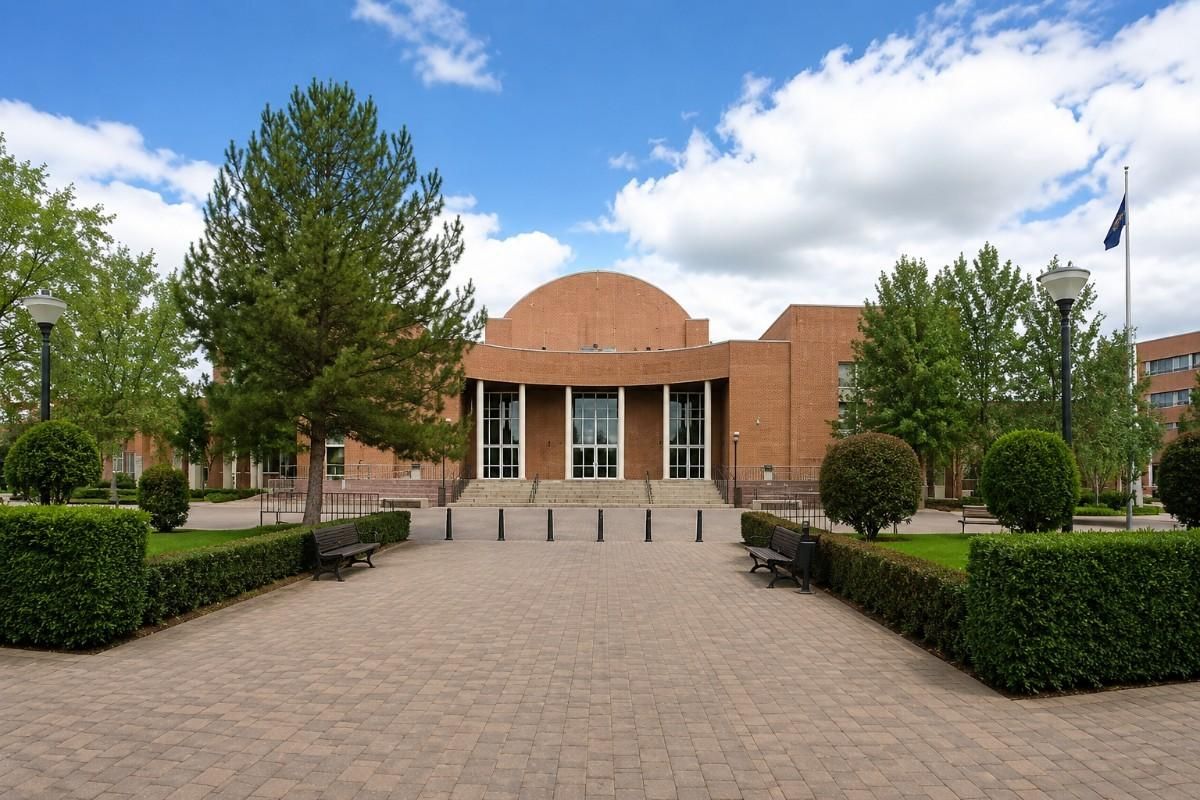
 Spain | Est. 1998
Spain | Recognised by the Ministry of Universities of Spain. Medical education follows Spanish and European Union standards for physician training. | Spanish medium
Expert will call you within 2 hours
The University of Castilla–La Mancha (UCLM) – Faculty of Medicine at the Albacete Campus is one of Spain's leading public medical schools, recognised for its modern curriculum, innovative teaching methods, strong clinical partnerships, and growing reputation in biomedical research. Located in Albacete, Spain, the faculty prepares future physicians through a comprehensive programme that combines biomedical sciences, clinical medicine, ethics, research, and patient-centred healthcare.
Established in 1998, the Faculty of Medicine at Albacete was the first medical school within the University of Castilla–La Mancha. Since its establishment, it has become an important centre for medical education in central Spain, offering high-quality academic training supported by experienced faculty members, advanced clinical simulation facilities, and close collaboration with university hospitals.
The six-year Bachelor of Medicine (Grado en Medicina) follows the European Higher Education Area framework and integrates biomedical sciences, clinical medicine, public health, communication skills, scientific research, ethics, and supervised clinical education. The curriculum gradually develops scientific knowledge while strengthening practical clinical competence.
Medical education begins with comprehensive study of anatomy, histology, embryology, physiology, biochemistry, molecular biology, genetics, microbiology, immunology, pathology, pharmacology, neuroscience, behavioural sciences, epidemiology, public health, medical ethics, and research methodology. These foundational sciences prepare students for advanced clinical training.
Teaching combines lectures, anatomy practicals, laboratory sessions, simulation-based education, clinical skills workshops, case-based discussions, problem-based learning, digital learning platforms, and small-group tutorials. Students continuously strengthen analytical thinking, communication skills, teamwork, professionalism, and evidence-based clinical decision-making.
Clinical education is delivered through affiliated university hospitals, specialist healthcare institutions, outpatient clinics, primary healthcare centres, and community medical facilities throughout Castilla–La Mancha. Students receive supervised practical experience across numerous medical specialties while applying classroom knowledge to real patient care.
Clinical rotations include internal medicine, general surgery, paediatrics, obstetrics and gynaecology, psychiatry, cardiology, neurology, orthopaedics, emergency medicine, anaesthesiology, ophthalmology, dermatology, ENT, radiology, oncology, nephrology, endocrinology, respiratory medicine, gastroenterology, geriatrics, infectious diseases, family medicine, rehabilitation medicine, and community healthcare.
Students actively participate in ward rounds, outpatient consultations, emergency departments, operating theatres, multidisciplinary clinical meetings, diagnostic procedures, and supervised patient management. Clinical responsibilities increase progressively throughout the programme under physician supervision.
Simulation-based education forms an important component of practical learning. Students receive training in modern clinical simulation centres equipped with high-fidelity patient simulators, emergency medicine laboratories, procedural skills laboratories, consultation rooms, and digital healthcare technologies before beginning hospital-based clinical practice.
Research is integrated throughout the programme. Students are encouraged to participate in biomedical research involving neuroscience, oncology, molecular medicine, genetics, pharmacology, public health, epidemiology, and healthcare innovation. Research activities strengthen scientific thinking while promoting evidence-based clinical practice.
The university collaborates closely with teaching hospitals, healthcare organisations, research institutes, and international universities to strengthen clinical education, scientific research, and academic exchange opportunities.
The curriculum integrates evidence-based medicine, patient safety, professionalism, ethics, healthcare leadership, digital medicine, healthcare quality improvement, interprofessional collaboration, and public health throughout all six years of study. Graduates are prepared to meet modern healthcare challenges according to European medical education standards.
Students benefit from modern educational facilities including anatomy laboratories, biomedical research laboratories, simulation centres, clinical skills laboratories, digital learning environments, medical libraries, and affiliated teaching hospitals equipped with advanced healthcare technologies.
Student life includes scientific societies, research groups, sports clubs, cultural programmes, volunteering opportunities, leadership activities, international exchange programmes, and comprehensive student support services. The university encourages both academic achievement and personal development.
International students receive academic advising, language support, counselling services, career guidance, digital learning resources, and opportunities for international mobility through partnerships with universities across Europe.
Graduates continue into residency programmes, postgraduate medical education, biomedical research, academic medicine, healthcare administration, public health, and international clinical practice according to national licensing regulations.
Today, the University of Castilla–La Mancha – Faculty of Medicine (Albacete Campus) continues to strengthen its reputation through innovative education, advanced clinical training, internationally recognised research, and strong partnerships with regional healthcare institutions.
No hidden charges, no donation. The full picture of costs at MBBS in University of Castilla La Mancha Faculty of Medicine (Albacete Campus).
Tuition Fee
Tuition varies according to residency status and university regulations. International applicants should confirm the latest tuition fees
€7,200–€9,000
Hostel Fee
University residences and private accommodation options are available in Albacete. Accommodation costs vary according to room type
Around €7,500–€9,000
Food & Meals
Approx. USD 3,800/year Approx. Rs. 3.3 lakh
per year
Insurance
Approx. USD 600/year Approx. Rs. 52,000
per year
Donation
No Donation
No Hidden Fees
Total Estimated Cost
€61,000–€79,000
6-Year
25–35%
Average FMGE first-attempt pass rates for students from many overseas medical universities. Students from structured programs consistently score higher.
Students returning to India need to clear the FMGE/NExT exam. MBBS in University of Castilla La Mancha Faculty of Medicine (Albacete Campus) integrates exam-oriented coaching into the regular curriculum so students are prepared from day one.
A structured program that takes you from foundational sciences to clinical mastery.
• Anatomy practicals, laboratory sessions, simulation-based learning, clinical communication, problem-based learning, digital learning, research methodology, and introductory clinical exposure.
• Human anatomy, histology, embryology, physiology, biochemistry, molecular biology, genetics, microbiology, immunology, pathology, pharmacology, neuroscience, behavioural sciences, epidemiology, public health, medical ethics, and scientific methodology.
• Students complete supervised clinical rotations through affiliated university hospitals, specialist healthcare centres, outpatient clinics, primary healthcare institutions while participating in ward rounds, emergency care, operating theatres, multidisciplinary meetings, diagnostic procedures, and patient management. • Evidence-based medicine, patient safety, healthcare leadership, ethics, public health, digital healthcare, and scientific research remain integrated throughout clinical education.
• Internal medicine, general surgery, paediatrics, obstetrics and gynaecology, psychiatry, cardiology, neurology, orthopaedics, emergency medicine, anaesthesiology, dermatology, ophthalmology, ENT, radiology, oncology, nephrology, endocrinology, respiratory medicine, gastroenterology, geriatrics, infectious diseases, family medicine, rehabilitation medicine, and community healthcare.
• Students develop advanced diagnostic skills, clinical reasoning, prescribing practices, emergency care, multidisciplinary patient management, professionalism, and clinical decision-making while preparing for postgraduate medical training and residency programmes.
• Senior clinical clerkships with increasing responsibility for patient care under physician supervision.

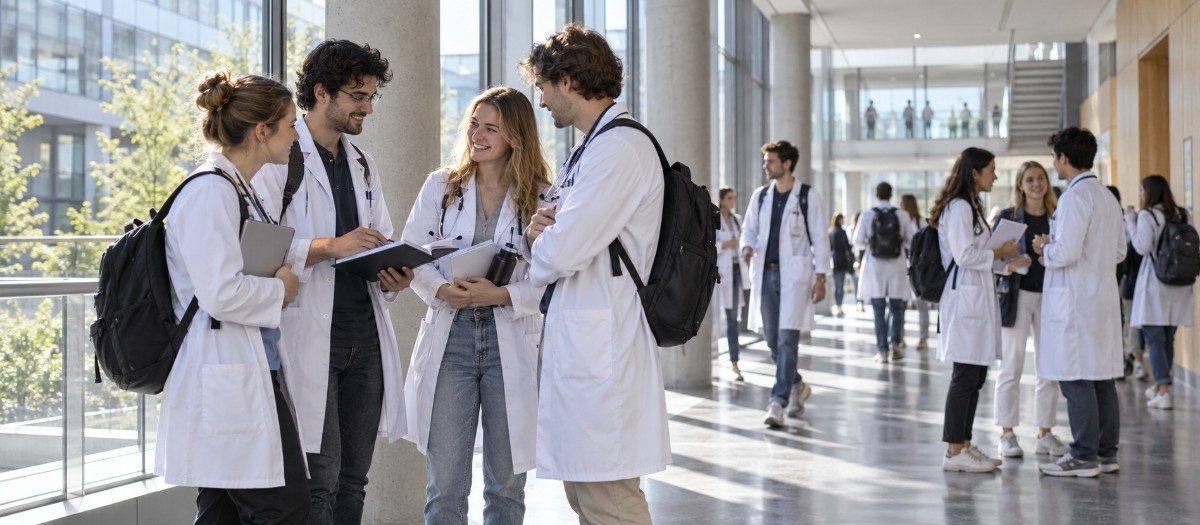
Furnished hostel rooms with Wi-Fi, laundry, 24/7 security, and Indian mess on or near campus.
Indian restaurants and mess facilities serving vegetarian and non-vegetarian home-style food daily.
Strong Indian community with cultural events, festival celebrations, and peer support groups.
Students get hands-on clinical training in government and private hospitals affiliated with the university.
Practical information for students planning to study at MBBS in University of Castilla La Mancha Faculty of Medicine (Albacete Campus).
Prepare for all seasons. Thermal wear for winters, light clothing for summers. University provides heating in hostels.
Student visa processed with university invitation letter. Direct and connecting flights from major Indian cities.
Health insurance included in fees. Medical facility on campus plus city hospitals easily accessible.
Local SIM cards available. WhatsApp and video calls keep you connected with family back home.
Average monthly expenses of $150–$250 covering food, transport, and personal needs.
University library, online databases, and study groups. Seniors mentor juniors through academic challenges.
Our team guides you through every step — from application to arriving on campus.
Shortlist based on public vs private, the MBBS fee in Spain you’re comfortable with, city, and whether a partial-English track matters to you.
Begin DELE/SIELE B2 preparation well ahead of application deadlines.
Submit application; sit BMAT or a university-specific test where required.
Academic transcripts, NEET scorecard, language certificates, passport, and supporting documents.
Formal offer issued upon successful evaluation.
Initial steps toward having your Indian academic credentials recognised in the Spanish system.
Apply at the Spanish consulate with your offer letter, financial proof, and insurance documentation.
After arrival, register at your local town hall (ayuntamiento), a mandatory municipal registration step that most competitor guides skip entirely, but one you’ll need for everything from opening a bank account to enrolling in local healthcare.
Admission Helpline — Contact our counsellors for step-by-step assistance.
“The faculty here is incredibly supportive. The clinical training during hospital rotations has given me real confidence in patient care.”
“Affordable fees without compromising on quality. The campus facilities and hostel life made my transition abroad very smooth.”
“English medium instruction and WHO-recognized curriculum were the deciding factors for me. No regrets so far — excellent experience overall.”
“The university helped with everything from visa to accommodation. Hospital exposure from year three has been invaluable for my FMGE prep.”
“Just cleared my licensing exam on the first attempt. The structured coaching and mock exams during final year were a game-changer.”
“Safe campus, good food options, and a strong Indian student community. The teaching methodology is very practical and hands-on.”
A: It is a recognised public university operating under the Spanish higher education system.
A: The Medicine programme is primarily taught in Spanish.
A: Students receive supervised clinical education through affiliated university hospitals, specialist hospitals, outpatient clinics, and primary healthcare centres.
A: Yes. Clinical placements form a major component of the programme and provide extensive practical experience across numerous medical specialties.
A: Students have access to anatomy laboratories, biomedical research laboratories, simulation centres, clinical skills laboratories, digital learning platforms, university hospitals, and advanced healthcare training facilities.
A: Yes. Students are encouraged to participate in biomedical research, scientific conferences, academic publications, healthcare innovation projects, and interdisciplinary collaborations.
A: Yes. University residences and private accommodation options are available in Albacete.
A: Graduates may pursue residency training, specialist medical practice, biomedical research, academic medicine, healthcare administration, public health, and international medical careers according to national licensing requirements.
A: Yes. Graduates may be eligible for international licensing pathways after meeting the eligibility requirements of the respective licensing authorities.
A: Applicants typically submit academic transcripts, proof of secondary education, passport copies, language proficiency documentation, medical certificates, and other admission documents required by the university.
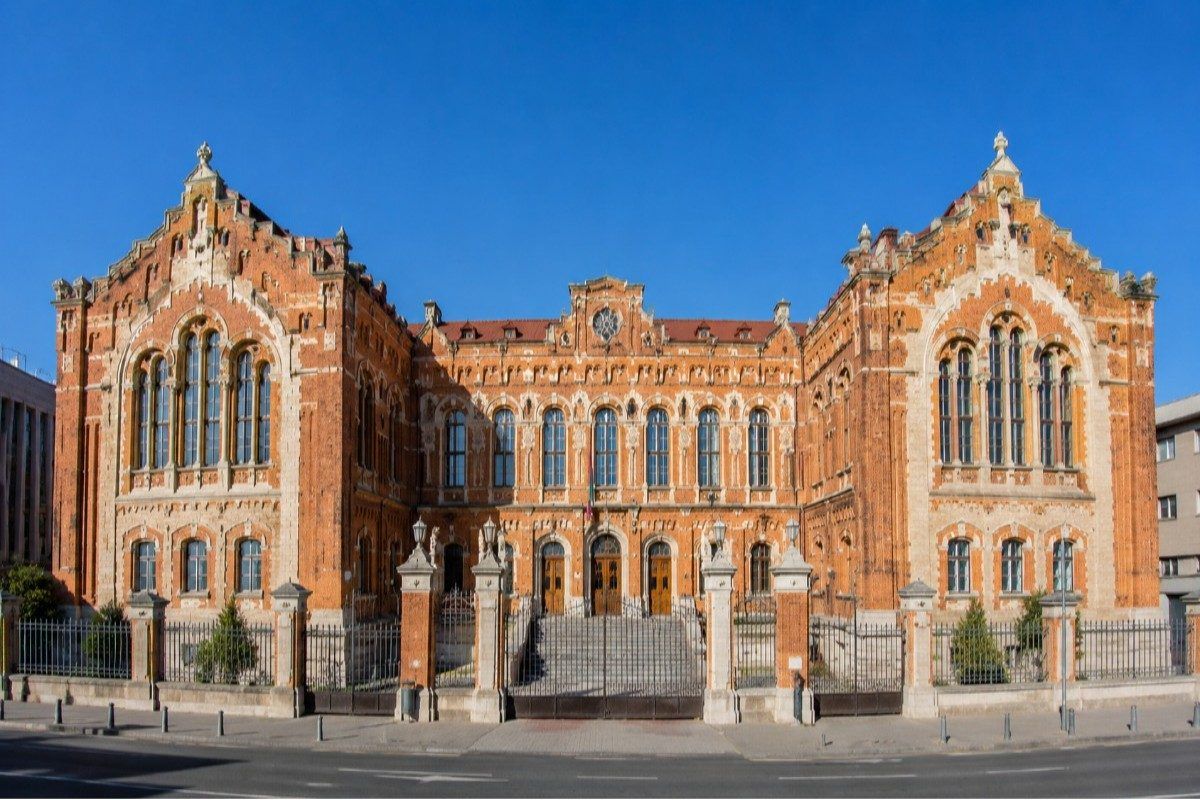
Our expert counsellors will guide you through the complete admission process — from documents to airport pickup.