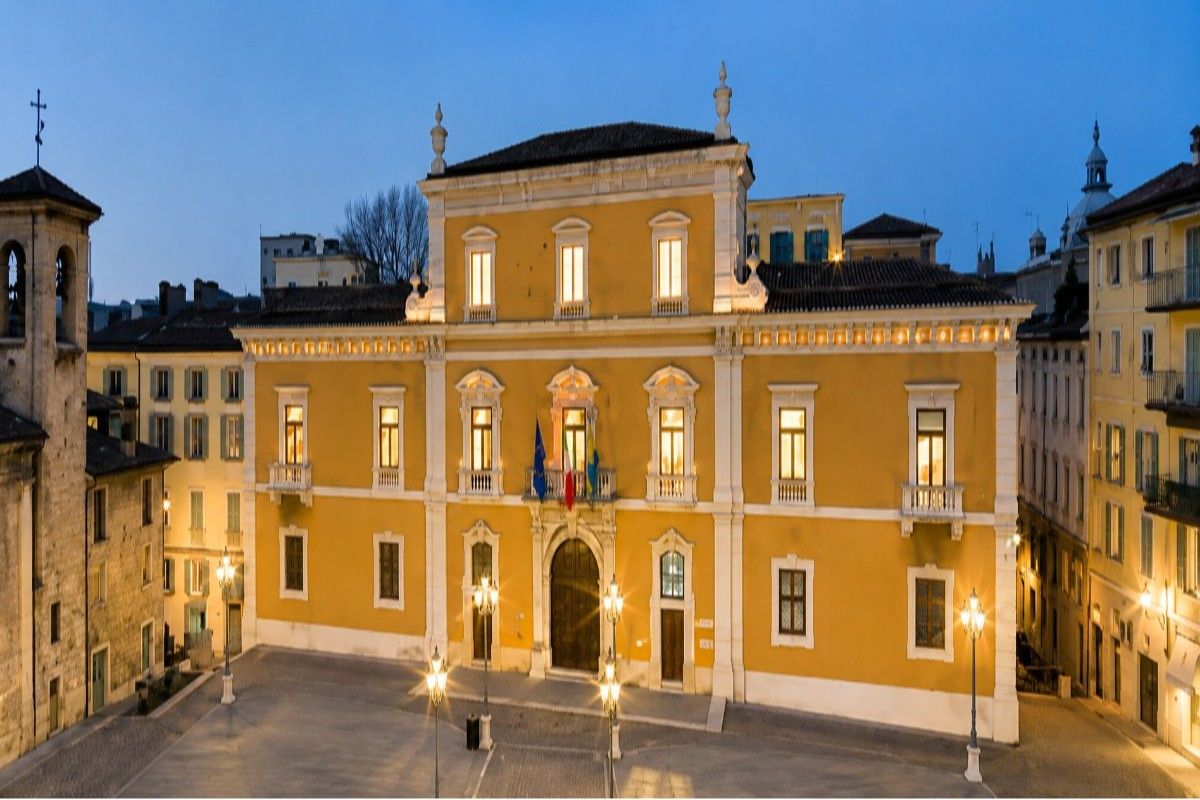
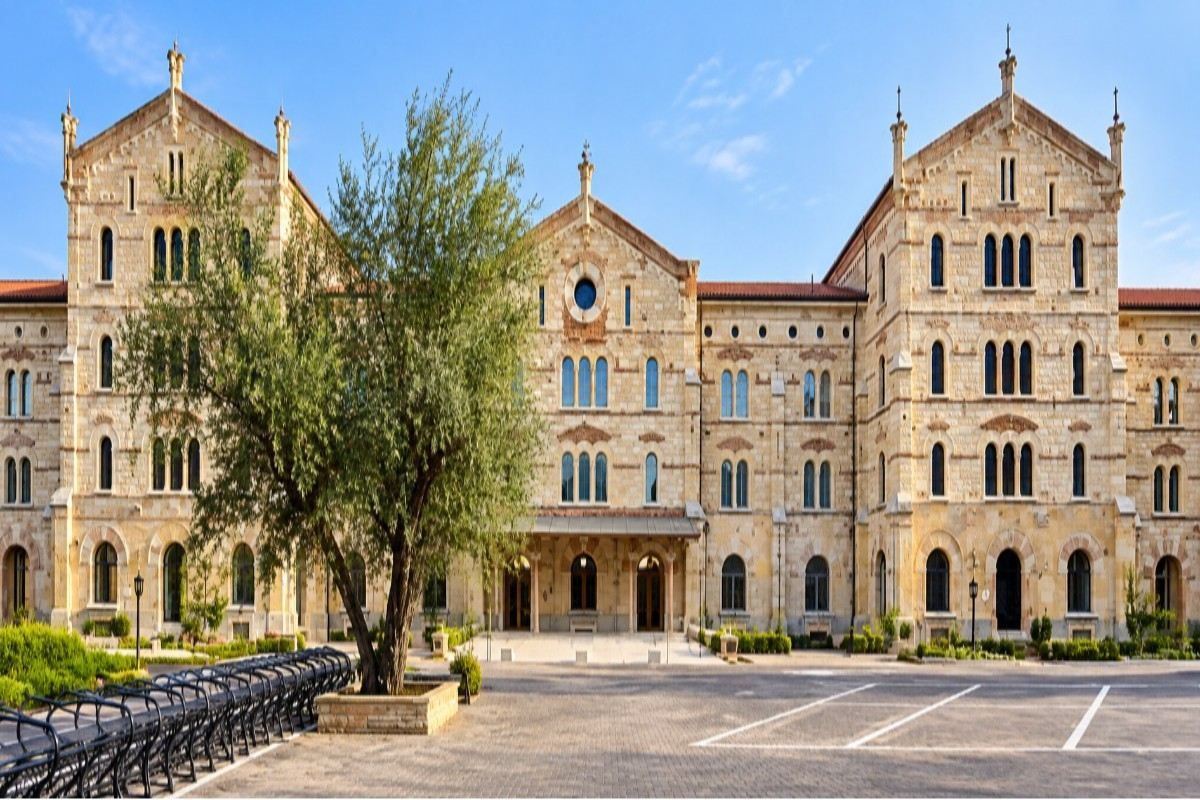
Brescia is an Italian city in the region of Lombardy. In Italy, it's on the coast, half way between Milan and Verona. The place is very busy and full of people because it is in an area that is important for both business and history. When it first opened, this is where the Faculty of Medicine and Surgery at the University of Brescia, which most people just call UNIBS, worked. It is one of three schools that opened at the same time as the college.
Some people in Brescia even tried to offer college-level classes as early as the 1960s, which is even earlier than the school itself. The university didn't really begin until 1982, but its past goes back a lot further. Engineering, Economics, and Business were the other two schools that started out as part of UNIBS. Medicine and Surgery was one of the three schools that were there from the start of the university. Because of this, the medical school was rather an afterthought when it came to the university than a truly important part of what made it what it was. About 16,800 students are being taught at the university right now in its four schools, which teach things like medicine, engineering, business, law, and more.
Someone from outside the United States applying to this school should honestly think about one thing when comparing it to other schools in the same class. At the University of Campania "Luigi Vanvitelli" and the University of Bari "Aldo Moro," public information confirmed that Brescia had an IMAT-based, English-taught Medicine and Surgery track for international students. However, the sources that were looked at for this information profile did not clearly and consistently confirm this. This happened at both of these places. From what I've read in the news, the basic six-year in is mostly taught in Italian. Now, this is still the case, even though the school has real partnerships for international exchange and does teach some graduate programs in English. It's an open question whether international applicants, especially those who don't speak Italian very well, should treat this as such? If they think that other Italian medical schools give the same fully English-medium IMAT pathway as Brescia, they should check this out. Medicine is taught to them in Brescia, Italy.
There is also a lot of confirmed information that the university has a very good academic profile overall. A lot of people think that UNIBS is a serious public school that focuses on research. Also, there are a lot of well-known study halls and labs there. Brescia has a good healthcare system that can help the medical faculty, as long as the student meets the language and admissions requirements for the track they want to take. This is still correct even if the kid can't do well. Also, some of Italy's best and newest hospitals are in Lombardy. There are also lots of tools there. So, medical students can get practice in the best kind of hospital setting possible.
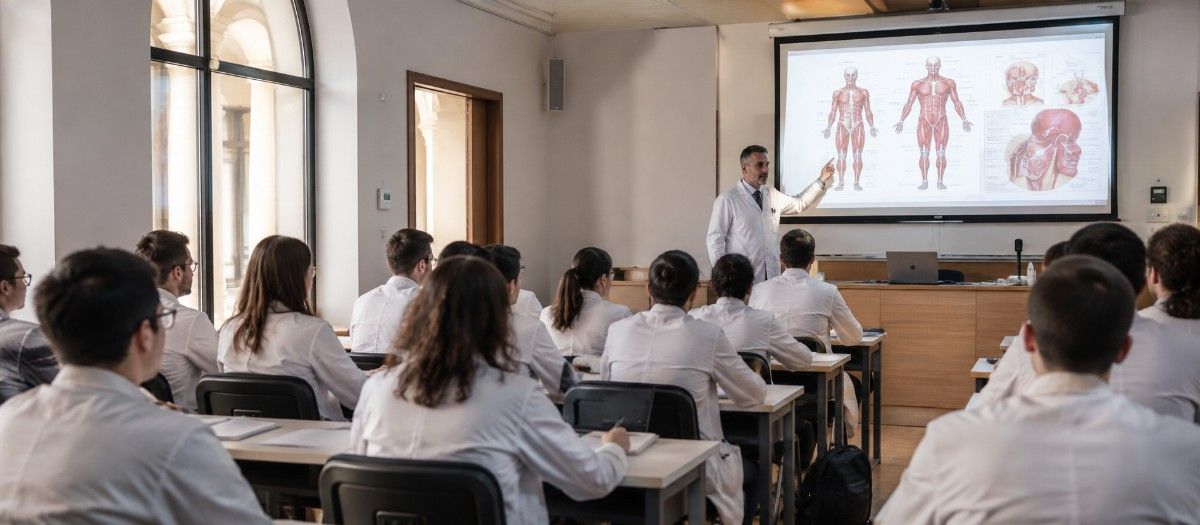
There is only one cycle in the general Medicine and Surgery school at Brescia University. A Master's degree program that lasts six years is what the program is based on across the country. In Italy, there are a few more public universities that offer the same program. Students learn basic preclinical sciences like anatomy, physiology, biochemistry, and histology in the first few years of the school. After that, they have the chance to do controlled hospital placements and then work with real patients. The last two parts of the program are a long job and a final thesis.
To find out how much it costs to go to Brescia University in Italy, the standard ISEE income-based fee model is used. Most public colleges in Italy, including Vanvitelli and Bari, use this same method. It's important to know that prices can vary a lot from one application to the next because they aren't set at a single rate but depend on how much money the family makes. This is the case because the fees are not set at a certain amount. People who want to apply from outside of Italy should get Brescia's unique and up-to-date price list from the front desk of the university. They should also be sure of which language track and admissions route will work best for them.
From what could be shown, the general Italian medical degree that is accepted at Brescia follows the strict European rules that all public medical schools in the country have to follow. All schools that are thought of as public medical schools can follow these rules. This system takes into account both how it fits with EU Directive 2005/36/EC and how similar systems in Italy usually handle recognition that is linked to the WHO. People who want to apply but don't speak Italian should check with the university on their own to make sure they know the current program language, how to apply, and their recognized status before they make any decisions about how to apply or how much money to spend. This is because the public information that proves there is an English-taught international track in this area isn't written down as often and is spread out.
The atmosphere in Brescia is very different from that of Italy's bigger towns, which are mostly tourist spots. This is in one of the richest and busiest industrial areas in Italy. However, the area has a lot of historical value because it has an old town center that is on the UNESCO World Heritage list. There are many easy ways to get to the Italian Lakes for weekend trips. However, life in Brescia is more calm and peaceful during the week. By train, it only takes less than an hour to get to Milan. This makes it easy for students to visit a big city on the world stage whenever they need to.
When it comes to this region, not many people are aware of whether or not there is a specific international medical track that is taught in English. As a result of this, this profile ought to be scrutinized in a manner that is distinct from the profiles of the other Italian schools that are included in this collection. When you attend the University of Brescia, you will be at a location that provides high-quality medical care, which is one of the best aspects about attending that institution. There are several essential subjects of study, but one of the most important is medicine. At the University of Brescia, there is evidence to support the claim that it is a genuine educational institution that possesses genuine power and independence. Whether or not the institution currently provides a straightforward and uncomplicated method for international students who speak English to enrol in its core medical degree program is something that needs to be confirmed in a direct and up-to-date manner. Students shouldn't consider it to be on par with the selections in this series that are more visibly written in English until that point has been reached. Before any student can consider it to be on par with the other options on this set, this must first be completed.