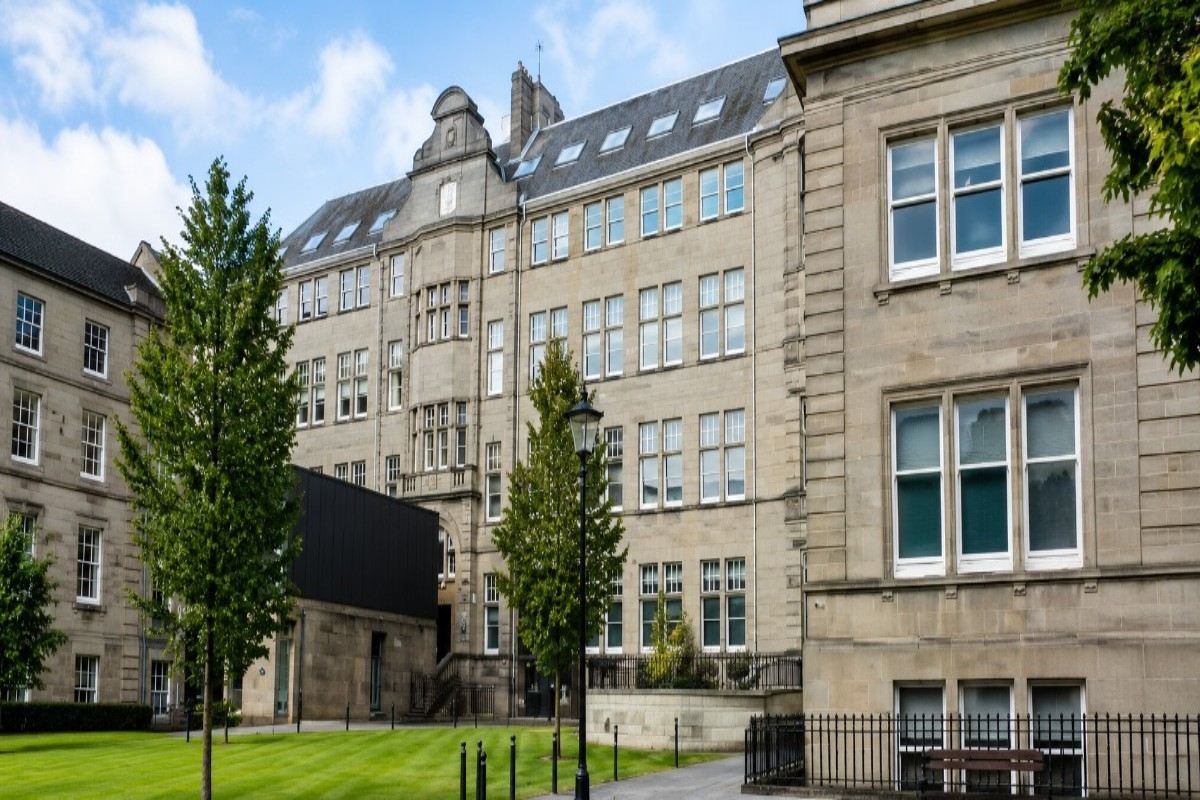
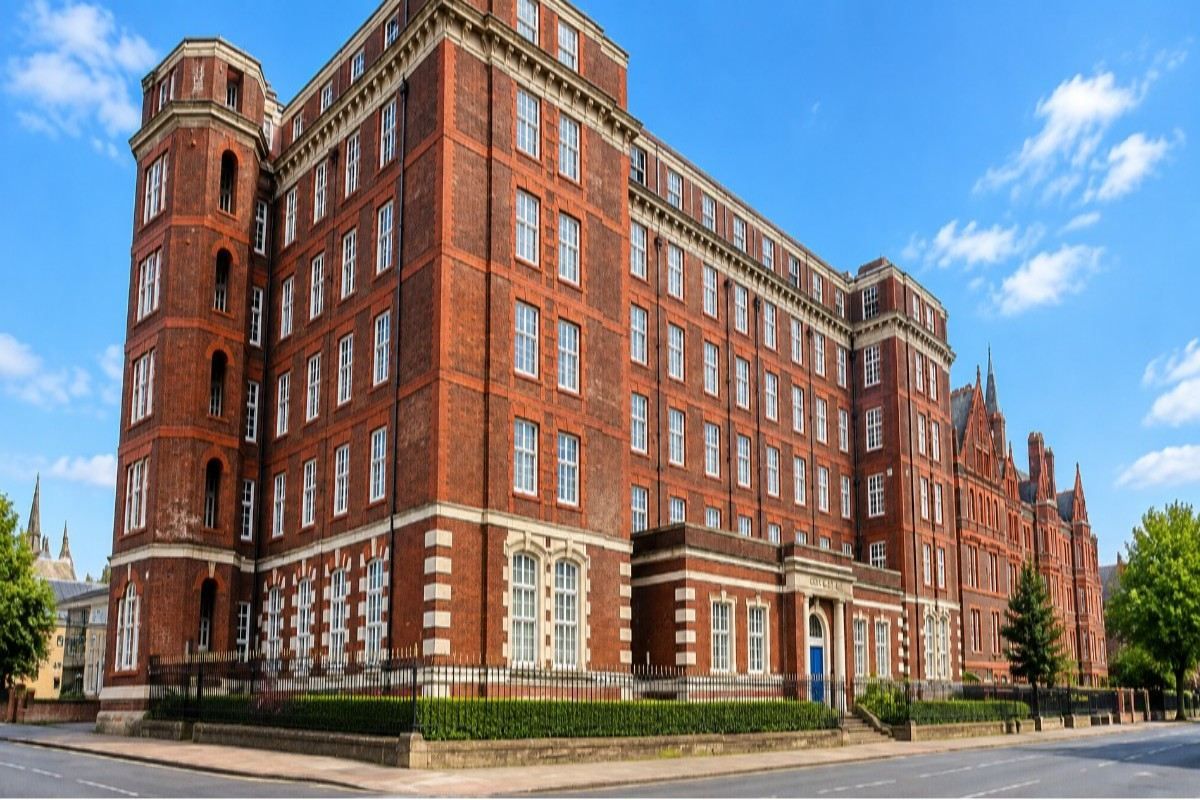
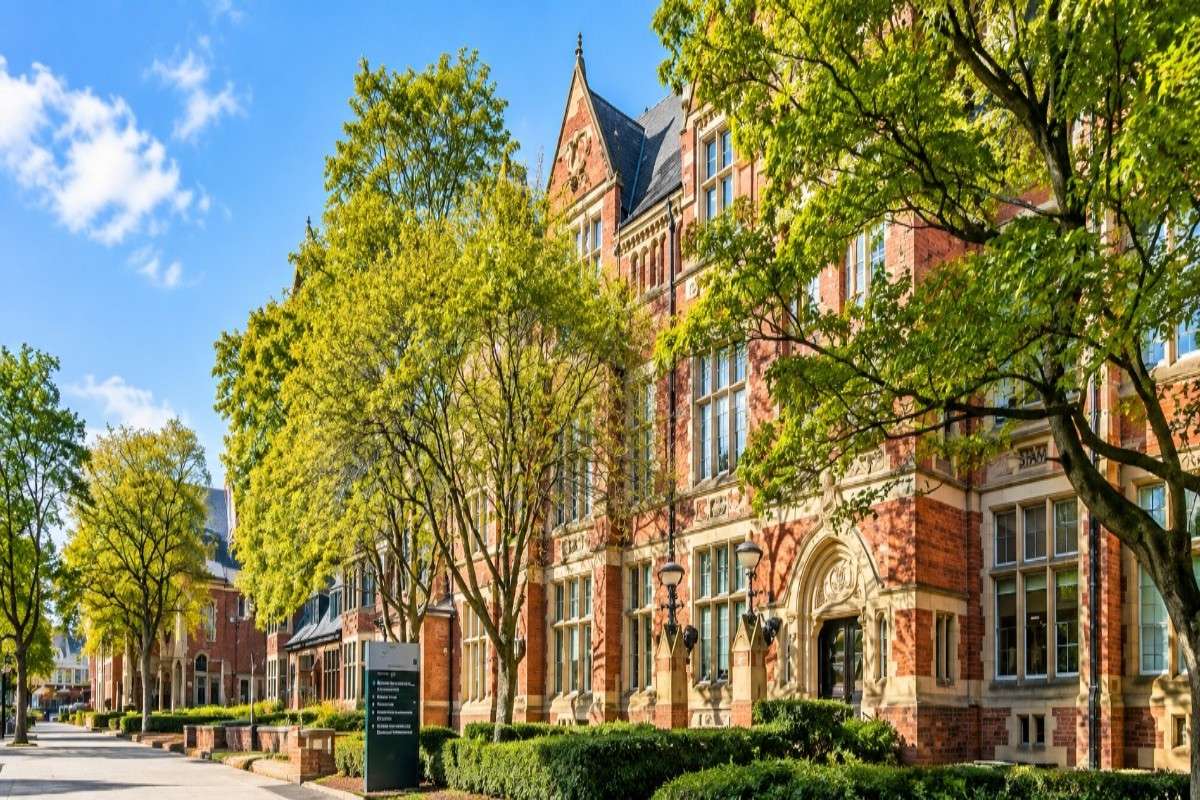
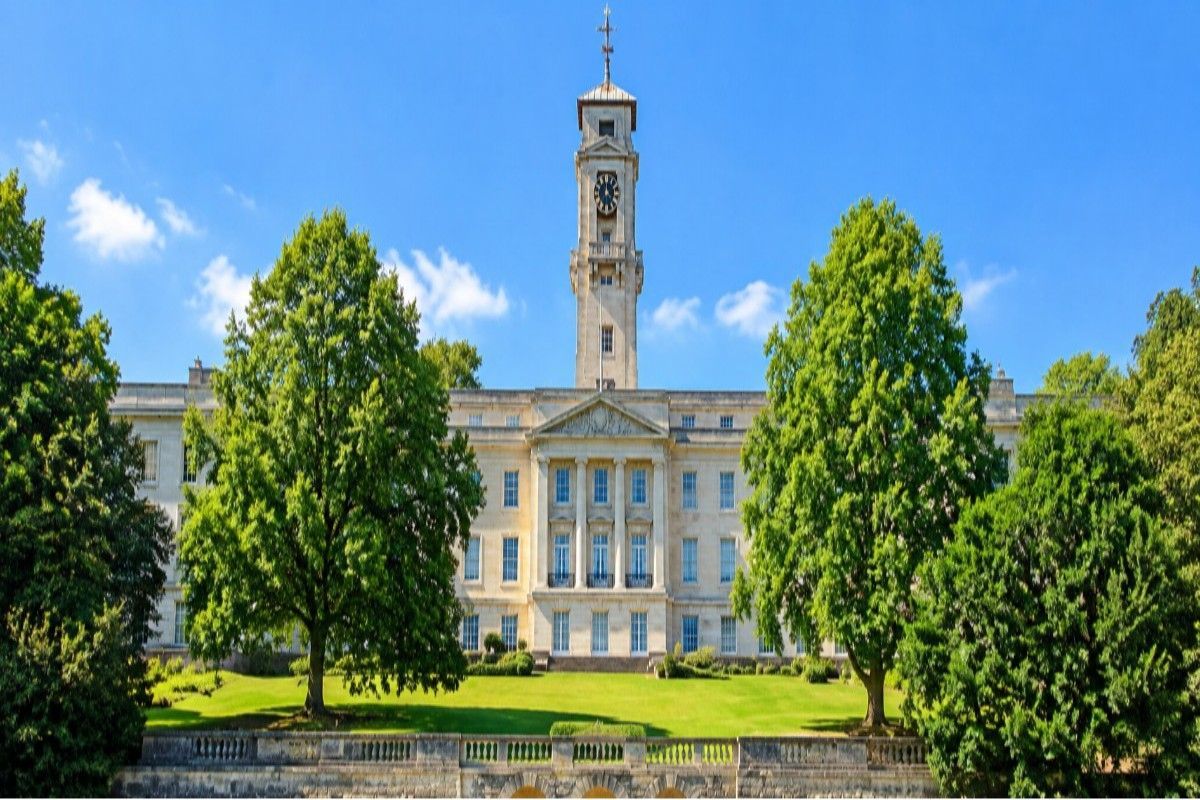
Dundee may not be the very first Scottish medical institution Indian families think of – Edinburgh and Glasgow usually come to mind as they are older and better-known. However, the School of Medicine has been educating doctors since 1889, starting out as a joint initiative between University College Dundee and University of St Andrews, and became a fully independent medical school in 1967. There is one particular fee-related peculiarity that often surprises applicants: in addition to £45,900 of international tuition, there is an extra £10,000 'ACT Levy', paid to the Scottish Government to cover the costs of medical education within NHS Scotland. Thus, the true cost for students entering Dundee in 2026/27 is £55,900 a year, not £45,900 that might appear in the comparison tables.
What is interesting about the amount is how it is spent. Starting from 1974, the vast majority of practical lessons happen inside Ninewells Hospital, one of the biggest teaching hospitals in Europe, especially built to complement the medical school, not placed miles away as it often happens elsewhere. The MBChB programme follows what is called a 'spiral' curriculum: instead of studying anatomy, physiology and pathology separately, and ticking the boxes once and for all, each body system is reviewed 3 or 4 times throughout the entire degree, with increasing depth and intensity. In the autumn term of year 1, a student is taught the basics of cardiac physiology, and will study the same subject again in year 2 from a pathological perspective, in year 3 from the perspective of pharmacology, before finally using it in practice on the wards during the clinical years.
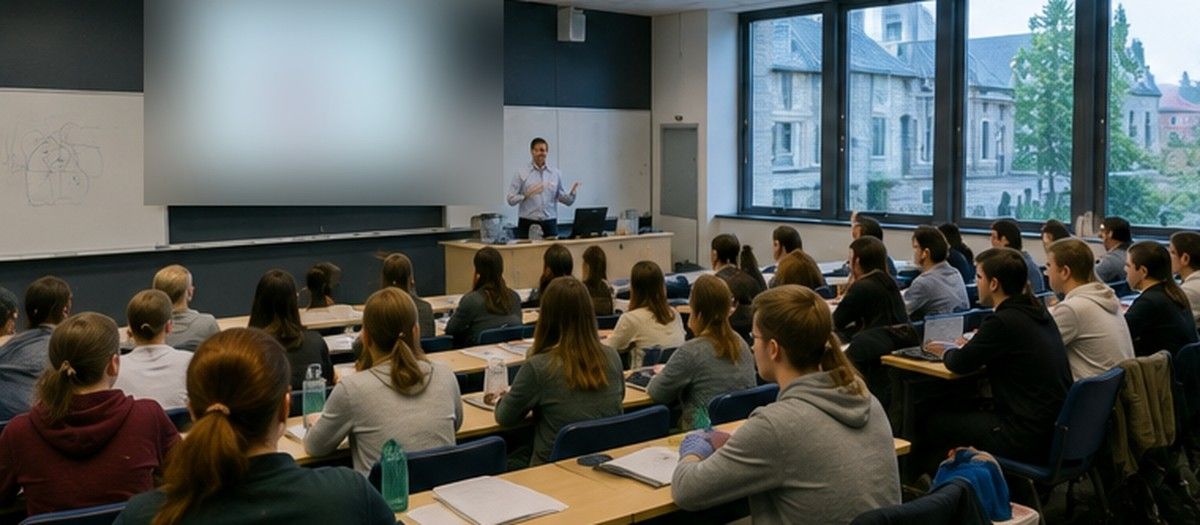
Cohort size is yet another carefully considered characteristic of the medical school. Around 160 students enter medicine at Dundee annually – this is a relatively small cohort compared to other schools in the UK where hundreds more are accepted every year. And the school takes it as an advantage. With an 'open door' policy, students can go on the wards of Ninewells from their first semester and talk to patients – something that is harder to accomplish with more students and less capacity in hospitals. The Clinical Skills Centre also complements that by providing a replica ward and 'immersion room' that simulates the stress of working in the emergency department before students face the real thing. The reputation of the university in life science research, which can benefit the medical course with expertise in molecular and cellular biology in particular, gives the opportunity to students in the later years to participate in intercalated research projects based on it, rather than treating the research department as another department.
The obvious question is what makes this school preferable to Scotland's biggest names. The first reason is simple: the competition here is realistic. While entry requirements are similar to Edinburgh, being AAA at A-levels and UCAT-based selection, Dundee does not have as many applications per vacancy as the other Scottish schools, thus giving students better chances in an international competition. The degree has the same standing as any other UK degree, whether it is studied at Dundee or somewhere else. GMC accreditation, eligibility to participate in the UK Foundation Programme, and inclusion in the World Directory of Medical Schools apply to a Dundee MBChB in the same way as to any other UK medical degree.
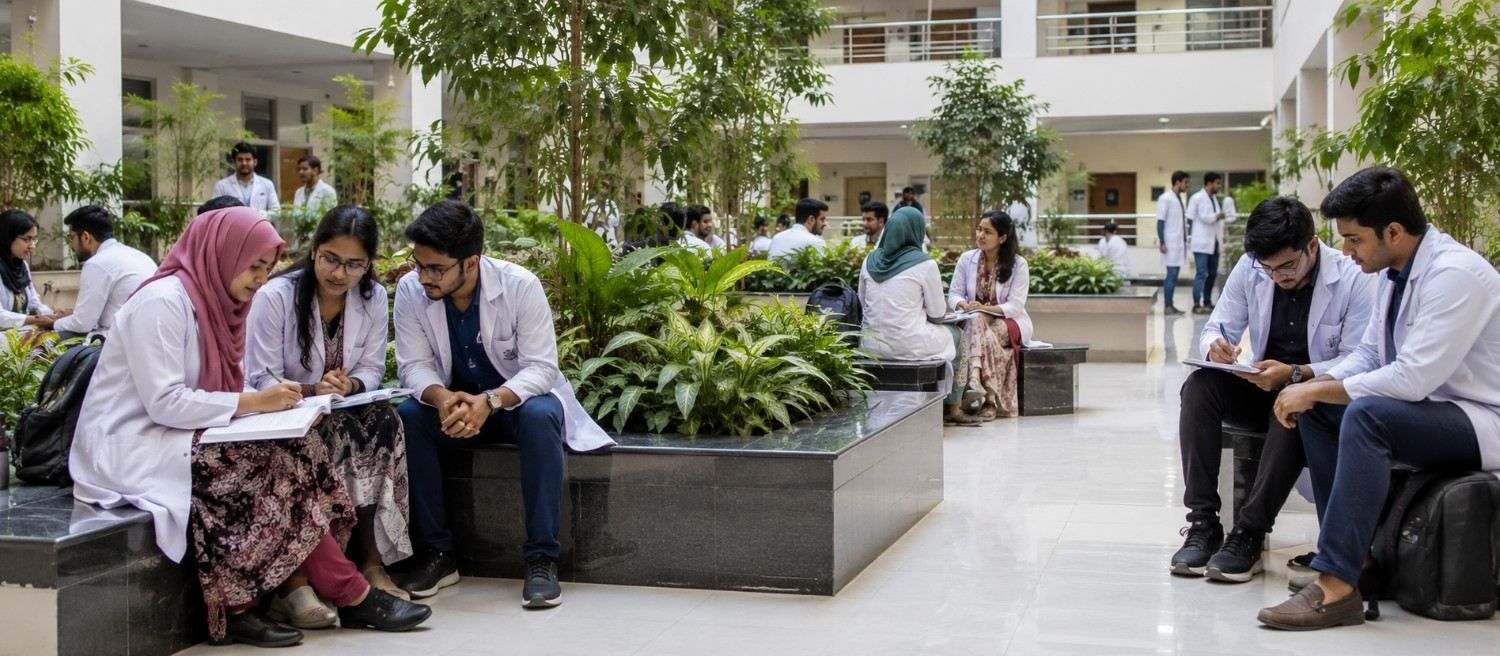
However, the applicants coming to practise in India should bear in mind that GMC accreditation does not eliminate the need for additional domestic documentation. Indian citizens obtaining a foreign medical degree should pass the Foreign Medical Graduate Examination, which is held according to NMC regulations, before applying for registration in India, and if an applicant started his or her qualifying process in or after May 2018, NEET is obligatory. Nothing like that is specific to Dundee, it is a requirement for any foreign medical degree, and it is worth mentioning explicitly to make sure that a UK MBChB does not eliminate those obligations for Indian applicants, because Indian laws in this field are periodically changing and should be checked directly with NMC before applying. Selection process itself is much more structured than many people think: besides the academic criteria, admission to the university depends on UCAT score and multiple mini interviews, thus good class 12 scores are necessary, but not enough on their own.
Dundee is a relatively small city in eastern Scotland with around 150,000 residents, which received its UNESCO City of Design title in 2014 thanks to the V&A Dundee waterfront museum. It is often claimed, sometimes proudly and sometimes exaggeratingly, that it receives more sunlight than the rest of Scotland. The living costs are lower than in Edinburgh or London, with an estimate of £10,000-£12,000 for accommodation, food and everyday spending by the university itself. The cost of residence halls starts from around £179 a week. This doesn't make medicine in Dundee cheaper than anywhere else in the UK, but compared to fees of other highly advertised UK medical schools, it is one of the most transparent fee structures in the country.