
1. Does Ferrara teach medicine in English?
+No. The Medicine and Surgery programme runs in Italian.

 Italy | Est. 1391
Italy | Italian Ministry of University and Research (MUR); ANVUR quality accreditation; listed in the World Directory of Medical Schools | Italian only medium
Expert will call you within 2 hours
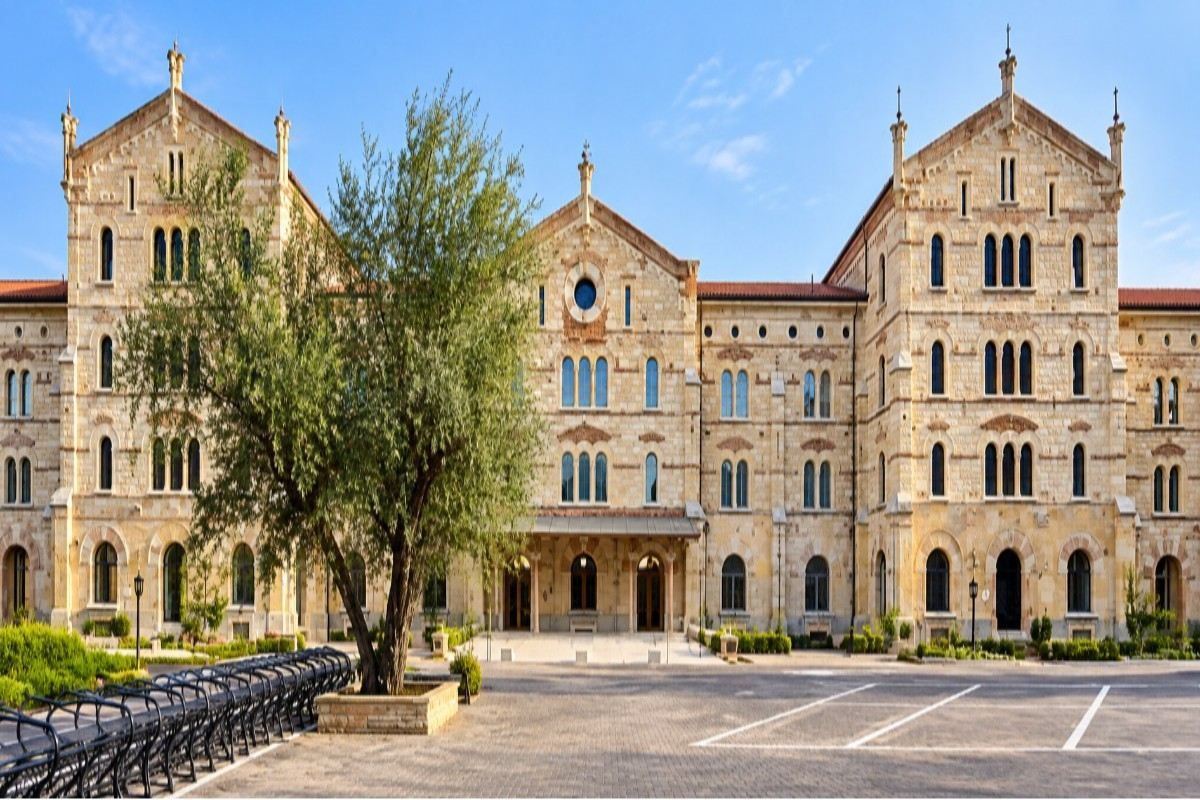
In 1391, Marquis Alberto V d'Este got permission from the pope to open a school in the city, which is where the University of Ferrara got its start. There aren't many universities in Europe that are that old. In 1503, Nicolaus Copernicus got his Ph.D. in canon law at Ferrara, and the university still uses that link to describe itself. Over the course of six years, the Department of Medical Sciences and the Department of Neuroscience and Rehabilitation work together to offer the Medicine and Surgery degree.
Ferrara teaches Italian as a language for medicine and surgery. The school does not offer a medical degree in English. Before you can enroll, you need to show that you can speak Italian at a B2 level, and you take the national admissions test in Italian. The language requirement should be seen as the first obstacle, not as a small matter of paperwork. Students who don't think it's important waste time and money.
Ferrara is what it is because of its city. The city of Ferrara is in the region of Emilia-Romagna, in the Po Valley. It is 50 km north of Bologna and 50 km west of the coast of the Adriatic Sea. The historic center was named a UNESCO World Heritage Site because of the way it was planned during the Renaissance. There are about 130,000 people living in the city, and about 28,000 students at the university, so a big part of the population is students. People love to ride bikes in Ferrara. Since most students buy a bike in the first week and use it for everything, it's almost free to get around.
The main place where clinical training takes place is at Azienda Ospedaliero-Universitaria di Ferrara, also known as Ospedale di Cona or Sant'Anna. The hospital opened in 2012 in Cona. By Italian standards, the building and equipment are very new. Heart surgery, neurosurgery, hematology, and care for people with rare diseases are just some of the areas that people in the region go to for help. The hospital is a few kilometers outside of the city, but there is a bus line that goes straight to it. You also get to work in general practices and smaller hospitals across the state.
Ferrara's research background is stronger than its small size would suggest. The university has a long history in hematology, especially in thalassemia and hemoglobinopathies, which shows how diseases have changed over time in the Po delta region. Cardiovascular study has been going on for a long time, and there are currently clinical trials going on in interventional cardiology. The school also does well-known work in arthritis, respiratory medicine, molecular medicine, and gene therapy. Regional health programs in Emilia-Romagna pay for research, and Ferrara is a part of these networks. From the third year on, you can join a group and finish your thesis there.
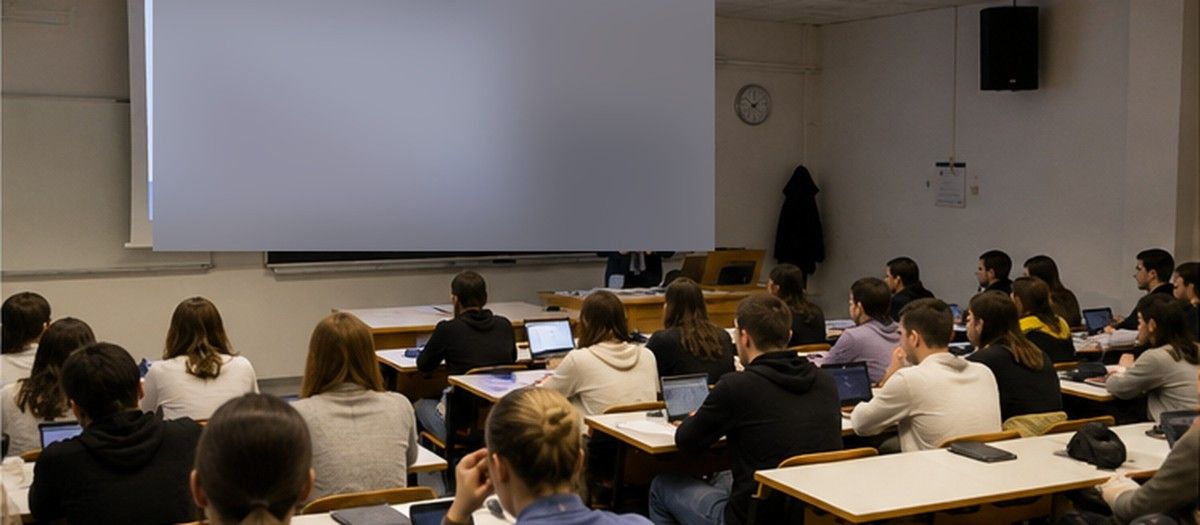
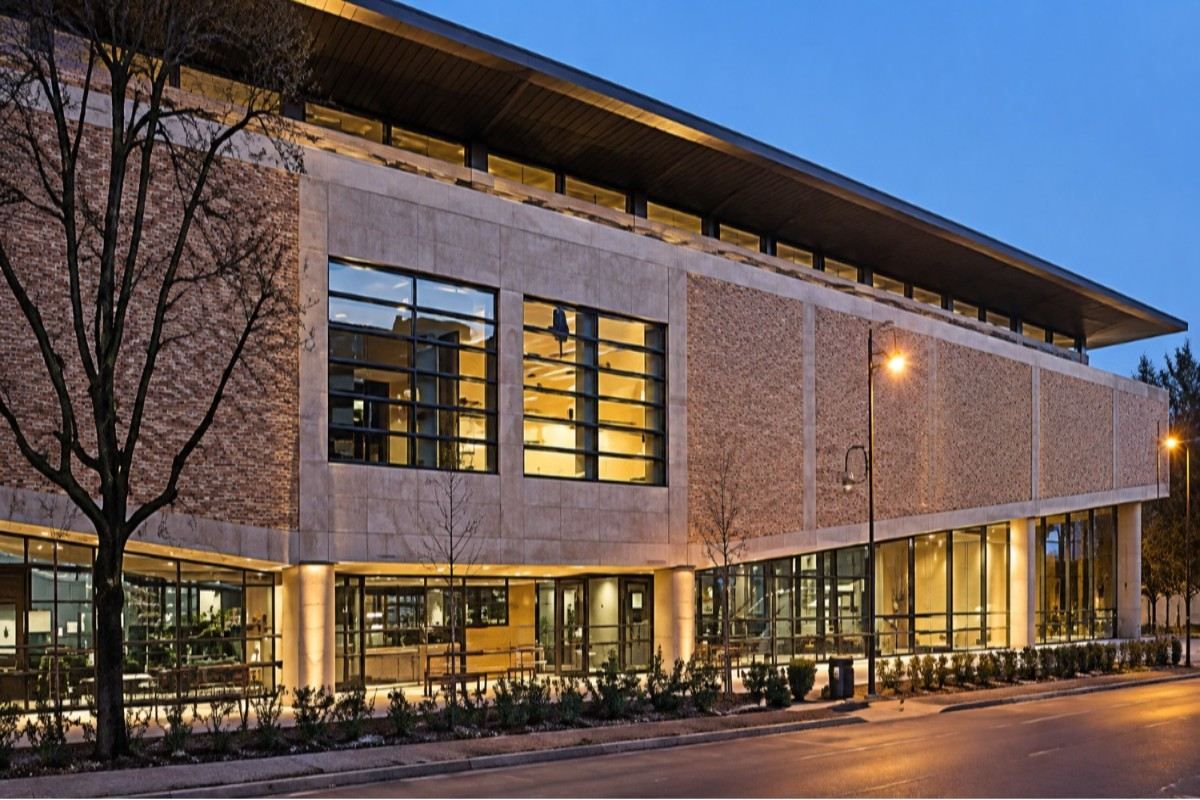
There are anatomy labs, a clinical simulation center, histopathology labs, and molecular biology labs among the facilities. The Biomedical and Scientific Library is used by medical programs and gives users access to common sources. For preclinical years, teaching spaces are in the city center. For clinical years, they are on the grounds of Cona Hospital, so your daily route changes as you go through the program.
The Italian national system is used for admission. EU applicants have to take a national health test. Non-EU applicants who live outside of the EU compete for a small number of reserved spots that are announced in the annual call. You first sign up for classes through University, and then you get a study visa. To start in October, you need to meet deadlines in the spring and summer. It takes a while for Italian consulates to process visas, so start the paperwork early.
The program is based on the national framework. You will learn about physics, chemistry, biochemistry, cell biology, histology, anatomy, physiology, genetics, microbiology, and immunity in the first two years. In the third year, you learn about diseases through general pathology, pathophysiology, pharmacology, and clinical methodology. You also start working with patients on the ward. Specializations in medicine are taught in years four and five. The practical internship and thesis are due in the sixth year.
Rules about attendance apply the whole time. In most classes, you need to attend at least 70% of the classes before you can take the final test. The scale has 30 points, with 18 being the pass mark and 30 the best grade. A lot of tests have an oral part where you have to explain your answers in front of the examiner. Your last degree grade is less than 110, and a score of 110 is the best. Italian medical students do between four and eight exams a year. Exams are oral so students have to study consistently and not in brief bursts just before the deadlines.
The practical internship in the sixth year is evaluated at a minimum of 15 credits and can be distributed between general practice, internal medicine and surgery. In 2019, Italy combined the old separate state licensing test with this internship. If you pass it and graduate at the same time, you can register with the Ordine dei Medici. You can start working sooner than graduates from systems that need a separate year after graduation to get licensed.
The cost of living in Ferrara is less than in Bologna and much less than in Milan. If you share a flat, plan to spend between 700 and 950 USD a month on rent, food, and daily costs. The regional office for the right to study, ER.GO, runs meal and housing programs that are subsidized and gives out spots based on both income and merit. You should apply for ER.GO benefits at the same time you enroll, not later, because the deadlines are different from when you enrolll in college.
The way tuition works is like the Italian government. Your fee is based on how much money your family makes according to the ISEE system or the ISEE Parificato estimate for families who make money abroad. Students with little money only have to pay the regional tax and stamp fee. The top band is for kids with more money. If you don't send in the proof of income on time, translated and legalized, the university will charge you the highest amount possible. Any other point in the process costs international students more money than that one.
What graduates do depends on their country of origin. Rule 2005/36/EC says that EU citizens' credentials are automatically recognized across the EU and EEA. Indian citizens must go through the National Medical Commission route. This means they need a NEET qualification before entering college, a course of at least 54 months, including a 12-month internship, and the Indian screening exam. Make sure you know what the current NMC stance is before you sign up. The rules have changed many times since 2021.
The only way to do postgraduate specialty training in Italy is via a national salaried residency competition after university. Many graduates from outside the EU can't get in. Most grads from outside of Europe want to go to school in their home country or somewhere else in Europe.
If you're looking for a mid-sized Italian public university with a modern teaching hospital, a small city that's easy to get around on foot, low living costs, and a strong research record in hematology and cardiovascular medicine, Ferrara is the place for you. It's not right for you if you need to learn English or if you want a medical school with a lot of students.
No hidden charges, no donation. The full picture of costs at MBBS in University of Ferrara Faculty of Medicine and Surgery.
Tuition Fee
USD 156 up to USD 2,500 or more per year
Approx. USD 200 to 3,300 per year
Hostel Fee
Approx. USD 2,400 to 4,000 per year
Approx. USD 2,400 to 4,000 per year
Food & Meals
USD 2,600
per year
Insurance
USD 180
per year
Donation
No donation fee
No hidden fee
Total Estimated Cost
USD 9,780 ~INR 8,60,640
6 year
25–35%
Average FMGE first-attempt pass rates for students from many overseas medical universities. Students from structured programs consistently score higher.
Students returning to India need to clear the FMGE/NExT exam. MBBS in University of Ferrara Faculty of Medicine and Surgery integrates exam-oriented coaching into the regular curriculum so students are prepared from day one.
A structured program that takes you from foundational sciences to clinical mastery.
Anatomy starts with terminology, planes and gross structure.
You build the scientific base with laboratory support
You complete systemic anatomy and study normal function. Microbiology and immunology prepare you for infectious disease.
Physiology, Genetics, Molecular Biology, Microbiology, Immunology, Bioethics.
You move from normal to abnormal and enter the wards at Cona. You practise history taking and examination on real patients.
Pathophysiology, Pharmacology, Clinical Methodology, Laboratory Medicine, Diagnostic Imaging, Early Clinical Practice
You spend most of the year clinically. Ferrara's haematology and cardiology strengths show clearly in this year's teaching.
General Surgery, Cardiology, Respiratory Medicine, Gastroenterology, Nephrology, Endocrinology, Haematology, Infectious Diseases
You rotate through specialty blocks, take histories independently and present cases to supervising clinicians.
Obstetrics and Gynaecology, Neurology, Psychiatry, Dermatology, Ophthalmology, ENT, Orthopaedics, Oncology, Anaesthesia and Intensive Care
You complete the tirocinio pratico valutativo across general practice, internal medicine and surgery, defend your thesis and qualify to register with the Italian medical order.
Legal Medicine, Public Health and Hygiene, Assessed Practical Internship, Final Thesis
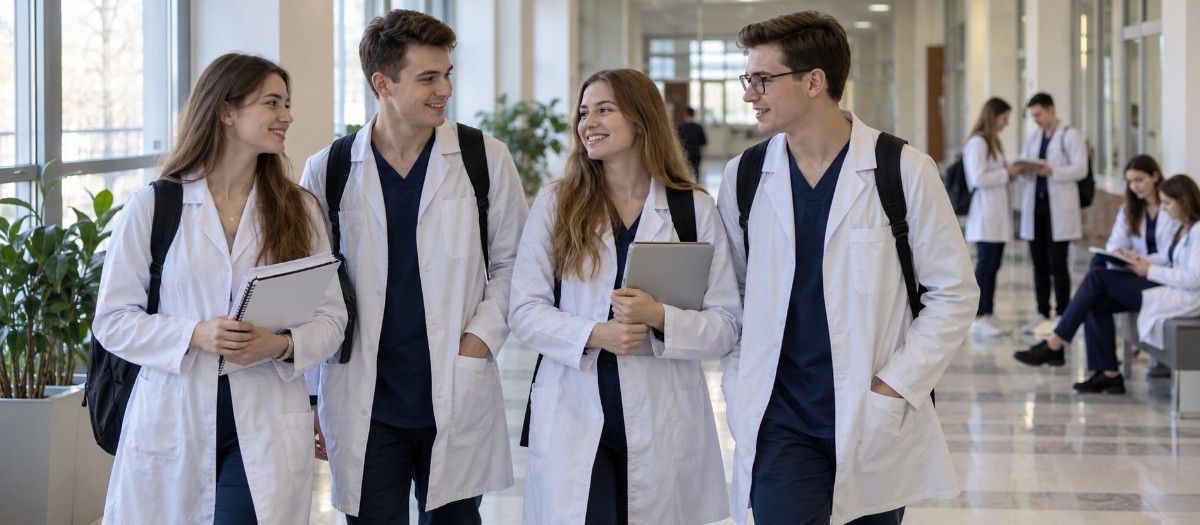
Furnished hostel rooms with Wi-Fi, laundry, 24/7 security, and Indian mess on or near campus.
Indian restaurants and mess facilities serving vegetarian and non-vegetarian home-style food daily.
Strong Indian community with cultural events, festival celebrations, and peer support groups.
Students get hands-on clinical training in government and private hospitals affiliated with the university.
Practical information for students planning to study at MBBS in University of Ferrara Faculty of Medicine and Surgery.
Prepare for all seasons. Thermal wear for winters, light clothing for summers. University provides heating in hostels.
Student visa processed with university invitation letter. Direct and connecting flights from major Indian cities.
Health insurance included in fees. Medical facility on campus plus city hospitals easily accessible.
Local SIM cards available. WhatsApp and video calls keep you connected with family back home.
Average monthly expenses of $150–$250 covering food, transport, and personal needs.
University library, online databases, and study groups. Seniors mentor juniors through academic challenges.
Our team guides you through every step — from application to arriving on campus.
Our Italy specialist explains the IMAT process, the income-based fee system, Bologna vs Rome vs other universities, and a total cost comparison with Hungary and Poland.
Our team registers you for IMAT (September test) and begins structured coaching. Biology, Chemistry, Physics, Maths, Critical Thinking. Begin preparation at least 6 months before the test.
Full Italian visa and IMAT application document set academic certificates, income documentation if applicable.
IMAT taken at designated test centres. We provide post-test analysis and guidance on university rankings.
Following IMAT ranking, the Italian university issues an admission confirmation. Our team can help with this process.
Full documentation submitted to the Italian Embassy or Consulate. Begin immediately after receiving the admission letter.
Our team advises qualifying families on the income-based fee reduction process.
Bologna /Rome orientation, accommodation, portico culture, Italian transport, Trenitalia app, banking, SIM card.
Our local team in Bologna (BLQ) or Rome (FCO) meets you and manages the first-week settlement.
We manage the Permesso application at the local Post Office within 8 days of arrival with our support, which is renewed annually.
Admission Helpline — Contact our counsellors for step-by-step assistance.
“The faculty here is incredibly supportive. The clinical training during hospital rotations has given me real confidence in patient care.”
“Affordable fees without compromising on quality. The campus facilities and hostel life made my transition abroad very smooth.”
“English medium instruction and WHO-recognized curriculum were the deciding factors for me. No regrets so far — excellent experience overall.”
“The university helped with everything from visa to accommodation. Hospital exposure from year three has been invaluable for my FMGE prep.”
“Just cleared my licensing exam on the first attempt. The structured coaching and mock exams during final year were a game-changer.”
“Safe campus, good food options, and a strong Indian student community. The teaching methodology is very practical and hands-on.”
No. The Medicine and Surgery programme runs in Italian.
B2, certified before enrolment.
Six years, worth 360 ECTS.
Yes, if you are an Indian national and plan to practise in India.
Yes. You sit the national Italian medicine admission test.
It depends on assessed family income. Expect roughly USD 200 to 3,300 per year.
Mainly at Azienda Ospedaliero-Universitaria di Ferrara at the Cona site, plus provincial hospitals and general practice.
Yes, through ER.GO, the regional right-to-study agency. Apply by the separate ER.GO deadline
Yes. The degree carries recognition across the EU and EEA.
No. The assessed sixth-year internship replaced it, so you register soon after graduation.

Our expert counsellors will guide you through the complete admission process — from documents to airport pickup.