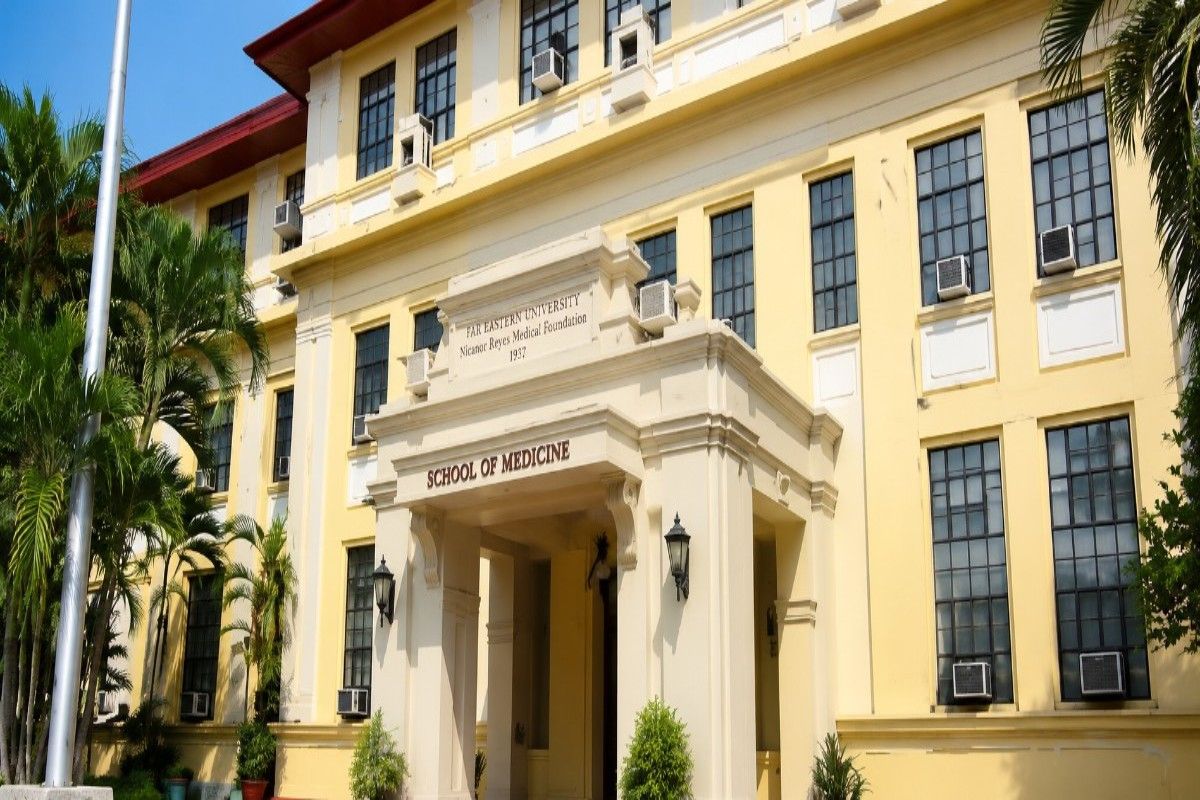
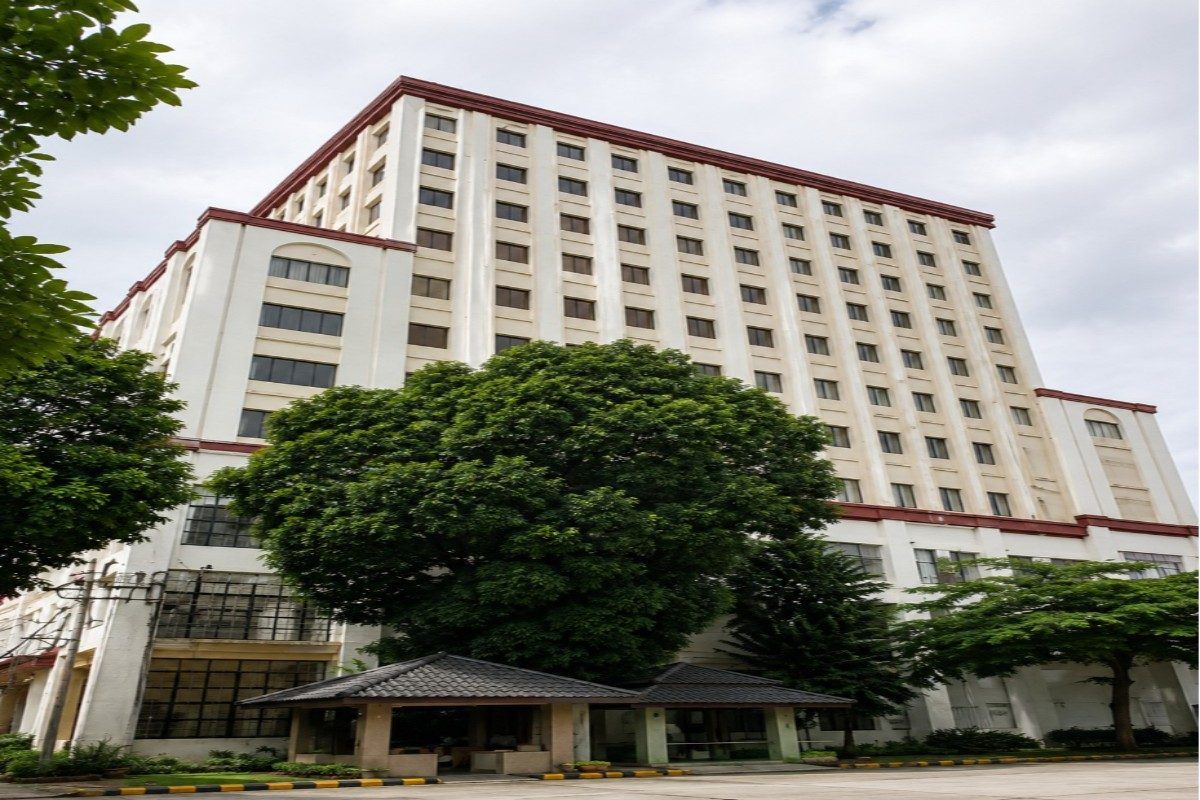
Ask around Manila's medical circles and PLM comes up fast, usually with a note of respect attached. It is a city-run school with a habit of landing near the top of national board exam rankings, which is unusual for an institution that charges its own residents almost nothing.
Republic Act No. 4196 chartered the university in 1965, and it opened its doors in 1967, built as the country's first tuition-free tertiary institution funded entirely by a city government. The College of Medicine came later, established in 1983 with a class of just 48 scholars and a mandate to train physicians for Manila's underserved communities.
PLM operates under the Commission on Higher Education and holds Level III accreditation from PAASCU, the country's main private accrediting body for higher education programs. Its MD graduates sit the Philippine Physician Licensure Examination administered by the Professional Regulation Commission, and the college has repeatedly placed second nationally in PLE pass rates behind only the University of the Philippines Manila.
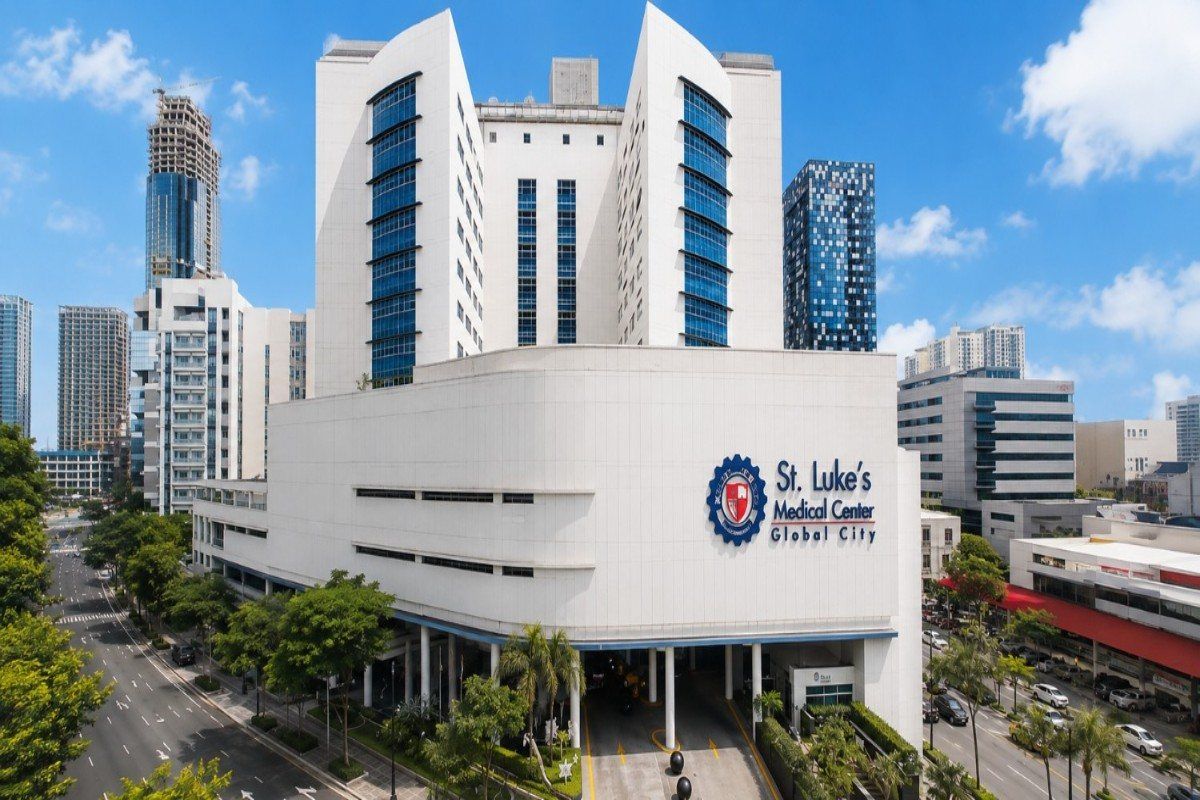
Ospital ng Maynila Medical Center serves as the college's principal teaching hospital, with the city government having formally transferred the older Ospital ng Maynila facility to PLM in 2022 for conversion into a dedicated College of Medicine and allied health campus. A newer Bagong Ospital ng Maynila facility, built with roughly 384 beds, now handles much of the city's tertiary care load alongside the teaching function.
Here is the part that matters most for Indian families researching this page: PLM's medical program is not a viable direct admissions route for foreign nationals. Application documents consistently require applicants to be natural-born Filipino citizens, and undergraduate and professional-school admission is structured around Manila residency and national exam rankings rather than an international intake process.
That single fact separates PLM from the private Philippine medical schools that actively recruit Indian students. It is a genuinely strong institution by outcome, just not one built with a pathway for NEET-qualified applicants from abroad, and any consultancy claiming otherwise should be questioned closely.
Because PLM's MD program is not structured for international enrollment, the figures below reflect domestic, peso-denominated costs reported in admission materials rather than a standard international fee schedule — treat them as reference points, not a quote for an Indian applicant.
Cost Item | Per Year (USD / local currency) | Total Programme Cost (approx.) |
Tuition (full-paying category) | ~PHP 160,000 (approx.) | ~PHP 800,000 (5 years, approx.) |
Tuition (scholarship categories) | as low as PHP 16,000–18,000 | Varies by scholarship tier |
Admission/Application Fee | Minimal, PLM-CMAT test fee | One-time |
Hostel/Accommodation | Not provided by PLM; private Manila housing estimated | Unverified — no official dormitory fee found |
Food & Living Expenses | Consultancy estimate only | Unverified |
Donation/Capitation Fee | None reported | None reported |
Total Estimated (domestic student) | — | Not applicable to foreign applicants |
These peso figures come from student-reported admission brochures for domestic applicants; no international or NRI fee schedule exists because the college does not run a foreign-student admissions track, so nothing here should be read as a cost estimate for an Indian applicant.
Why PLM College of Medicine Deserves a Harder Look Than You've Given It
Start with what PLM actually does well, because it's real and well documented. A publicly funded college that costs its own residents next to nothing has posted PLE pass rates in the high 90s repeatedly, sitting second nationally behind UP Manila more than once in recent years. That is not a fluke; it reflects a selective admissions funnel — NMAT score, GWA, class ranking — feeding a small, tightly run cohort.
This page already led with the real gap, so it's worth restating plainly: PLM's own application materials specify natural-born Filipino citizenship as a requirement, and nothing in official PLM channels describes an international or NRI admissions track for the MD program. A handful of consultancy sites list PLM among Philippine options for Indian MBBS aspirants, even citing implausible figures like tens of thousands of international students at a school that enrolls scholars in the dozens per year. That mismatch is worth flagging loudly rather than repeating.
There's also a genuine fee-structure ambiguity worth naming. PLM runs a tiered scholarship system where Manila residents and top provincial honor graduates pay dramatically less than a nominal "full-paying" category, and public sourcing on the exact current peso amounts is thin and inconsistent year to year. Anyone quoting a precise figure without citing a current PLM circular should be treated with some skepticism.
None of this makes PLM a bad reference point — quite the opposite. It's a useful benchmark for what a well-run, community-oriented Philippine medical school looks like operationally: teaching hospital ownership, PAASCU accreditation, strong licensure outcomes. Indian applicants just need to look elsewhere in the Philippines for schools that actually built an international admissions pipeline, and use PLM's academic reputation as context rather than a target.
Take it for what it is: a city government's flagship medical school, built for Manila's own students, succeeding on outcomes that would be notable anywhere. That's worth respecting even while being clear it isn't currently an option for a NEET-qualified applicant from India.