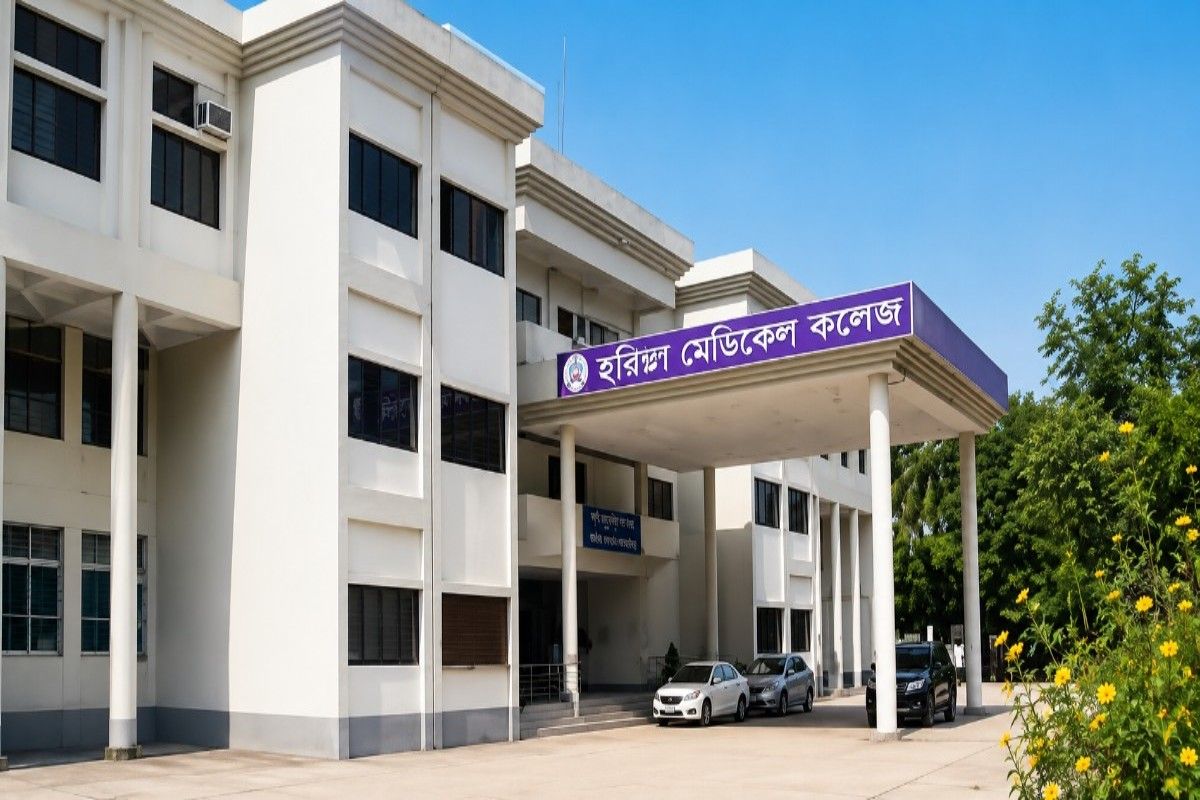
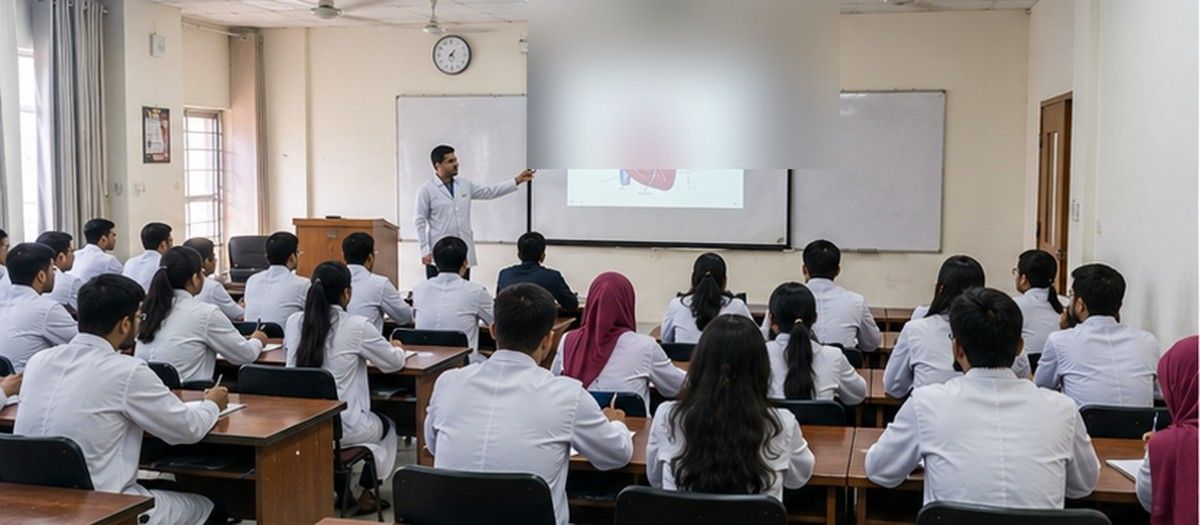
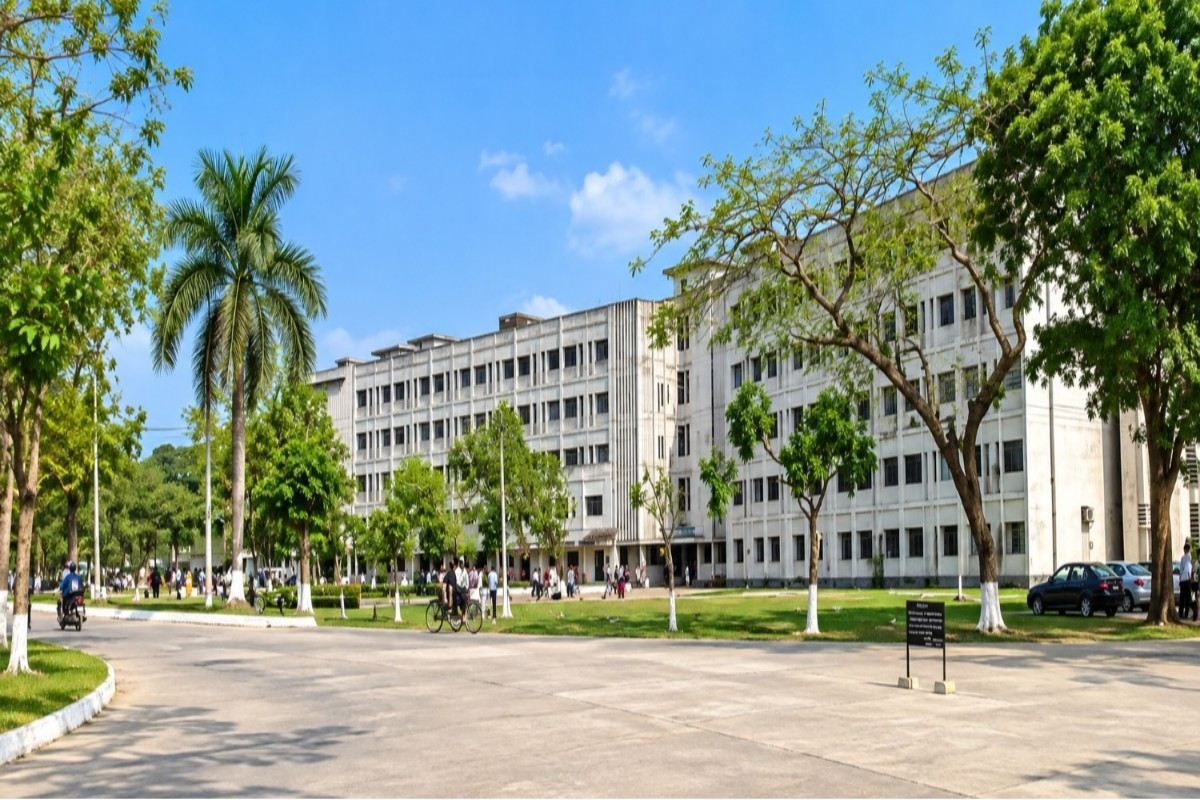
People mostly just call it CuMC for short. It was established on 28 November 1979, by then-President Ziaur Rahman, a specific, dated founding tied directly to a named head of state. Here is genuinely one of the most dramatic institutional histories covered in guides like this one. The first MBBS batch was admitted in 1981, but following a 1982 government decision, the college's own academic programme was suspended entirely, specifically due to hospital expansion works. The medical college did not reopen until 11 January 1992, meaning CuMC genuinely stood closed to new medical education for roughly a decade.
So, unlike a college with a single, unbroken founding date, applicants should understand CuMC's own history as including a real, documented decade-long interruption, not a smooth, continuous institutional timeline. Academic activities properly resumed in the 1991-1992 academic year, following this specific, dated reopening.
CuMC sits at Kuchaitoli, on Dr Akhtar Hameed Khan Road, in Cumilla, roughly 5 kilometres south-east of Cumilla town itself, and about 100 kilometres south-east of Dhaka. The college is authorised by the Government of the People's Republic of Bangladesh, and is affiliated with both the University of Chittagong and Chittagong Medical University, reflecting the kind of affiliation transition also seen at other Bangladeshi medical colleges covered in comparable guides.
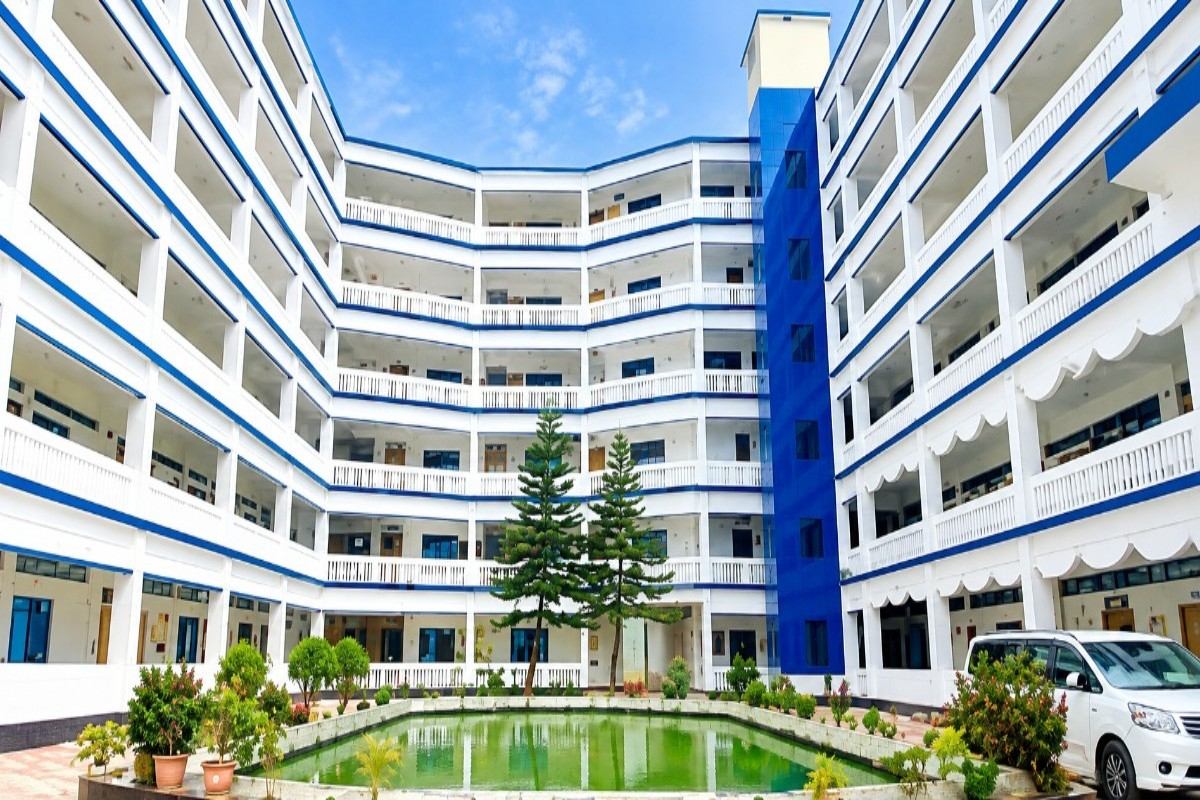
Here is a fact most guides skip entirely. CuMC's own campus is genuinely comprehensive, comprising 35 separate departments, more than 100 distinguished academicians and professors, and dedicated specialist facilities including a Nursing Institute, an Institute of Nuclear Medicine and Allied Sciences, and its own morgue, alongside staff quarters, a mosque, a Shaheed Minar, a national memorial commemorating Bangladesh's language movement martyrs, and a playground. So, this is a genuinely large, self-contained institutional campus, not a narrowly scoped single-building college.
CuMC is recognised by the World Health Organisation, WHO, India's medical regulatory body, referenced in older sources by its former name MCI, now succeeded by the NMC, and the Bangladesh Medical and Dental Council, BMDC, and is specifically listed in the World Directory of Medical Schools, WDOMS. The college's own attached hospital operates as a genuine multi-speciality tertiary referral facility, giving students exposure to a considerable range of clinical cases directly on campus.
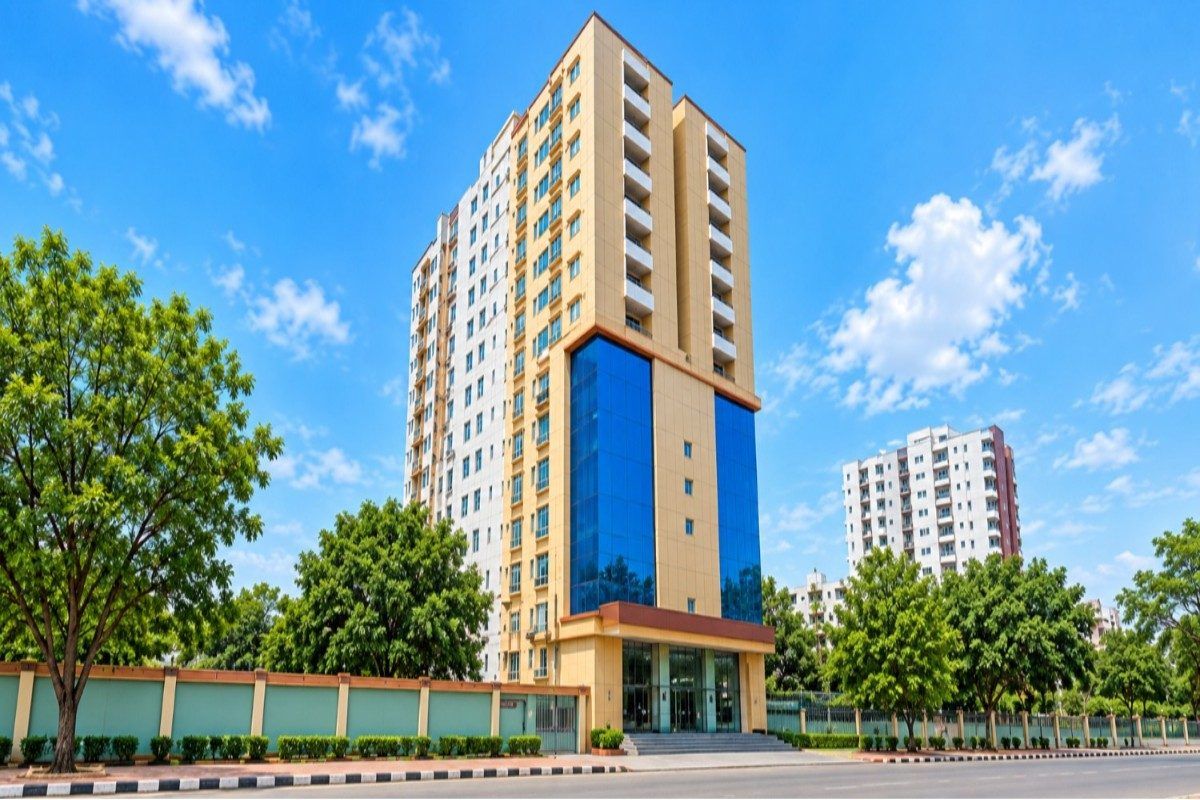
Accommodation at CuMC is genuinely detailed, comprising two female hostels, two male hostels, two internee hostels specifically for students completing their clinical internship, and a separate resident hostel reserved for postgraduate students, all reported with round-the-clock CCTV surveillance. CuMC's MBBS programme runs five years, followed by a compulsory one-year internship, taught entirely in English, with neither IELTS nor TOEFL required for Indian applicants specifically.
NEET remains a genuine requirement for Indian applicants here, exactly as it does across virtually every other Bangladeshi medical college covered in comparable guides, and Indian graduates would still need to clear the FMGE or NExT exam to practise medicine back in India.
Cumilla itself, roughly 100 kilometres south-east of Dhaka, offers students genuine, practical access to Bangladesh's own capital while still studying within a considerably smaller, more manageable regional city setting. The wider Cumilla area carries genuine historical significance, home to landmarks including the ancient Kotbari Fort, and hosts Comilla University alongside numerous other schools, making the city a real, established regional hub for education, not solely home to this one medical college alone. Cumilla also embraces a genuine blend of urban and rural lifestyles, with agriculture, various industries, and local businesses all contributing meaningfully to the wider regional economy.
Given CuMC's own genuinely dramatic institutional history, surviving a real, documented decade-long closure before reopening in 1992, students and applicants alike get a genuinely more complete, honest picture of this college's own resilience and continued government backing than a simple, unbroken founding date alone could convey. This combination of a real historical interruption, substantial specialist campus infrastructure, and genuinely well-reconciled official fee figures gives CuMC a distinctive institutional character worth understanding fully before applying.
Fee figures here are reported with genuine specificity by one detailed source, citing an official-style 2026-27 fee structure, worth setting out in full.
Cost Item | Amount | Notes |
Tuition Fee (annual, official-style figure) | USD 4,800/year | Reported as verified from CuMC's own official 2026-27 fee structure, paid directly to the university's bank account with no middleman |
Hostel Fee (annual) | USD 1,200/year | Reported by the same detailed source |
Total Fee (6 years, all-inclusive) | Approx. USD 36,650 (approx. INR 33.0 lakh) | Reported to include tuition, hostel accommodation, and basic living expenses combined |
Currency and Regulatory Note | Interim fee for 2026-27, subject to change | Per the guidelines of the State Level Fee Determination Committee, Government of Chittagong |
Living Expenses (beyond hostel) | Not specifically itemised | Budget separately for dining and personal expenses |
Total 6-Year Estimate | Approx. USD 36,650 | Genuinely well-corroborated by one detailed, official-style source; confirm current exact figure directly |
Note: no capitation fee is confirmed; the specific USD 4,800/USD 1,200 rate is described as paid directly with no agent commissions. Confirm the current, exact figure directly with CuMC before finalising a budget.
Why CuMC Deserves a Harder Look Than You've Given It
Most lists mention CuMC as just another government Bangladeshi medical college. However, they do not explain its genuinely dramatic decade-long closure, or how comprehensive its own campus facilities actually are. The reason is simple. It is about a real, documented institutional interruption most guides skip entirely, and genuinely substantial specialist infrastructure.
CuMC is not like most other Bangladeshi medical colleges when it comes to its own institutional continuity. In fact, its academic programme was specifically suspended in 1982, due to hospital expansion works, and did not reopen until 11 January 1992, a genuine, documented decade-long gap. Furthermore, this represents a real, dramatic institutional interruption, not a minor administrative pause. As a result, applicants get a genuinely more complete, honest picture of this college's own institutional history here.
The college's own campus infrastructure also matters more than most guides let on. For example, most guides describing Bangladeshi government medical colleges mention facilities only in general terms. CuMC's own campus specifically comprises 35 departments, a dedicated Institute of Nuclear Medicine and Allied Sciences, and its own morgue, alongside standard teaching facilities. Moreover, this level of specific, itemised infrastructure detail is genuinely more comprehensive than at many comparable Bangladeshi institutions.
One thing most other blogs miss is how well CuMC's own official-style fee figures actually reconcile. In addition to the specific USD 4,800 tuition and USD 1,200 hostel figures, the reported six-year total of USD 36,650 works out consistently once multiplied across six years. Since this genuine internal consistency is rarer than at some comparable institutions with wildly conflicting figures, applicants get a genuinely more reliable cost picture here.