
Aalborg University – Faculty of Medicine

General Information
Established in 2010, the Faculty of Medicine at Aalborg University is the newest medical faculty in Denmark. It is highly regarded for its unique "Aalborg Model," which utilizes Problem-Based Learning (PBL) a student-centered approach where medical students work in groups to solve real-world clinical cases from their first semester. Located in the North Denmark Region, the faculty is a leader in the synergy between medicine and health technology.
General Info
- Primary Location: Selma Lagerløfs Vej 249, 9260 Gistrup (Aalborg), Denmark.
- Degree Structure: 3-year Bachelor (BSc) + 3-year Master (MSc) to qualify as a Medical Doctor.
- Language of Instruction: * Medicine (BSc & MSc): Strictly Danish.
- Health Technology & Public Health: English options available at the Master's level.
- Accreditation: Recognized by WHO, GMC (UK), and world-leading boards.
- Admission:
- Quota 1: Based on high school GPA.
- Quota 2: Focuses on relevant work experience and a specific entrance test (UniTest).
- Deadline: March 15 (12:00 noon CET) for international applicants.
Campus Facilities
The faculty is centered around a brand-new, high-tech environment that integrates teaching with research.
- New SUND Building: A modern facility in Gistrup that serves as the hub for the Faculty of Medicine, situated right next to the new university hospital.
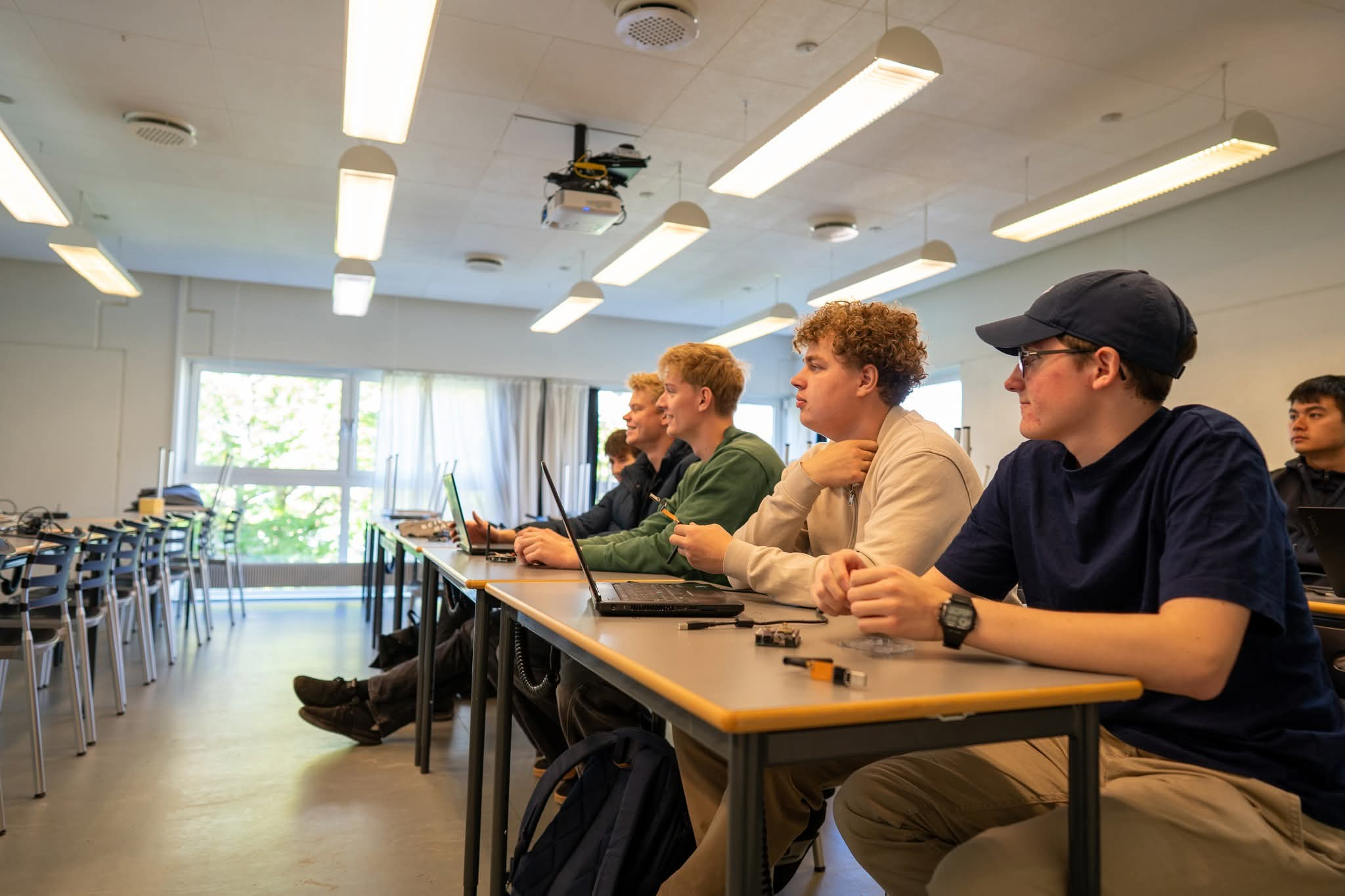
- PBL Environment: Designed specifically for group-based learning, the campus features numerous "group rooms" where students collaborate on clinical projects.
- Center for Neuroplasticity and Pain (CNAP): A world-leading research center focused on understanding how the brain changes in response to pain.
- Health Hub AAU: A dedicated incubator for medical students and researchers interested in healthcare entrepreneurship and innovation.
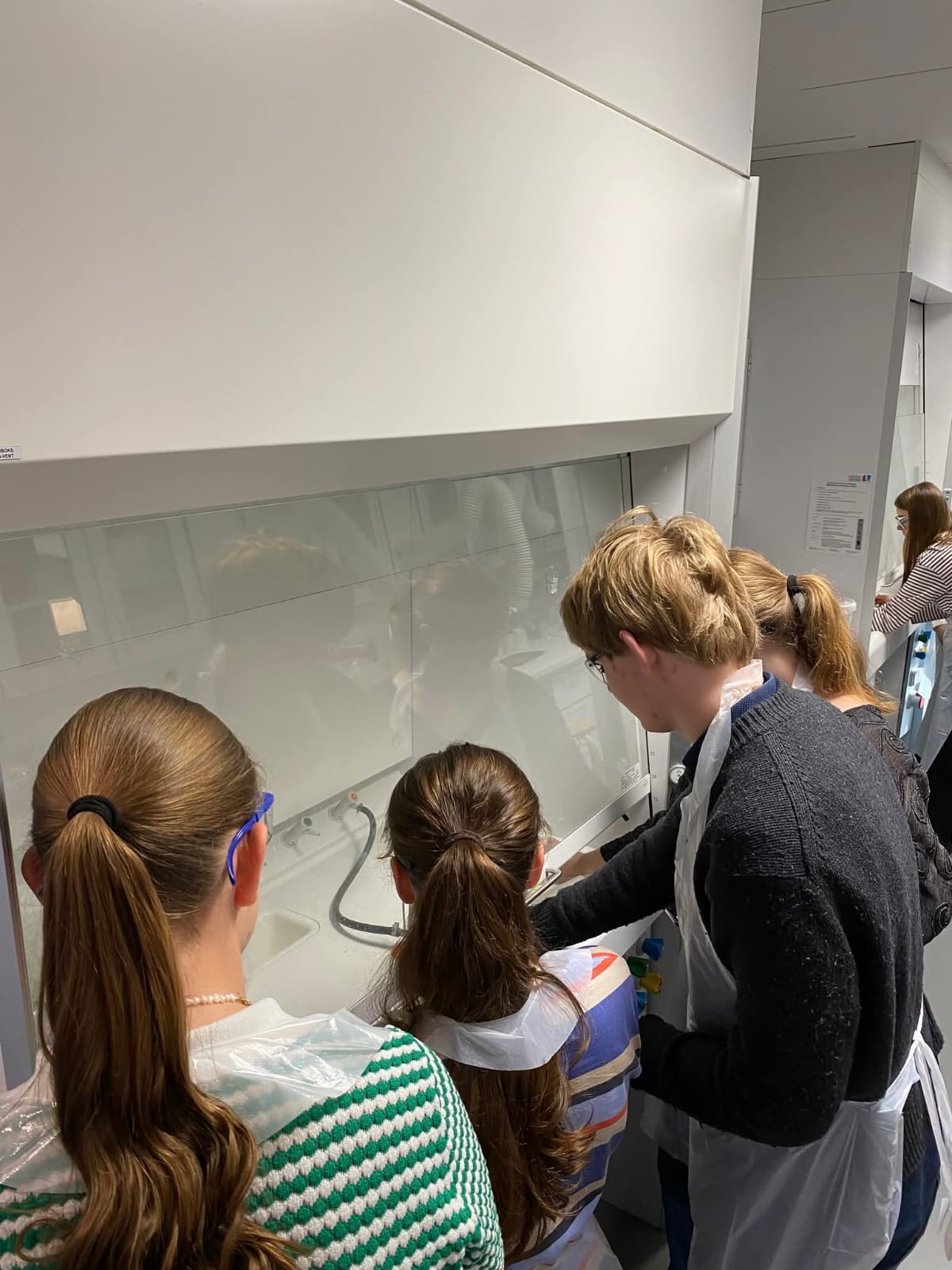
- Clinical Skill Center: Advanced simulation labs where students practice everything from basic nursing care to complex surgical maneuvers on high-fidelity mannequins.
Hospital & Medical Facilities
Leading tertiary care hospital attached to the institution
The Aalborg University Hospital (Aalborg UH) is the primary teaching partner and the largest hospital in North Denmark.
- Teaching Integration: The hospital is a "highly specialized" facility where students undergo clinical rotations in over 30 different specialties.
- New North Jutland University Hospital (NAU): A massive new hospital that physically connects the university and the clinic, creating a seamless "Knowledge City."
- Research Strengths: Particularly strong in Cardiology, Gastroenterology, Pain Research, and Robotic Surgery.
- Psychiatry: The faculty includes a specialized Department of Psychiatry, which is a key partner in the Danish Center for Clinical Health Services Research.
Fee Structure
State University Affordability
Danish public education is funded by the state for European citizens, but international students from outside the EU/EEA are subject to tuition fees.
Scholarships
- Danish Government Scholarships: Aalborg University grants approximately 15 scholarships annually to non-EU applicants for Master's programs, covering full tuition and sometimes a living stipend.
- PhD Funding: PhD students are typically employed with a salary ranging from DKK 30,000 to 35,000 per month.
- Travel Grants: Various foundations like the Bermann & Rosenberg Media Travel Scholarship provide small stipends for international research stays.
City Details
- The Vibe: Aalborg is an industrial city turned cultural hub, featuring the Utzon Center (designed by the architect of the Sydney Opera House) and a beautiful waterfront.
- Connectivity:
- Air: Aalborg Airport (AAL) is a 15-minute bus ride from the city center, offering direct flights to major European hubs.
- Transport: Extensive bus network and the "PlusBus" (Bus Rapid Transit) connect the campus to the city center and the airport.
Hostel & Mess
- Accommodation: AAU does not provide internal dorms but works with AKU-Aalborg to ensure students find affordable rooms in "Kollegiums."
- Dining: Large, modern cafeterias serve subsidized meals. Aalborg is also known for its vibrant street food scene and the famous Jomfru Ane Gade street for social life.
- UniStart: A self-service portal used for all administrative communication between the student and the admissions office.
- Culture: Aalborg is a "student city" with a high focus on social cohesion. The medical student union organises "Friday Bars" and "The Medical Games."
Miscellaneous
- English Proficiency: Non-EU applicants must provide an IELTS (6.5) or TOEFL (85) score for English-taught Master's programs.
- International Semester: Students can spend their 9th semester (MSc) abroad at a partner university.
- Robotic Surgery Center: One of Denmark’s most advanced hubs for robotic surgery education and training.
Collage Images Gallery
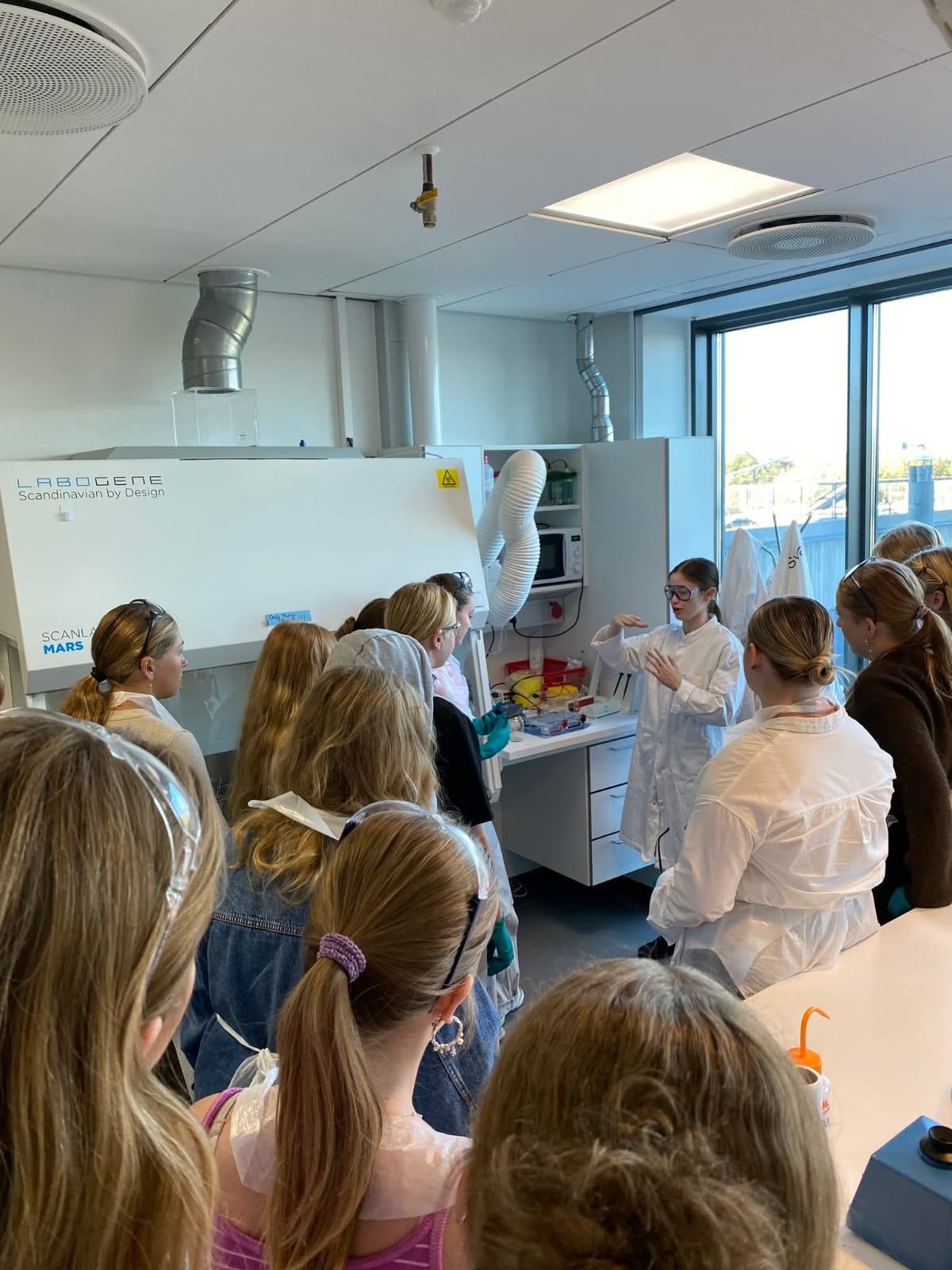

Facilities & Campus Life

Well-equipped Library

Experienced Faculty

Computer Lab

Sports Activities

Heritage Campus


Frequently Asked Questions
Why Consult With Us?
- 15+ years of experience in medical education counseling
- 5000+ students successfully guided
- 50+ partner universities worldwide
- Free initial consultation with no obligation