
Al Baha University School of Medicine

General Information
Established in 2008, the Faculty of Medicine at Al Baha University is a prominent public medical institution in the southwestern region of Saudi Arabia. Located in the Al-Aqiq province within the University City, it was designed to address the growing need for highly qualified medical professionals in the Kingdom. The college is recognized for its adoption of a modern, integrated system-based curriculum, which was a pioneering move among Saudi medical schools to move away from traditional lecture-heavy teaching toward more student-centered, clinical-oriented education.
General Info
- Primary Location: University City, Al-Aqiq, Al Baha Province, Saudi Arabia.
- Degree Awarded: Bachelor of Medicine and Bachelor of Surgery (MBBS) 6-year program + 1-year compulsory internship.
- Language of Instruction: English (though clinical interactions with patients are in Arabic).
- Accreditation: Fully accredited by the National Commission for Academic Accreditation and Assessment (NCAAA); listed in the World Directory of Medical Schools (WDOMS).
- Admission Requirements:
- Selection: Highly competitive; based on a weighted average of high school GPA, the General Aptitude Test (Qudrat), and the Standardized Achievement Test (Tahseeli).
- Indian Students: Must be NEET qualified.
- Preparatory Year: Students typically must complete a scientific "Preparatory Year" at the university before formal entry into the medical program.
- Intake: Primarily August/September for the start of the academic year.
Campus Facilities
The Al Baha University Faculty of Medicine is characterized by its purpose-built campus in the mountainous Al Baha region, offering advanced scientific environments.
- Integrated Learning Facilities: The campus is designed for Problem-Based Learning (PBL), with numerous small-group tutorial rooms.
- Modern Laboratories: Specialized labs for Anatomy, Biochemistry, and Microbiology, equipped with the latest diagnostic and imaging equipment.
- Advanced Simulation Center: Includes high-fidelity manikins and simulated clinical environments (ER, ICU) for practicing procedures without patient risk.
- Digital Library (Bahith): Provides medical students with 24/7 access to the Saudi Digital Library (SDL) and global databases like PubMed and ClinicalKey.
- Rafid LMS: A sophisticated Learning Management System where all lectures, resources, and assessments are managed digitally.
- Telemedicine Units: Integration of digital health technologies into the clinical training curriculum to reflect modern Saudi healthcare trends.
- Student Activity Center: Hub for the Future Doctors Club, where students organize scientific conferences and community health awareness campaigns.
- On-Campus Housing: Secure, modernized dormitories for both male and female students (separated sections), provided within the university city.
- Sports Complex: Features fitness centers, swimming pools, and courts for various sports to ensure student physical well-being.
- E-Services Portal (myBU): A centralized digital gateway for students to manage registration, grades, and administrative requests.
Hospital & Medical Facilities
Leading tertiary care hospital attached to the institution
The university relies on a network of major governmental hospitals while its own university hospital is under development.
- King Fahad Hospital (Al Baha): The primary training site for senior medical students, offering a wide range of clinical specialties.
- Prince Mashari bin Saud Hospital (Baljurashi): A key clinical base for rotations in surgery, internal medicine, and emergency care.
- Primary Healthcare Centers: Students undergo early longitudinal clinical exposure at local community health centers.
- University Hospital (Under Construction): A major upcoming project designed to be a tertiary care center and the primary research hub for the faculty.
Fee Structure
State University Affordability
The following estimates reflect the academic sessions.
Scholarships
- Saudi Government Scholarships: Full funding (tuition + housing + stipend) for outstanding international students from Islamic and neighboring countries.
- Merit Scholarships: Awarded by the university to students maintaining a GPA above 4.5.
- Scientific Research Grants: Financial support for students participating in faculty-led research projects through the Medical and Health Research Center.
- External Sponsorships: Many local students are sponsored by the Ministry of Health or military health services.
City Details
- The Vibe: A peaceful, high-altitude city known for its greenery, heritage villages, and mild summers a stark contrast to the desert heat of other Saudi regions.
- Connectivity:
- Air: Al-Baha Domestic Airport (ABT) has daily flights to Riyadh, Jeddah, and Dammam.
- Road: Well-connected via the scenic mountain highways to Makkah and Taif.
Hostel & Mess
- Accommodation: The university city provides separate dormitory wings for male and female students. Rooms are typically shared (double occupancy) and fully furnished.
- Dining: Several canteens and cafes are available on campus. There is no mandatory "mess" plan; students buy meals individually or cook in shared facilities.
- Vibe: Al Baha is known as the "Garden of the Hejaz" due to its cooler climate and scenic mountains. Student life is academically rigorous but balanced by local tourism and cultural festivals.
- Community Service: A core value of the faculty; students frequently participate in medical convoys to rural villages in the Al Baha region.
Miscellaneous
- Integrated Curriculum: The program is divided into three phases: Basic Sciences, Integrated Basic/Clinical Sciences, and Clinical Clerkships.
- Ethics & Values: The curriculum includes dedicated modules on Islamic medical ethics and professionalism.
Collage Images Gallery
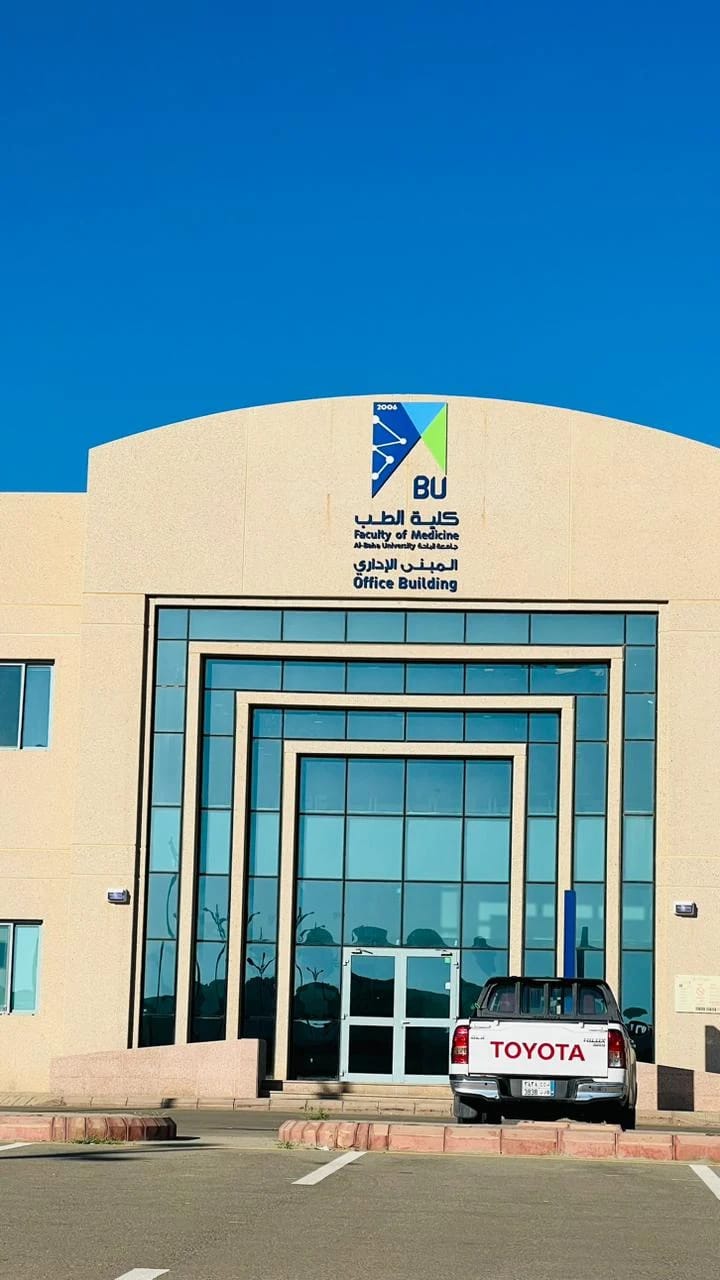
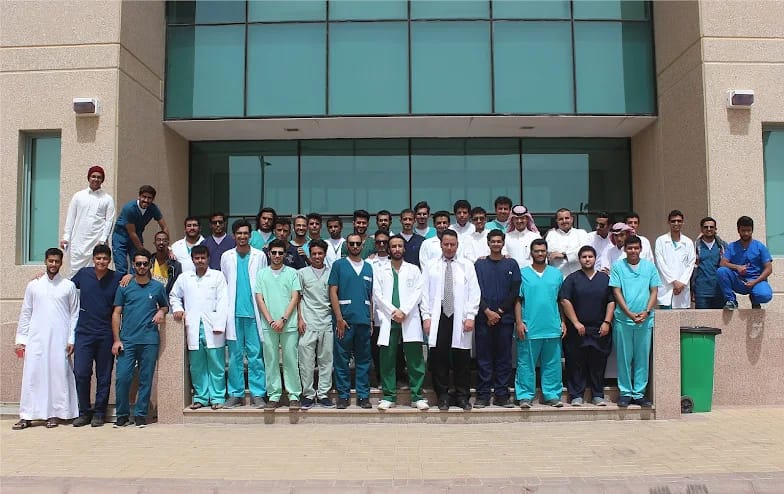
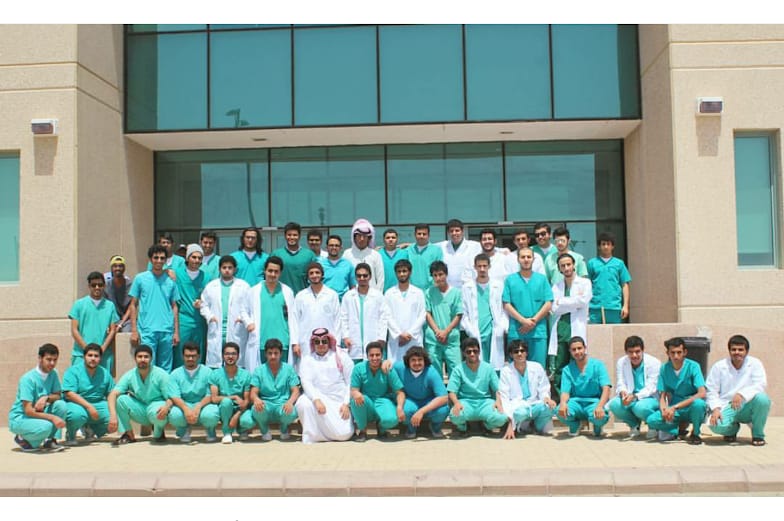
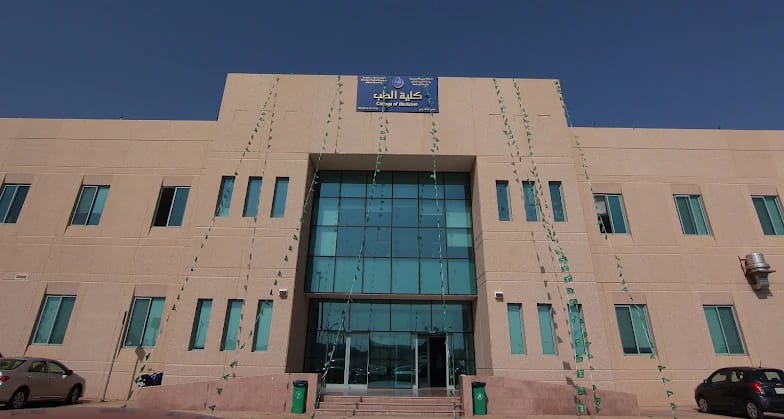
Facilities & Campus Life

Well-equipped Library

Experienced Faculty

Computer Lab

Sports Activities

Heritage Campus


Frequently Asked Questions
Why Consult With Us?
- 15+ years of experience in medical education counseling
- 5000+ students successfully guided
- 50+ partner universities worldwide
- Free initial consultation with no obligation