
Al Jouf University College of Medicine

General Information
Established in 2000/2001, the College of Medicine at Jouf University is a key public medical institution in the northern region of Saudi Arabia. Located in the University City in Sakaka, the college was founded to provide advanced medical education and improve healthcare services in the Al Jouf province. It follows a modern, Integrated System-Based Curriculum with a focus on Problem-Based Learning (PBL), designed to produce physicians capable of independent clinical reasoning and ethical practice in both urban and rural settings.
General Info
- Primary Location: King Khalid Road, Sakaka, Al Jouf Province, Saudi Arabia.
- Degree Awarded: Bachelor of Medicine and Bachelor of Surgery (MBBS) – 6-year program + 1-year compulsory internship.
- Language of Instruction: English.
- Accreditation: Recognized by the Saudi Commission for Health Specialties (SCFHS) and listed in the World Directory of Medical Schools (WDOMS).
- Admission Requirements:
- Selection: Based on a Weighted Percentage: General Aptitude Test (30%), High School Certificate (30%), and Achievement Test (40%).
- Indian Students: Must be NEET qualified.
- High School: Secondary school certificates for medical programs must not be older than two years.
- Intake: Annual admission occurs at the beginning of the academic year (usually August/September).
Campus Facilities
The University City in Sakaka is an integrated educational hub featuring massive construction and modern academic resources.
- Digital Simulation Center: Features high-fidelity simulation labs where students practice clinical skills, emergency procedures, and patient interactions.
- Problem-Based Learning (PBL) Rooms: Small-group discussion rooms equipped with multimedia tools to facilitate the college's core interactive teaching methodology.
- Advanced Anatomy Laboratory: Provides hands-on training with cadavers and 3D digital visualization tools for morphological studies.
- Specialized Clinical Skills Lab: Features various medical manikins for practicing basic and advanced clinical maneuvers before hospital entry.
- Modern Research Units: Labs for pathology, microbiology, and community medicine that support both didactic learning and student-led research projects.
- Technology-Enhanced Study Halls: Quiet, modernized spaces equipped with digital resources and high-speed internet for self-directed research.
- Central University Library: Houses an extensive collection of medical texts and provides access to the Saudi Digital Library (SDL) for international journals.
- On-Campus Medical Clinic: A 15-clinic center staffed by faculty consultants, providing healthcare to students and practical training for senior students.
- Athletic & Sports Complex: Includes state-of-the-art gyms, swimming pools, and sports fields for student physical well-being.
- Welcome Center & ID Services: Dedicated offices for international students to handle administrative needs, residence permits, and university IDs.
Hospital & Medical Facilities
Leading tertiary care hospital attached to the institution
The College of Medicine integrates students into clinical settings early through partnerships with the regional health system.
- Primary Healthcare Centers (PHCs): Students rotate through local PHCs early in their training to learn the philosophy of holistic and community care.
- King Abdulaziz Specialist Hospital: A major clinical site in Sakaka where students undergo rotations in various medical and surgical specialties.
- Maternity and Children’s Hospital (Sakaka): Provides specialized training in pediatrics and obstetrics/gynecology.
- Prince Mutaib bin Abdulaziz Hospital: Another core training ground for internal medicine and emergency surgery rotations.
Fee Structure
State University Affordability
The following estimates are for the academic sessions.
Scholarships
- Achievement Scholarship: A fully funded scholarship provided by the university for outstanding students.
- OSYM Score Scholarship: Offers up to 100% tuition waiver for high-scoring applicants.
- Support Scholarships: Available at levels of 50% and 25% based on financial need or academic merit.
- Monthly Allowance: International scholarship students often receive the same monthly stipend as Saudi students.
- Transportation & Lunch Support: Specialized grants to cover the costs of commuting and on-campus dining for eligible students.
- Annual Travel Tickets: Provided to international scholarship holders to visit their home countries once a year.
City Details
- The Vibe: Sakaka is the administrative capital of Al Jouf. It is known for its olive groves and historic sites, offering a calm and safe environment for international students.
- Connectivity:
- Air: Al-Jouf Domestic Airport (AJF) is located in Sakaka, with daily flights connecting to Riyadh, Jeddah, and other major cities.
- Road: Well-connected to the northern border and central regions of Saudi Arabia.
Hostel & Mess
- Accommodation: Jouf University provides on-campus housing facilities that include furnished rooms, study areas, and Wi-Fi. Housing is gender-segregated.
- Dining: Several cafeterias and food courts are located within the university city. The university offers a "Lunch Support Scholarship" for those needing meal assistance.
- Student Clubs: The Future Doctors Club is highly active, organizing community health campaigns (e.g., "Sleep Without Interruption" and "Sports Injuries Awareness").
- Cultural Vibe: Sakaka is a peaceful city with a rich history (Al-Marid Castle). The campus culture is respectful of Islamic values and emphasizes professional medical ethics.
- Orientation: The college organizes an annual orientation for new students where they meet the Dean, faculty, and senior peers to ease the transition into medical school.
Miscellaneous
- Medium of Instruction: While the medical curriculum is in English, students receive training in Arabic for patient communication and Islamic ethics.
- Integrated Curriculum: The program moves from Basic Science "blocks" in the early years to full clinical rotations in the final years.
Collage Images Gallery
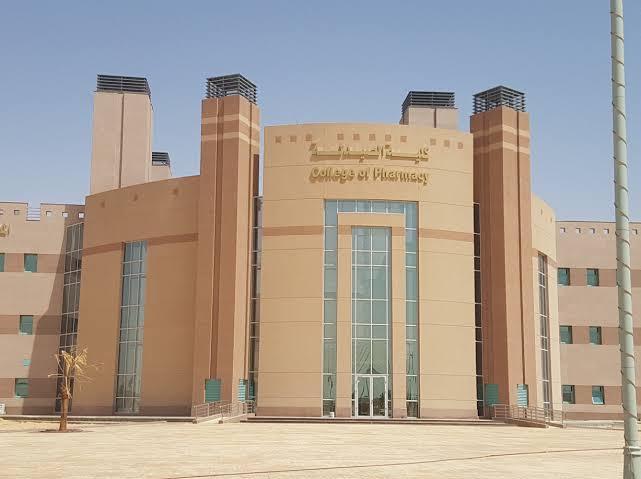
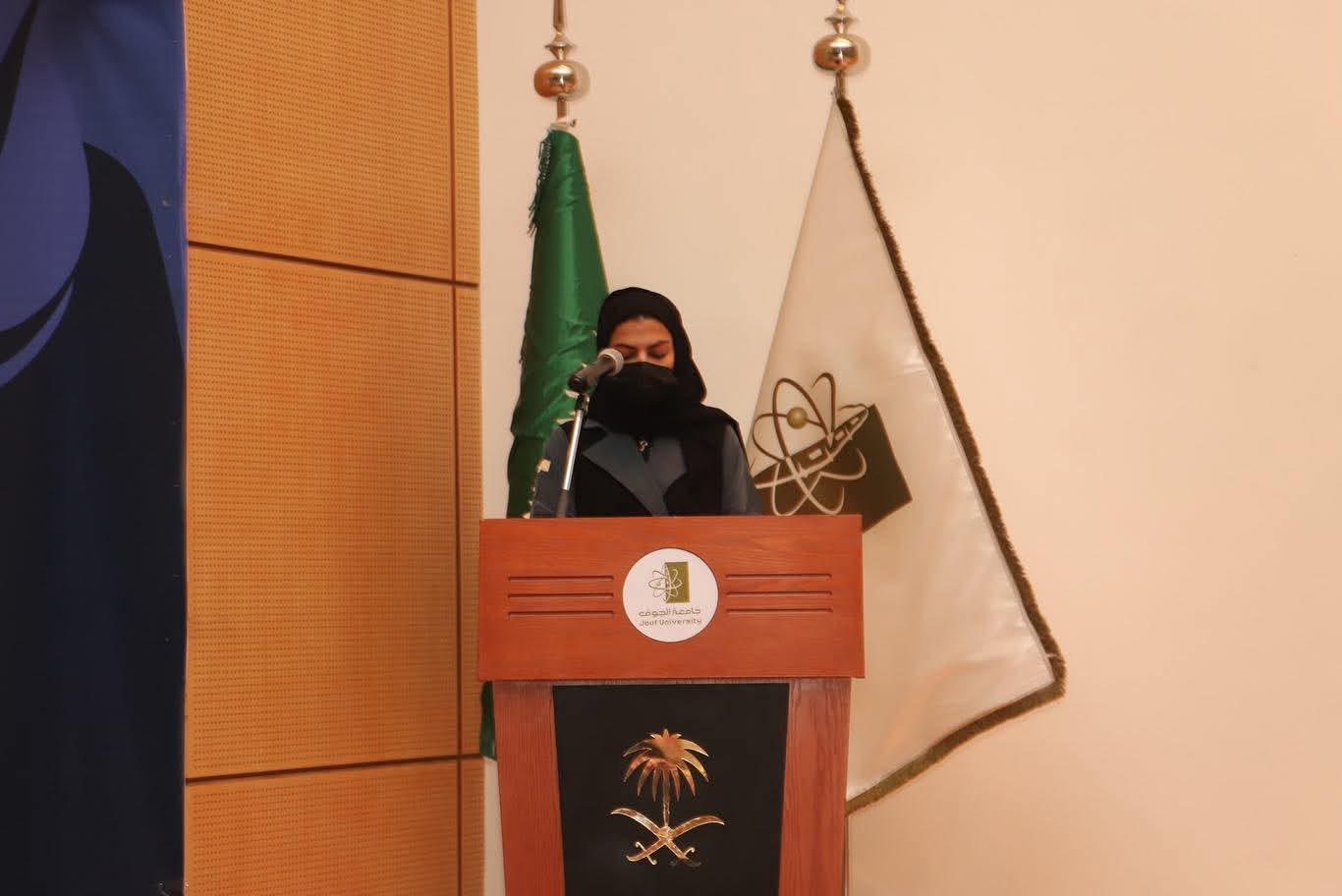
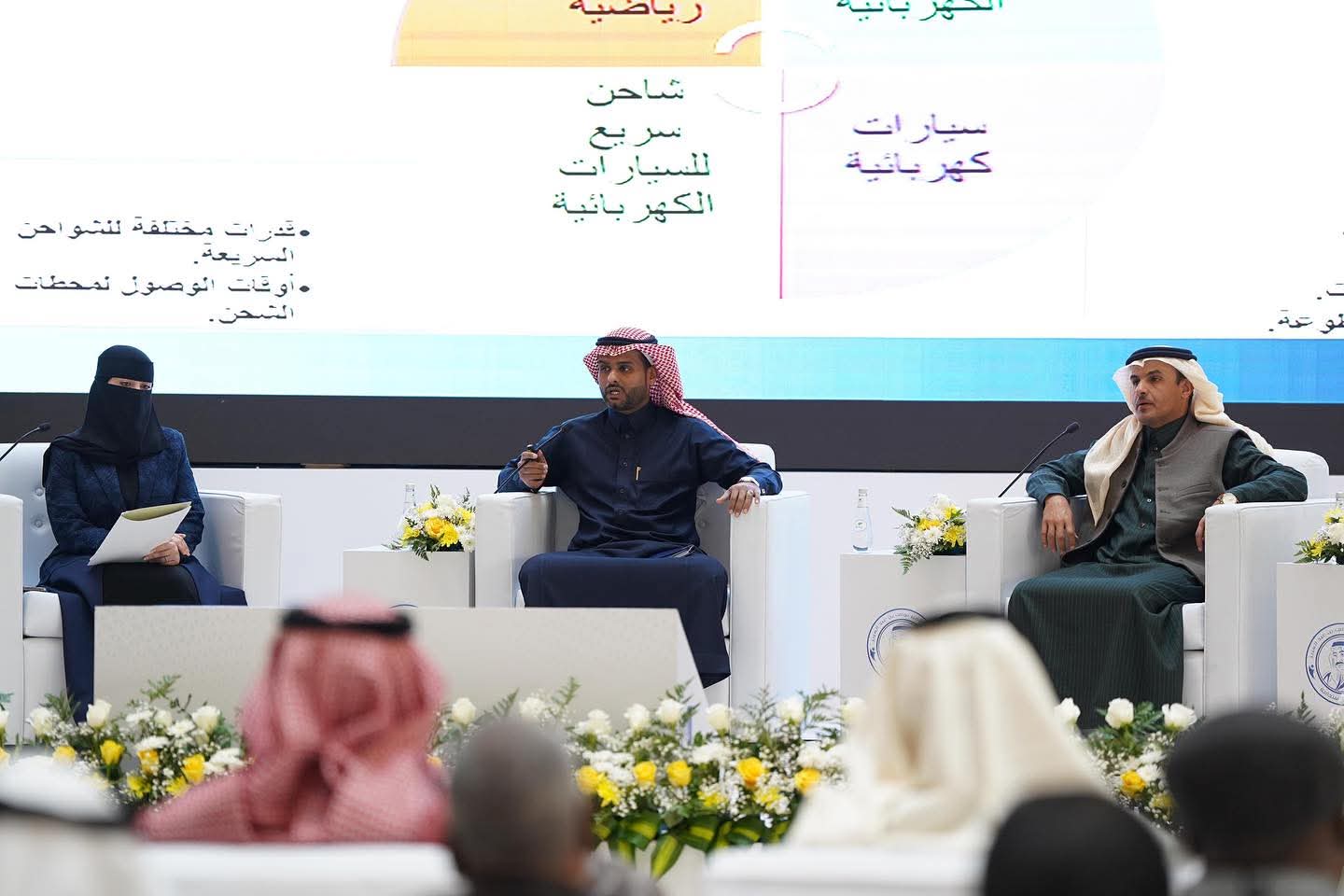
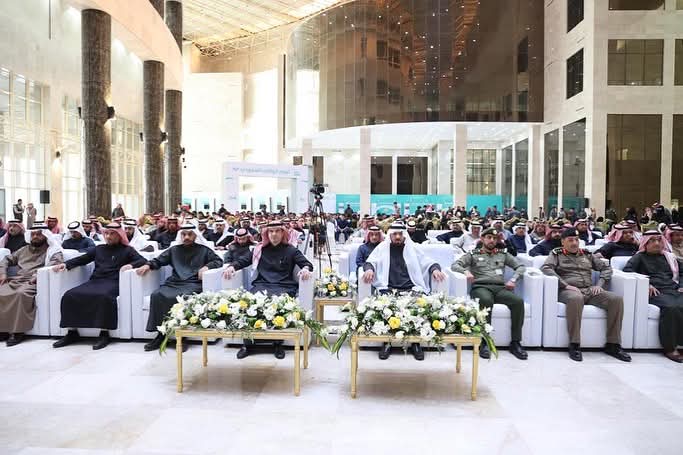
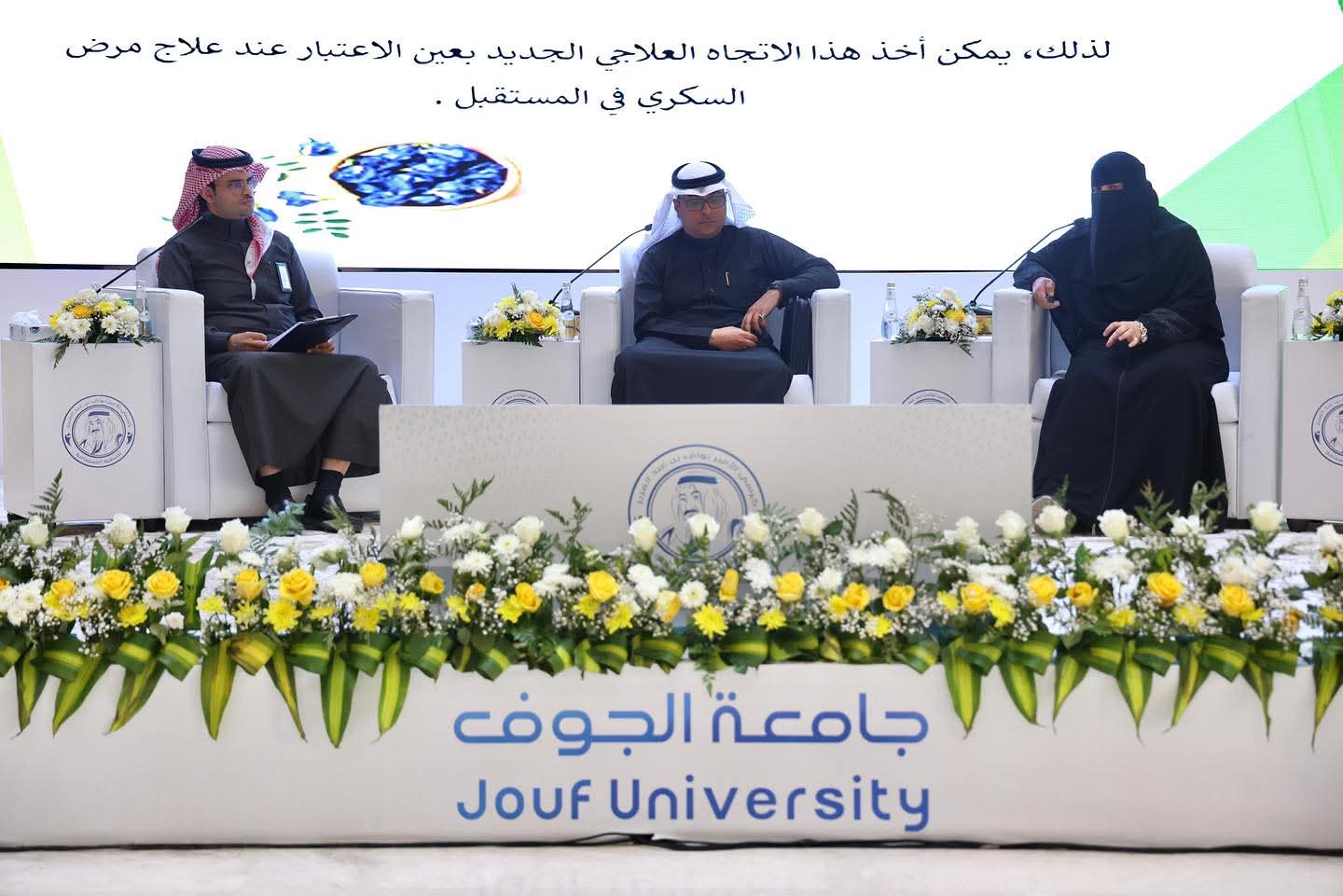
Facilities & Campus Life

Well-equipped Library

Experienced Faculty

Computer Lab

Sports Activities

Heritage Campus


Frequently Asked Questions
Why Consult With Us?
- 15+ years of experience in medical education counseling
- 5000+ students successfully guided
- 50+ partner universities worldwide
- Free initial consultation with no obligation