
Alborz University of Medical Sciences School of Medicine

General Information
Established in 2010, ABZUMS is a rapidly growing public medical university located in Karaj, the capital of Alborz Province. Despite its relatively young age, it has quickly ascended as a key player in Iran's medical landscape due to its proximity to Tehran and its commitment to modern pedagogy. The university is globally recognized, listed in the World Directory of Medical Schools (WDOMS), and serves as a vital healthcare and educational hub for the region's 2.7 million residents.
General Info
- Established: 2010.
- Primary Location: > West Bu-Ali St, Karaj, Alborz Province, Iran.
- Academic Model: Doctor of Medicine (MD) and Bachelor of Medicine, Bachelor of Surgery (MBBS) for international tracks.
- Structure: * MD Program (Domestic/Standard): A 7-year program integrated with a mandatory internship.
- MBBS Program (International): A 5.5 to 6-year program specifically designed for international students with English-medium instruction.
- Phases: * Pre-clinical (Years 1–2): Foundational sciences (Anatomy, Physiology, Biochemistry).
- Clinical (Years 3–5): Hospital-based rotations and theoretical clinical training.
- Internship (Final Year): Hands-on clinical responsibility in major hospital departments.
- Instruction: English for the international MBBS program; Persian for domestic and specific clinical tracks. Basic Persian is typically taught to facilitate communication with patients.
- Research Pillars: Key strengths include Non-Communicable Diseases, Social Determinants of Health, Infectious Diseases, and Cardiology.
- Admission: For international students, selection is based on high school transcripts (minimum 50% in Physics, Chemistry, and Biology). NEET qualification is required for Indian applicants.
Campus Facilities
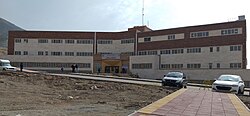
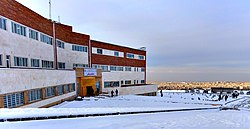
The ABZUMS campus features modern facilities focused on blending theoretical learning with practical simulation.
- Skills Lab: A specialized training center equipped with simulators for practicing clinical procedures, from suturing to advanced life support.
- Health in Disasters & Emergencies Research Center: A leading national center focused on disaster management and emergency response protocols.
- Non-Communicable Diseases Research Center: Conducts large-scale studies on chronic health issues like diabetes and cardiovascular health.
- Social Determinants of Health (SDH) Research Center: Investigates the socio-economic factors impacting public health in the Alborz region.
- Digital Health & mHealth Lab: Explores the use of mobile technologies and telemedicine for weight management and chronic disease monitoring.
- Molecular and Cellular Research Center: Provides facilities for high-end genetic research and medical biotechnology.
- Evidence-Based Medicine (EBM) Unit: Integrated into the library system to teach students how to apply the latest clinical research to patient care.
- Modern IT Hub: Supports the university’s e-learning platforms and provides access to global databases like Scopus and PubMed.
- University Library: A central repository for medical literature with 24/7 digital access for students.
- Scientific Societies Hub: A dedicated space for student-led scientific associations and research committees.
Hospital & Medical Facilities
Leading tertiary care hospital attached to the institution
ABZUMS manages a robust network of educational and medical centers in Karaj:
- Shahid Madani Hospital: A primary teaching site specializing in cardiology and cardiac surgery.
- Shahid Rajaee Hospital: A major medical center known for high safety standards and specialized clinical services.
- Kamali Hospital: Focused on obstetrics, gynecology, and pediatrics.
- Dr. Shariati Hospital: Provides a wide range of internal medicine and surgical services.
- Imam Hassan Mojtaba Hospital: A modern facility serving as a key rotation site for general medicine students.
- Specialized Centers: Includes Al-Zahra (Psychiatry) and Shahid Bahonar hospitals.
Fee Structure
State University Affordability
ABZUMS is recognized for its affordability, particularly for students from the South Asian region.
Scholarship
- ABZUMS Merit Scholarship: Awarded to high-achieving international students, potentially covering up to $1,200 per year of tuition fees.
- EducationIRAN Grant: Government-supported aid for international students from developing nations.
- Research Assistantships: Senior medical students can earn stipends by participating in projects within the university's various research centers.
City Details
- Location: Karaj is located just 20 km west of Tehran, making it easy to access the capital's resources while living in a less congested city.
- Connectivity:
- Tehran Metro Line 5: Provides a direct and very affordable rail link between Karaj and central Tehran.
- Road: Karaj is a major transit point between Tehran and the northern provinces, with excellent bus and taxi connectivity.
- Safety: Very high; Karaj is a safe, family-oriented city with a strong presence of students and medical professionals.
Hostel & Mess
- Accommodation: Managed by the university, hostels provide shared and private rooms with amenities like Wi-Fi, laundry, and communal kitchens.
- Dining: Subsidized student meals are available at the University Mensa, offering both Iranian and basic international cuisine.
- Vibe: Karaj is often considered a "suburb" of Tehran but has its own distinct, younger vibe. It is generally cooler in temperature than Tehran and offers many parks and recreation areas.
Miscellaneous
- Intakes: The main intake is in September, with a secondary intake occasionally available in January.
- Documents: Requires high school diplomas (Physics, Chemistry, Biology focus), valid passport, and health certificate.
- Global Recognition: Graduates are eligible for licensing exams worldwide, including USMLE (USA), PLAB (UK), and NEXT (India).
Collage Images Gallery
Facilities & Campus Life

Well-equipped Library

Experienced Faculty

Computer Lab

Sports Activities

Heritage Campus


Frequently Asked Questions
Why Consult With Us?
- 15+ years of experience in medical education counseling
- 5000+ students successfully guided
- 50+ partner universities worldwide
- Free initial consultation with no obligation