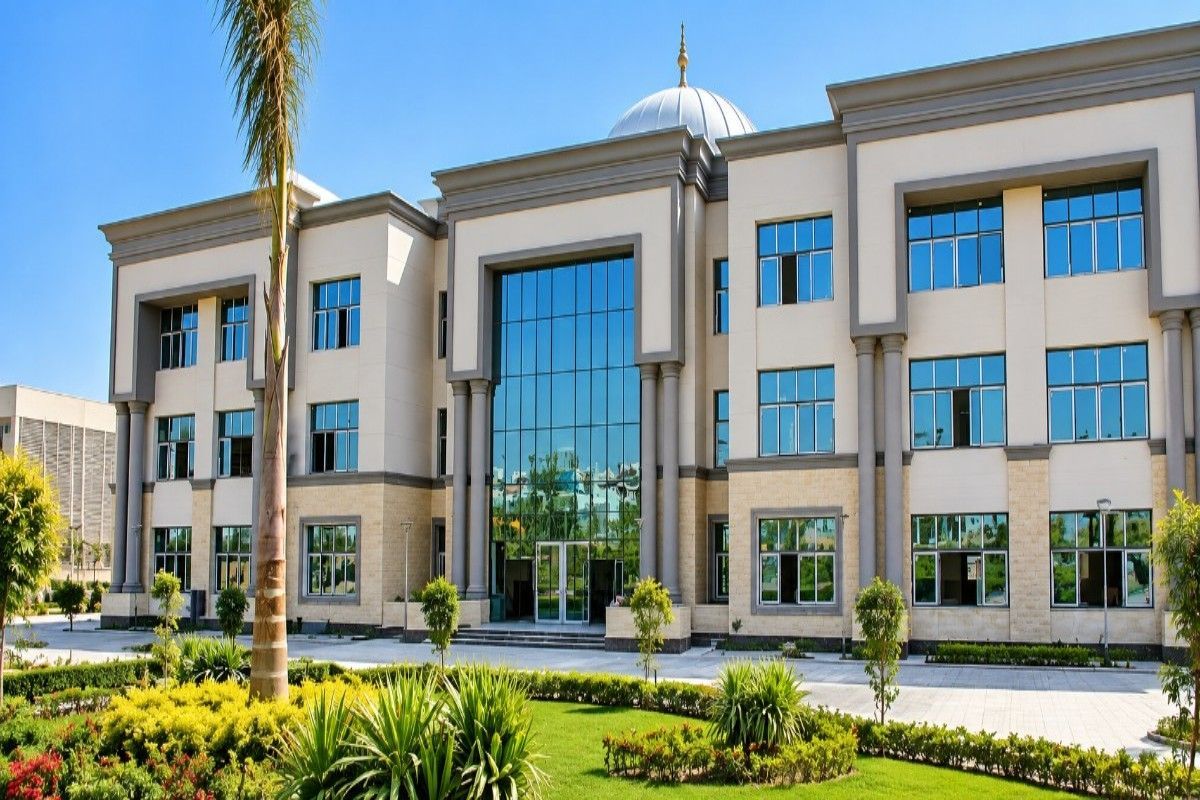
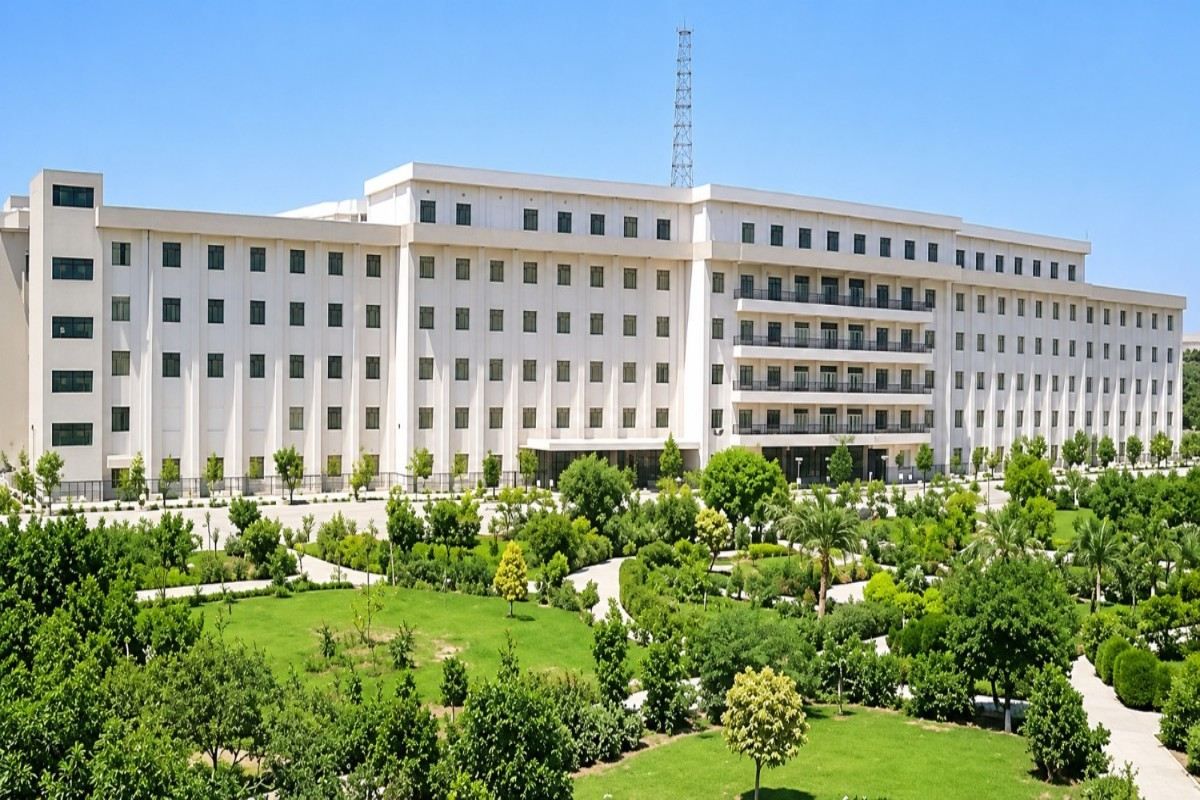
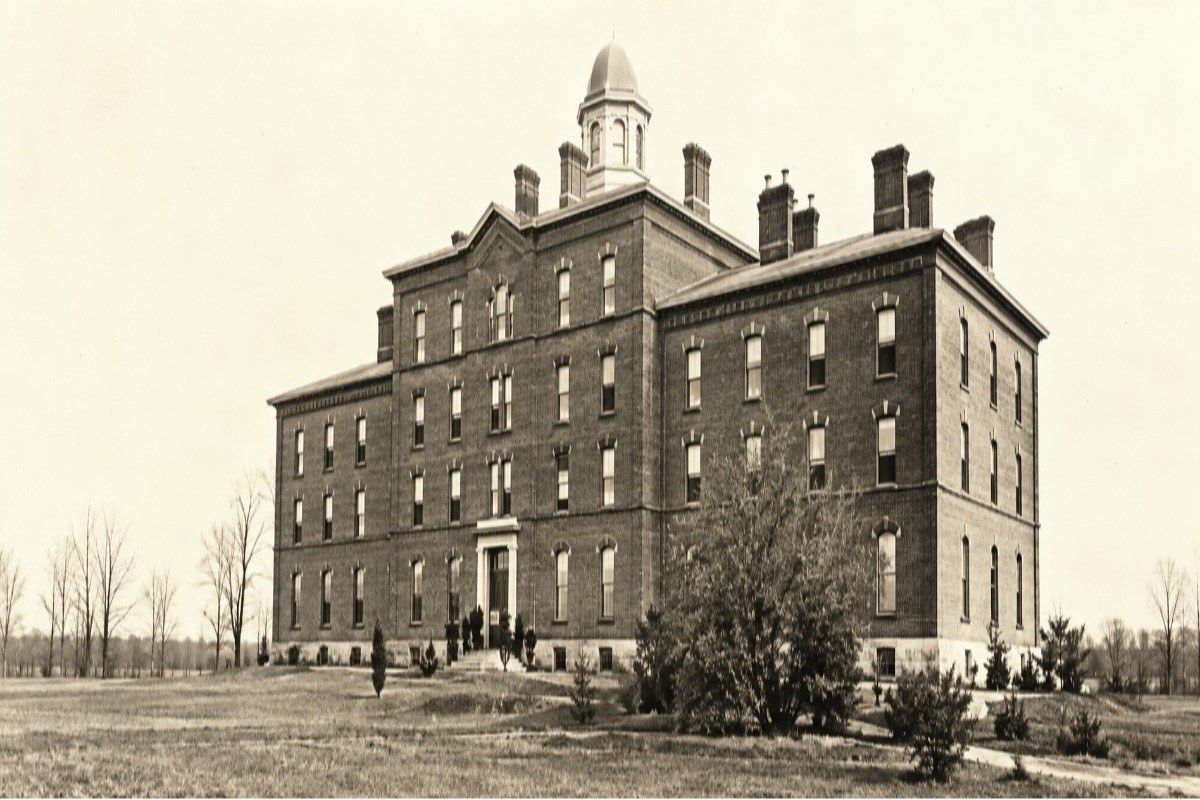
Alexandria University Faculty of Medicine is one of Egypt's largest, oldest, and most internationally recognised medical faculties, tracing its origins to 1938 when the university was founded as Farouk University, before being renamed Alexandria University following Egypt's 1952 revolution and gaining full autonomous academic status in 1942 (with the Faculty of Medicine's autonomy specifically recognised in that period). Today, Alexandria University as a whole hosts over 150,000 undergraduate students, making it the second-largest university in Egypt by enrolment, with the Faculty of Medicine representing one of its most prestigious and selective constituent faculties. The university's coastal Mediterranean location in Alexandria — Egypt's second-largest city and, in antiquity, one of the ancient world's great centres of learning, home to the legendary Library of Alexandria — gives the modern Faculty of Medicine a genuinely distinctive cultural and geographic setting compared to Cairo-based institutions.
Alexandria's Faculty of Medicine has built a substantial clinical training network anchored by Alexandria Main University Hospital and several affiliated specialist teaching hospitals across the city, serving not only Alexandria's roughly five million metropolitan residents but functioning as a major tertiary referral centre for the broader western Delta and Mediterranean coastal region, including Egypt's North Coast tourist areas. This referral role generates a clinical case mix that includes both the dense urban health patterns typical of a major coastal metropolis and a meaningful tourism and maritime-industry health dimension specific to Alexandria's role as Egypt's principal port city and a significant tourism destination in its own right.
For international students, Alexandria offers a combination that few other Egyptian medical faculties can match: the scale, history, and global ranking recognition typical of Egypt's flagship public universities (Alexandria University is regularly cited in the 1001–1200 band or similar tiers across various global ranking systems, alongside strong subject-specific recognition for medicine), combined with a genuinely different and arguably more relaxed coastal Mediterranean lifestyle than Cairo's intense inland metropolitan environment. Tuition fees for international students remain in the affordable range typical of major Egyptian public universities. At the same time, the city itself offers a notably different, beach-adjacent quality of life that many international students — particularly those from warmer coastal regions of India — find genuinely appealing for spending six years of medical training.