
Almaarefa University, College of Medicine

General Information
Established in 2008 (formerly known as Almaarefa College for Science and Technology), Almaarefa University (UM) is a leading private institution in Riyadh. The College of Medicine is highly regarded for its commitment to high-tech, student-centered medical education. It was one of the first private colleges in the Kingdom to adopt an integrated system-based curriculum, moving away from traditional models to focus on clinical relevance from the earliest stages of training.
General Info
- Primary Location: King Khalid Road, Diriyah, Riyadh, Saudi Arabia (Exit 1).
- Degree Awarded: Bachelor of Medicine and Bachelor of Surgery (MBBS).
- Language of Instruction: English.
- Accreditation:
- Institutional and Programmatic Accreditation by the NCAAA (Saudi Arabia).
- Listed in the World Directory of Medical Schools (WDOMS).
- Recognized by the ECFMG and WHO.
- Admission Requirements:
- Selection: Based on High School GPA (Scientific track), the General Aptitude Test (Qudrat), and the Achievement Test (Tahseeli).
- English Proficiency: A score of 5.5 in IELTS or equivalent is mandatory for the Medicine program.
- Indian Students: Must be NEET qualified.
- Intake: Primarily August/September.
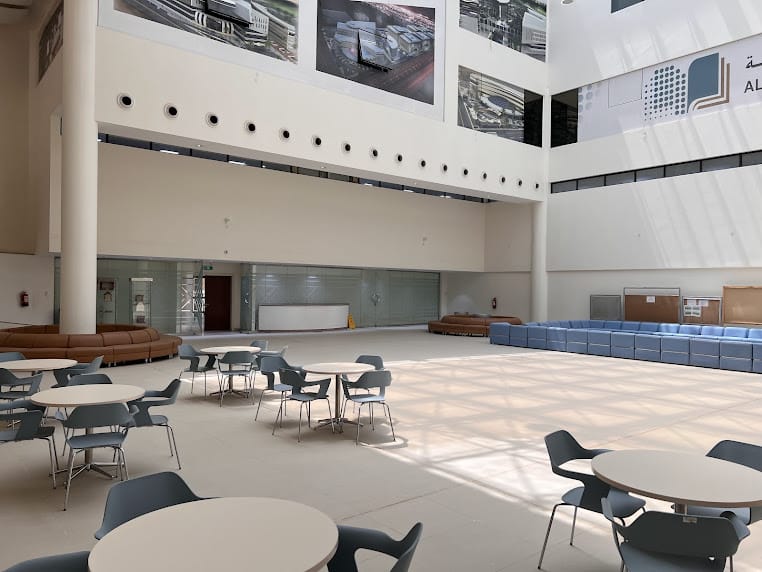
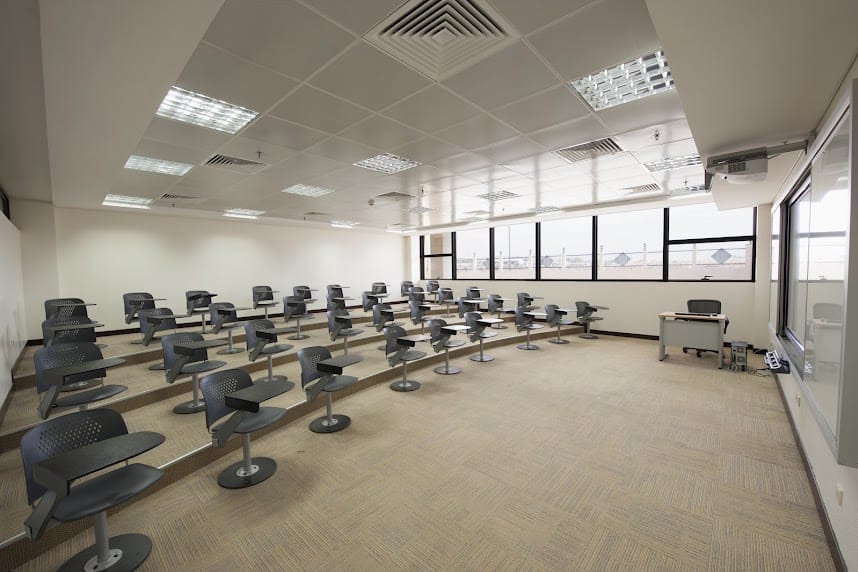
Campus Facilities
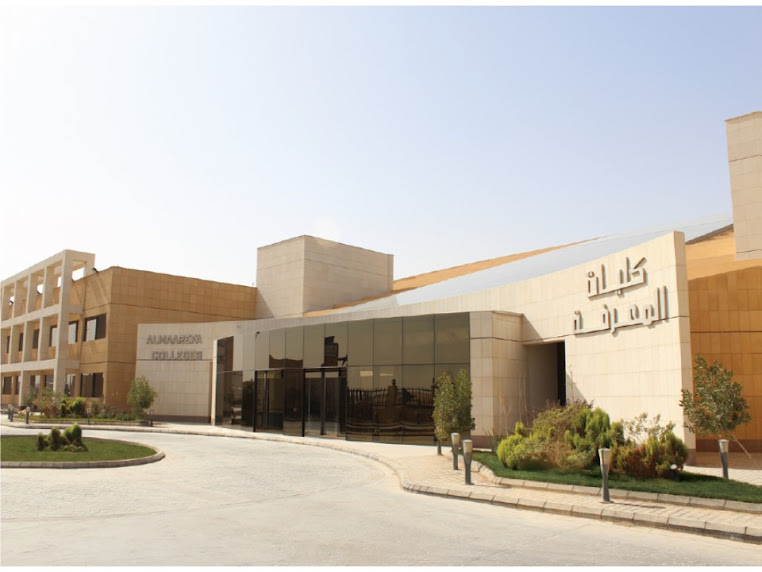
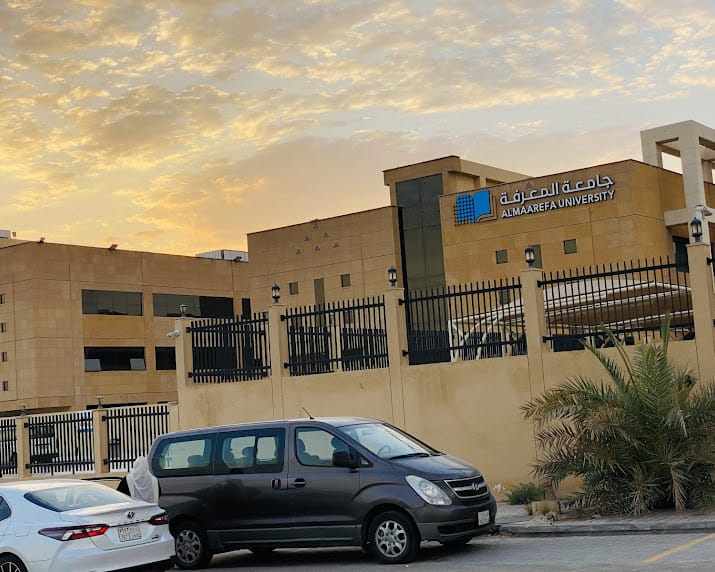
Almaarefa University's campus is designed to bridge the gap between academic theory and high-tech clinical practice.
- Advanced Medical Simulation Center: A cornerstone of the college, featuring high-fidelity manikins that simulate complex human physiological responses for risk-free clinical training.
- Integrated Labs: Specialized facilities for Biochemistry, Histology, and Microbiology, designed to support the "block" teaching system.
- Digital Anatomy & Virtual Labs: Uses 3D anatomical software alongside traditional models to provide a comprehensive understanding of human structure.
- Problem-Based Learning (PBL) Rooms: Small-group discussion hubs specifically designed to facilitate the university’s interactive curriculum.
- Centralized Digital Library: Seamless access to the Saudi Digital Library (SDL) and major medical databases like ClinicalKey.
- Learning Management System (LMS): A robust platform for e-learning, where students can access all lecture recordings, assignments, and digital exams.
- Female Student Campus: A separate, state-of-the-art wing for female students, ensuring a comfortable and specialized learning environment.
- Research Center: Provides resources for students to engage in scientific research under the mentorship of faculty, with a focus on evidence-based medicine.
- On-Campus Health Center: Provides medical services to the university community and serves as an introductory training site for students.
- Student Activity Center: Hub for the Capsule Student Club, which organizes widespread community health initiatives and blood donation drives.
Hospital & Medical Facilities
Leading tertiary care hospital attached to the institution
The clinical program (Phase 3) is conducted at top-tier healthcare facilities in the capital.
- Affiliated Hospitals: Training takes place at major Ministry of Health and private hospitals in Riyadh, including King Faisal Specialist Hospital & Research Centre (via recent collaborative agreements).
- Internship Year: A 12-month mandatory clinical training period after the 6th year, where students rotate through various medical specialties in accredited training centers.
- Community Medicine: Early exposure to primary healthcare centers to understand the broader social determinants of health.
Fee Structure
State University Affordability
The following estimates reflect the academic sessions.
Scholarships
- Merit-Based Scholarships: The university offers significant tuition discounts (ranging from 10% to 50%) for students with high high-school and standardized test scores.
- Excellence Grants: Continued discounts for students who maintain a cumulative GPA above 4.5 during their medical studies.
- Ministry of Education Grants: Available for eligible Saudi citizens through the internal scholarship program.
- Sibling Discounts: Specialized reductions for families with more than one student enrolled at the university.
- Installment Plans: Flexible payment options are available to help manage the cost of tuition throughout the semester.
City Details
- The Vibe: Diriyah/Riyadh is a major global hub for healthcare and innovation. It offers a very high standard of living and is extremely safe for international students.
- Connectivity:
- Air: King Khalid International Airport (RUH) is about 25 minutes away.
- Transport: Easily accessible via King Khalid Branch Road and the developing Riyadh Metro network.
Hostel & Mess
- Accommodation: Almaarefa does not typically provide direct on-campus housing, but the Student Affairs office assists students in finding vetted apartments in the Diriyah and Al-Khalidiyah districts.
- Dining: Several on-campus cafes and a main cafeteria provide a variety of meals. Being in Riyadh, students have access to a massive range of global cuisines and grocery stores nearby.
- Student Life: The "Almaarefa Culture" is highly professional and research-oriented. Students are encouraged to join scientific clubs and participate in international medical competitions.
- Vibe: The campus is located in the historic Diriyah area (a UNESCO World Heritage site), offering a unique mix of heritage and modern academic life.
Miscellaneous
- Curriculum Structure:
- Phase 1: Pre-medical (1 Year)
- Phase 2: Basic Medical Sciences (2.5 Years) - Integrated system blocks.
- Phase 3: Clinical Medical Sciences (2.5 Years)
- Phase 4: Internship (1 Year)
- Total Credit Hours: 222 hours over 7 years.
Collage Images Gallery
Facilities & Campus Life

Well-equipped Library

Experienced Faculty

Computer Lab

Sports Activities

Heritage Campus


Frequently Asked Questions
Why Consult With Us?
- 15+ years of experience in medical education counseling
- 5000+ students successfully guided
- 50+ partner universities worldwide
- Free initial consultation with no obligation