
Almazov National Medical Research Centre

General Information
The Almazov National Medical Research Centre (Almazov Centre) is a premier federal state institution in St. Petersburg, Russia. It is recognized globally as a high-tech facility focused on advanced research, complex clinical care, and specialized medical education.
General Information
Core Institutional and Program Facts
Official Designation: Almazov National Medical Research Centre (Almazov Centre).
Founding Year: Established recently in its current form as a major federal research center, though its component clinics have a longer history.
Institutional Status: Operates as a Federal State Budgetary Institution (FSBI) under the Ministry of Health of the Russian Federation.
Recognition & Governance: Adheres strictly to national educational and scientific standards, representing the highest level of state medical commitment.
Degree Awarded: Graduates receive the Specialist Degree (MD/MBBS) in General Medicine.
NMC Compliance: Fully NMC Approved. The degree is accepted as equivalent to MBBS for Indian licensing, subject to clearing the NExT exam.
Program Duration: The course is a mandatory 6 Years, comprising both academic study and mandatory clinical training.
Instruction Language: International programs are typically offered in the English Medium.
Global Recognition: Recognized by WHO WDOMS, ECFMG, and WFME, facilitating global practice and examination eligibility.
Curriculum Basis: Follows the Russian Federal State Educational Standards (FSES) but is highly specialized, emphasizing research and complex diagnostics.
Entry Requirement: Mandatory NEET UG qualification for Indian citizens (minimum 50% in 10+2 PCB).
Academic Philosophy: Known for integrating high-level scientific research with advanced clinical practice.
Location: Situated in St. Petersburg, Russia's cultural capital and a major scientific hub.
Annual Intake: Maintains a highly selective intake capacity, reflecting its federal status and research focus.
Faculty Profile: Features leading Russian scientists, researchers, and clinicians in specialized fields like cardiology and neurosurgery.
Research Output: High productivity in scientific publications and clinical trials.
Campus Facilities
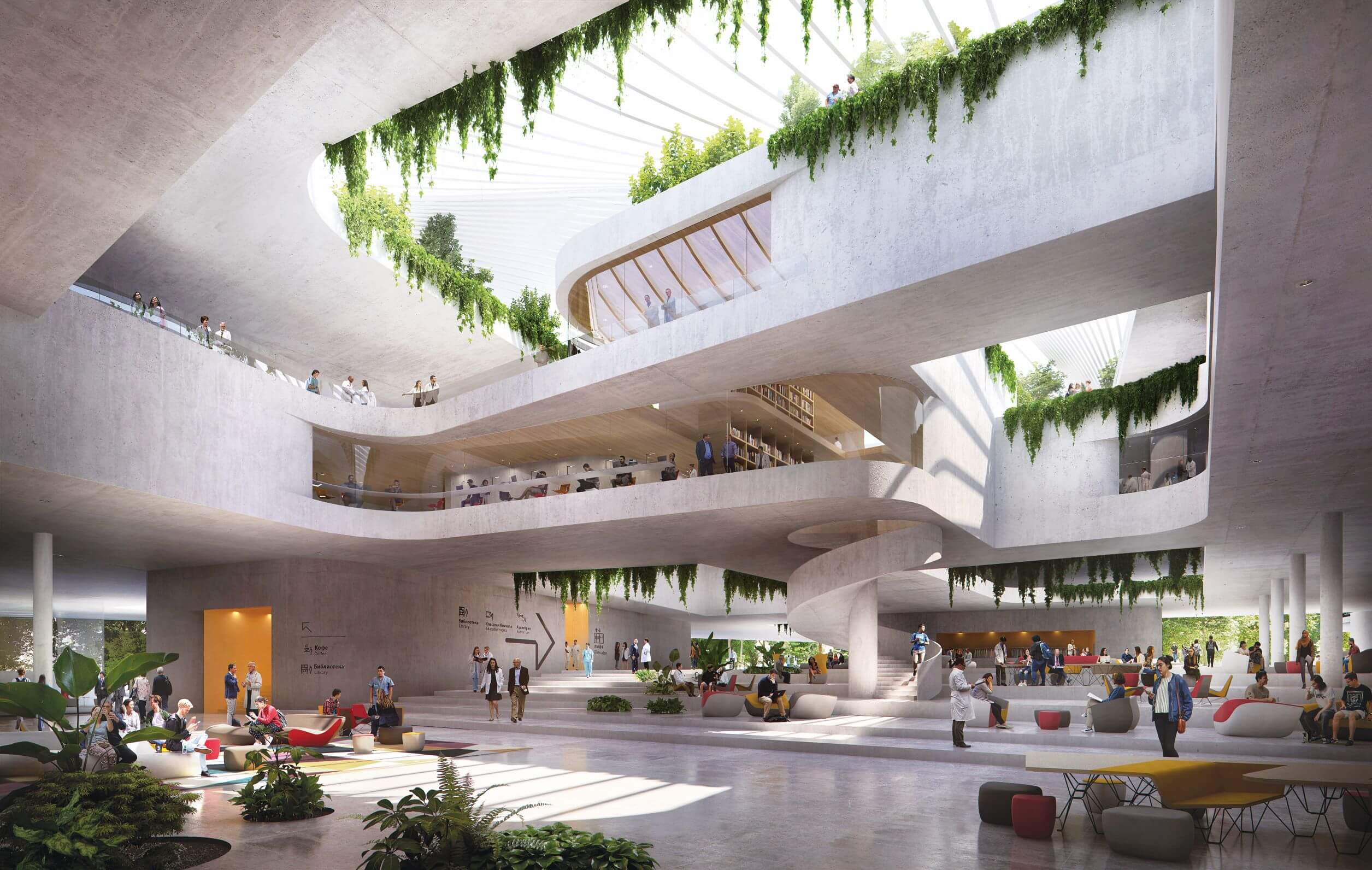
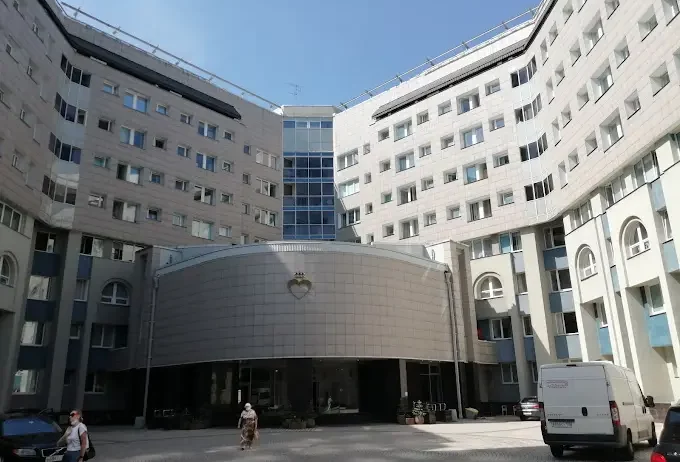
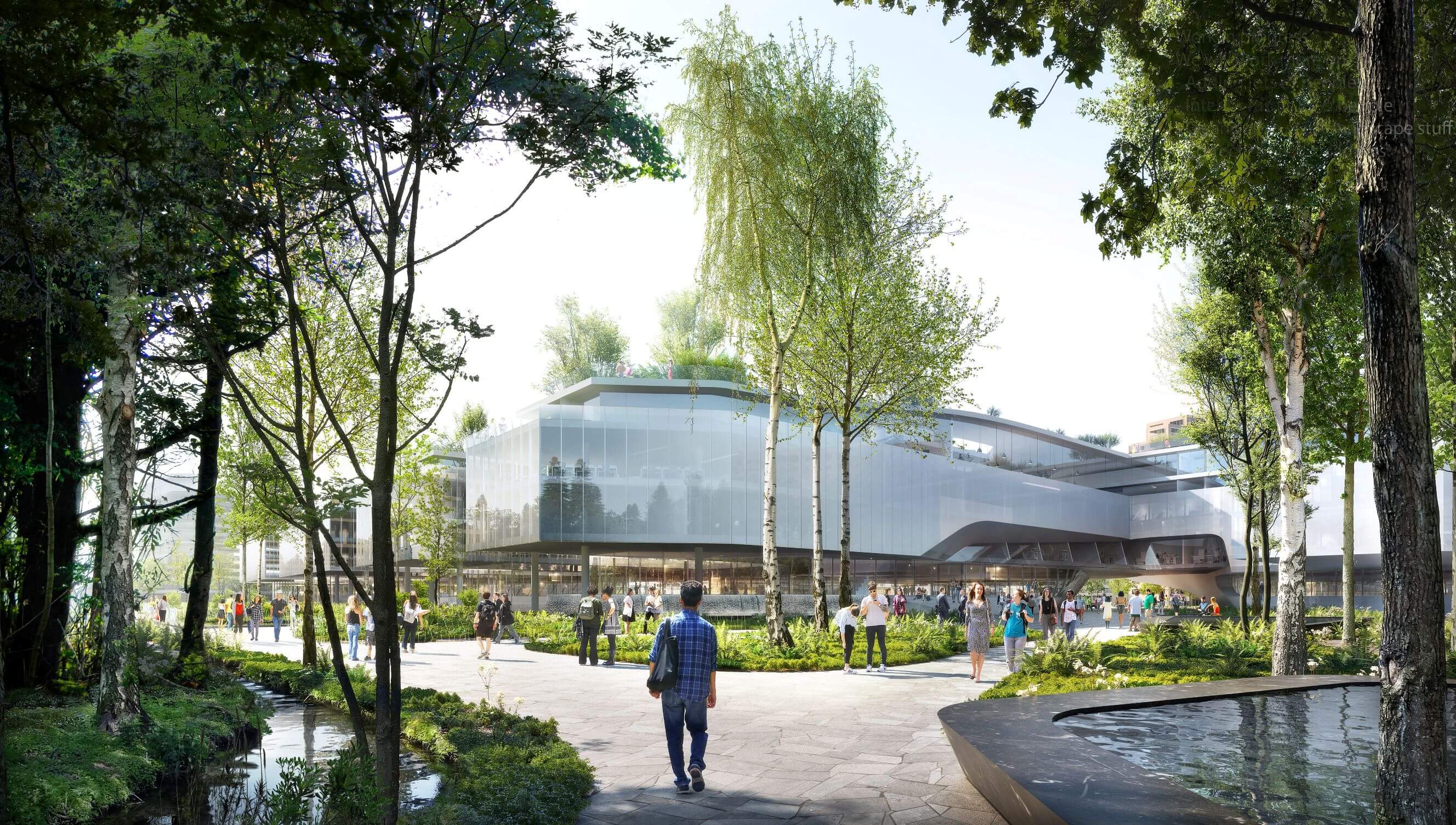
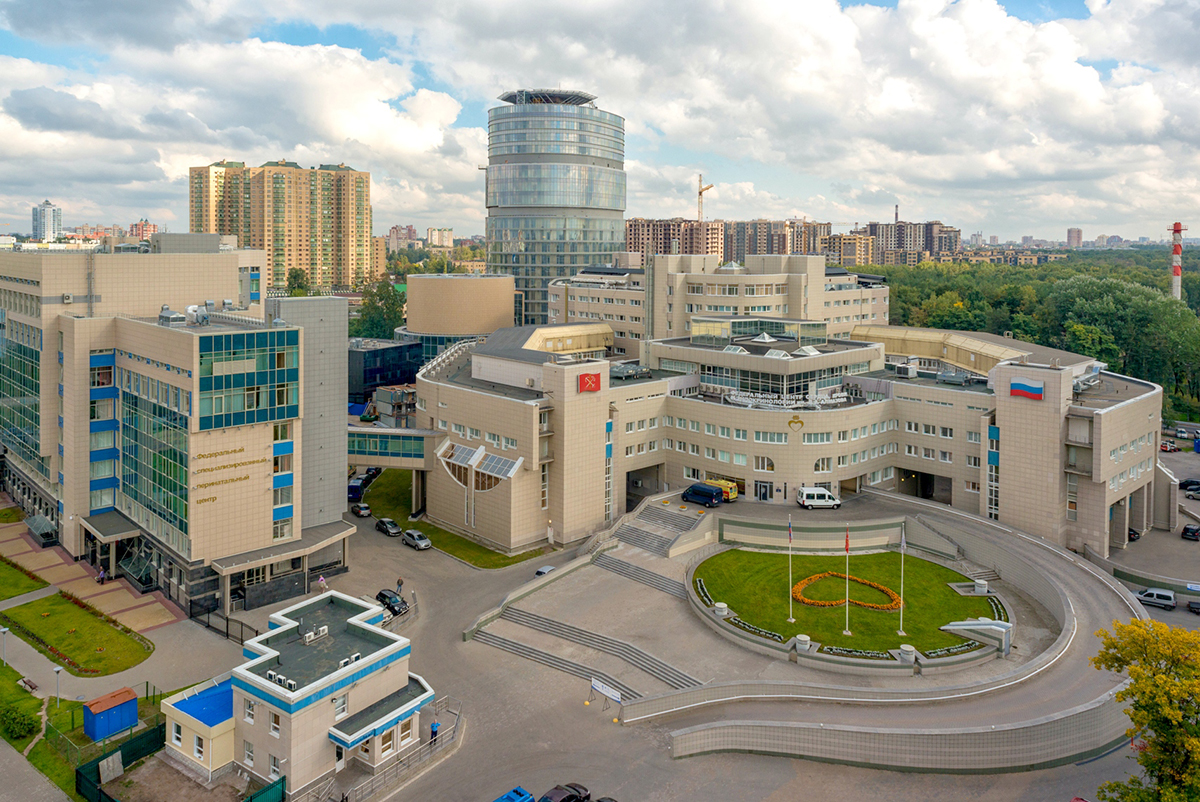
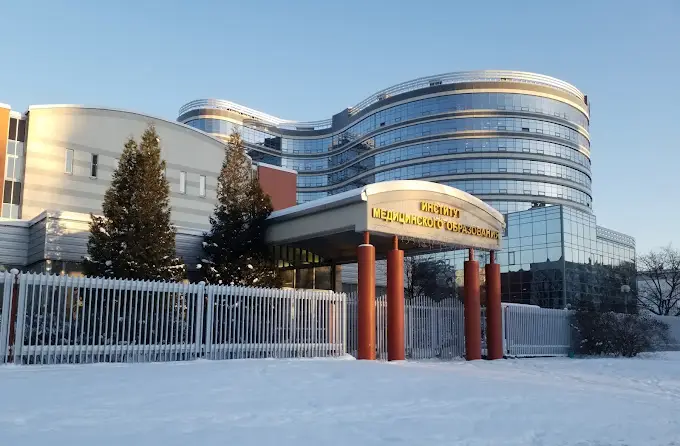
The Almazov Centre operates from an ultra-modern, specialized complex designed for integrated clinical research and education, often located outside the immediate historic city center.
Physical Infrastructure and Learning Environment
Campus Layout: The Centre features a state-of-the-art, high-rise complex integrating research labs, lecture halls, and the specialized clinical hospital.
Academic Blocks: Houses modern academic blocks with spacious Lecture Halls equipped with contemporary A/V teaching aids and conferencing systems.
Digital Classrooms: Equipped with advanced simulation platforms and smart technologies crucial for complex patient case analysis.
Research Facilities: Features extensive Central Scientific Research Laboratories with advanced molecular and genetic testing capabilities.
Simulation Centers: Maintains highly functional Simulation Centers dedicated to specialized surgical and interventional procedural training.
Anatomy Facilities: Features dedicated Anatomy Labs and dissection halls, maintained to international standards.
Central Library: Maintains a specialized Scientific Medical Library with vast digital access to global research literature.
Reading Halls: Provides quiet, dedicated reading halls for focused study.
Wi-Fi Connectivity: High-speed Wi-Fi access is guaranteed across the entire facility.
Security: The entire facility is monitored by 24/7 security personnel and advanced CCTV surveillance.
Heating & Utilities: State-of-the-art climate control systems ensure effective heating and ventilation against St. Petersburg's harsh winters.
Student Support: Dedicated departments handle international student affairs, visa management, and academic mentorship.
Internal Canteens: Multiple staff and student canteens are available, often offering subsidized meals.
Proximity: The academic areas are directly integrated with the hospital complex, providing immediate access to clinical material.
Hospital & Medical Facilities
Leading tertiary care hospital attached to the institution
The Almazov Centre Hospital is a national referral center specializing in high-complexity, advanced medical treatments and surgical procedures.
Clinical Facilities and Exposure
Total Bed Strength: Operates a large, multi-specialty, and research-focused hospital with over 1000+ teaching beds.
Specialized Focus: Recognized as the National Referral Center for Cardiology, Cardiac Surgery, and Neuro-sciences.
Quaternary Care: Provides quaternary care (the highest level of specialized medicine) for complex congenital and acquired diseases.
Advanced Units: Houses advanced specialized units, including the Perinatal Centre and various Transplant Units.
Critical Care: Features extensive Critical Care Units (ICUs) with dedicated surgical, cardiac, and neurological intensive care beds.
Surgical Exposure: High volume of specialized and complex cardiac and vascular surgeries.
Diagnostic Tools: Equipped with the latest generation of advanced imaging technologies (PET-CT, 3T MRI, SPECT).
Clinical Training Model: Training focuses on evidence-based medicine and case studies of rare/complex pathology.
Faculty Oversight: Clinical training is directly supervised by highly specialized surgeons and researchers.
Patient Load: While focused on complexity, the hospital attracts a high referral load from across Russia.
Fee Structure
State University Affordability
As a federal institution, the fees for international students are moderate to high, reflecting the specialized infrastructure.
Financial Commitments
Annual Tuition Fee: Approx. $5,500 – $7,500 USD per year.
Total 6-Year Tuition: Approx. $33,000 – $45,000 USD (total academic fee).
Payment Mode: Fees are payable annually in USD or the Russian Ruble (RUB) equivalent.
Tuition Stability: Fees are generally stable, being set by the federal institution.
Hostel Fees (Annual): Approx. $800 – $1,500 USD per year (residential rent).
Mandatory Medical Insurance: Approx. $250 – $400 USD per year.
Mandatory Visa/Residency Permit Fee: Approx. $150 – $300 USD per year.
Initial Registration Fee: A small, non-refundable one-time enrollment fee is collected in the first year.
Caution Deposit (Refundable): A refundable caution deposit is collected once (amount varies).
No Capitation Fee: Absolutely no non-refundable capitation fees are charged.
City Details
St. Petersburg is Russia's cultural capital, a historic metropolis renowned for its architecture, arts, and strong academic environment.
Life in St. Petersburg
General Atmosphere: St. Petersburg is a city of grand imperial architecture, vast canals, and rich artistic history, often referred to as the "Venice of the North."
Safety Profile: Considered safe for students, though standard caution in busy urban/tourist areas is advised. Public security is robust.
Student Life: Features an exceptionally active and intellectually stimulating student life, with access to world-class museums, opera, and theaters.
Climate: Experiences a cold, maritime continental climate, with long, gray, snowy winters and moderately warm summers.
Transportation: Boasts an efficient, deep Metro system and extensive bus and tram networks, making city navigation easy and affordable.
Local Transport Cost: Public transport is highly affordable.
Famous Food: Local cuisine includes Borscht (beetroot soup), Pelmeni (dumplings), and Pirozhki (stuffed buns).
Indian Food Accessibility: The city has a moderate to high number of Indian restaurants and grocery stores catering to the expat and student population.
Currency: The local currency is the Russian Ruble (RUB).
Cost of Living: The cost of living is moderate; generally lower than Moscow but higher than smaller Russian cities.
Hostel & Mess
Residential living is provided in specialized hostels tailored for students and staff of the research centre.
Residential Details
Hostel Policy: On-campus or affiliated off-campus residency is usually available for international students.
Accommodation Type: Rooms are located in secure, well-maintained dormitory blocks or affiliated residences.
Room Configuration: Primarily 2-seater or 3-seater shared occupancy.
Furnishings: Rooms include beds, study desks, chairs, and dedicated storage.
Security: Hostels maintain robust 24/7 security staff presence and monitored entry/exit points.
Heating System: Equipped with highly effective centralized heating systems throughout the academic year.
Kitchen Facilities: Common, well-equipped kitchen areas are provided on each floor or wing, suitable for self-cooking.
Mess System (Self-Catering): The standard model is self-cooking.
Dietary Control: This system allows Indian students complete adherence to specific dietary requirements.
Study Halls: Dedicated, quiet Study Halls/Reading Rooms are provided within the hostel blocks.
Miscellaneous
Key Student Obligations & Career Pathways
Admission Selection: Highly competitive, based on NEET UG merit and the institutional application process.
No Service Bond: No mandatory service bond or financial penalty is imposed by the university or the Russian government.
Internship Requirement: Mandatory 1-year internship must be completed in a clinical base in Russia as part of the 6-year Specialist degree structure.
NExT Eligibility: Graduates must successfully complete the 6-year duration and pass the NExT to secure a license to practice in India.
Visa Requirements: Requires annual student visa and residency permit renewal coordinated through the Centre's international division.
Language Requirement: Mandatory language training (Russian) is integrated into the curriculum, essential for clinical interaction.
Part-Time Work: Generally restricted on international student visas.
Postgraduate Options: Excellent pathways to advanced Residency (Ordinatura) programs in specialized fields within the Almazov Centre itself.
Academic Calendar: The session typically commences in September.
Security Escort: Initial arrival often includes a mandatory airport pick-up and secure escort to the hostel.
Collage Images Gallery
Facilities & Campus Life

Well-equipped Library

Experienced Faculty

Computer Lab

Sports Activities

Heritage Campus


Frequently Asked Questions
Why Consult With Us?
- 15+ years of experience in medical education counseling
- 5000+ students successfully guided
- 50+ partner universities worldwide
- Free initial consultation with no obligation