
Army University of Medical Sciences Medical School

General Information
Established in 1993, AJA University of Medical Sciences is the official medical wing of the Islamic Republic of Iran Army (AJA). It is a specialized, public university under the dual supervision of the Ministry of Health and the Ministry of Defense. While its primary mission is to train medical officers for the military, it has increasingly opened its doors to civilian and international students through its international campus. It is widely respected for its rigorous discipline and expertise in Trauma, Aerospace Medicine, and Chemical Defense.
General Info
- Established: 1993.
- Primary Location: > Etemadzadeh St, Fatemi St, Tehran, Iran.
- Academic Model: Doctor of Medicine (MD).
- Structure: A 7-year program integrated with military and clinical training.
- Pre-clinical Phase (Years 1–2.5): Core medical sciences with additional modules on military medicine and emergency response.
- Clinical Phase (Years 3–5): Hands-on rotations at some of the busiest military hospitals in Tehran.
- Internship (Final Year): Intensive field and clinical rotations, including rural and military medical post assignments.
- Instruction: English for international students; Persian for domestic military tracks.
- Research Focus: National leader in War Medicine, Disaster Management, Marine Medicine, and Aviation Health.
- Admission: For international students, eligibility is based on high school PCB scores (min. 50-60%). NEET qualification is required for Indian nationals. Military candidates undergo separate physical and psychological vetting.
Campus Facilities
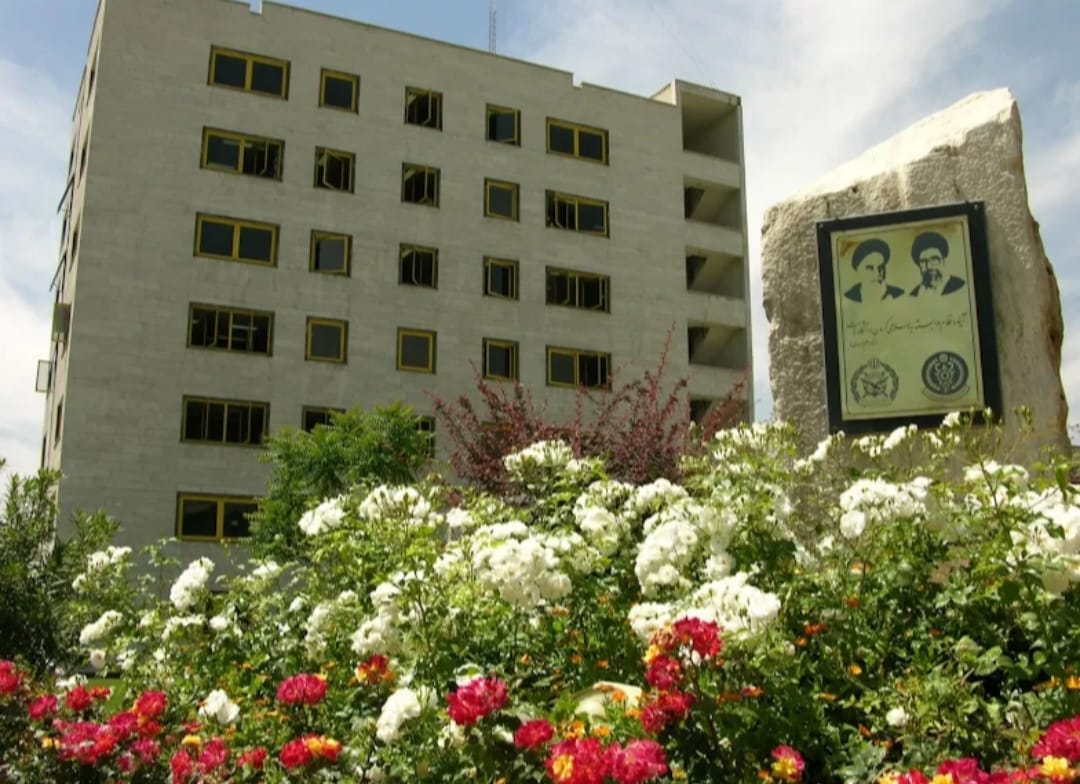
The campus is uniquely designed to accommodate both standard medical education and specialized defense training.
- Aerospace Medicine Center: A unique facility in Iran for studying the effects of high altitude and flight on the human body.
- Chemical, Biological, Radiological, and Nuclear (CBRN) Defense Lab: One of the few centers in the region specializing in medical responses to unconventional threats.
- Skills Lab & Simulation Center: Features advanced emergency simulators specifically designed for trauma and battlefield medicine scenarios.
- Marine Medicine Research Institute: Focuses on diving medicine and health issues specific to naval personnel.
- Army Medical Library: Houses a massive collection of military medicine archives alongside modern digital medical databases.
- Telemedicine Unit: Connects the central campus to remote military outposts for real-time diagnostic training.
- Military Hygiene & Preventive Medicine Lab: Focuses on epidemiology and health maintenance in crowded or temporary environments (like field hospitals).
- Disaster Management Center: A national hub for training in earthquake and large-scale emergency medical responses.
- Bio-Defense Research Hub: Dedicated to the study of infectious disease prevention and vaccine development.
- Military Sports Complex: High-tier athletic facilities designed to maintain the physical fitness standards required for army medical officers.
Hospital & Medical Facilities
Leading tertiary care hospital attached to the institution
AJAUMS students rotate through the "Army Health Network," which includes some of the most specialized hospitals in the capital:
- Besat General Hospital: The flagship teaching hospital (approx. 600 beds), known for high-tier surgery and specialized clinics.
- Imam Reza (501) Hospital: A major clinical hub specializing in internal medicine and neurology.
- Golestan (502) Hospital: Focused on cardiology and advanced cardiovascular surgeries.
- Hajar (503) Hospital: Dedicated primarily to obstetrics, gynecology, and women’s health.
- Family (504) Hospital: Serves as a major center for primary care and family medicine for military personnel and their families.
Fee Structure
State University Affordability
AJAUMS (International Campus) offers competitive pricing, often slightly lower than Tehran University of Medical Sciences (TUMS).
Scholarship
- AJA International Merit Scholarship: Reductions of 10% to 30% for students maintaining high GPAs during their clinical years.
- Strategic Partner Grants: Available for students from countries with defense and healthcare agreements with Iran.
- Research Stipends: Available for senior students contributing to the university’s war medicine and disaster journals.
City Details
- The Vibe: Located in central Tehran, the university is in the heart of a bustling metropolis. The area is dense with government buildings and medical centers.
- Connectivity:
- Tehran Metro: Very close to several major stations (Line 3 and 4), providing easy access to the rest of the city.
- BRT (Bus Rapid Transit): Reliable bus lines run along Fatemi and Valiasr streets.
- Safety: Extremely high; as a military institution, the campus and its surroundings are under constant professional security.
Hostel & Mess
- Accommodation: Separate hostels for male and female students with high security. The environment is more disciplined than civilian universities.
- Dining: The University Mess provides high-protein, calorie-balanced meals suitable for medical and physical training.
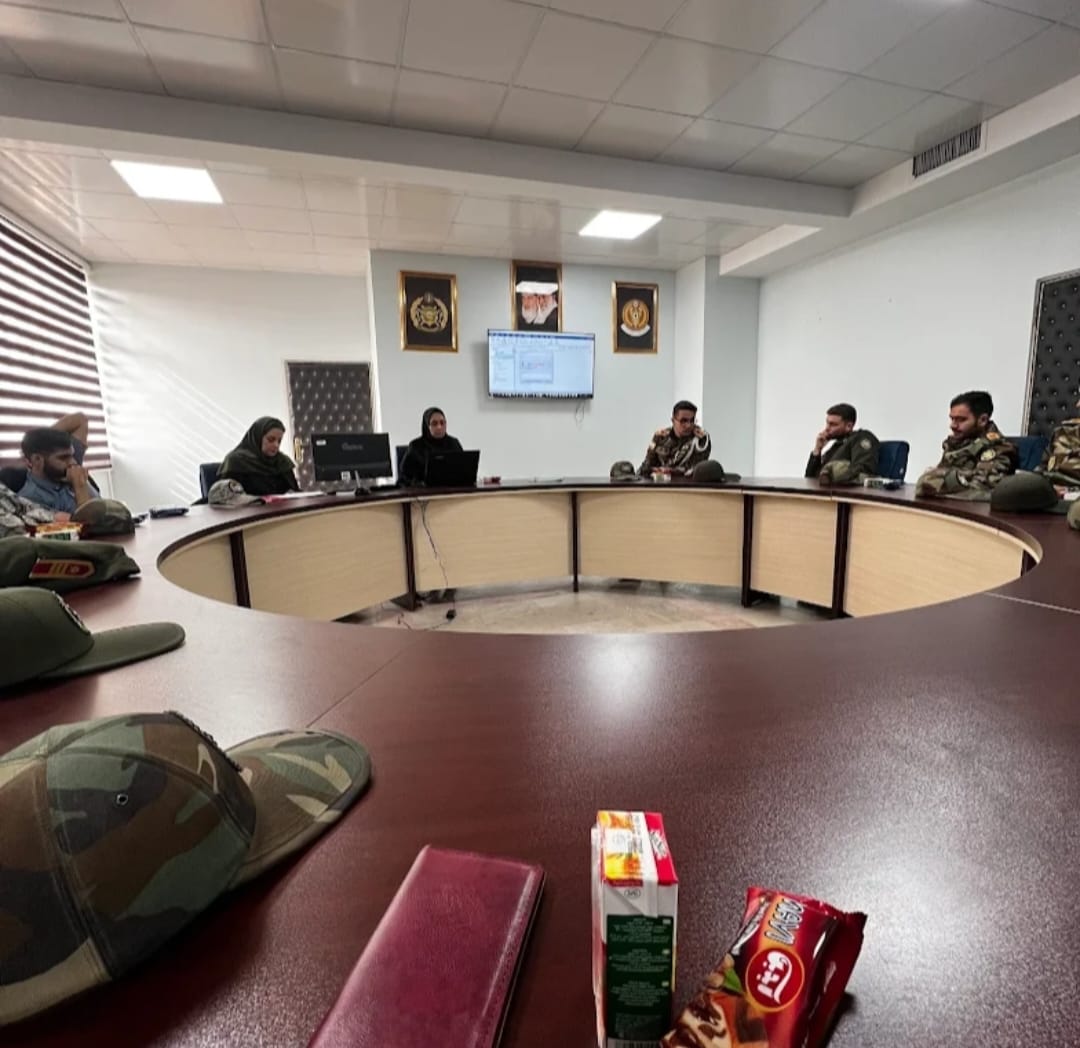
- Vibe: The campus has a "professional-military" feel. Punctuality and dress codes (often white coats with university insignias) are strictly enforced.
Miscellaneous
- Intake: Primarily September.
- Language Requirement: English for the international track; however, Persian proficiency (level A2/B1) is required before starting clinical rotations (Semesters 5+).
- Restrictions: International students are strictly non-combatants and are exempt from Iranian military service.
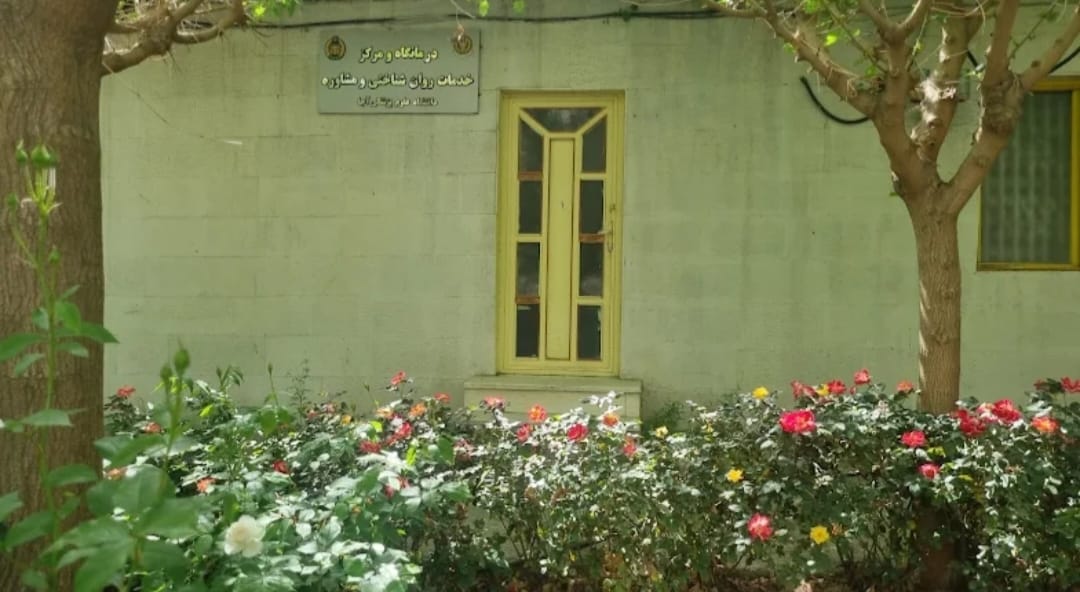
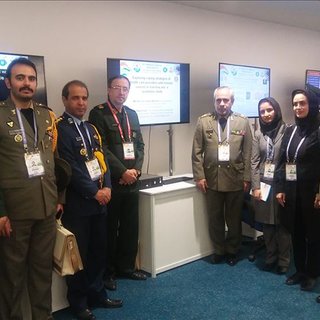
Collage Images Gallery
Facilities & Campus Life

Well-equipped Library

Experienced Faculty

Computer Lab

Sports Activities

Heritage Campus


Frequently Asked Questions
Why Consult With Us?
- 15+ years of experience in medical education counseling
- 5000+ students successfully guided
- 50+ partner universities worldwide
- Free initial consultation with no obligation