
B.P. Koirala Institute of Health Sciences

General Information
The B.P. was founded in 1993. The Koirala Institute of Health Sciences (BPKIHS) is an independent university that teaches health sciences and is a symbol of cooperation between Nepal and India. The institute is named after Bishweshwar Prasad Koirala, a visionary leader from Nepal. The Government of India gave a lot of money to help build it. It is in the peaceful sub-metropolitan city of Dharan in Eastern Nepal and is thought to be one of the best medical schools in the SAARC region.
General Information
- Buddha Road, Dharan, Sunsari District, Nepal, is the main address.
- Degree Given: M.B.B.S. A 5.5-year program with a 1-year internship.
- The language of instruction is English.
- Accreditation: The Medical Council of Nepal, the National Medical Commission (NMC) of India, and the Sri Lanka Medical Council all recognize it.
- Recognition: The World Directory of Medical Schools (WHO) lists it, and graduates can take the USMLE and PLAB exams.
- Requirements for Admission:
- To be eligible, you need to have at least 50% in Physics, Chemistry, and Biology (PCB) in Class 12.
- Entrance Exams: Indian students must pass the NEET. The Medical Education Commission (MEC) of Nepal handles admissions.
- Intakes: Usually happens after the September intake cycle.
Campus Facilities
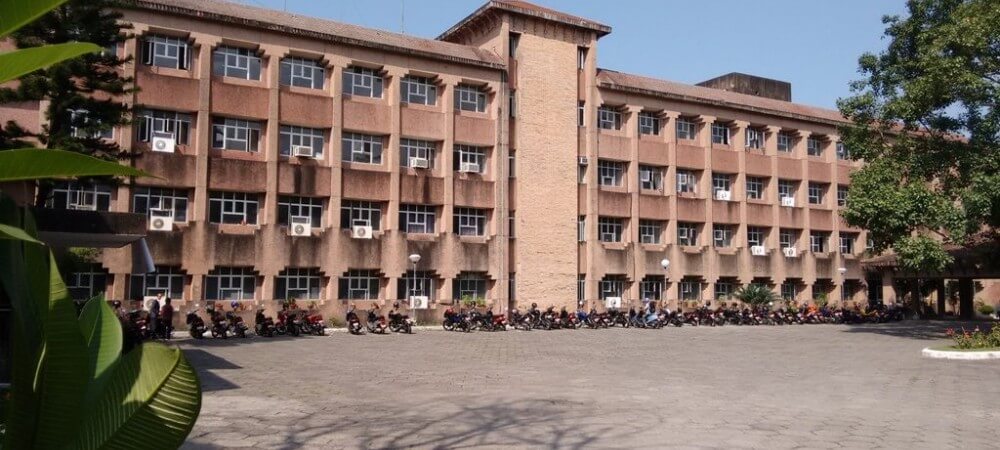
The BPKIHS campus is a large, self-contained township that people in the area call "Ghopa Camp." It has modern medical facilities and beautiful natural surroundings.
- The Autonomous University Complex is a large area that has four colleges: Medical, Dental, Nursing, and Public Health.
- Central Library: A huge building with more than 14,000 medical books and journals, as well as a reading room that is open 24 hours a day for students and faculty.
- Skill Lab & Simulation Center: This place has high-tech manikins and medical simulators that let you practice clinical skills before going to the hospital.
- The E-Learning & ICT Center has labs with high-speed internet that let students access international medical databases and research portals.
- Auditorium and amphitheater: There is a big, modern auditorium and an outdoor amphitheater for cultural events and academic ceremonies.
- Golf Course and Sports Complex: The campus has its own golf course, as well as places to play football, cricket, basketball, and work out.
- Research Centers: The Kala-azar Project is a specialized project here, and there are also advanced labs for studying tropical and infectious diseases.
- Anatomy Dissection Hall is a big, well-ventilated room where students can study gross anatomy, which is an important part of the pre-clinical curriculum.
- Safety and security: The campus is gated and has security guards on duty 24 hours a day, seven days a week. Hostels have electronic keycard access, and there are emergency hotlines.
- Utility Services: The campus is like a small city with its own bank, ATMs, post office, and co-op stores.
Hospital & Medical Facilities
Leading tertiary care hospital attached to the institution
The BPKIHS Teaching Hospital is the biggest tertiary healthcare center in Eastern Nepal. It is a lifeline for the region and nearby Indian states.
- 700+ Bed Teaching Hospital: A huge hospital that sees a lot of patients (over 1,000 OPD visits every day).
- Maternal and Child Health (MCH) Building: A new 400-bed hospital just for pediatrics and obstetrics.
- Specialized Units: This includes a cutting-edge Coronary Care Unit (CCU), Intensive Care Units (ICU), and advanced dialysis services.
- Diagnostic Imaging: Has modern MRI, CT scan, C-arm, and mobile X-ray machines.
- Teaching District Concept: The school provides services to district and zonal hospitals in eight districts, giving students a wide range of community-based learning opportunities.
Fee Structure
State University Affordability
BPKIHS offers a high-quality education at a lower cost than other private colleges in India.
Funding
- Government Quota: A lot of seats are set aside for Nepali students who get full government scholarships.
- MEC Quota: Both Indian and international students can get seats through the competitive MEC entrance process.
- In-Service Support: Medical graduates who have worked in primary health centers have a better chance of getting into certain postgraduate programs.
City Details
- The Vibe: Dharan is a beautiful sub-metropolitan city at the foothills of the Mahabharat Range. It is known for its cleanliness, pleasant weather, and proximity to hill stations like Bhedetar.
- Connectivity:
- Air: The nearest airport is Biratnagar Airport (BIR), which is about 40 km (1-hour drive) from the campus.
- Road: Dharan is well-connected by bus and taxi services. It is a major hub for eastern Nepal, with easy road access to the Indian border (Jogbani/Forbesganj).
Hostel & Mess
- Mandatory Residency: All students must live in the hostels on campus to create a focused academic atmosphere.
- Hostel Facilities: Separate, fully furnished hostels for boys and girls, each with its own mess hall and common areas for recreation.
- Eating: Canteens serve both vegetarian and non-vegetarian Indian and Nepali food that is known for being clean and cheap.
- Cultural Diversity: The campus is a mix of cultures, with a lot of Indian students, which makes it feel like a "home away from home."
- Recreation: Students plan a lot of different events, like "Research Culture Days," festivals, and community service projects, in addition to sports.
Miscellaneous
- MCI/NMC Recognition: Since the 1990s, the MBBS degree from BPKIHS has been recognized by the Medical Council of India, making it a top choice for Indian students.
- Interdisciplinary Learning: The integration of Medical, Dental, and Nursing colleges allows for a holistic team-based approach to healthcare education.
Collage Images Gallery
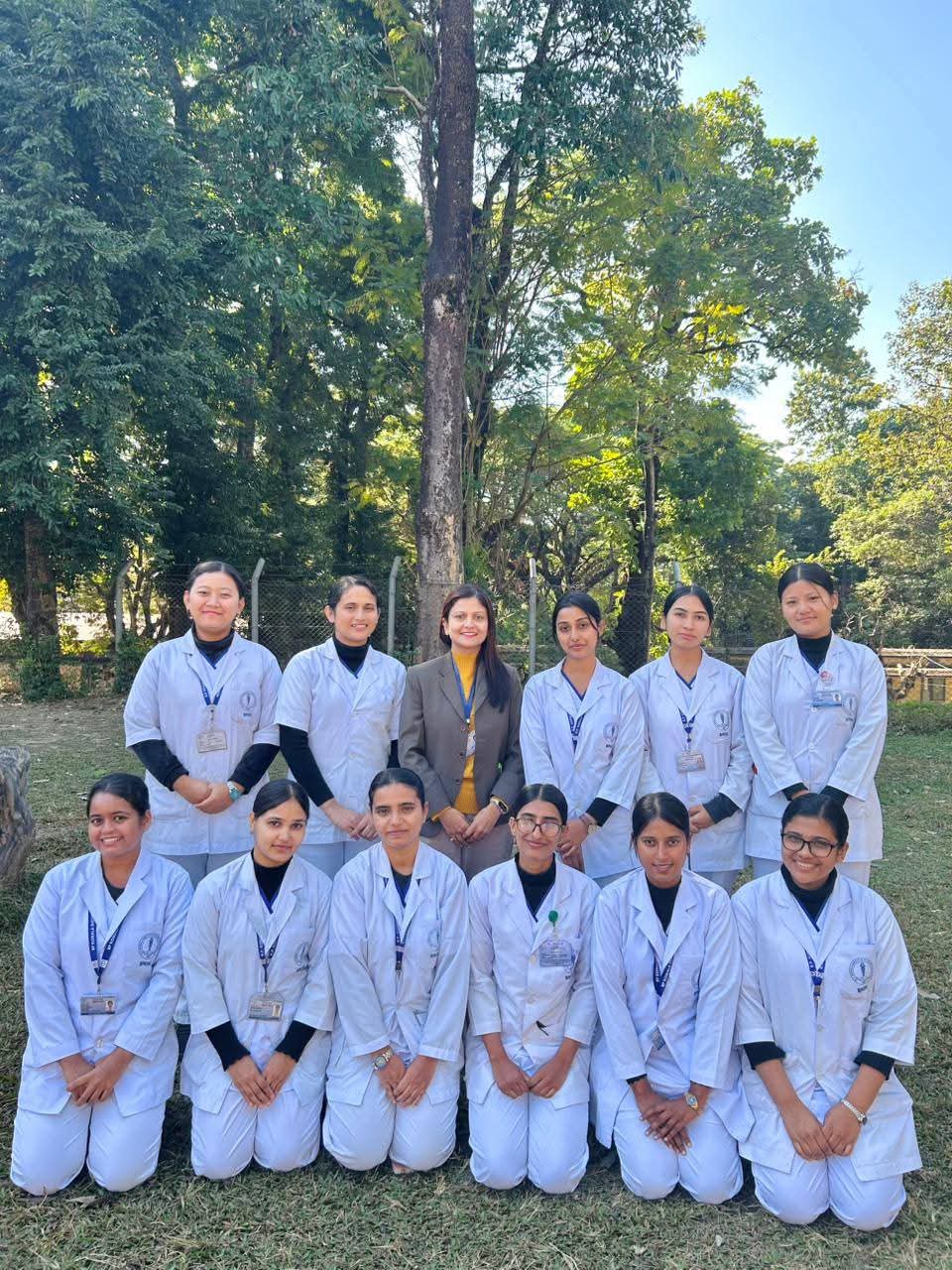
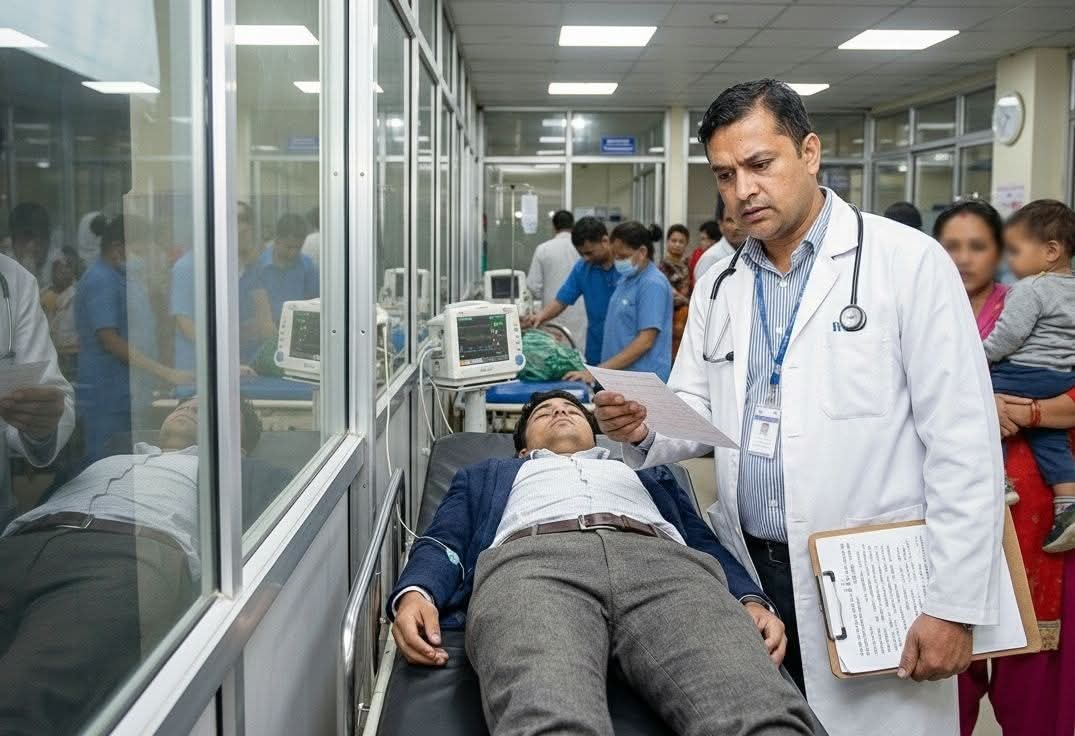
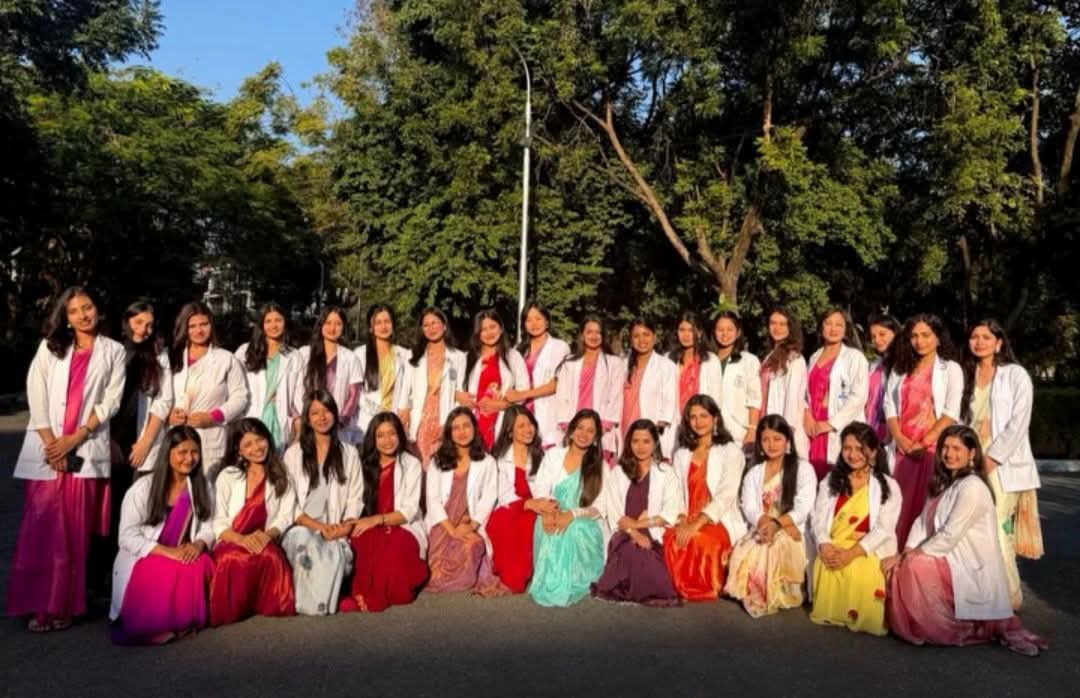
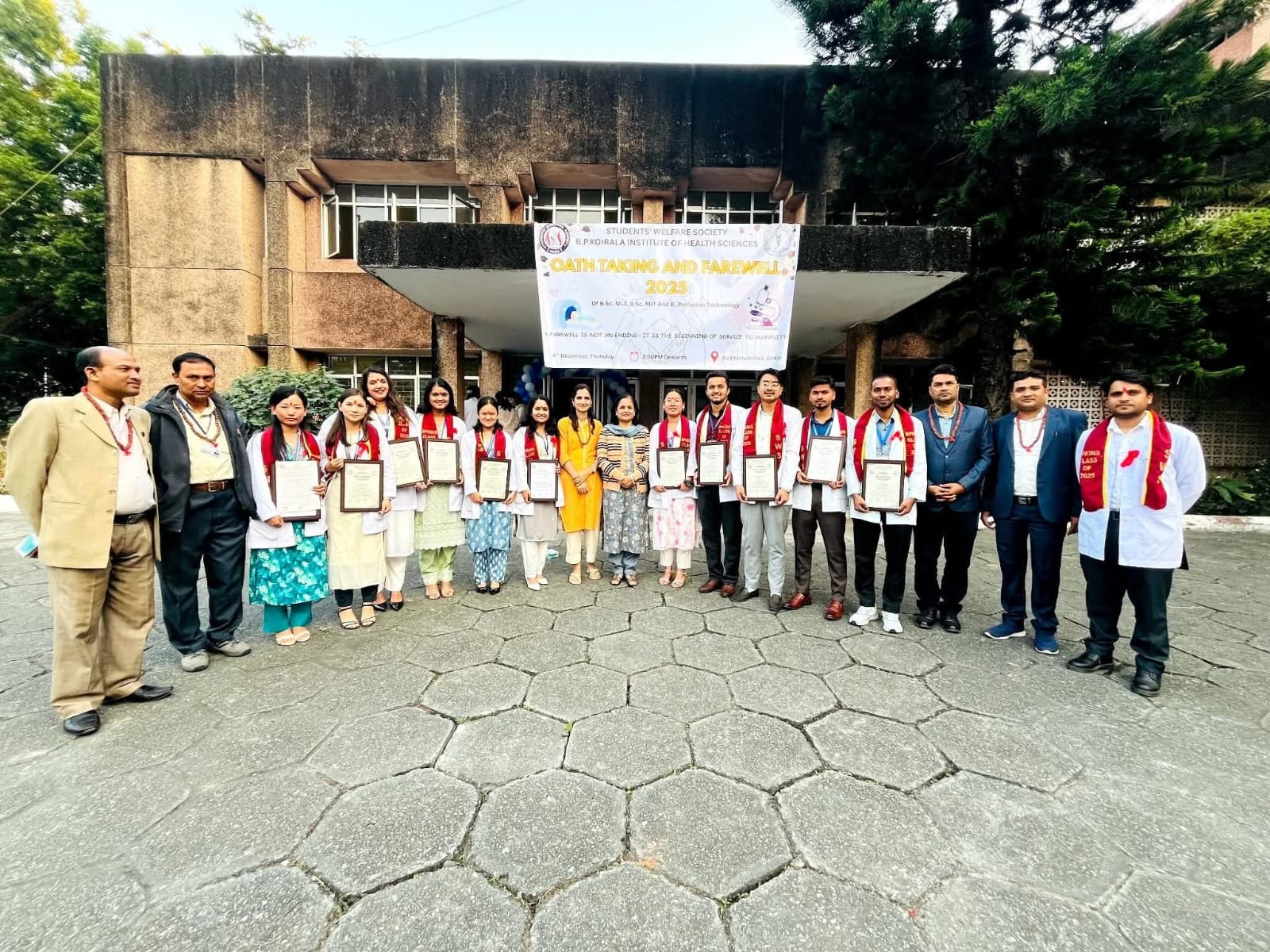
Facilities & Campus Life

Well-equipped Library

Experienced Faculty

Computer Lab

Sports Activities

Heritage Campus


Frequently Asked Questions
Why Consult With Us?
- 15+ years of experience in medical education counseling
- 5000+ students successfully guided
- 50+ partner universities worldwide
- Free initial consultation with no obligation