

Charité-Universitätsmedizin Berlin Medizinische Fakultät

General Information
Charité – Universitätsmedizin Berlin is one of the largest and most research-intensive university hospitals in Europe. It serves as the joint medical faculty for both the Humboldt-Universität zu Berlin and the Freie Universität Berlin. With a legacy involving more than half of all German Nobel Prize winners in Physiology or Medicine including Emil von Behring, Robert Koch, and Paul Ehrlich it is a global epicenter for medical excellence.
General Info
- Established: 1710 (Originally founded as a plague house; became a university clinic in 1810).
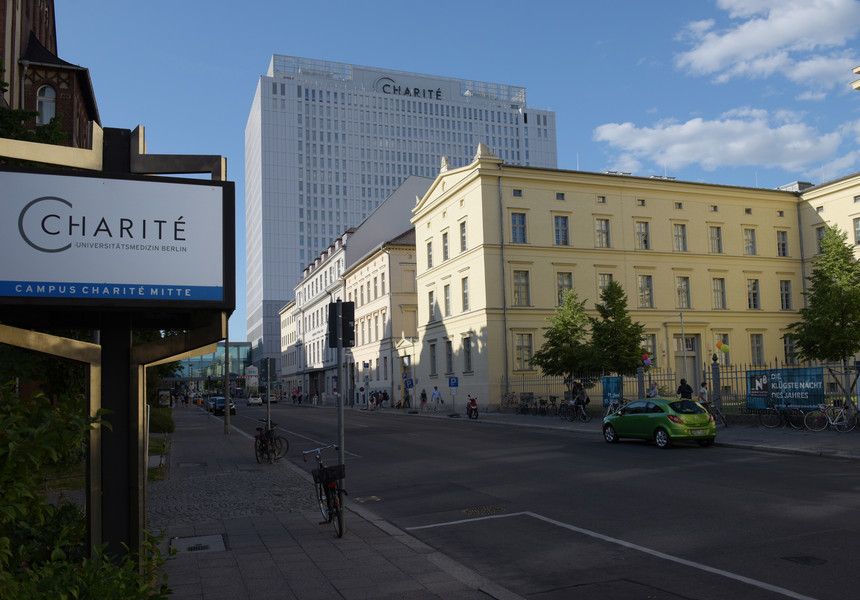
- Location: The faculty is spread across main campuses in Berlin, with the primary headquarter at:
Charitéplatz 1, 10117 Berlin, Germany (Campus Charité Mitte) - Academic Model: Modellstudiengang Medizin (MCM).
Unlike the traditional German "Regular" track, Charité uses a Modular Curriculum.
Integration: Basic sciences (anatomy, biochemistry) are taught alongside clinical practice from the very first semester.
Structure: A 6.3-year program culminating in the German State Examination (Staatsexamen).
- Instruction: Primarily German. Proficiency at the C1 level (DSH-2, TestDaF 4x4, or Goethe C2) is mandatory for the medical degree.
- Admission Quota: Non-EU applicants compete within a specific 5% quota. Admission is highly restricted and based primarily on the average grade of the university entrance qualification (Abitur equivalent).
Campus Facilities
Charité operates as a "Medical City," housing 17 "CharitéCenters" and over 100 specialized clinics.
- Skills Lab (Lernzentrum): A state-of-the-art simulation center where students practice physical examinations and invasive procedures on high-fidelity mannequins and standardized patients.
- Berliner Medizinhistorisches Museum: Located on the Mitte campus, it houses the famous Rudolf Virchow specimen collection and chronicles the evolution of modern medicine.
- NeuroCure Cluster of Excellence: An interdisciplinary research center focused on neurological and psychiatric disorders.
- Berlin Institute of Health (BIH): A dedicated unit for "Translational Medicine," aimed at turning lab discoveries into clinical treatments as quickly as possible.
- Digital Anatomy Suite: Uses 3D visualization and virtual reality to augment traditional cadaveric dissection.
- Medical Library: One of the most comprehensive in Germany, with extensive physical and digital repositories across all campuses.
- Experimental and Clinical Research Center (ECRC): A joint venture with the Max Delbrück Center for Molecular Medicine focusing on cardiorenal and metabolic research.
- Rahel Hirsch Center for Translational Medicine: A newly developed hub for digital health and clinical innovation.
- Interdisciplinary Center for Palliative Medicine: A leader in end-of-life care research and student training.
- Center for Space Medicine: A unique facility collaborating with space agencies (ESA/NASA) to study human physiology in extreme environments.
Hospital & Medical Facilities
Leading tertiary care hospital attached to the institution
The hospital complex is a massive operation with approximately 3,000 beds and 15,500 staff members:
- Charité Comprehensive Cancer Center (CCCC): A top-tier center for interdisciplinary oncology.
- German Heart Center Charité (DHZC): Formed in 2023, it is one of the world’s leading facilities for cardiovascular surgery and heart transplants.
- Emergency Departments: Charité handles nearly 150,000 inpatient cases and over 700,000 outpatient cases annually.
Fee Structure
State University Affordability
Berlin public universities do not charge tuition fees for the standard Medical State Examination program. However, specialized Master's programs do have specific costs.
Scholarship
- Deutschlandstipendium: 300 €/month for top-tier students, including international applicants.
- DAAD EPOS Scholarships: Specifically for the Master of International Health for applicants from developing countries.
- BIH MD Student Research Stipends: Up to 1,200 €/month for students dedicated to experimental doctoral research.
- CAF/Housing Subsidies: Not directly available in Germany, but student union (Studierendenwerk) housing is subsidized.
City Details
- The Vibe: Berlin is a global hub for politics, culture, and science. The "Charité aura" is felt throughout the city, especially in the historic Mitte district.
- Connectivity: Excellent. The U-Bahn, S-Bahn, and trams connect all four campuses. The Semesterticket covers all local and regional transport.
- Safety: Generally safe; the campus area is well-connected and highly active.
Hostel & Mess
- Accommodation: Managed by Studierendenwerk Berlin.
- Dormitories: Prices range from 300 € to 550 €/month.
- Private WGs (Flatshares): The standard in Berlin, costing 500 € - 850 €/month.
- Dining: Each campus has a "Mensa" (University Canteen). A full meal costs between 2.50 € and 6.00 €.
- Cost of Living: Total monthly budget (housing, food, insurance): 950 € - 1,300 €.
Miscellaneous
- Application Portal: International students (non-EU) must apply via uni-assist.
- APS Certificate: Mandatory for applicants from India, China, and Vietnam.
- Language Requirement: The "Modellstudiengang" includes intensive "Doctor-Patient Communication" modules that require near-native fluency.
Collage Images Gallery
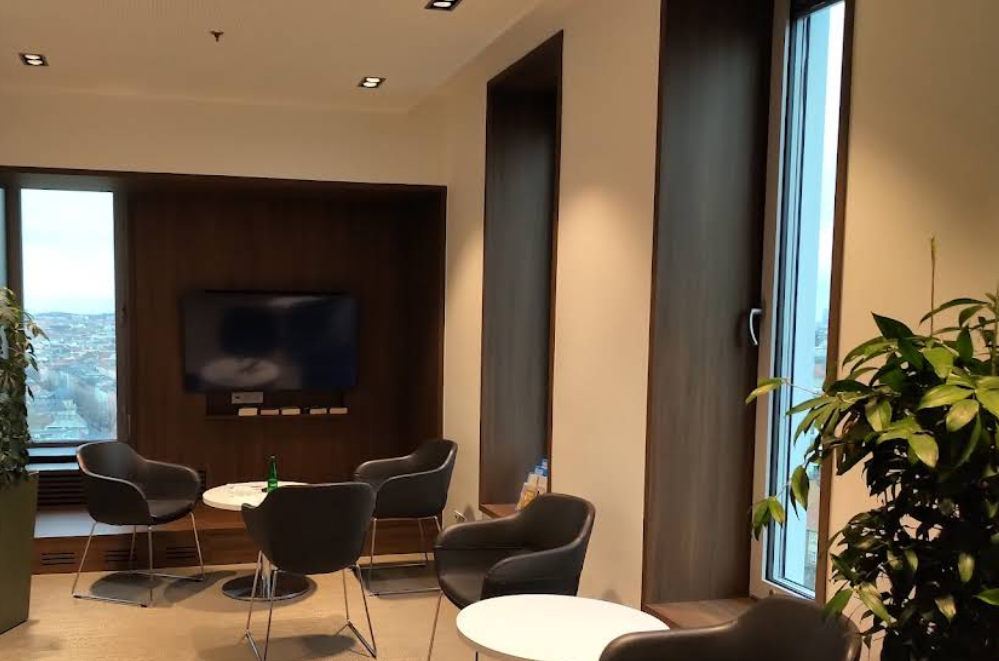
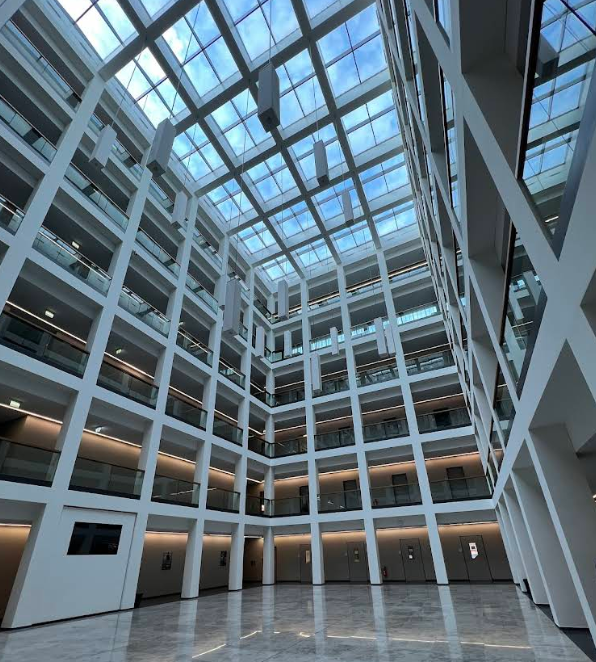
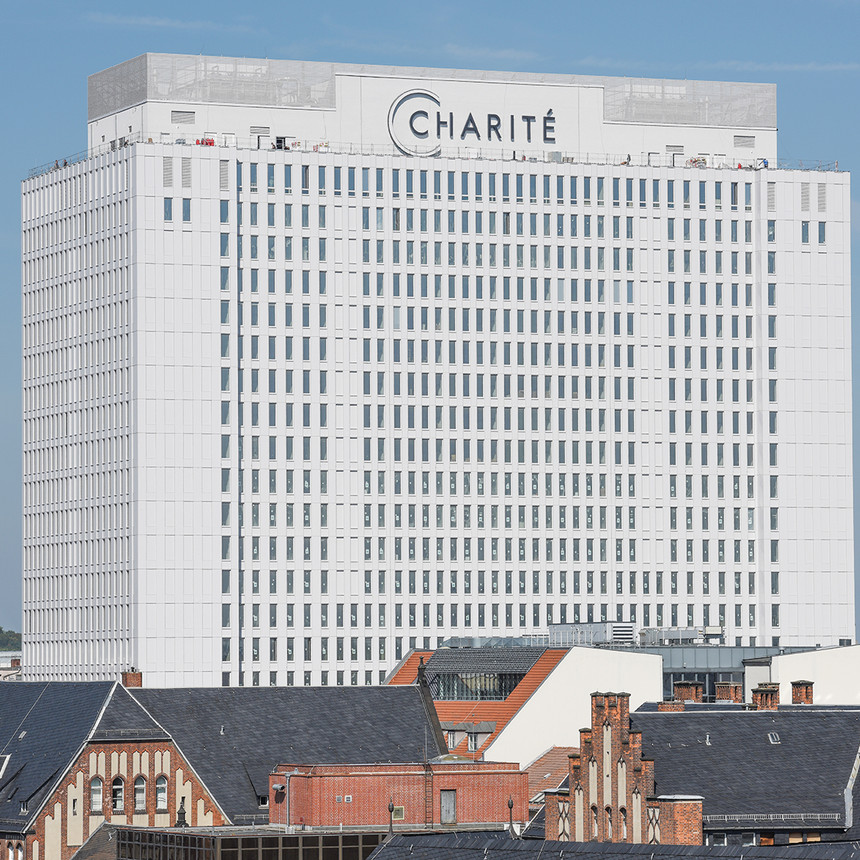
Facilities & Campus Life

Well-equipped Library

Experienced Faculty

Computer Lab

Sports Activities

Heritage Campus


Frequently Asked Questions
Why Consult With Us?
- 15+ years of experience in medical education counseling
- 5000+ students successfully guided
- 50+ partner universities worldwide
- Free initial consultation with no obligation