

Darkhan-Uul Medical College

General Information
The Darkhan-Uul Medical School, which was founded in 1969 as the Nursing Technical School, is a well-known part of the Mongolian National University of Medical Sciences (MNUMS). The college is in Darkhan, Mongolia's third-largest city. It has grown from a place to learn a trade to a full-fledged medical school. It is well-known for its specialized programs in nursing, midwifery, and traditional medicine, and it is essential for teaching people in northern Mongolia about healthcare.
General Information
The main address is 130 First Street of Jargalant, 13th Bag, Darkhan Soum, Darkhan-Uul Province, Mongolia.
Affiliation: A part of the Mongolian National University of Medical Sciences (MNUMS).
Degree: Bachelor of Medicine (MD), Nursing, Pharmacy, and Traditional Medicine.
Language of Instruction: Mostly Mongolian, but some international programs and materials are also available in English and Russian.
Accreditation: The Mongolian Ministry of Education and Science recognizes it, and ENQA-recognized agencies give it international accreditation as part of the MNUMS network.
Acceptance:
The Physician program lasts six years, which includes an internship.
Eligibility: Admission is competitive, based mostly on scores in Biology and Chemistry on the National University Entrance Examination.
About 1,000 students and 60 teachers make up the student body.
Campus Facilities
The campus is a well-known academic center in Darkhan-Uul that has recently undergone a lot of modernization.
- The new 8-story hospital and academic building will house a 50-bed university hospital and modern classrooms. The project started in 2023.
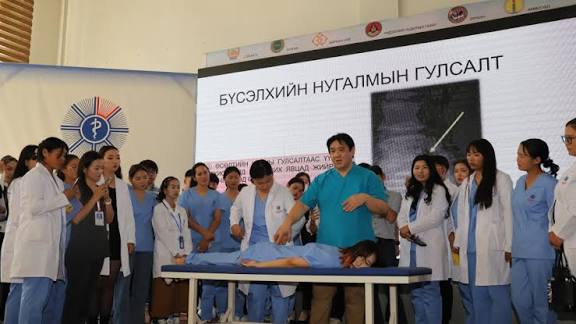
- Advanced Simulation: has clinical skill centers where students use medical manikins and AI-powered tools to practice diagnosing patients.
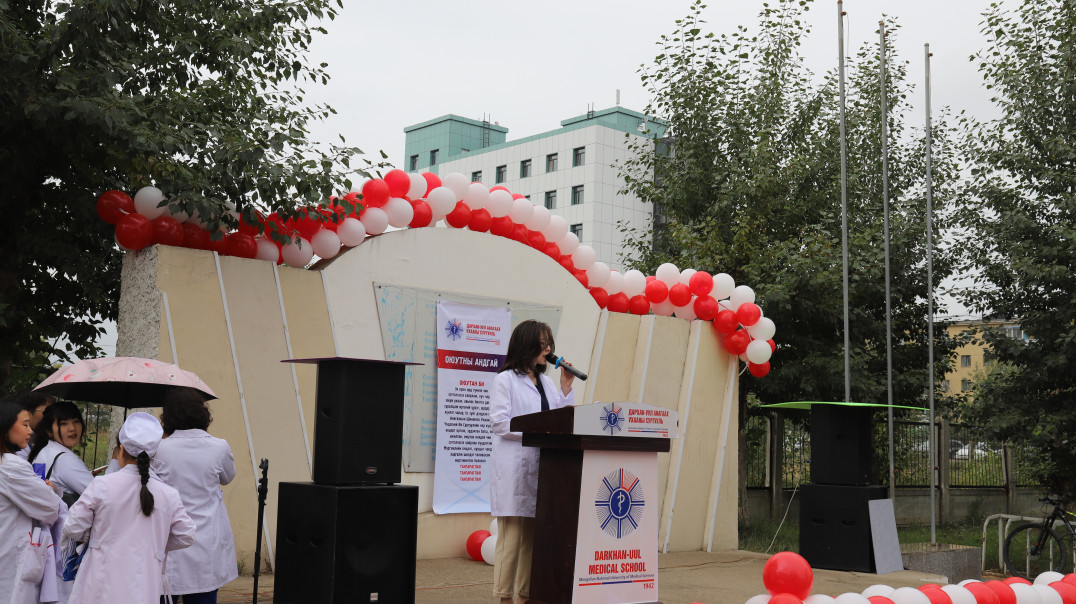
- Research Focus: Hosts the "Academic Conference Darkhan" and other events every year to encourage student and faculty research in public and clinical health.
- Sports Facilities: This includes a newly remodeled gym and outdoor areas for recreation.
Hospital & Medical Facilities
Leading tertiary care hospital attached to the institution
The school operates its own clinical hospital and maintains strong ties with regional health centers.
- The "Saikhan Setgel" Hospital is an affiliated clinical hospital that opened in 2014. It specializes in surgery, internal medicine, obstetrics and gynecology, pediatrics, and surgery.
- The 50-bed expansion of the New University Hospital aims to bring Japanese-style hospital management and the latest medical technology to the Darkhan region.
- Community Service: The school's clinical teams give specialized care to elderly and disabled people in the area, giving students early hands-on experience in a clinical setting.
Fee Structure
State University Affordability
The government sets the fees for the public branch of MNUMS, which are significantly lower than those of private international medical programs.
Funding
- Government Loans: Mongolian students can get money from the National Education Loan Fund.
- Excellence Incentives: MNUMS gives students with high GPAs or important research contributions a number of internal scholarships and discounts.
- International Exchange: The school works closely with Japanese nursing groups and Jichi Medical University to set up student exchange programs.
City Details
- The Vibe: Darkhan-Uul is a modern industrial city with a lot of young people living there. People often call it the "Education Hub" of Northern Mongolia.
- Connection:
- Train: The Trans-Mongolian Railway goes right to it, making it easy to get to Ulaanbaatar (about 4 hours) or the Russian border.
- Road: A well-paved highway connects the capital to the rest of the country.
- Air: For international travel, it mostly uses Ulaanbaatar's Chinggis Khaan International Airport.
Hostel & Mess
- Housing: There are dorms on campus. A big capital repair project (2.0 billion MNT) was just funded to improve the quality of life for students who live there.
- Student Organizations: There are active student councils and clubs that focus on sports, community health, and environmental issues (like World Water Day activities).
- Darkhan is a cleaner, quieter, and more industrial city than Ulaanbaatar, which makes it a good place to study medicine.
- Midwifery Excellence: The school is well-known for its high standards of maternal health education and midwifery competitions.
Miscellaneous
- Holistic Education: Beyond clinical skills, the college emphasizes ISO standards in environmental management and medical ethics.
- Career Pathways: Graduates are highly sought after for regional hospitals in northern Mongolia and are eligible for residency programs within the broader MNUMS system.
Collage Images Gallery
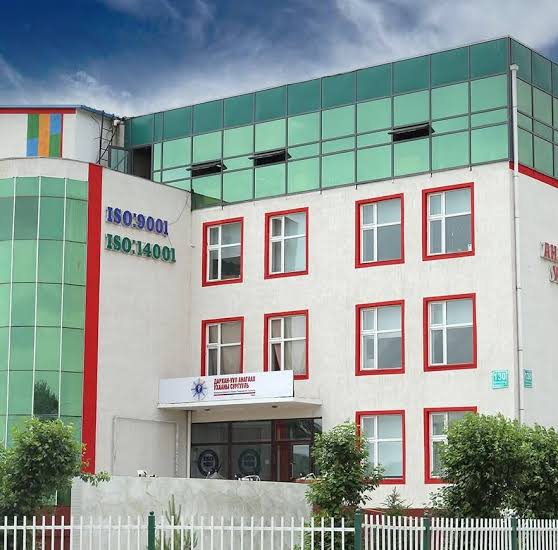
Facilities & Campus Life

Well-equipped Library

Experienced Faculty

Computer Lab

Sports Activities

Heritage Campus


Frequently Asked Questions
Why Consult With Us?
- 15+ years of experience in medical education counseling
- 5000+ students successfully guided
- 50+ partner universities worldwide
- Free initial consultation with no obligation