

Egerton University Faculty of Health Sciences
-
Egerton,
Kenya
Abroad

General Information
The Faculty of Health Sciences (FHS) at Egerton University is a major medical training hub in Kenya. It is strategically split across two locations to provide students with foundational scientific knowledge at the main campus and hands-on clinical experience in a major urban hospital setting.
General Info
- Primary Location: The faculty operates on a dual-campus system:
- Njoro Main Campus: Dedicated to pre-clinical (basic science) years.
- Nakuru Town Campus College: Located in Milimani, Nakuru, next to the Rift Valley Provincial General Hospital for clinical training.
- Degree Awarded: Bachelor of Medicine and Bachelor of Surgery (MBChB).
- Program Duration: 6 years.
- Accreditation: Recognized by the Kenya Medical Practitioners and Dentists Council (KMPDC) and listed with the Educational Commission for Foreign Medical Graduates (ECFMG), allowing graduates to pursue pathways like the USMLE.
- Mission: To train high-caliber healthcare professionals through exemplary teaching, quality research, and community outreach.
Campus Facilities
The faculty features modern facilities specifically built for medical and health sciences education.
- Human Anatomy Complex (Njoro): Houses state-of-the-art Histology and Human Anatomy laboratories.
- Ultra-Modern Funeral Home: Located at the Njoro campus, it provides essential mortuary services and acts as a teaching facility for anatomy.
- Faculty of Health Sciences Complex (Milimani): A modern academic block in Nakuru Town near the teaching hospital.
- Simulation on Wheels: An innovative mobile unit for simulation-based training in maternal, neonatal, and trauma management for rural health teams.
- Clinical Skills Labs: Facilities equipped with medical models for students to practice clinical procedures before hospital rotations.
- FHS Library: A specialized branch of the Egerton University library system located at the Nakuru Town campus.
- ICT and Research Hub: Provides access to digital databases, medical journals, and AI-driven medical research tools.
- Exchange Programs: Includes a Nutrition and Dietetics Exchange Programme with Boitekanelo College in Botswana.
- Student Union (EUSA): Actively represents health science students and organizes professional orientation events.
- Transport Services: The university provides transport for academic and clinical trips between the Njoro and Nakuru campuses.
Hospital & Medical Facilities
Leading tertiary care hospital attached to the institution
The clinical training is anchored by the partnership with the Ministry of Health:
- Rift Valley Provincial General Hospital (Nakuru): The primary teaching hospital where students perform clinical rotations in Internal Medicine, Surgery, Pediatrics, and OB-GYN.
- Nakuru County Health Facilities: Students engage in community health rotations and outreach programs at various sub-county health centers.
- Mangu Health Centre: Frequently used for community nutrition and diabetes outreach programs.
Fee Structure
State University Affordability
Tuition fees vary significantly between government-sponsored and self-sponsored (PSSP) students.
Scholarships
- HEF (Higher Education Funding): Kenyan students can apply for the new government funding model (loans and scholarships) based on their financial tier.
- Bursaries: The university and various County Governments provide bursaries for needy and high-performing students.
- Work-Study Program: Managed by the Dean of Students, allowing students to work part-time in university departments (libraries, labs) for a stipend.
- Collaboration Grants: Occasional gifting of clinical tools (like stethoscopes) through partnerships with groups like Make A Medic (UK).
City Details
- The Vibe: Nakuru is a vibrant city, recently promoted to city status, known for its agricultural roots and scenic rift valley views.
- Connectivity: * Road: Well-connected via the A104 highway to Nairobi (3 hours) and Eldoret (2.5 hours).
- Campus Link: Frequent shuttles and "Matatus" connect Njoro and Nakuru Town.
- Safety: The Nakuru Milimani area is considered one of the safest and most upscale residential zones in the city.
Hostel & Mess
- Accommodation: Pre-clinical students live in the Njoro campus hostels (e.g., Tatton, Hollywood). Clinical students reside in university-managed housing or private hostels in the Milimani area of Nakuru.
- Dining: Canteens on both campuses provide affordable, balanced meals ("Ugali-Sukuma" and "Nyama").
- Vibe: Highly rigorous but socially active. Medical students are known for their "White Coat" ceremonies and orientation programs led by Prof. Dr. S. O. Obure.
- Leisure: Students enjoy proximity to Lake Nakuru National Park and various sports activities within the university.
Miscellaneous
- Admission Requirements:
- MBChB: KCSE Mean Grade of B (Plain) with at least a B in Biology, Chemistry, Mathematics/Physics, and English/Kiswahili.
- BSc Nursing/Clinical Medicine: KCSE Mean Grade of C+ (Plus).
- Clinical Rotations: Usually begin in the 3rd year at the Nakuru Town Campus.
Collage Images Gallery
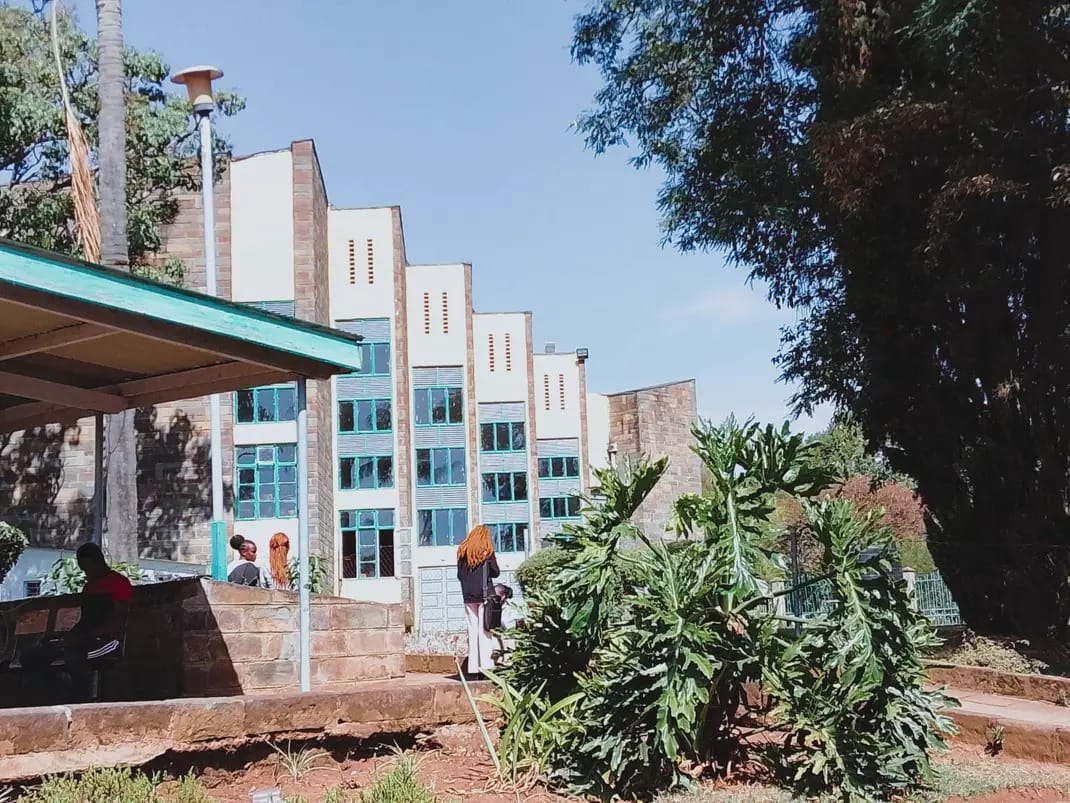

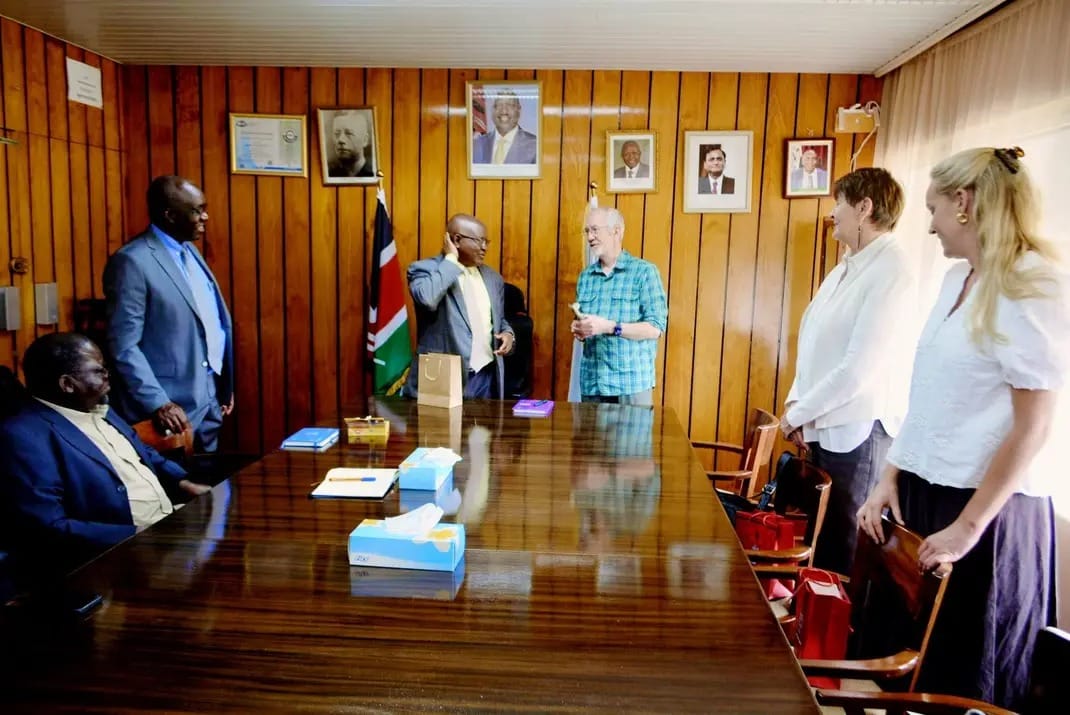
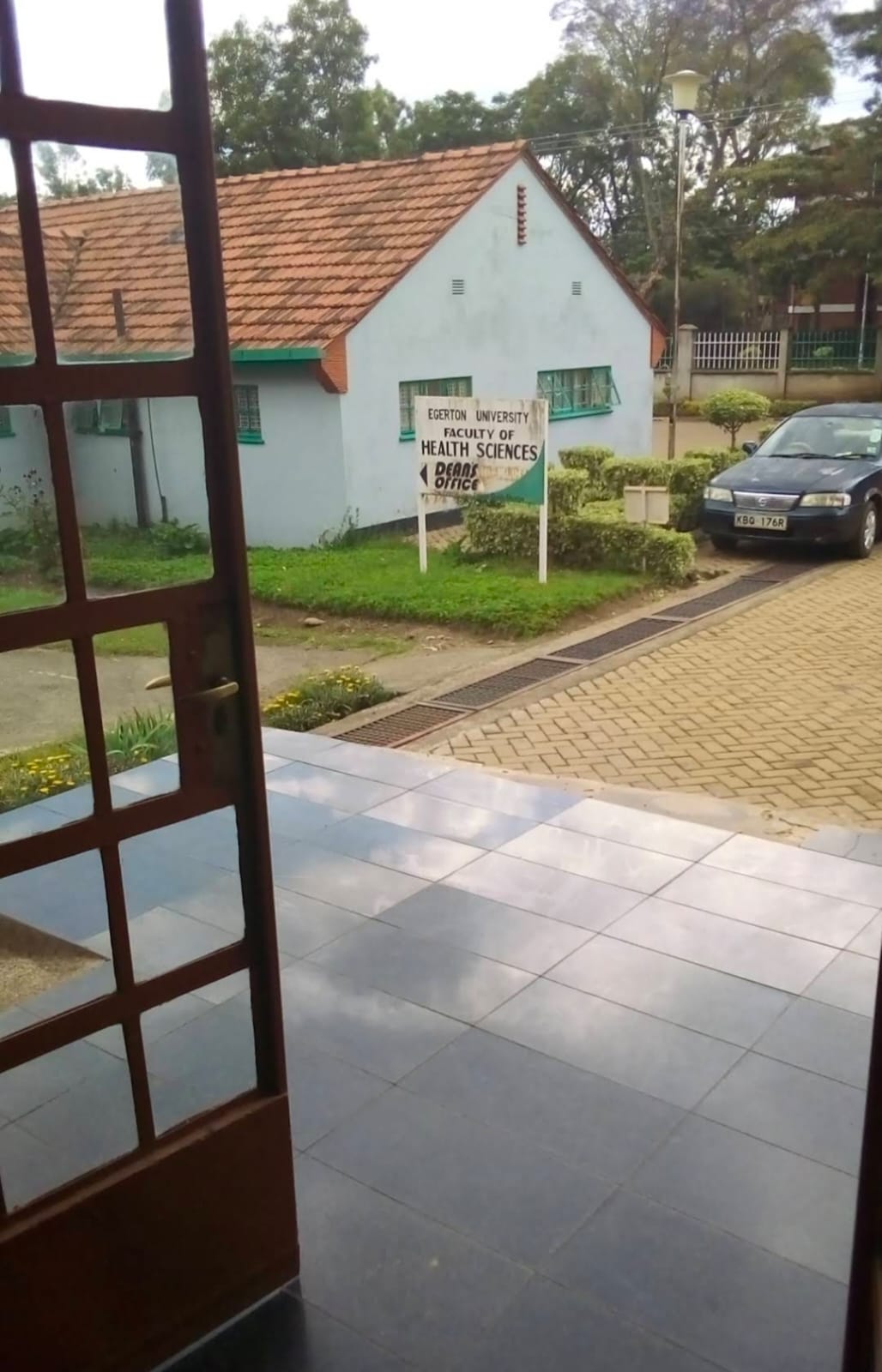
Facilities & Campus Life

Well-equipped Library

Experienced Faculty

Computer Lab

Sports Activities

Heritage Campus


Frequently Asked Questions
Answer: Yes. AMW coordinates group departure assistance and helps with flight planning. Our local representative in Uzbekistan meets students at Tashkent airport and provides transport to the university hostel. Support continues throughout the first month of your stay.
Answer: Yes. Direct flights between Delhi and Tashkent operate regularly and take under 3 hours. Most universities have structured semester breaks that allow students to visit home at least once or twice a year. AMW advises students on the academic calendar and the best travel windows.
Answer: The process is straightforward and well-defined. AMW handles the complete visa application, document preparation, attestation, and apostille. Visa approval typically takes 10–20 working days from the date of submission.
(1) Free counselling, share your score and goals. <br />
(2) We handle all documentation, applications, and visa processing. <br />
(3) You arrive at college; we provide ongoing support for all 6 years.
Our pass rate is approximately 78% compared to the national average of ~45%, because we begin structured FMGE preparation from Year 4, not after graduation.
No. Every university we recommend offers MBBS fully in English. Basic Russian is helpful for patient interaction during clinical rotations, but the degree is completed entirely in English. Basic Russian can be learned at the University campus for free.
Answer: All AMW partner universities in Uzbekistan offer English-medium MBBS programmes. A basic Uzbek and/or Russian language module is included in the first year to help students communicate with patients during clinical rotations — no prior knowledge of either language is required for admission.
Total cost for MBBS in Russia (tuition + living) is approximately ₹22–38 Lakhs over 6 years, which is much cheaper than private medical colleges in India (₹65–110 Lakhs). Exact fees vary by university
Yes, an MBBS from an NMC-approved foreign university is fully valid in India. You must clear FMGE (transitioning to NExT) to practice.
Why Consult With Us?
- 15+ years of experience in medical education counseling
- 5000+ students successfully guided
- 50+ partner universities worldwide
- Free initial consultation with no obligation