
Erasmus Universiteit Faculteit der Geneeskunde

General Information
Erasmus University Rotterdam's Faculty of Medicine, which is part of the Erasmus MC, is the largest and one of the most prestigious university medical centers in the Netherlands. It has been in its current form since 2003, but its medical roots go back to 1966. It is consistently ranked as one of the best medical schools in the world for clinical medicine and health sciences. The school is known for its "active learning" philosophy and its modern campus in the center of Rotterdam.
General Information
- Dr. Molewaterplein 40 in Rotterdam, Netherlands, is the main location.
- You get a B.Sc. in Medicine after three years and an M.Sc. in Medicine after three more years. It takes a total of six years to become a doctor.
- Language of instruction: mostly Dutch for the clinical phases of the Bachelor's and Master's degrees. Nonetheless, numerous Research Master's and PhD programs are conducted in English.
- Accreditation: The NVAO (Accreditation Organization of the Netherlands and Flanders) has given this school its stamp of approval, and the World Directory of Medical Schools has also recognized it.
- Requirements for Admission:
- To get a medical degree, you must be able to speak Dutch at a B2/C1 level (NT-2 exam).
- A diploma is the same as a Dutch VWO diploma, but it includes specific science subjects like biology, chemistry, physics, and math.
- Selection: A very competitive numerus fixus (fixed quota) selection process that includes cognitive tests and tests of how well someone can make decisions in different situations.
Campus Facilities
Erasmus MC is a "Science Park" where healthcare, research, and education are linked in both physical and mental ways.
- The Education Center is a huge, award-winning central hub with more than 400 study spots. It was made to help students work together and interact with each other.
- The SkillsLab and Simulation Center is a world-class place where students and professionals learn how to do surgery and handle emergencies with high-fidelity simulators.
- Medical Library: One of the largest medical libraries in Europe, it gives you easy access to both digital databases and physical archives.
- Integrated Hospital Campus: The medical school is physically connected to the main hospital, so students can quickly move from lecture halls to clinical wards.
- Modern Research Laboratories: The Erasmus MC Graduate School is located here and has high-tech labs for genomics, proteomics, and molecular medicine.
- Active Learning Classrooms: These are set up for small-group tutoring instead of big lectures, which fits with the "thinkers who act" philosophy.
- The Education Gallery is a special place for medical and anatomy exhibitions that bring together art and science.
- Digital Learning Environment: Uses cutting-edge platforms like Canvas to create a fully integrated, paperless learning experience.
- Roof Gardens and Public Spaces: The campus is designed with a "Healing Environment" philosophy, which means there are green spaces that are good for both patients and students.
- International Office: A dedicated support system for the thousands of international Master's students and researchers who come to study here each year.
Hospital & Medical Facilities
Leading tertiary care hospital attached to the institution
Erasmus MC is a leading tertiary referral center for the most complex medical cases in the Netherlands.
- 1,300+ Bed Capacity: The largest academic hospital in the country, treating hundreds of thousands of patients annually.
- Trauma Center Level 1: One of the busiest emergency and trauma facilities in Europe.
- Sophia Children’s Hospital: A world-renowned pediatric wing integrated within the campus, providing specialized neonatal and pediatric intensive care.
- Erasmus MC Cancer Institute: A leading European center for oncology research and treatment, including advanced proton therapy.
Fee Structure
State University Affordability
Fees at Erasmus University are categorized into Statutory Fees (for EU/EEA students) and Institutional Fees (for Non-EU/EEA students). The figures below are for the academic year.
City Details
- The Vibe: Rotterdam is known as "Manhattan on the Maas" a modern, architectural powerhouse with a grit and energy unlike any other Dutch city. It is a major global port and a highly multicultural hub.
- Connectivity:
- Metro: The campus has its own metro station (Dijkzigt), connecting it to the Rotterdam Central Station in under 10 minutes.
- International: Excellent rail links to Paris, London, and Brussels via the Eurostar and Thalys.
Hostel & Mess
- Accommodation: Erasmus University does not have a traditional "on-campus" dormitory system. Students typically find housing through SSH Student Housing or the private market. Most student flats are located in the Kralingen or Centrum districts.
- Dining: The campus features multiple high-end food courts and "Grand Cafes" offering diverse international cuisine, including vegan and halal options.
- Student Associations: The MFVR (Medical Faculty Association Rotterdam) is one of the most active in the country, organizing everything from "white coat ceremonies" to international study trips.
- Erasmus Sport: Students have access to a massive sports center with over 50 different sports, located at the nearby Woudestein campus.
Miscellaneous
- Research Masters: For students who do not speak Dutch, Erasmus MC offers 2-year Research Masters in Clinical Research, Health Sciences, and Molecular Medicine entirely in English.
- Impact: The faculty is a global leader in "The Rotterdam Study," a world-famous longitudinal population study.
Collage Images Gallery
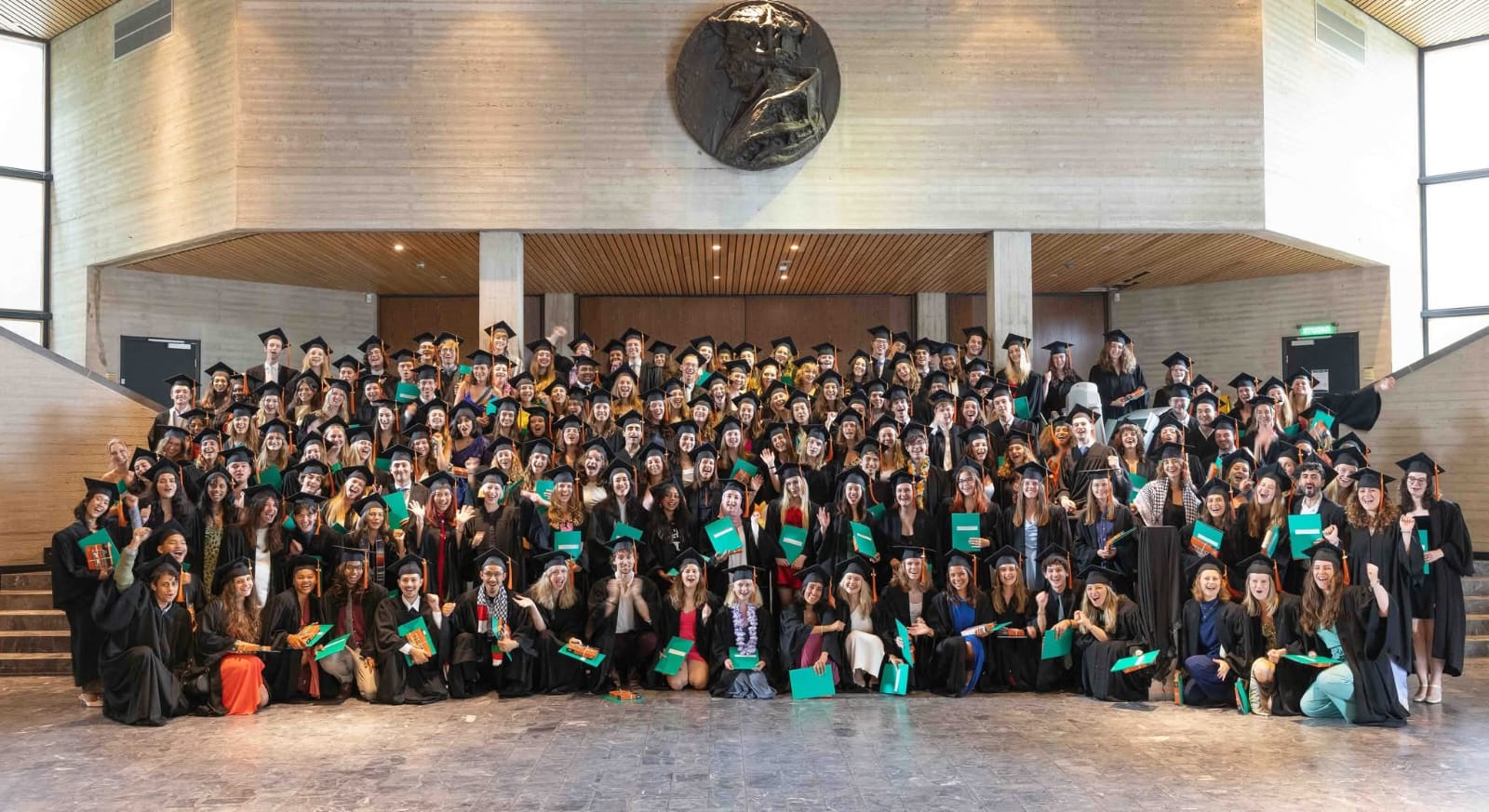
Facilities & Campus Life

Well-equipped Library

Experienced Faculty

Computer Lab

Sports Activities

Heritage Campus


Frequently Asked Questions
Why Consult With Us?
- 15+ years of experience in medical education counseling
- 5000+ students successfully guided
- 50+ partner universities worldwide
- Free initial consultation with no obligation