

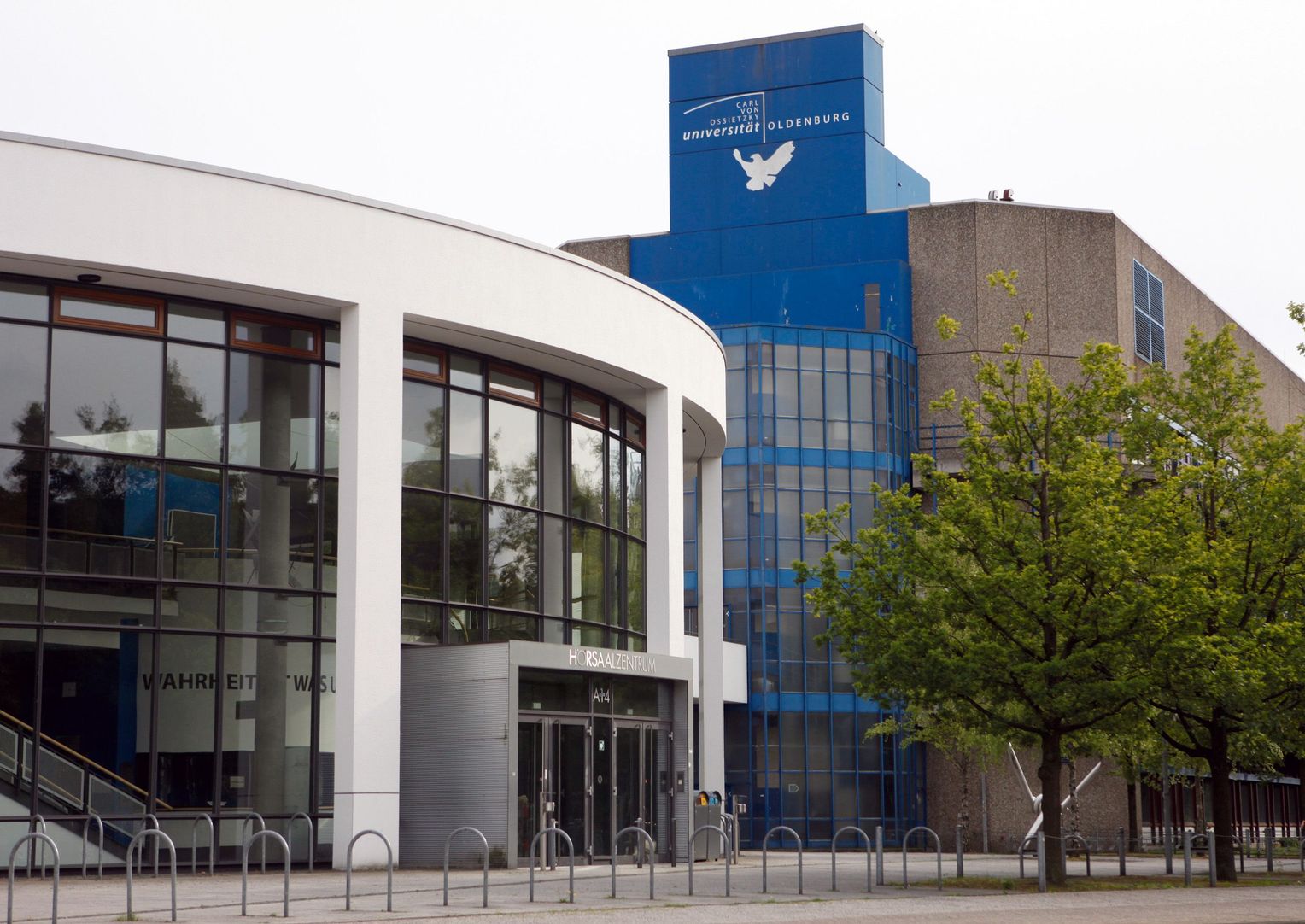
European Medical School, Carl von Ossietzky Universität Oldenburg Oldenburg

General Information
The European Medical School (EMS) is a unique cross-border collaboration between the Carl von Ossietzky University of Oldenburg (Germany) and the University of Groningen (Netherlands). It represents one of the most innovative medical education projects in Europe, aiming to train physicians for the specific needs of the Dutch-German border region through a research-oriented, patient-centered curriculum.
General Info
- Established: 2012 (A pioneer in cross-border medical cooperation).
- Location: > Ammerländer Heerstraße 114-118, 26129 Oldenburg, Germany (Main Medical Campus).
- Academic Model: Model Course in Human Medicine (Modellstudiengang).
- Structure: It follows a modular, interdisciplinary approach rather than a strict separation between pre-clinical and clinical phases.
- Cross-Border Integration: All Oldenburg students spend at least one year (usually the 3rd year) at the partner university in Groningen.
- Degree: Concludes with the German State Examination, qualifying graduates to practice across the EU.
- Instruction: Primarily German. However, due to the Groningen partnership, students are exposed to English and Dutch medical contexts during their exchange year.
- Admission: Highly competitive. International students (non-EU) must apply through uni-assist.
Campus Facilities
The faculty utilizes high-tech clinical and research hubs designed for immediate hands-on learning.
- Clinical Training Center (KTZ): A world-class simulation hub with approx. 1,500 simulators. Includes urological/gynecological trainers, birth simulators, and resuscitation dummies.
- Simulation Patient Program: A dedicated acting program where professional actors simulate patient cases to help students practice communication and diagnostics.
- IDEAAL Flat: A specialized smart-home laboratory where students and researchers test medical technologies for elderly care in a real-life apartment setting.
- Nursing Laboratory: Equipped with 3D sensors and activity recognition systems (SensFloor) to analyze movement patterns in outpatient and inpatient care.
- NeSSy (Neurosensory Research Hub): Houses unique acoustics labs, including an Anechoic Lab (no-echo) and a Vibration Lab for hearing and neurosensory research.
- Analytical Infrastructure (ICBM): Features high-end mass spectrometry (Q-ToF) and NMR Spectroscopy commissioned in 2023 for molecular-level structural analysis.
- Digital Health Lab: Focuses on mHealth (mobile health) and integrating AI tools into regional medical practice.
- Marine Geochemistry Lab: Provides students interested in research with access to Deep-Sea organic matter analysis tools.
- Joint Graduate Research Training Group: A collaborative doctoral framework between Oldenburg and Groningen.
- Medical Library (BIS): Provides 24/7 access to clinical databases and international research journals.
Hospital & Medical Facilities
Leading tertiary care hospital attached to the institution
Clinical training is conducted through University Medicine Oldenburg (UMO), a consortium of four major hospitals and a vast GP network:
- Klinikum Oldenburg: A maximum care facility (Trauma, Oncology, Pediatrics).
- Evangelisches Krankenhaus Oldenburg: Specialist center for Neurology, Neurosurgery, and Ear/Nose/Throat (ENT) medicine.
- Pius-Hospital Oldenburg: Renowned for Thoracic Surgery, Cardiology, and specialized Internal Medicine.
- Karl-Jaspers-Klinik: A large psychiatric hospital focusing on mental health and psychotherapy training.
- GP Network: Includes over 230 academic general practices, emphasizing primary care from the very first year.
Fee Structure
State University Affordability
In Lower Saxony, public universities do not charge tuition for the Medical State Exam.
Scholarship
- STIBET Graduation Scholarship: Up to 500 €/month for 3–4 months for international students in their final year.
- Deutschlandstipendium: 300 €/month based on merit and social engagement (open to internationals).
- Jakob Mann & Oscar Romero Scholarships: Merit-based grants specifically for international students at Oldenburg.
- PROMOS: Travel grants and monthly stipends for the mandatory year in Groningen or other international clinical electives.
- Lower Saxony Scholarship: One-time grants of approx. 500 € for students from low-income backgrounds.
City Details
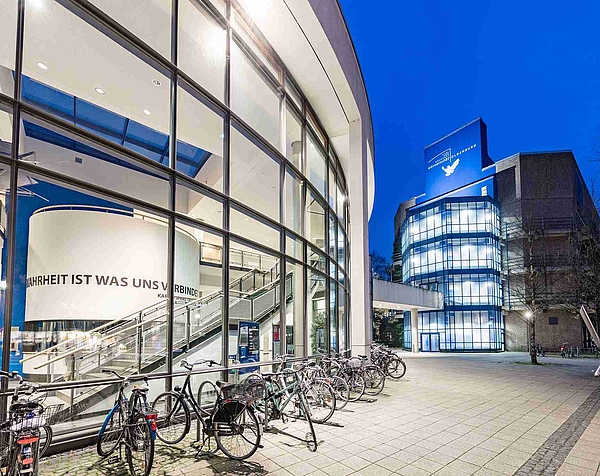
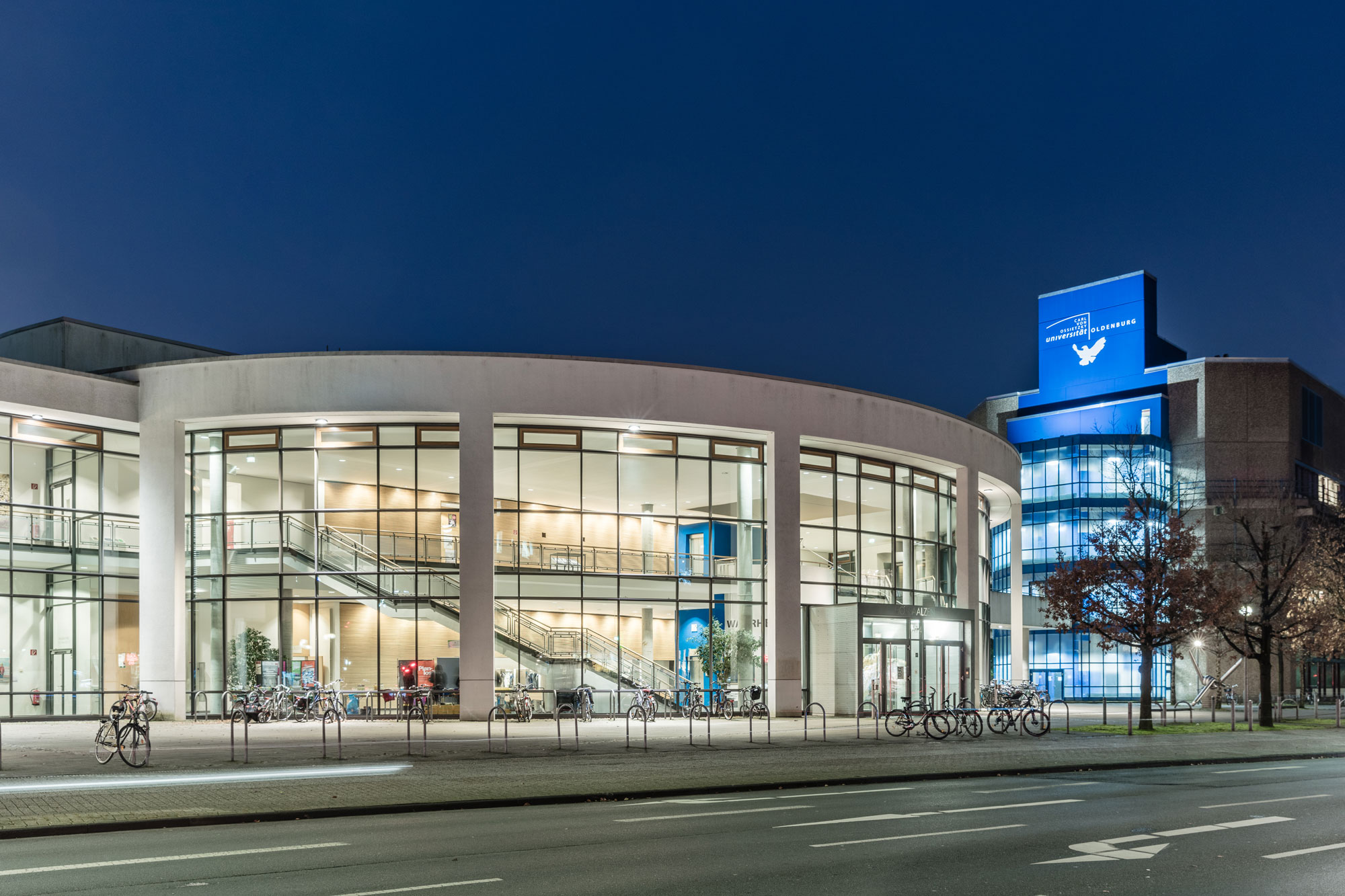
- The Vibe: Oldenburg is a green, bicycle-friendly city with a cozy university-town feel. It is known for its high safety standards and active student culture.
- Connectivity: The Deutschlandticket included in your fees allows you to use all regional trains and city buses across Germany for free.
- Biking: Bicycles are the primary mode of transport; the city is completely flat and very safe for cyclists.
Hostel & Mess
- Accommodation: Managed by Studierendenwerk Oldenburg.
- Student Halls: Rent ranges from 250 € to 500 €/month. Note: Rents are subject to a roughly 5% average increase.
- Private WGs: Average cost is around 400 € - 550 €/month.
- Dining: Several canteens (Mensas) are available. A main course (often vegan/vegetarian) costs a maximum of 2.50 € under the "Lower Saxony Menu" initiative.
- Cost of Living: Expected monthly budget: 992 €. This includes rent, food, health insurance (~120 €), and leisure.
Miscellaneous
- APS Certificate: Mandatory for students from India, China, and Vietnam.
- Entrance Requirements: High school diploma equivalent to the German Abitur + C1 German proficiency.
- Registration Deadlines: For, usually January 15 for the summer semester and July 15 for the winter semester.
Collage Images Gallery
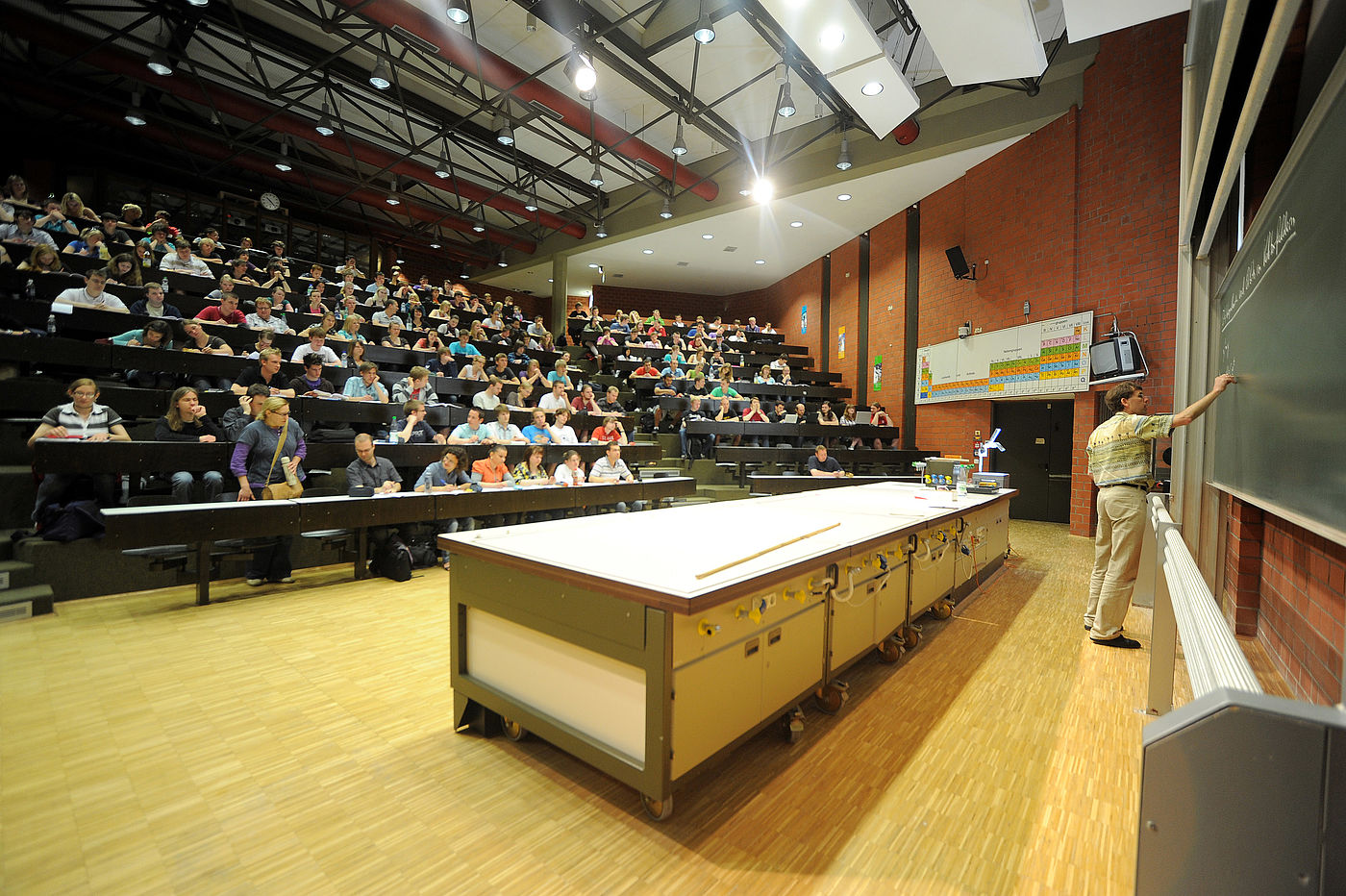
Facilities & Campus Life

Well-equipped Library

Experienced Faculty

Computer Lab

Sports Activities

Heritage Campus


Frequently Asked Questions
Why Consult With Us?
- 15+ years of experience in medical education counseling
- 5000+ students successfully guided
- 50+ partner universities worldwide
- Free initial consultation with no obligation