
Faculte de Médecine de Pharmacie et d'Odonto-Stomatologie de l' Université de Nouakchott
Nawakshut -
Mauritania
Abroad

General Information
- Established in 2006, the Faculté de Médecine, de Pharmacie et d’Odonto-Stomatologie (FM POS) is the premier medical institution of the Université de Nouakchott Al Aasriya (UNA) in Mauritania. It was created to address the nation's need for highly qualified healthcare professionals and is the only public faculty in the country offering comprehensive degrees in medicine, pharmacy, and dental surgery.
General Info
Primary Location: Tevragh Zeina, Nouakchott, Mauritania. - Degree Awarded: * Doctor of Medicine (MD) 7-year program.
- Doctor of Pharmacy – 6-year program.
- Doctor of Dental Surgery – 6-year program.
- Language of Instruction: Primarily French, with some courses or administrative elements in Arabic.
- Accreditation: The program is approved by the Mauritanian Ministry of Higher Education and Research and is also included in the World Directory of Medical Schools (WDOMS).
- Admission:
- Intakes: The program usually starts in October, which is when the school year starts.
- Eligibility: High school diploma (Baccalauréat Scientifique); competitive entrance based on grades in Biology, Physics, and Chemistry
- International Students: Admitted based on bilateral government agreements or specific quotas for regional students (West Africa/Maghreb).
Campus Facilities
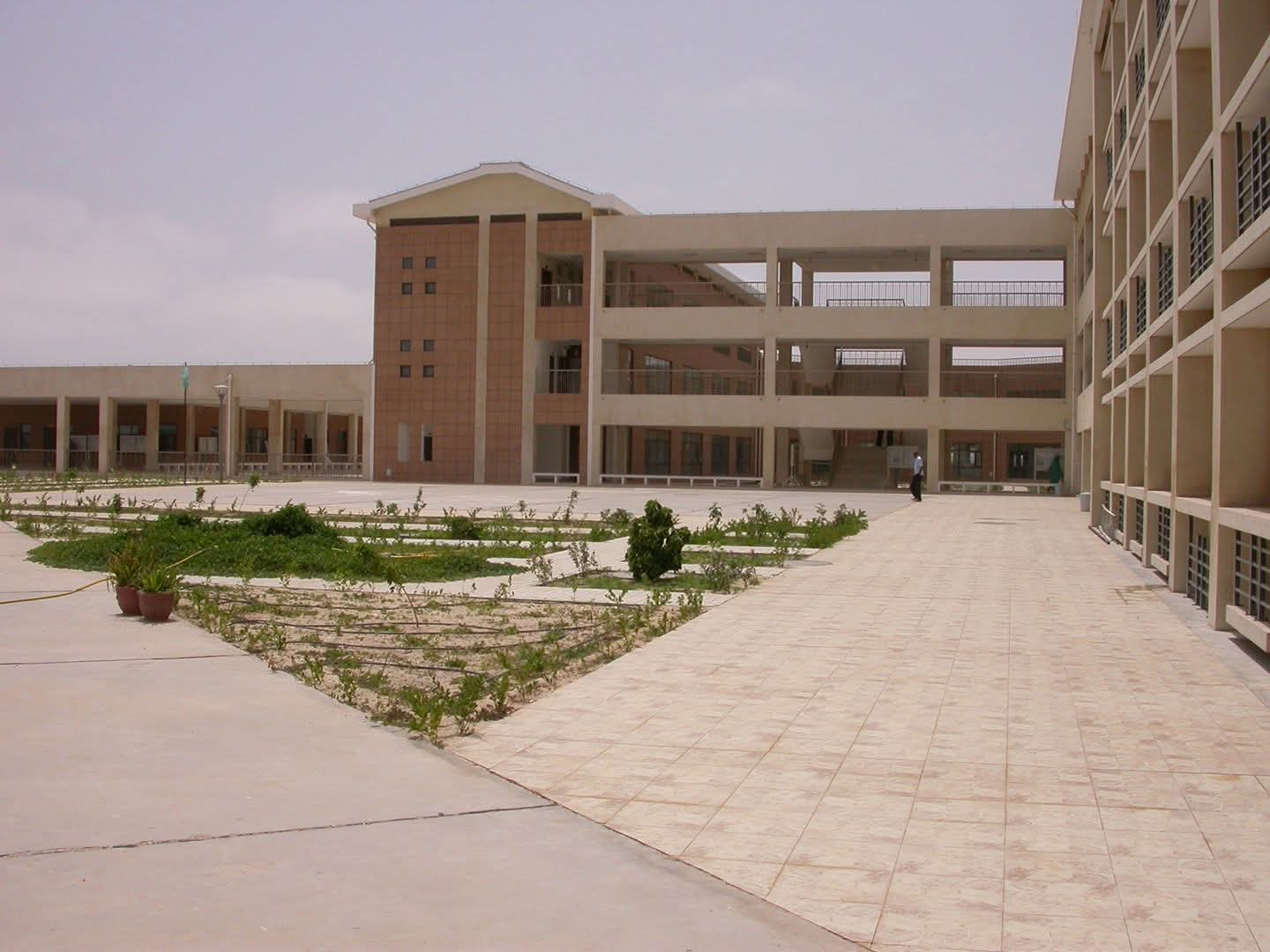
- The FM POS is part of the modern campus of the Université de Nouakchott, designed to support clinical and theoretical training.
- Image-Guided Therapy Center (CIGT): A specialized center within the faculty used for advanced training workshops for surgeons and residents.
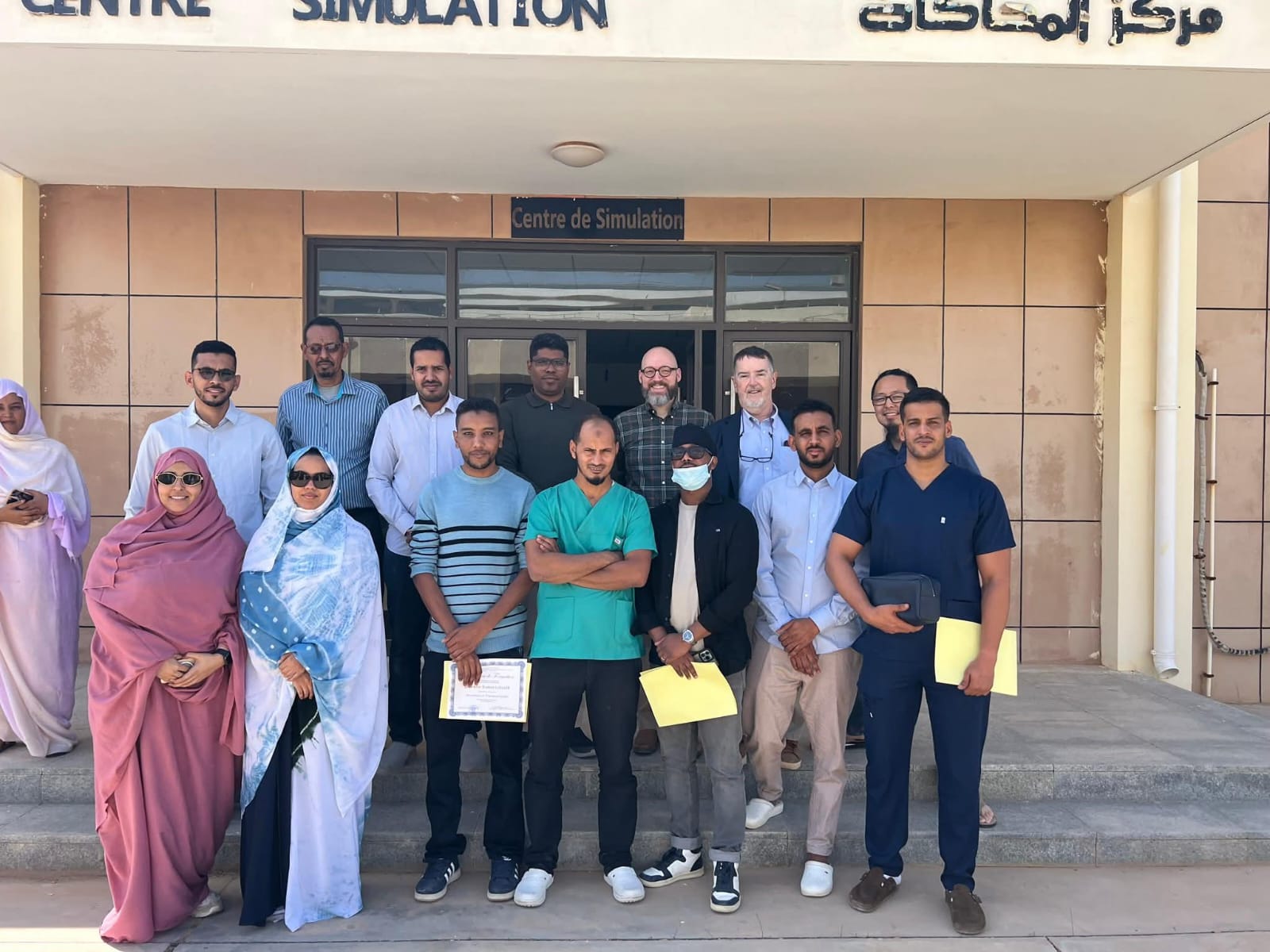
- Anatomage and Body Interact have been integrated into the faculty's resources. These virtual dissection tables and clinical simulation software are now available to enhance student training.
- Laboratories are available for Galenic Pharmacy, Microbiology, Biochemistry, and Histology.
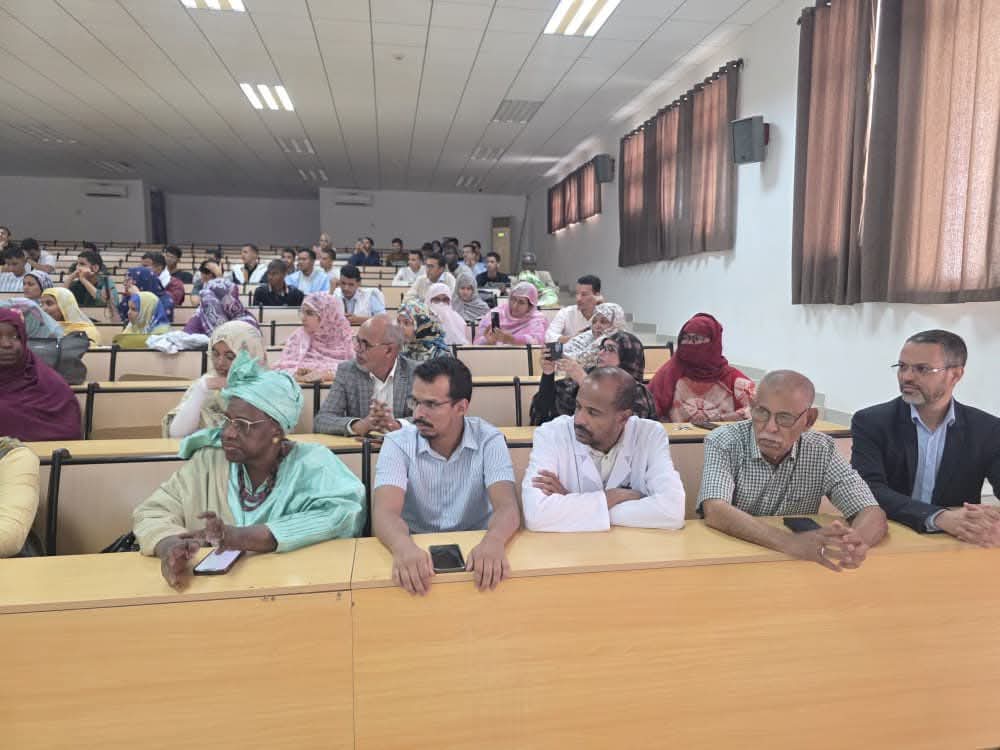
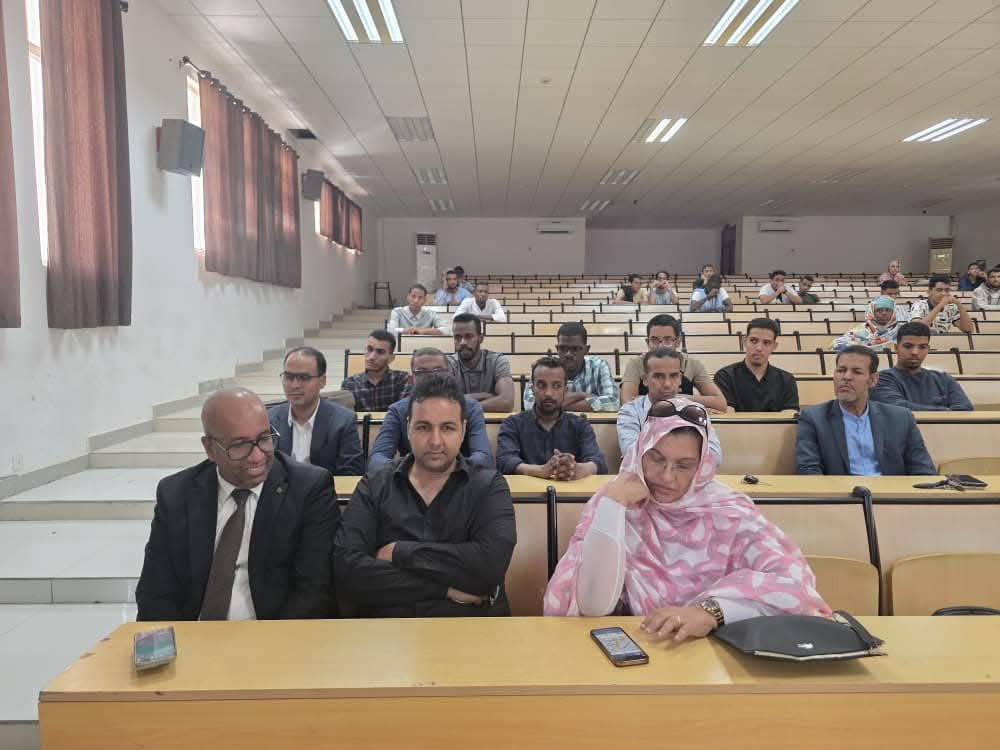
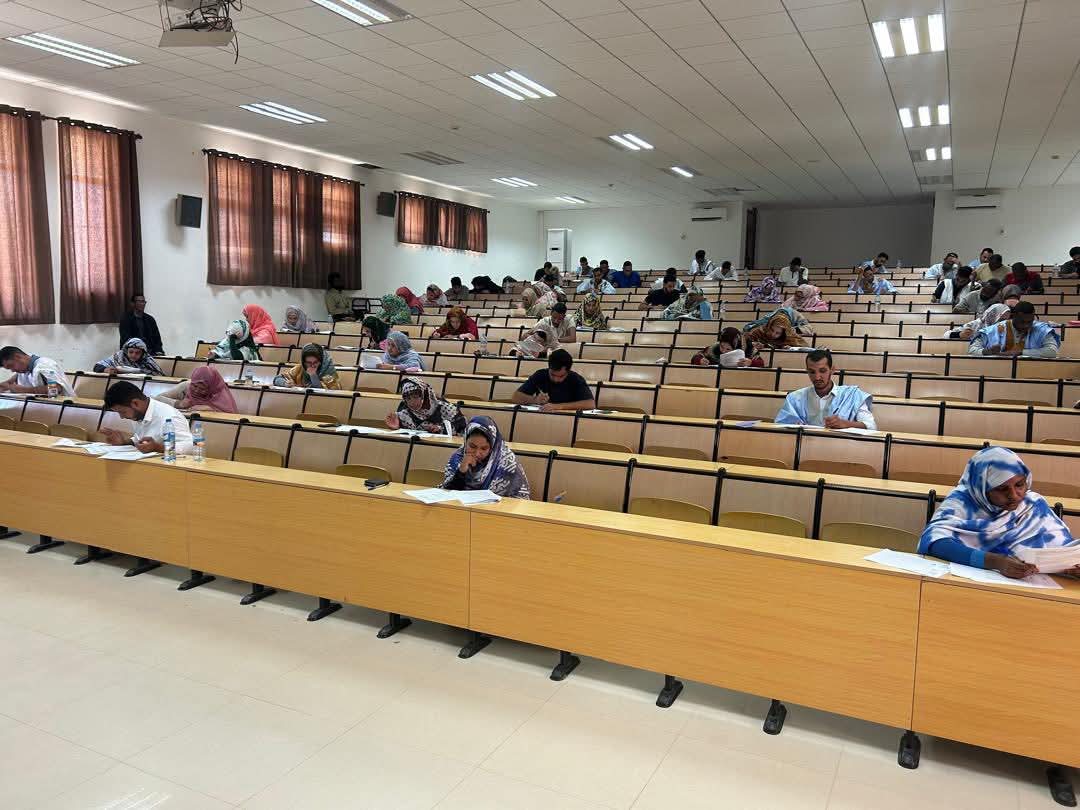
- The lecture halls feature a sizable 450-seat amphitheater, serving as a venue for essential lectures and international scientific seminars.
- Research units are dedicated to addressing regional health concerns, such as infectious diseases and maternal health.
Hospital & Medical Facilities
Leading tertiary care hospital attached to the institution
- Students undergo rigorous clinical rotations at major national hospitals in Nouakchott.
- Centre Hospitalier National (CHN): The primary tertiary care teaching hospital.
- Centre Hospitalier de Spécialités (CHS): Focused on specialized medical and surgical branches.
- Hospital Militaire de Nouakchott: Known for its high standards of discipline and specialized trauma care.
- Clinical Training: Bedside teaching begins in the 3rd year, with students rotating through Pediatrics, Gynae & Obs, Internal Medicine, and Surgery.
Fee Structure
State University Affordability
As a public university, fees for domestic students are heavily subsidized. International student fees are often determined by international cooperation agreements.
Scholarship
- Excellence Awards are a staple, with the faculty recognizing the top students each year through certificates and monetary rewards.
- National bourses, or scholarships, offer Mauritanian students the chance to apply based on their merit and financial circumstances.
- Furthermore, students from neighboring nations, such as Senegal and Mali, can benefit from regional academic exchange programs.
City Details
- The Vibe: Nouakchott is the coastal capital of Mauritania. It is a rapidly growing city with a desert-coastal climate. Tevragh Zeina is the most developed and safe residential/commercial district.
- Connectivity:
- Air: Nouakchott–Oumtounsy International Airport (NKC) connects the city to major hubs in France, Turkey, Morocco, and West Africa.
- Taxis and minibuses are the main ways people get around the city.
Hostel & Mess
- Accommodation at the University of Nouakchott offers university residences, called Cités Universitaires, for all students.
- However, a significant number of medical students choose to rent privately, often in the Tevragh Zeina area.
- Dining: Campus restaurants provide affordable meals for students.
- Student Union: Active associations organize health awareness campaigns, sports tournaments, and the "Medical Days" of Nouakchott.
- Culture: The environment is multicultural, reflecting Mauritania's position as a bridge between the Arab world and Sub-Saharan Africa.
Miscellaneous
- Postgraduate Training: The faculty offers residency programs (DES) in several specialties, including neurosurgery, cardiology, and general surgery.
- Ethics: There is a heavy emphasis on medical ethics and the adaptation of healthcare to the specific socio-economic context of the Sahel region.
Collage Images Gallery
Facilities & Campus Life

Well-equipped Library

Experienced Faculty

Computer Lab

Sports Activities

Heritage Campus


Frequently Asked Questions
Answer: Yes. AMW coordinates group departure assistance and helps with flight planning. Our local representative in Uzbekistan meets students at Tashkent airport and provides transport to the university hostel. Support continues throughout the first month of your stay.
Answer: Yes. Direct flights between Delhi and Tashkent operate regularly and take under 3 hours. Most universities have structured semester breaks that allow students to visit home at least once or twice a year. AMW advises students on the academic calendar and the best travel windows.
Answer: The process is straightforward and well-defined. AMW handles the complete visa application, document preparation, attestation, and apostille. Visa approval typically takes 10–20 working days from the date of submission.
(1) Free counselling, share your score and goals. <br />
(2) We handle all documentation, applications, and visa processing. <br />
(3) You arrive at college; we provide ongoing support for all 6 years.
Our pass rate is approximately 78% compared to the national average of ~45%, because we begin structured FMGE preparation from Year 4, not after graduation.
No. Every university we recommend offers MBBS fully in English. Basic Russian is helpful for patient interaction during clinical rotations, but the degree is completed entirely in English. Basic Russian can be learned at the University campus for free.
Answer: All AMW partner universities in Uzbekistan offer English-medium MBBS programmes. A basic Uzbek and/or Russian language module is included in the first year to help students communicate with patients during clinical rotations — no prior knowledge of either language is required for admission.
Total cost for MBBS in Russia (tuition + living) is approximately ₹22–38 Lakhs over 6 years, which is much cheaper than private medical colleges in India (₹65–110 Lakhs). Exact fees vary by university
Yes, an MBBS from an NMC-approved foreign university is fully valid in India. You must clear FMGE (transitioning to NExT) to practice.
Why Consult With Us?
- 15+ years of experience in medical education counseling
- 5000+ students successfully guided
- 50+ partner universities worldwide
- Free initial consultation with no obligation