
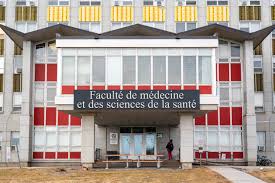
Faculté de médecine et des sciences de la santé (FMSS)

General Information
The Faculté de médecine et des sciences de la santé (FMSS) at the Université de Sherbrooke is internationally recognized for its innovative pedagogical approach. It was the first French-language medical school to adopt Problem-Based Learning (PBL) and is an official WHO collaborating center for the training of health professionals.
Crucial Language Note: All instruction, clinical rotations, and patient interactions are conducted in French. High proficiency (typically C1 level) is mandatory for admission.
General Info
Location: Health Campus, Sherbrooke, Quebec (with decentralized sites in Saguenay and Moncton).
Degree Conferred: Doctor of Medicine (M.D.).
Duration: 4 years.
Language of Instruction: French.
Accreditation: Accredited by the CACMS (Canada) and LCME (USA). Graduates are eligible for medical residency and licensure across North America.
Campus Facilities
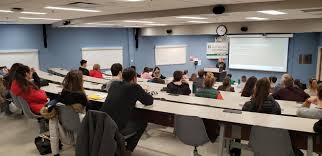
Learning Model: The program is entirely built on Problem-Based Learning (PBL). Students begin clinical reasoning from the first week, working in small groups to solve complex patient cases.
The Health Campus: Unlike the main university campus, the medical school is located directly on the site of the CHUS (Centre hospitalier universitaire de Sherbrooke), creating an immediate immersion in the clinical environment.
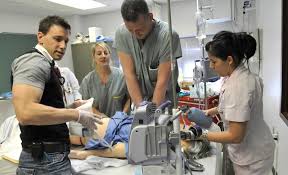
Innovation: The faculty features a cutting-edge simulation center where students practice procedures on high-fidelity manikins and standardized patients.
Hospital & Medical Facilities
Leading tertiary care hospital attached to the institution
Sherbrooke’s training network is one of the most extensive in Quebec:
CHUS - Hôpital Fleurimont: Located adjacent to the faculty, it is the primary center for trauma and specialized care in the Eastern Townships.
Hôtel-Dieu de Sherbrooke: Focuses on oncology and palliative care.
Decentralized Sites: Students can choose to complete their entire 4-year program at the Saguenay site (partnered with UQAC) or the Moncton site (partnered with the Université de Moncton in New Brunswick) for a more community-focused experience.
Fee Structure
State University Affordability
Quebec tuition is strictly regulated based on residency status.
Quebec Residents: Approx. $5,000 CAD per year.
Canadian (Non-Quebec) Residents: Approx. $14,000 CAD per year.
International Students: Approx. $35,000 – $40,000 CAD per year.
Note: Spots for international students without specific government agreements (e.g., France-Quebec) are extremely limited and highly competitive.
City Details
Vibe: A vibrant student city surrounded by mountains and lakes (Mont-Orford, Lac Magog), ideal for outdoor enthusiasts.
Cost of Living: One of the lowest among major university cities in Quebec.
Transport: Public transit (STS) is free for all UdeS students with their student ID card.
Hostel & Mess
On-Campus Residences: Available mainly on the main campus (a free shuttle connects the two campuses).
Cost: Very affordable, approx. $450 – $550 CAD per month.
Off-Campus Housing: The area surrounding the CHUS (Fleurimont) is popular with medical students.
Cost: Approx. $700 – $1,000 CAD for a private or shared apartment.
Mess/Dining: No mandatory meal plans. The hospital and faculty cafeterias provide affordable meals, but most students self-cater.
Food Budget: Approx. $400 – $600 CAD per month.
Miscellaneous
CASPer Test: Mandatory and must be taken in French. It is a critical component of the selection process.
Academic Score (Cote R / GPA): Exceptional academic performance is required. For CEGEP students, the Cote R threshold to be invited for an interview often exceeds 34.5.
Interviews: Top-ranked candidates are invited to Multiple Mini-Interviews (MEM), conducted in French, to assess interpersonal skills and ethics.
International Eligibility: Priority is given to candidates from countries with specific cooperation agreements with the Quebec government.
Collage Images Gallery
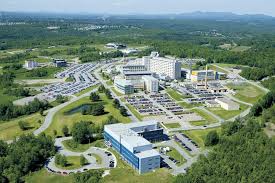
Facilities & Campus Life

Well-equipped Library

Experienced Faculty

Computer Lab

Sports Activities

Heritage Campus


Frequently Asked Questions
Why Consult With Us?
- 15+ years of experience in medical education counseling
- 5000+ students successfully guided
- 50+ partner universities worldwide
- Free initial consultation with no obligation