

Faculté de Médecine Henri Warembourg, UFR3S, Université de Lille

General Information
The Henri Warembourg Faculty of Medicine is the largest medical training and research unit in France, hosting over 12,000 students. It is the centerpiece of the UFR3S (Education and Research Unit for Health Sciences and Sport) and is located within the Eurasanté Bio-health Park, a major European hub for medical innovation. The faculty is globally recognized for its massive clinical capacity and its leadership in genetics, cardiovascular research, and metabolic diseases.
General Info
- Established: 1875.
- Academic Model: French PASS/L.AS system (Standard EU 3-cycle Medical Education).
- System of Study: * 1st Cycle: PASS or L.AS (Selection year).
- 2nd Cycle (Externship): 3 years of advanced theory and clinical rotations (35 hours/week).
- 3rd Cycle (Residency/Internship): 3 to 6 years of specialization.
- Instruction: 100% French. A minimum of B2/C1 French proficiency (DELF/DALF) is mandatory for admission and clinical practice.
- Accreditation: Fully accredited by the French Ministry of Higher Education. Listed in the World Directory of Medical Schools (WDMS) and recognized by WHO, WFME, and the NMC/NExT (India).
Campus Facilities
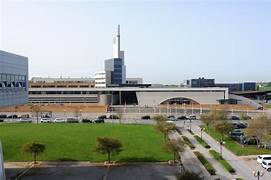
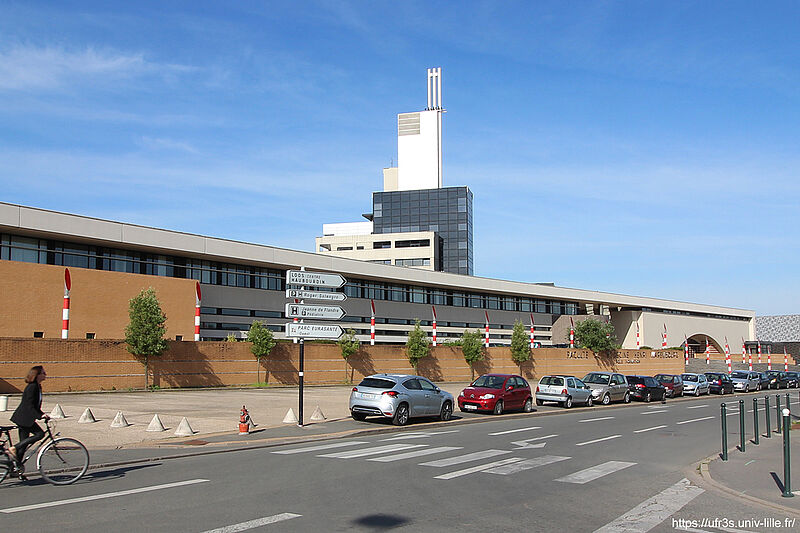
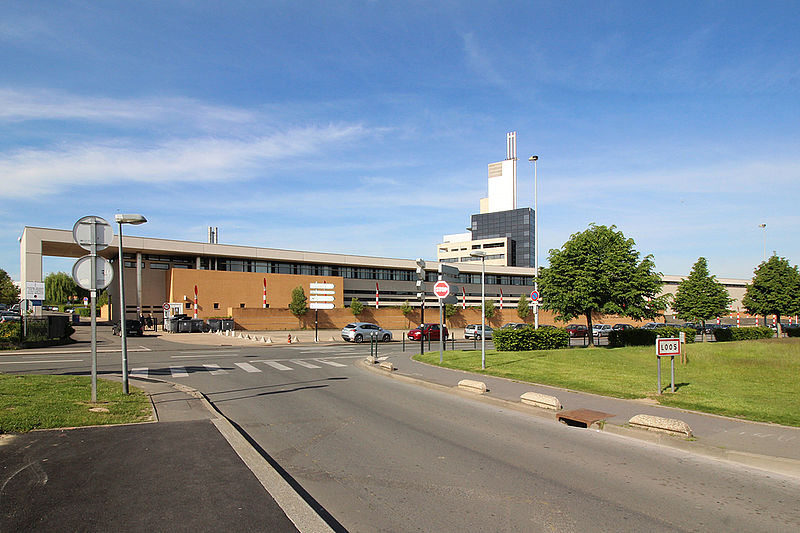
The faculty is divided into two primary hubs the Training Hub (Pôle Formation) and the Research Hub (Pôle Recherche) situated in the Loos/Lille hospital district.
- PRESAGE Simulation Center: A massive 2,200 m² facility reproducing a realistic hospital environment. It features 13 complex mannequins, 500 procedural simulators, 8 hospital rooms, and 3 consultation offices for risk-free training.
- EGID (European Genomic Institute for Diabetes): A flagship research institute on campus focusing on metabolic diseases, diabetes, and precision medicine.
- Anatomage & 3D Imaging: Combines traditional cadaveric dissection with advanced 3D virtual dissection tables and VR tools for high-definition anatomical study.
- Health Learning Center: A modern, 3-story digital library and workspace specifically for medical students, offering 24/7 access to clinical databases.
- Computerized Exam Center: One of France’s largest halls dedicated to the secure, tablet-based National Ranking Exams (EDN).
- Eurasanté Bio-Incubator: An on-site park housing 100+ biotech startups, providing students with direct exposure to medical innovation and entrepreneurship.
- Advanced Research Platforms: Includes high-field MRI, PET-CT, and electronic microscopy accessible to senior students and researchers.
- Pôle Recherche (Place Verdun): A dense scientific hub where students participate in clinical research alongside units from INSERM and CNRS.
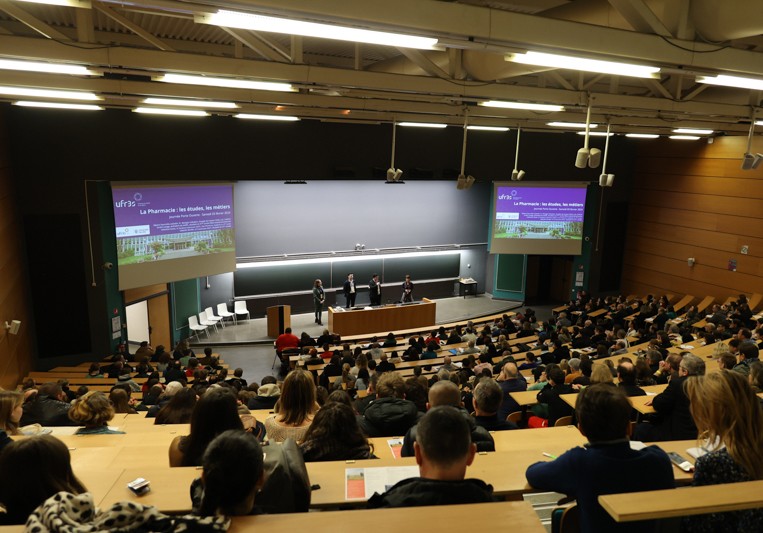
- Smart Lecture Theaters: All auditoriums are integrated with high-definition capture systems for live-streaming and on-demand replay of complex lectures.
- Experimental Surgery Unit: A dedicated facility for practicing laparoscopic and robotic surgery techniques using the latest hardware.
Hospital & Medical Facilities
Leading tertiary care hospital attached to the institution
Clinical training is centered within the CHU de Lille (Lille University Hospital), one of the top 3 largest and highest-ranked hospital complexes in Europe:
- Claude Huriez Hospital: Excellence in urology, nephrology, and digestive surgery.
- Albert Calmette Hospital: A specialized center for respiratory diseases and thoracic surgery.
- Jeanne de Flandre Hospital: A high-tech facility dedicated to mother-and-child health (pediatrics and obstetrics).
- Roger Salengro Hospital: The regional hub for neurosurgery, orthopedics, and emergency trauma care.
- Heart & Lung Institute: One of the most advanced cardiovascular centers in the world.
Fee Structure
State University Affordability
As a public university, tuition is heavily subsidized by the French government.
Scholarship
- Eiffel Excellence Scholarship: A prestigious award for international students providing 1,181€/month stipend plus airfare and health insurance.
- Graduate Programme Scholarships: Specific grants of 3,500€ per year for international students entering Master's level medical/science tracks.
- CAF Housing Subsidy (APL): A government grant available to all students in France, refunding 30% to 50% of your monthly rent.
- Regional Mobility Grants (MERMOZ): Subsidies for international students participating in specific clinical or research mobility programs.
City Details
- The Vibe: Lille is the "Gateway to Europe." It is a major hub for business, health, and social life with a distinct Flemish charm.
- Connectivity: * Train: 1 hour to Paris, 35 mins to Brussels, and 1.5 hours to London via TGV/Eurostar.
- Air: Served by Lille-Lesquin Airport (LIL) and proximity to Paris-CDG.
- Safety: Very high. The medical campus is a dedicated health district with active security and a massive student population.
Hostel & Mess
- Accommodation: Managed by CROUS Lille. Residences like Le Parc or L’Orée du Campus in Loos are within walking distance of the faculty. Rent: 250 € - 500 € per month.
- Dining: Several "Resto' U" (University Restaurants) like L'Epi offer balanced 3-course meals for 3.30 € (or 1€ for eligible students).
- Cost of Living: Lille is very budget-friendly for students. Total monthly expenses range from 800 € to 1,100 €.
- Transport: The campus is connected to the city center by Metro Line 1 (Terminus: CHU - Eurasanté).
Miscellaneous
- NRI Seats: None. French public medical schools do not have "NRI Quotas" or "Management Seats." Admission is strictly merit-based through the PASS/L.AS selection.
- Entrance Requirements: Non-EU students must apply via the "Études en France" (Campus France) portal.
- Numerical Quota (2026): For the PASS pathway, there are 515 places available in 2nd-year health studies out of ~1,730 applicants (approx. 30% success rate).
- The "Two-Chance" Rule: Students have a maximum of two attempts to enter a medical health program (MMOPK) across their entire undergraduate career.
Collage Images Gallery
Facilities & Campus Life

Well-equipped Library

Experienced Faculty

Computer Lab

Sports Activities

Heritage Campus


Frequently Asked Questions
Why Consult With Us?
- 15+ years of experience in medical education counseling
- 5000+ students successfully guided
- 50+ partner universities worldwide
- Free initial consultation with no obligation