

Faculté de Médecine Montpellier-Nîmes, Université de Montpellier

General Information
The Faculty of Medicine Montpellier-Nîmes is the oldest medical school in continuous operation in the world (founded in 1220). It is the crown jewel of the University of Montpellier, combining 800 years of history with some of the most advanced medical research and simulation facilities in Europe. It operates across two primary cities, Montpellier and Nîmes, and is a global leader in health sciences, robotic surgery, and genetics.
General Info
- Established: August 17, 1220 (Oldest medical faculty in the world).
- Location: * Montpellier (Main): Arnaud de Villeneuve Campus (641 Av. du Doyen Gaston Giraud).
- Nîmes: Carreau de Lanes Campus (186 Chemin du Carreau de Lanes).
- Academic Model: French PASS/L.AS system (Standard EU 3-cycle Medical Education).
- Admission Path (2026):
- PASS (Health Access Pathway): Major in health with a minor in a different field.
- L.AS (Health Access License): Major in a different field (e.g., Biology, Chemistry, Law) with a health minor.
- Instruction: 100% French. A minimum level of B2/C1 French proficiency (DELF/DALF) is mandatory for admission and clinical rotations.
- Accreditation: Fully accredited by the French Ministry of Higher Education. Listed in the World Directory of Medical Schools (WDMS) and recognized by WHO, WFME, and the NMC/NExT (India).
Campus Facilities
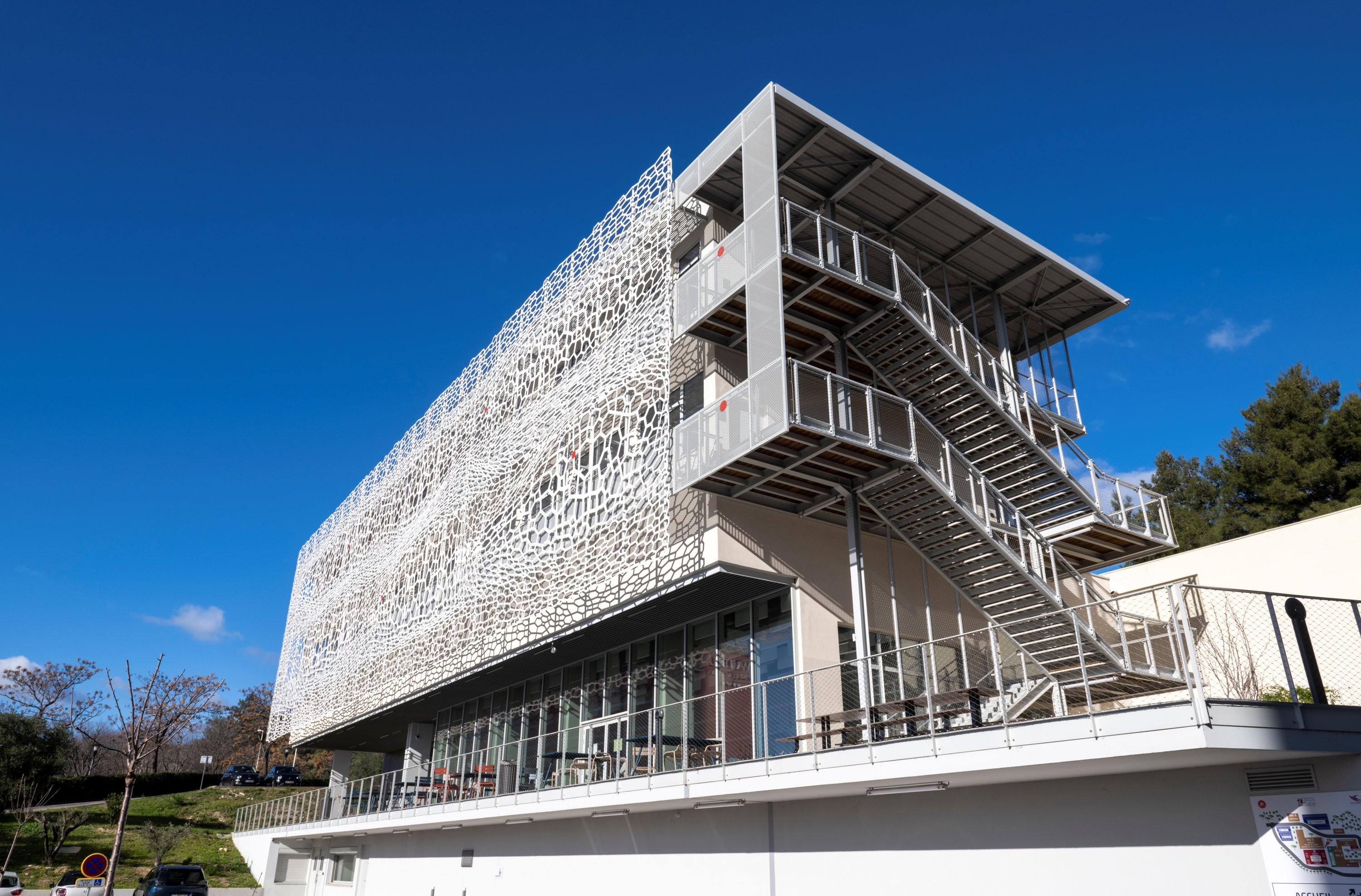
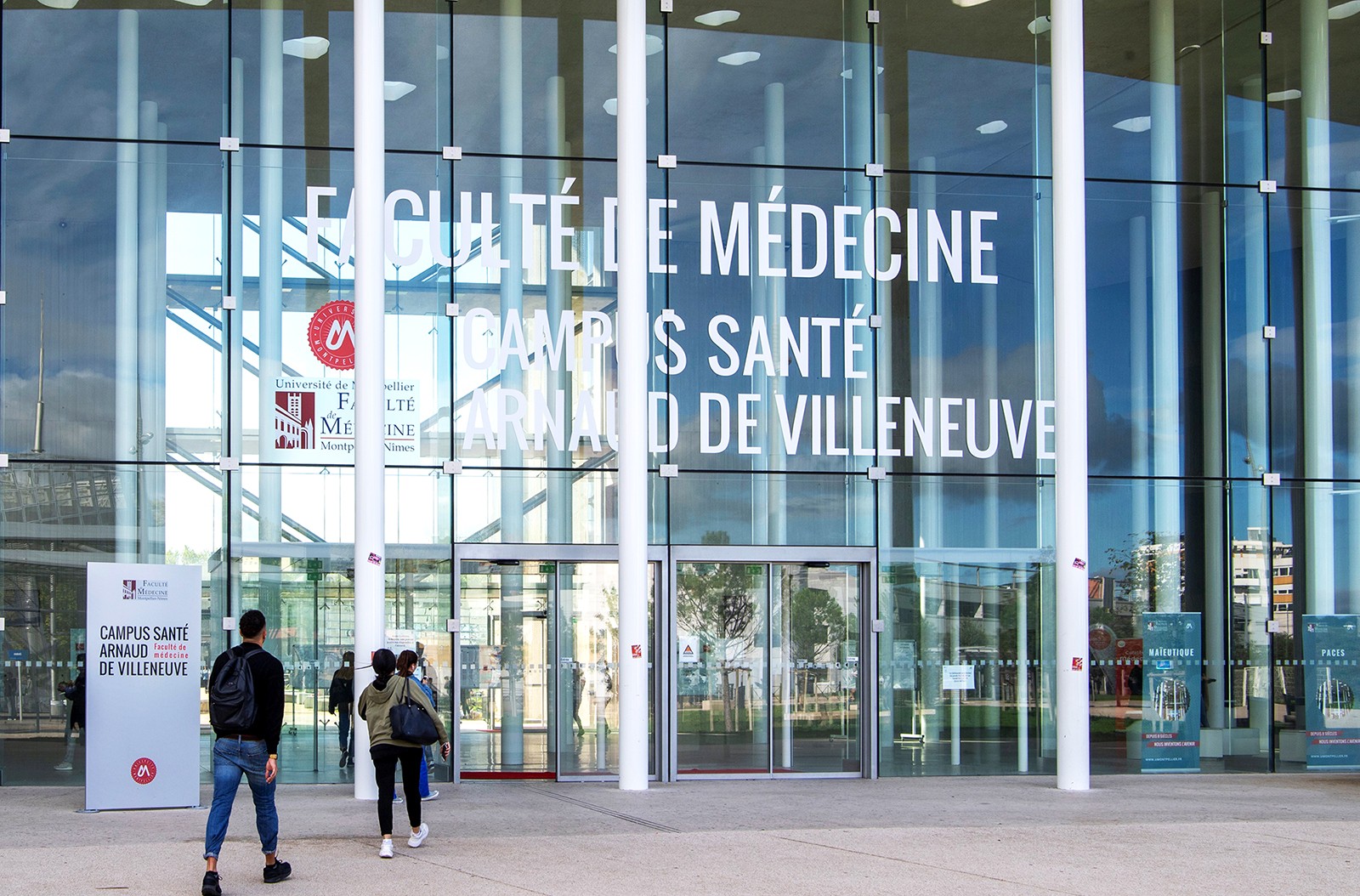
The faculty features a blend of historic heritage and ultra-modern architecture, particularly at the Arnaud de Villeneuve site.
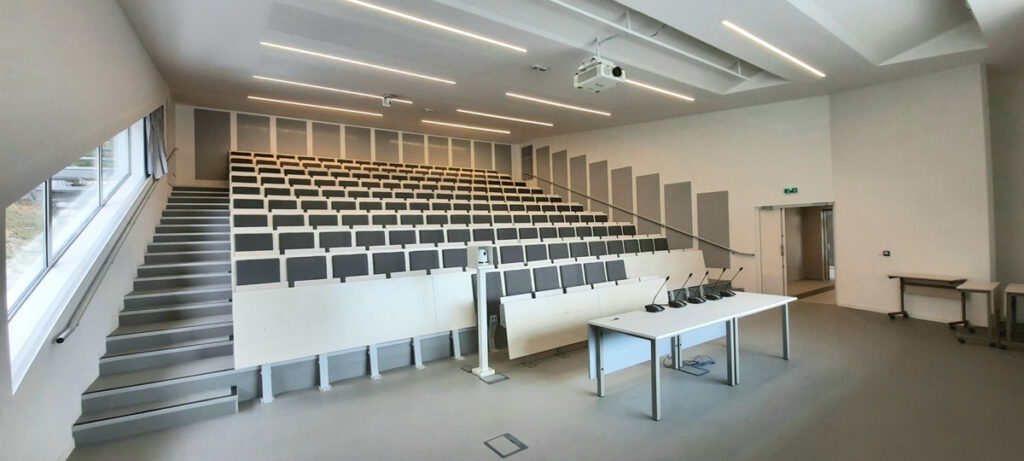
- Arnaud de Villeneuve Campus: A new 11,000 m² high-tech facility (opened in 2017) grouping all health sciences, research units, and administration.
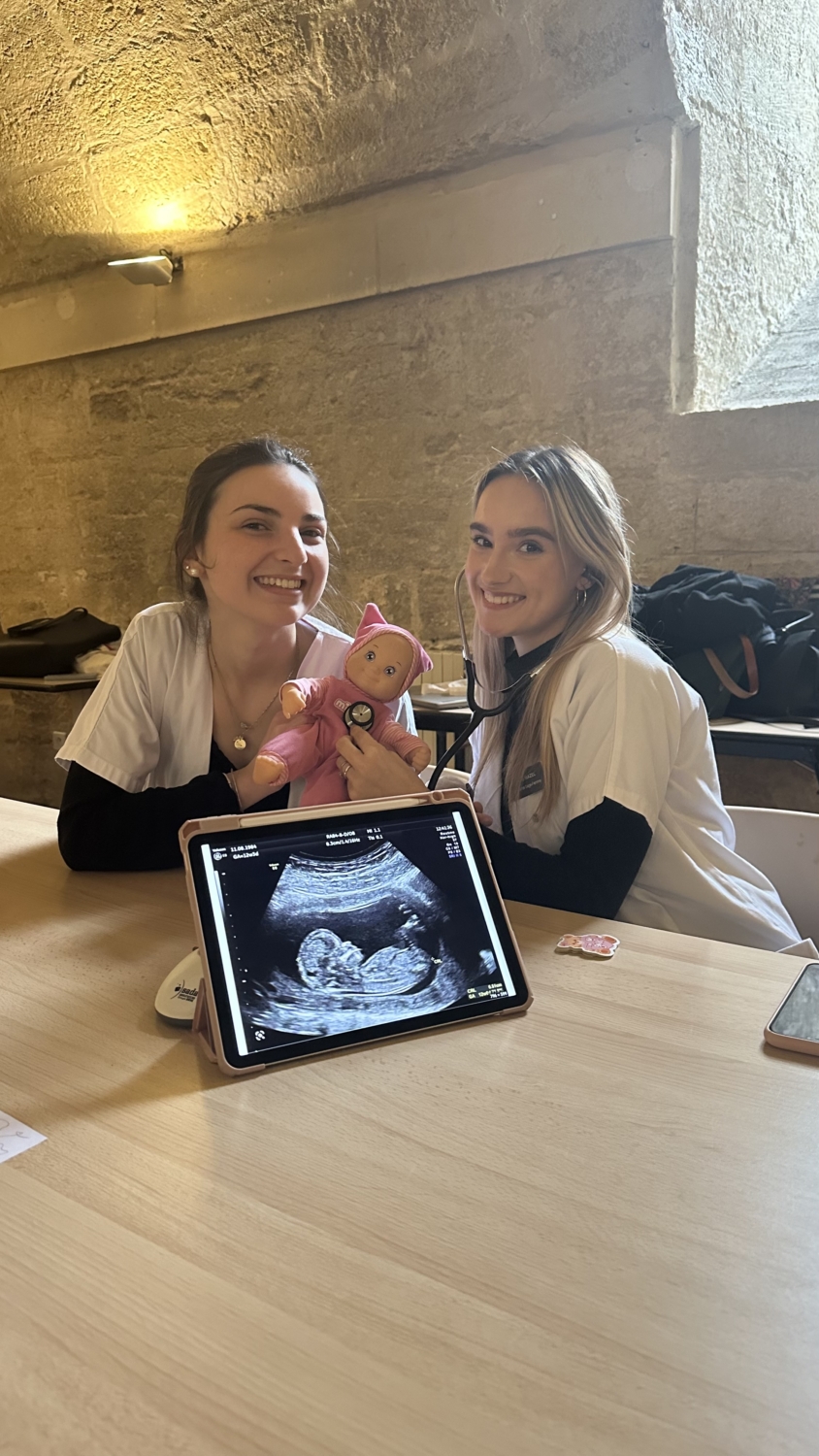
- Simulation Centers (Montpellier & Nîmes): Massive facilities totaling thousands of square meters dedicated to simulation. They feature high-fidelity robotic patients, "Announcing Difficult News" training with actors, and mock surgical theaters.
- Historical Site (Old City Center): The iconic 14th-century building (adjacent to the Cathedral) still houses the administrative seat, the world-famous anatomy museum, and a historic medical library.
- Jardin des Plantes: Founded in 1593, it is France's oldest botanical garden, originally used for medicinal herb studies.
- Conservatory of Anatomy: Houses over 5,600 anatomical specimens, making it one of the most important anatomical heritage sites in Europe.
- Pôle de Robotique Chirurgicale: A world-class center for training in robotic-assisted surgery and minimally invasive techniques.
- Computerized Exam Center: State-of-the-art halls equipped with secure tablets for the national medical assessments (EDN).
- Digital Health Hub: Offers 24/7 access to international clinical databases and immersive 3D anatomical software.
- Research Cluster: Integrated with top-tier institutes like the IGH (Institute of Human Genetics) and IGF (Institute of Functional Genomics).
- Technical Platform Nîmes (PTNIM): A dedicated platform for experimental research and clinical simulation in Nîmes.
Hospital & Medical Facilities
Leading tertiary care hospital attached to the institution
The faculty is partnered with two major University Hospital Centers (CHU):
- CHU de Montpellier: One of the highest-ranked hospitals in France.
- Gui de Chauliac Hospital: National hub for neurosciences and head/neck surgery.
- Lapeyronie Hospital: Regional trauma center and specialized in metabolic/digestive health.
- Arnaud de Villeneuve Hospital: Regional leader in cardiology, pediatrics, and maternity.
- CHU de Nîmes (Carémeau): A modern high-volume hospital specializing in oncology, geriatric health, and emergency medicine.
- ICM (Montpellier Cancer Institute): One of France’s leading centers for oncology research and personalized treatment.
Fee Structure
State University Affordability
For the academic year, the University of Montpellier has approved a partial exemption from differentiated fees for Non-EU students.
Scholarship
- Eiffel Excellence Scholarship: Prestigious award for international students providing 1,181 €/month (Masters) or 1,800 €/month (PhD) plus travel costs.
- Exemption from Differentiated Fees: The University of Montpellier automatically applies this to most international students, reducing tuition from ~2,800 € to 178 €.
- CAF Housing Subsidy (APL): A government grant available to all students in France, refunding 30% to 50% of your monthly rent.
- CROUS Social Aid: Subsidized meals (3.30 €) and emergency financial support for students in difficulty.
City Details
- The Vibe: Montpellier is often called the "City of Medicine." It is vibrant, historic, and offers a high quality of life with 300 days of sunshine a year.
- Connectivity: * Train: 3.5 hours to Paris via high-speed TGV.
- Air: Montpellier-Méditerranée Airport (MPL) offers direct flights across Europe and North Africa.
- Safety: Very high. The Arnaud de Villeneuve medical campus is a dedicated, secure health district.
Hostel & Mess
- Accommodation: Managed by CROUS Montpellier-Occitanie. Residences like Citadelle, Resid'Oc, or Côté Rambla offer studios for 350 € - 680 € per month.
- Dining: Several "Resto' U" (University Restaurants) provide full, healthy meals for 3.30 € (or 1 € for eligible students).
- Cost of Living: Montpellier is a sun-drenched, student-heavy city. Total monthly expenses range from 850 € to 1,100 €.
- Vibe: One of France's most youthful cities (1 in 4 residents is a student). It is safe, pedestrian-friendly, and 15 minutes from the Mediterranean coast.
Miscellaneous
- NRI Seats: None. Admission is strictly based on academic merit via the PASS/L.AS competitive entry system.
- Entrance Requirements: Non-EU students must apply via the "Études en France" (Campus France) portal (Deadline: Dec 15, 2025, for Sept 2026).
- Selection: Entrance into the 2nd year of medicine is based on 1st-year grades and oral exams (MEMs), which count for a significant portion of the score.
Collage Images Gallery
Facilities & Campus Life

Well-equipped Library

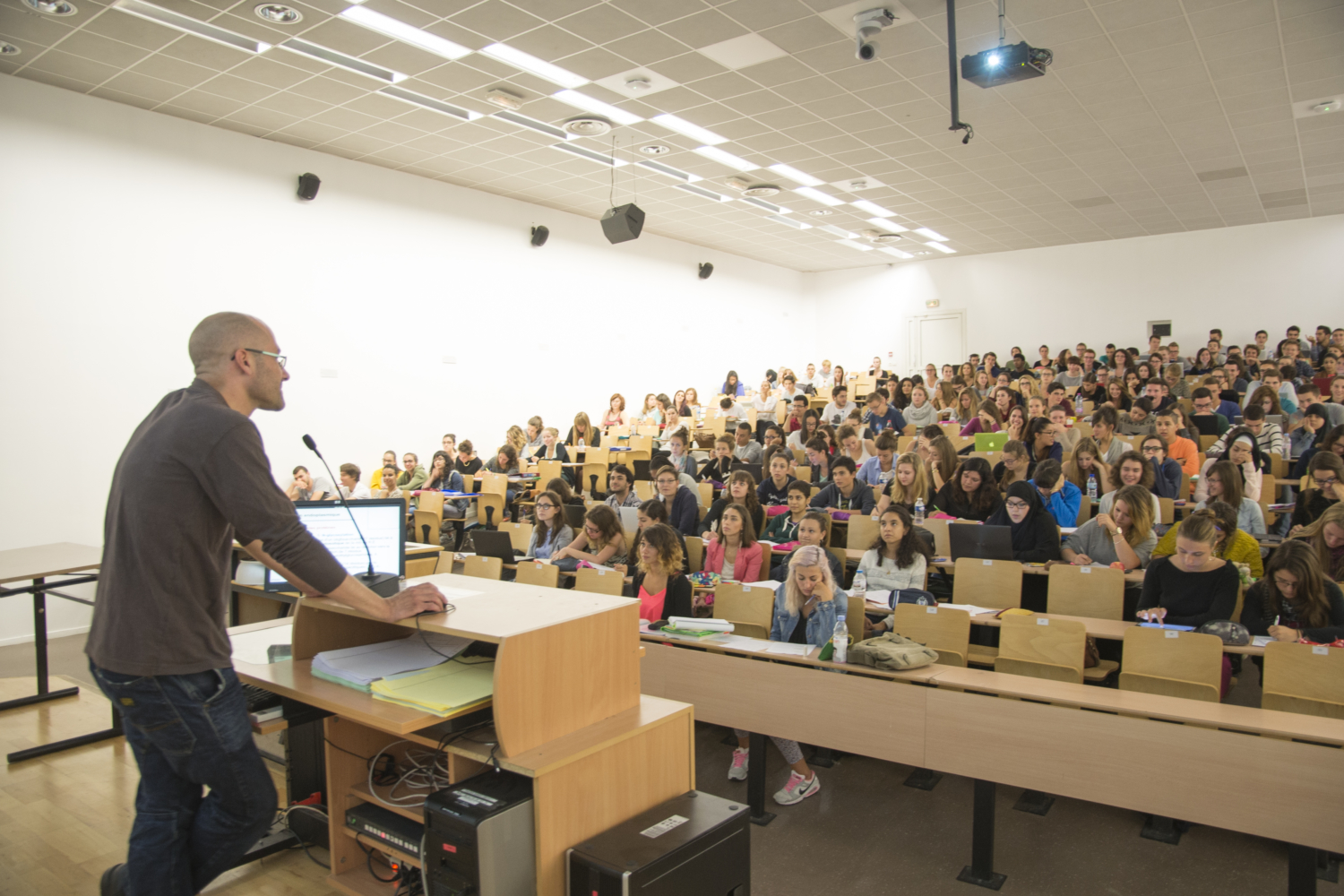
Experienced Faculty

Computer Lab

Sports Activities

Heritage Campus


Frequently Asked Questions
Why Consult With Us?
- 15+ years of experience in medical education counseling
- 5000+ students successfully guided
- 50+ partner universities worldwide
- Free initial consultation with no obligation